In this biography
Quick facts
- Born
- 9 March 1951
- Birthplace
- Johannesburg, South Africa
- Country
- South Africa
- Nationality
- Not independently established
- Known for
- Investigative journalism, Cape Town coalition government, Western Cape leadership and opposition-party organisation
- Recorded full name
- Otta Helene Zille
- University
- University of the Witwatersrand
- Cape Town mayor
- 2006–2009
- DA leader
- 2007–2015
- Western Cape premier
- 2009–2019
- October 2026 position
- DA Johannesburg mayoral candidate
Why this life matters
Her career links the institutions that investigate power with those that exercise it. Cape Town provided a test of multiparty administration, while later disputes over colonialism and free expression exposed the difference between political accountability and a court’s review of an official finding.
Timeline
Key moments
Johannesburg and journalism
Schooling and university precede work at the Rand Daily Mail from 1974.
Reporting and civic activism
Reporting on Biko’s death is followed by Black Sash, anti-conscription and public-policy work.
Education and Parliament
She serves as Western Cape education MEC before entering the National Assembly.
Cape Town mayor
A council ballot gives her the mayoralty in a multiparty administration.
Party and provincial leadership
DA leadership overlaps with part of her later Western Cape premiership.
Tweets, apology and legal review
Political controversy is followed by an appeal setting aside Public Protector findings.
Johannesburg candidacy
She accepts the DA nomination; a new Federal Council chair is elected in April 2026.
Johannesburg and a politically engaged household
Helen Zille was born in Johannesburg on 9 March 1951. She attended St Mary’s Waverley and studied at the University of the Witwatersrand. A provincial gazette records her longer name as Otta Helene Zille.
In a 1999 interview, she described parents who had left Nazi Germany and supported the Progressive Party. Her mother’s Black Sash advice-office work brought the effects of apartheid into family conversations. Zille’s own political outlook developed through this environment, university activity and a preference for liberal politics.
Reporting challenged the official account of Biko’s death
Zille joined the Rand Daily Mail in 1974. Her best-known investigation concerned Steve Biko’s death in detention in 1977. Medical evidence contradicted the official hunger-strike explanation, and publication exposed the newspaper to political pressure and proceedings before the Press Council.
She later worked in civic organisations, including the Black Sash and End Conscription Campaign, and in communications and public-policy consultancy. Her interest in education also grew through school governance. By 1999 she was Western Cape education MEC; election to the National Assembly followed in 2004. Journalism, community work and elected office were successive settings for her public career.
Cape Town required coalition management as well as a mayor
The DA emerged as Cape Town’s largest party in 2006 without an outright majority. On 15 March, councillors elected Zille mayor by 106 votes to 103. Smaller parties secured other council offices, making negotiation central to the new administration.
A Princeton case study based on interviews later described the administration’s effort to stabilise municipal staffing, revenue and infrastructure management. The city’s own annual-report foreword likewise emphasised organisational consolidation after the unicity merger. These accounts place the mayoralty within administrative work and bargaining across parties, rather than treating the election alone as the completion of reform.
Party leadership and the premiership operated at different levels
Zille became DA leader in 2007 and Western Cape premier in 2009. She relinquished party leadership in 2015 but remained premier until 2019. The overlap gave her influence over both party strategy and provincial government, while the offices remained institutionally separate.
Her subsequent 2017 tweets about aspects of colonialism’s legacy provoked intense criticism. She apologised for the offence caused and withdrew from party leadership activities. A Public Protector investigation produced adverse ethics findings. In 2022 the Supreme Court of Appeal set those findings and remedial action aside, identifying legal and evidential errors. That result did not erase the earlier political dispute.
The later campaign returned her to her home city
Zille later served as Federal Council chairperson. In February 2026 she explained that she would leave that role to concentrate on Johannesburg. The April leadership transition followed; the DA’s current roster identifies Ashor Sarupen in the position.
She had accepted the Johannesburg mayoral nomination in September 2025, describing the city as her birthplace and arguing for the repair of failing services. An October 2026 Centre for Development and Enterprise event still identified her as the DA candidate. At this article’s review she is a candidate, not the elected Johannesburg mayor. Her campaign’s promises remain proposals to be tested through elections and government.
Quick answers
Frequently asked questions about Helen Zille
- Was Zille elected Cape Town mayor directly by voters?
- Councillors elected her mayor in March 2006 after the municipal election produced a hung council.
- Did DA leadership and the premiership end together?
- No. Her party leadership ended in 2015; her premiership continued until 2019.
- What happened to the Public Protector’s colonialism-tweets findings?
- The Supreme Court of Appeal set aside the challenged findings and remedial action in February 2022.
- Was she already Johannesburg mayor in October 2026?
- No. The sources identify her as the DA’s mayoral candidate.
Keep exploring
Lives connected to this story
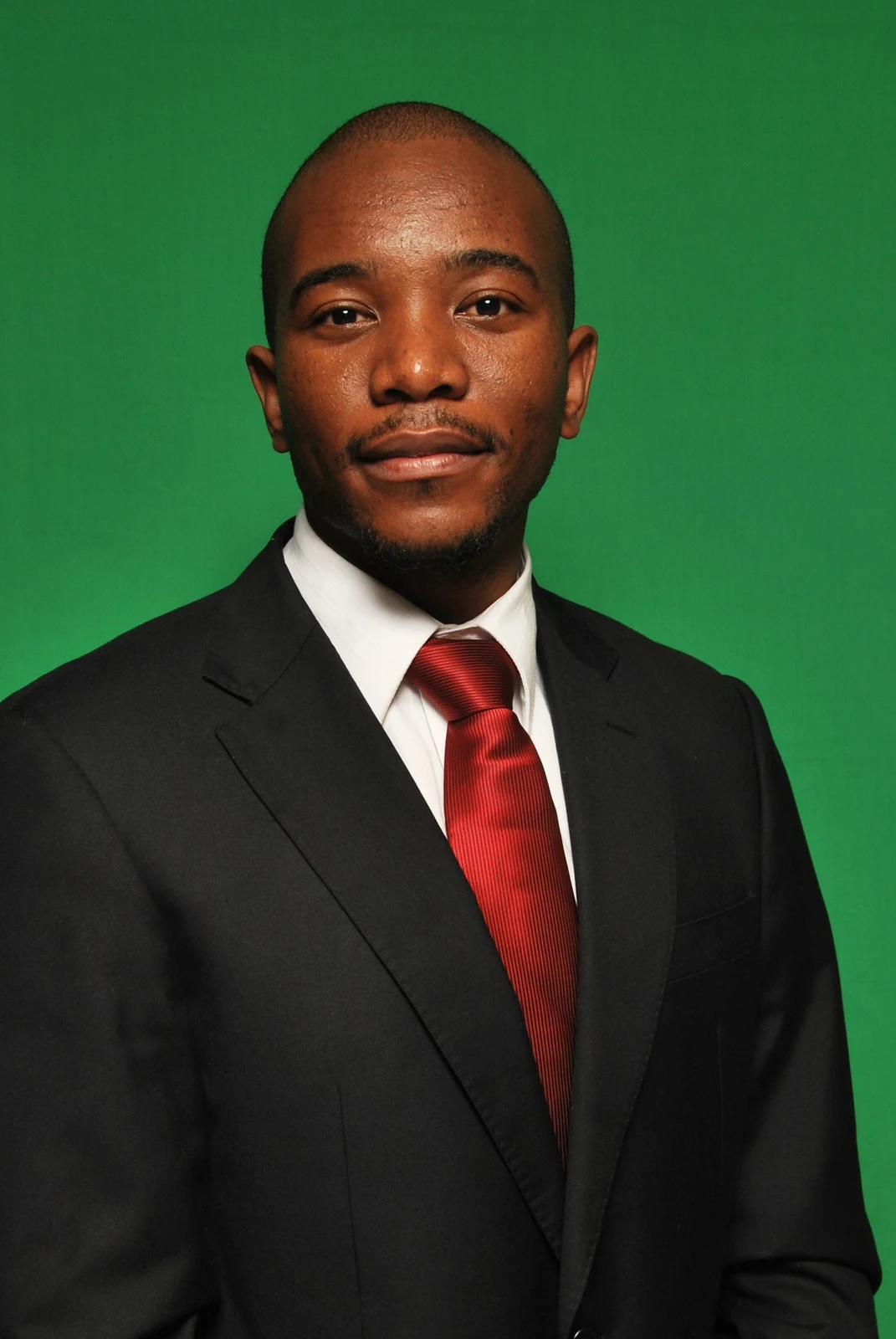
- Mmusi Maimane
Read about her successor as DA leader and his subsequent departure and new party.
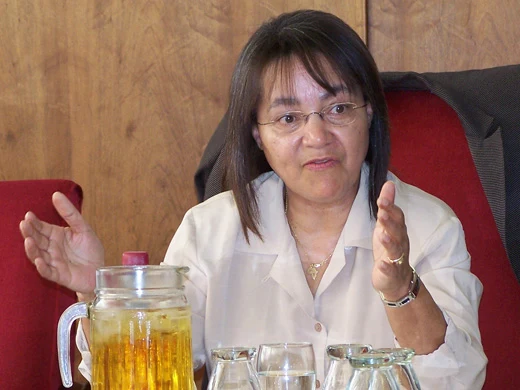
- Patricia de Lille
Compare another Cape Town mayor’s movement between political organisations and executive roles.
- Helen Suzman
Explore an earlier liberal opposition career under apartheid.
- Thandi Modise
Compare a different route from anti-apartheid activity to provincial and parliamentary leadership.
Sources and further reading
Explore the evidence
These references support the biography and offer further reading. Official records, first-person accounts and independent reporting provide different perspectives; image records document attribution and licensing.
- 1. South African History OnlineHelen Zille: selected birth, schooling and early political chronology
- 2. Helen Suzman Foundation / FocusFourth quarter 1999 interview: family, journalism, activism and education
- 3. South African GovernmentHelen Zille: historical qualifications, party leadership and premiership
Historical offices and qualifications; its erroneous 2007 mayoral start is replaced by contemporary March 2006 reporting.
- 4. Western Cape Provincial Gazette / SAFLII2000 gazette: selected indexed declaration naming Otta Helene Zille
- 5. Sapa and I-Net Bridge / Mail & Guardian15 March 2006: separate elections for Cape Town council offices
- 6. Michael Woldemariam / Princeton Innovations for Successful SocietiesJuly 2011 municipal-turnaround case: abstract and interview-method description
- 7. City of Cape Town2006/07 annual report: selected indexed mayoral foreword
- 8. Deutsche Welle13 June 2017: party consequences and Zille’s apology
- 9. Supreme Court of Appeal / SAFLII7 February 2022: selected order and background in the colonialism-tweets appeal
Selected indexed background and order, with the official media summary; not a complete litigation-history claim.
- 10. Supreme Court of Appeal7 February 2022: official media summary of the appeal decision
- 11. Democratic AllianceNational leadership roster: Ashor Sarupen as Federal Council chairperson
- 12. Sowetan12 April 2026: completed national leadership elections
- 13. eNCA26 February 2026: Zille explains plan to leave Federal Council chairmanship
- 14. Helen Zille / Democratic Alliance20 September 2025: acceptance of the Johannesburg mayoral candidacy
- 15. Centre for Development and Enterprise2 October 2026: Johannesburg mayoral-candidate conversation announcement
Dated candidate identification, not the linked webinar or an election outcome.
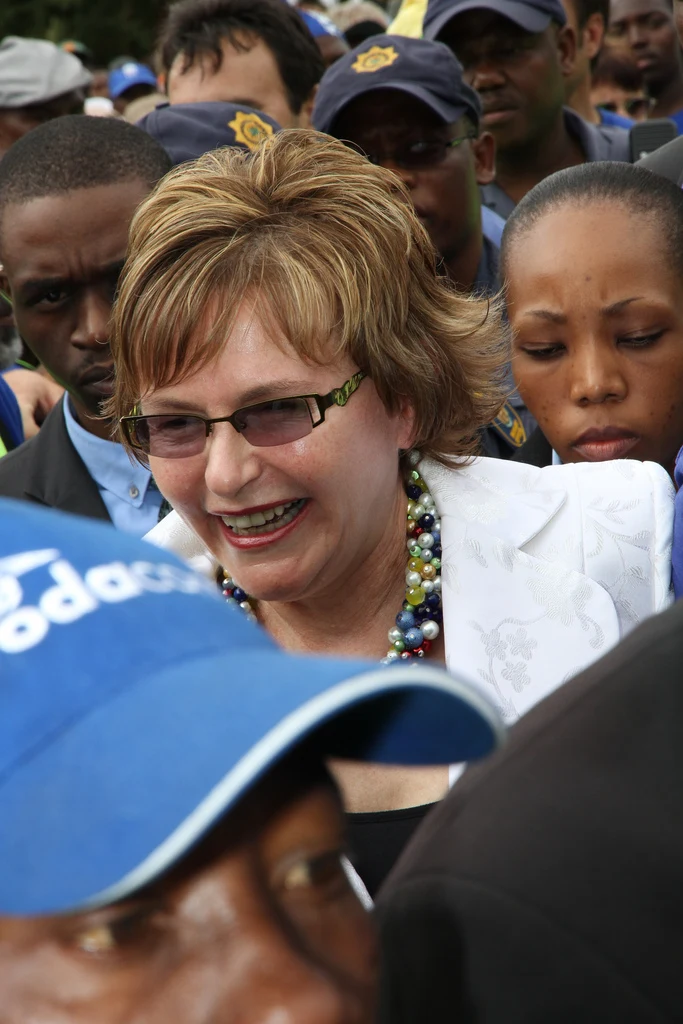
- 16. The Democratic Alliance / Wikimedia CommonsHelen Zille at Mamelodi, April 2011: original photograph and rights history
- 17. The Democratic Alliance / FlickrFreedom Day Rally – Mamelodi: exact author account and CC BY-SA 2.0 grant