In this biography
Quick facts
- Born
- 30 January 1899
- Died
- 11 August 1972
- Birthplace
- Pretoria, South Africa
- Country
- South Africa
- Nationality
- Not independently established
- Known for
- Yellow fever research and the 17D vaccine
- Research field
- Virologist
- Contribution
- Yellow fever research and the 17D vaccine
Why this life matters
His career links animal models, laboratory collaboration and international public health. Understanding those stages avoids reducing vaccine development to either a prize date or an unsupported story of one person working alone.
Timeline
Key moments
Medical qualifications
Completed London training and moved to Harvard.
Rockefeller Foundation
Joined its International Health Division laboratories.
17D development
The laboratory programme produced the vaccine strain.
Nobel Prize
Recognised for discoveries concerning yellow fever.
Medicine and tropical disease
Theiler was born in Pretoria in 1899, the son of veterinary researcher Arnold Theiler and Emma Theiler. He studied at Rhodes University College and the University of Cape Town before continuing medical training in London. He qualified through St Thomas’s Hospital and the London School of Tropical Medicine in 1922.
He then moved to Harvard. His work developed in a period when investigators were revising explanations of tropical disease. A disease’s symptoms, its causal agent and the practical means of prevention were separate research questions, requiring different kinds of evidence.
Sources for this section: [1]
What changed in yellow fever research
Theiler’s work challenged the claim that yellow fever was caused by a spirochete. He also investigated the relationship between African and South American forms of the disease. The later Rockefeller historical account describes how a more workable animal model made laboratory investigation easier than reliance on rhesus monkeys alone.
These contributions preceded the eventual vaccine. Establishing a useful model did not mean that every laboratory finding immediately became a safe or effective intervention in people. The history involved further experimental evaluation and international field work.
The Rockefeller Foundation programme
In 1930 Theiler joined the Rockefeller Foundation’s International Health Division laboratories, located on the Rockefeller Institute campus. The foundation and the institute were distinct organisations. Describing the workplace accurately avoids assigning the entire programme to the later Rockefeller University by name alone.
The historical record connects the 1937 development of the 17D strain with subsequent field testing in Brazil. Other researchers, institutions and testing programmes contributed. This account describes the historical achievement without reproducing methods for growing, modifying or handling the virus.
Recognition and historical perspective
The 1951 Nobel Prize in Physiology or Medicine recognised Theiler’s discoveries concerning yellow fever and how to combat it. His Nobel biography also records his appointment as director of the foundation’s virus laboratories that year. He died in 1972.
The vaccine story is an example of a research chain: a changing account of a disease, a model for investigating it, laboratory development and evaluation beyond the laboratory. Historical descriptions of a vaccine are not current individual medical guidance; suitability and clinical recommendations require up-to-date health authorities.
Quick answers
Frequently asked questions about Max Theiler
- What did Max Theiler win the Nobel Prize for?
- The 1951 Medicine prize recognised his discoveries concerning yellow fever and how to combat it.
- Was Theiler’s workplace the Rockefeller Foundation or the university?
- His 1930 appointment was to the Rockefeller Foundation’s International Health Division; its laboratories were on the Rockefeller Institute campus.
Keep exploring
Lives connected to this story
- Tebello Nyokong
Compare the research questions, methods and institutional settings; shared archive placement does not imply collaboration.
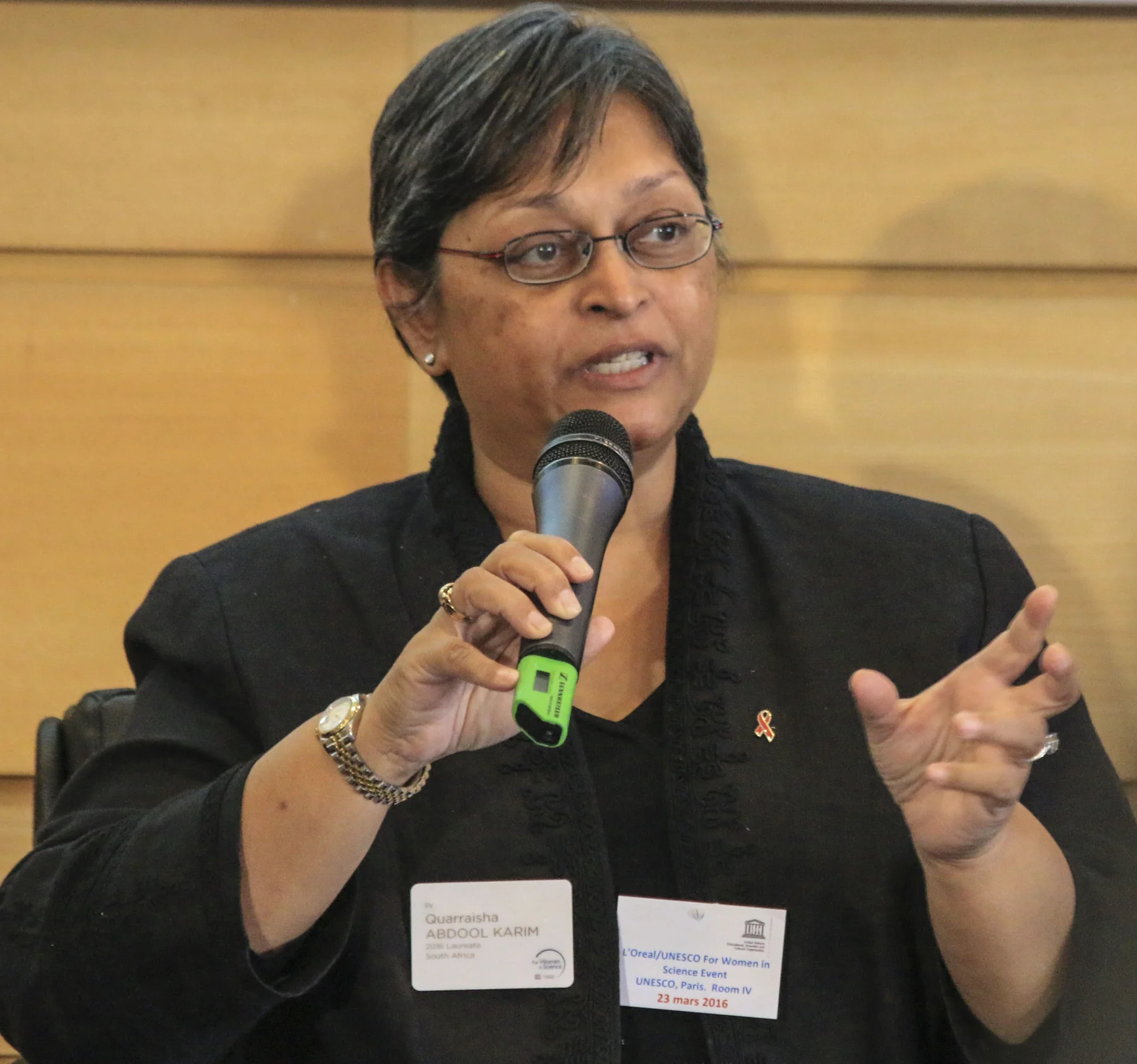
- Quarraisha Abdool Karim
Compare the research questions, methods and institutional settings; shared archive placement does not imply collaboration.
Sources and further reading
Explore the evidence
These references support the biography and offer further reading. Official records, first-person accounts and independent reporting provide different perspectives; image records document attribution and licensing.
- 1. Nobel PrizeBiographical record
The Rockefeller Foundation laboratory appointment is distinguished from the institute campus on which the laboratory was situated.
- 2. Elizabeth Hanson; Rockefeller University, 2021Developing a novel vaccine against yellow fever
A retrospective institutional history was read. No current clinical recommendation or pathogen-handling procedure is adopted.