In this biography
Quick facts
- Born
- 1981
- Birthplace
- Eastern Cape, South Africa
- Country
- South Africa
- Nationality
- Not independently established
- Known for
- Freshlyground, Waka Waka and the solo project The One Who Sings
- Other performing name
- The One Who Sings
- Early training
- Drama at the University of Cape Town
- Television character
- Boniswa in Tsha Tsha
- World Cup collaboration
- Shakira featuring Freshlyground, 2010
- Solo album
- Thetha Mama, 2021
Why this life matters
Her career connects South African ensemble music, international pop collaboration and autobiographical performance, with different creative responsibilities in each setting.
Timeline
Key moments
Eastern Cape beginnings
Her early life is associated with New Brighton, Port Elizabeth.
Cape Town drama study
A contemporary interview records the move and university study.
Freshlyground
She becomes the band’s lead singer.
Waka Waka
The group features with Shakira on the official World Cup song.
Personal theatre
The One Who Sings is staged; a musical/music-theatre acting award follows.
Thetha Mama
Her solo album is released on 12 November.
Drama and an Eastern Cape upbringing came before the famous band
Born in 1981 in South Africa’s Eastern Cape, Zolani Mahola grew up in the Port Elizabeth area. A 2004 interview identifies New Brighton as home and dates her move to Cape Town to 2000 to study drama at the University of Cape Town. Those are upbringing and study details, not a reason to infer a more precise birthplace.
She sang briefly in a student punk band and developed an Ella Fitzgerald tribute performance. Television audiences also encountered her as Boniswa in Tsha Tsha. Acting and singing were already connected parts of her working life rather than acting being a later diversion from a fully formed pop career.
Freshlyground offered an ensemble rather than a solo vehicle
Mahola became Freshlyground’s lead singer in 2002. In the early interview she described a sound shaped by the musicians around her, including flute, violin and bass. Her voice was prominent, but the band’s musical identity depended on several people and instruments.
The recording history includes Jika Jika, Nomvula and Ma’Cheri before Radio Africa, with an MTV Europe Music Award for Best African Act in 2006. In a 2018 interview Mahola described songs developing through shared jam sessions and decisions made collectively. She distinguished leading a performance from controlling every rehearsal and business decision: prominence on stage did not make Freshlyground a solo vehicle.
Waka Waka brought a collective credit to a global event
The 2010 official World Cup song is credited as Shakira featuring Freshlyground. Mahola was the group’s lead voice, not the sole artist behind the recording. Sony’s album announcement also distinguished this official song from the tournament’s separately designated official anthem.
A contemporary government news report records Shakira and Freshlyground performing Waka Waka at Johannesburg’s closing ceremony on 11 July. The performance documents a particular collaboration at a major event. It does not by itself establish every instrumental, writing or financial contribution to the recorded song.
A personal stage work changed the focus of the storytelling
The One Who Sings brought Mahola’s own experiences into autobiographical theatre in 2019. Daily Maverick’s contemporary account describes the short Baxter Theatre run and its intimate approach. Personal storytelling was the subject of a staged work, not a claim that every scene should be read as an independently verified life record.
The following year’s Fleur du Cap list names her as the winner for lead actress in a musical or music-theatre show. That exact category matters: it is an acting recognition, not an award for a recording or a generic claim that she won every theatre category.
Thetha Mama established a different recording chapter
Thetha Mama appeared on 12 November 2021. The release record identifies nine songs; management describes a mix of Xhosa vocals, folk storytelling and electronic elements. These sources document the project’s framing without requiring every listener to hear it in the same way.
JB Arthur’s account acknowledges production alongside other producers, while the 2026 Durban FilmMart profile continues to identify Mahola across singing, acting and storytelling. This is a selected career account, not a claim that an older management biography supplies a complete current discography or that an announced film has necessarily reached release.
Quick answers
Frequently asked questions about Zolani Mahola
- Was Zolani Mahola a solo artist on Waka Waka?
- The record credits Shakira featuring Freshlyground, the band Mahola fronted.
- What is The One Who Sings?
- A name associated with her solo work and her autobiographical theatre project.
- When was Thetha Mama released?
- The reviewed release record dates it to 12 November 2021.
- Did she act before her solo career?
- Yes. Her early work includes drama study and Boniswa in Tsha Tsha.
Keep exploring
Lives connected to this story
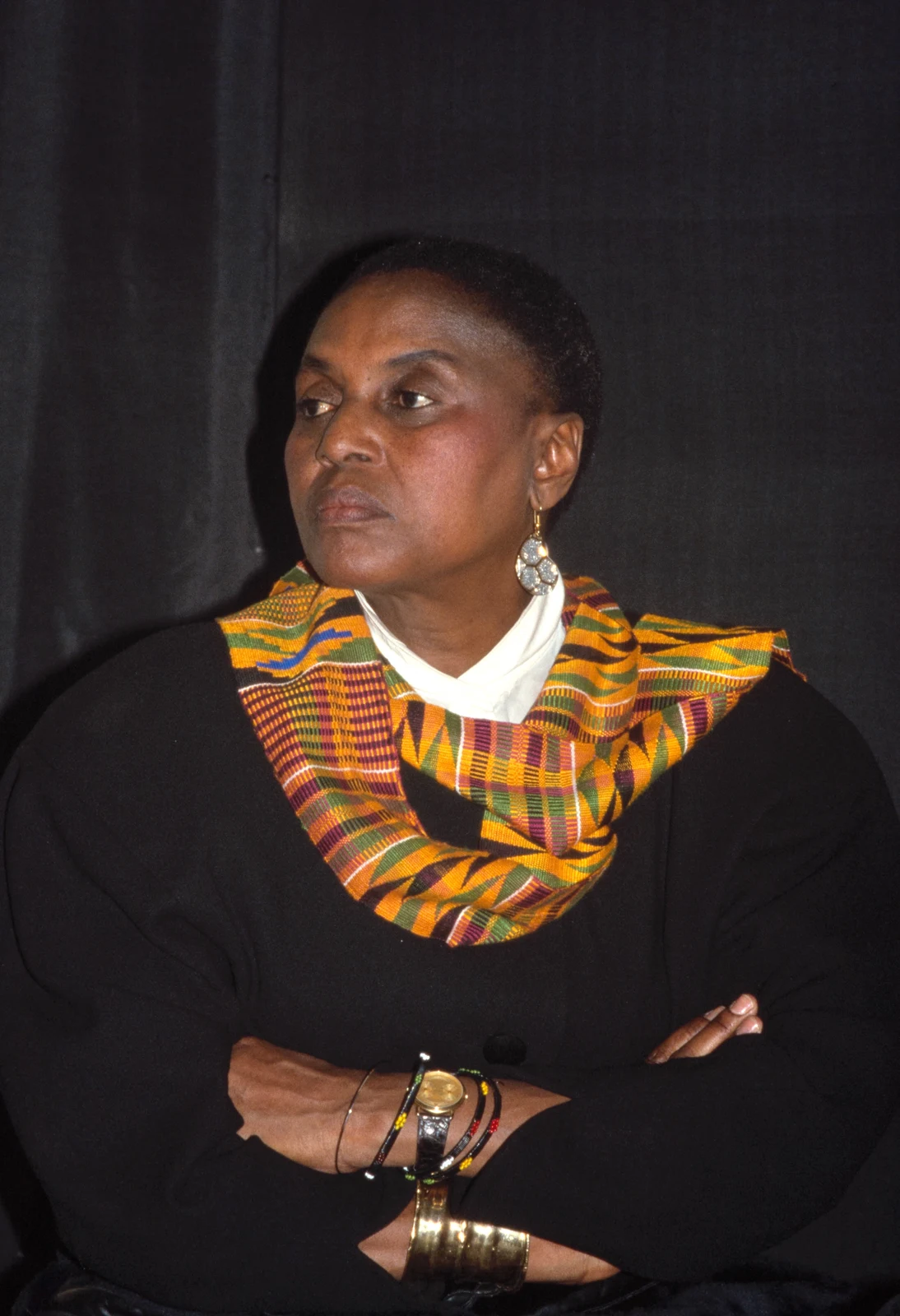
- Miriam Makeba
Explore an earlier South African singer’s international stage career.
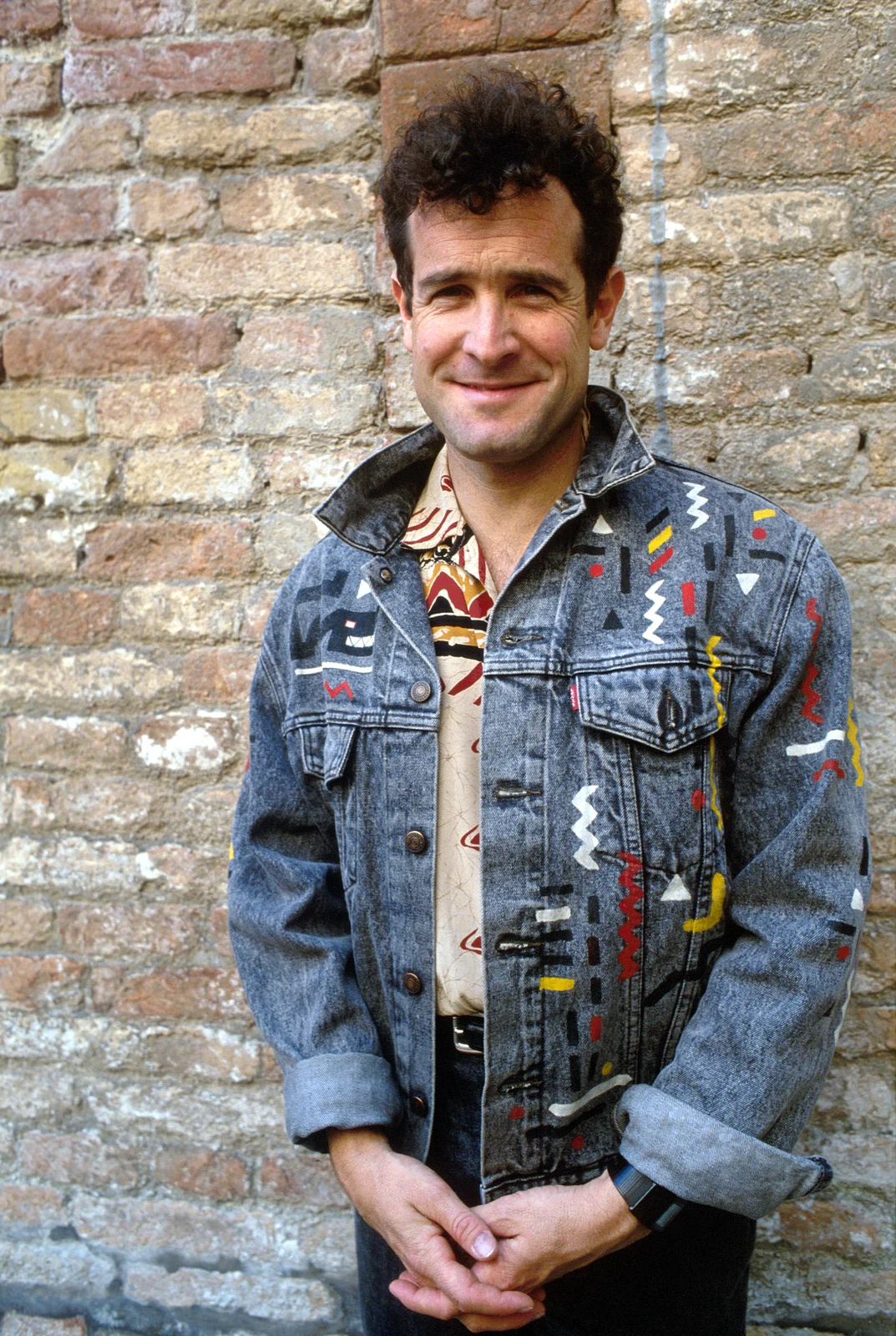
- Johnny Clegg
Compare another collaborative band’s relationship with South African musical identity.
- Nakhane
Read another performer’s work across music, acting and personal storytelling.
Sources and further reading
Explore the evidence
These references support the biography and offer further reading. Official records, first-person accounts and independent reporting provide different perspectives; image records document attribution and licensing.
- 1. IOL4 March 2004 — Freshly ground, and full of beans: contemporary Mahola interview and early acting
- 2. TVSAZolani Mahola — indexed birth and television record; direct request timed out
Indexed record read after a direct timeout. Only the Eastern Cape birthplace region is used; New Brighton upbringing is not substituted for birth.
- 3. Arte Viva ManagementThe One Who Sings — artist profile, selected recording and collaboration history
Artist-management claims are distinguished from independent assessment; historical schedules and promotional superlatives are not current guarantees.
- 4. Ano Shumba / Music In Africa3 October 2018 — Mahola’s first-person account of band decisions, rehearsal and stage leadership
- 5. Epic Records / Sony Music24 May 2010 — Listen Up! announcement and distinct official song, anthem and mascot-song credits
- 6. South African Government News Agency11 July 2010 — Closing Ceremony dazzles: contemporaneous event report
- 7. Daily Maverick13 December 2019 — indexed account of Mahola’s autobiographical Baxter show; direct access 403
- 8. Ano Shumba / Music In Africa21 May 2020 — exact Fleur du Cap lead-actress musical/music-theatre award category
- 9. Apple MusicThetha Mama — 12 November 2021 release metadata; no audio consumed
- 10. JB ArthurThetha Mama — producer’s indexed account of shared production and 2022 album recognition
- 11. Durban FilmMart InstituteZolani Mahola — indexed 2026 participant profile, not proof of a film’s completed release
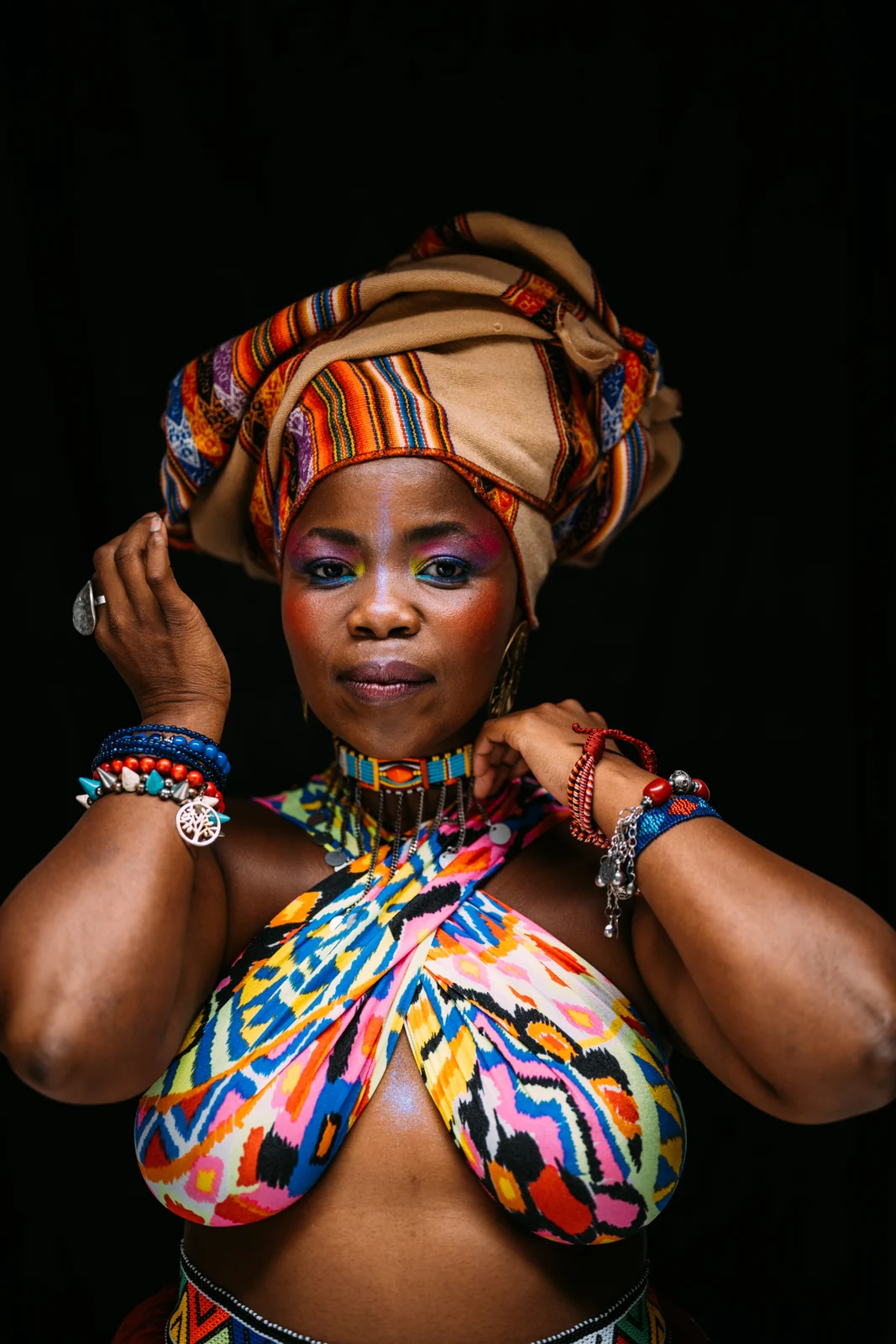
- 12. Nkosi.makgotso / Wikimedia CommonsZolani Mahola, 18 February 2023 — named uploader’s own-work CC0 dedication