In this biography
Quick facts
- Born
- 10 May 1954
- Birthplace
- Johannesburg, South Africa
- Country
- South Africa
- Nationality
- Not independently established
- Known for
- Housing and human-settlements policy, successive cabinet portfolios and contested public interventions
- Full name
- Lindiwe Nonceba Sisulu
- Parents
- Walter Sisulu and Albertina Sisulu
- Housing minister
- 2004–2009
- International relations
- 2018–2019
- Tourism minister
- 2021–March 2023
- Parliamentary departure
- March 2023
Why this life matters
Her career connects liberation politics with the practical demands of governing: land, services, institutions and cabinet responsibility. Assessing it requires separating policy intentions from implementation and preserving disagreement over controversial statements rather than adopting one participant’s account.
Timeline
Key moments
Family, schooling and detention
Born in Johannesburg, she attends school in Swaziland and experiences apartheid-era detention.
Exile and education
MK involvement accompanies teaching and later history-related postgraduate study at York.
Return and democratic office
ANC administration and transition work precede Parliament, deputy home affairs and the intelligence ministry.
Housing and other ministries
Housing is followed by defence, public service and a return to human settlements.
Later cabinet portfolios
Foreign affairs, human settlements and water, and tourism bring different responsibilities.
Controversy and departure
A dispute over judiciary comments precedes the end of her cabinet and parliamentary service.
Family history was inseparable from apartheid politics
Lindiwe Nonceba Sisulu was born in Johannesburg on 10 May 1954, the daughter of Walter and Albertina Sisulu. Schooling in Swaziland placed part of her upbringing outside South Africa, while her family’s political commitments and repression shaped the circumstances around her.
She experienced detention in the mid-1970s before going into exile. Historical accounts describe detention without trial and her account of ill-treatment. This was a formative experience, but her subsequent career also involved education and professional work rather than only a direct passage from activism to cabinet.
Exile combined political work, teaching and study
Sisulu joined Umkhonto we Sizwe and received intelligence training during exile. She also taught in Swaziland and worked in journalism. Studies there were followed by postgraduate history qualifications at the University of York in 1989.
After returning to South Africa in 1990, she worked in ANC administration and the transition process, including administrative work connected with CODESA. These roles brought her into the organisational work surrounding negotiations. She entered the democratic Parliament in 1994 and became deputy home affairs minister in 1996, before heading the intelligence ministry in 2001.
Housing was a recurring responsibility, not a completed personal project
As housing minister from 2004 to 2009, Sisulu was associated with Breaking New Ground, the government’s plan to move beyond counting houses towards more integrated settlements. Its ambitions included informal-settlement upgrading and better connections between housing, services and opportunity. The plan belonged to a wider governmental system, not one minister acting alone.
She subsequently held defence and public-service portfolios before returning to human settlements in 2014. International relations followed in 2018–2019, then human settlements and water, and finally tourism from 2021 until March 2023. These were separate appointments with different institutional responsibilities.
Her judiciary intervention produced an unresolved public clash
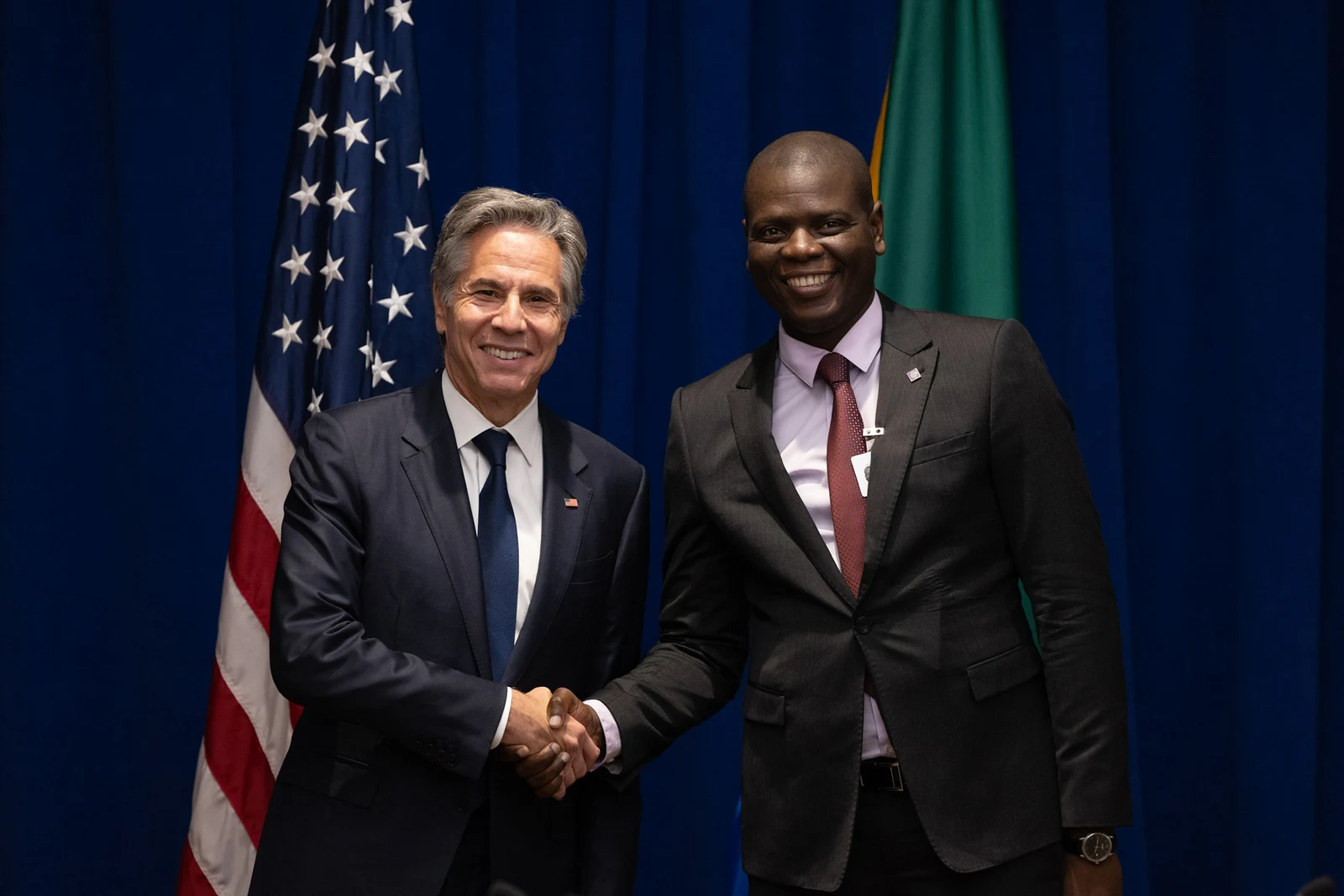
A January 2022 article criticising the judiciary provoked strong objections. Acting Chief Justice Raymond Zondo criticised her treatment of judges at a media briefing. That response was a public institutional intervention, not a court judgment on a criminal charge.
The Presidency subsequently said Sisulu had retracted remarks and apologised after meeting President Cyril Ramaphosa. Sisulu disputed that account, saying the statement misrepresented the meeting and distancing herself from it. The disagreement is material to her record. Reporting an apology as an uncontested fact would erase her denial; presenting the denial alone would erase the Presidency’s contrary account.
Leaving Parliament ended a long period of executive service
Sisulu’s tourism tenure ended in the March 2023 cabinet reshuffle. She then resigned as an MP. Contemporary reporting quoted confirmation from parliamentary and ANC spokespeople, while the National Assembly’s subsequent membership notice recorded the replacement process. Her parliamentary service had begun in 1994.
Her foreign-affairs work also left an institutional trail: Richard Calland, who chaired a task team she appointed in 2019, later discussed its review of diplomatic professionalism. His 2026 account identifies her as a former minister. At this article’s October 2026 review, she is therefore described through completed cabinet and parliamentary service, not the stale present-tense MP wording retained in older profiles.
Quick answers
Frequently asked questions about Lindiwe Sisulu
- Is Lindiwe Sisulu still a cabinet minister or MP?
- Her cabinet service ended in March 2023, when she also resigned from Parliament.
- Was Breaking New Ground only a house-building target?
- No. The policy sought a broader approach to integrated human settlements.
- Did she accept the Presidency’s account of an apology?
- No. She publicly disputed that account in January 2022.
- Was Walter Sisulu her father?
- Yes. Her parents were Walter and Albertina Sisulu.
Keep exploring
Lives connected to this story
- Walter Sisulu
Read about her father’s organising, imprisonment and role in liberation politics.
- Nelson Mandela
Place the 1994 transition and her first parliamentary term in their wider context.
- Naledi Pandor
Compare another minister’s education, science and foreign-affairs trajectory.
- Cyril Ramaphosa
Read about the presidency involved in the contested 2022 public exchange.
Sources and further reading
Explore the evidence
These references support the biography and offer further reading. Official records, first-person accounts and independent reporting provide different perspectives; image records document attribution and licensing.
- 1. South African History OnlineLindiwe Nonceba Sisulu: selected family, detention, exile and education history
Selected historical passages; conflicting precise detention dates and an erroneous university-location description are not reproduced.
- 2. South African GovernmentLindiwe Nonceba Sisulu: dated ministerial tenures and historical qualifications
Dated past appointments and qualifications only. Its continuing-MP wording is superseded by the March 2023 departure record.
- 3. Ndivhuwo Mabaya / Department of Human Settlements2015 response: the department’s explanation of the 2004 policy shift
- 4. South African Cities NetworkFrom Housing to Human Settlements, 2014: publication introduction only
- 5. Zoleka Qodashe / SABC News12 January 2022: acting chief justice’s criticism at a media briefing
- 6. The Presidency / South African Government21 January 2022: the Presidency’s account of the judiciary-article dispute
Read with Sisulu’s reported denial. Neither political statement is treated as an adjudicated finding.
- 7. SABC News20 January 2022: Sisulu disputes the Presidency’s account
- 8. Business Day15 March 2023: resignation as an MP confirmed by parliamentary and ANC spokespeople
- 9. Parliament of South Africa22 March 2023 minutes: opening membership and replacement notice
- 10. Richard Calland / Business Day29 July 2026: selected account of Sisulu’s 2019 diplomatic-review task team
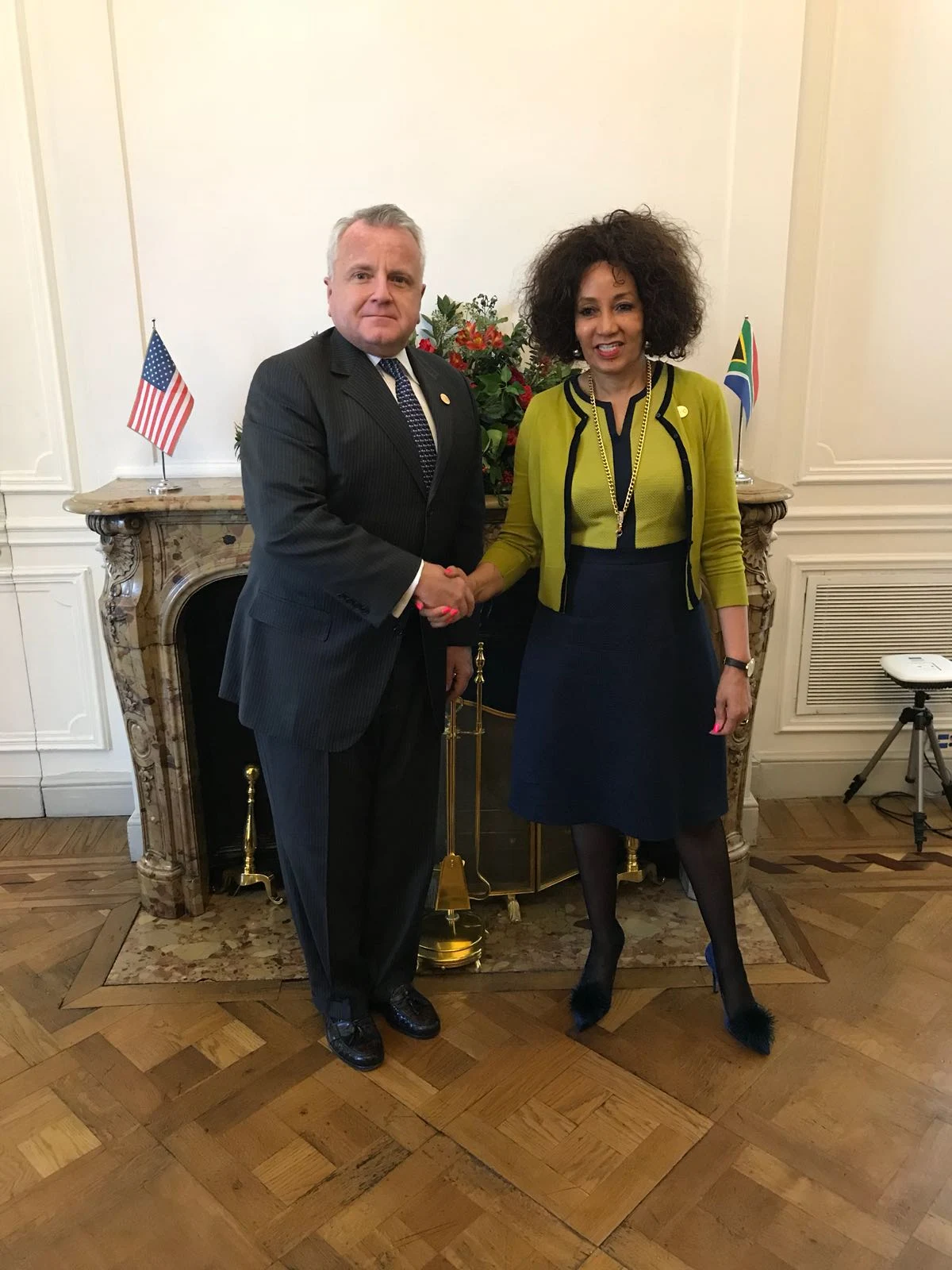
- 11. US Department of State / Wikimedia CommonsJohn Sullivan with Lindiwe Sisulu in Buenos Aires, 21 May 2018: complete photograph
- 12. US Department of State / FlickrOriginal official-duty caption with explicit public-domain designation