Collection · Myanmar

1947—2021 · Independence · Military rule · Democracy

Myanmar Political Leaders

Compare six Myanmar political figures across independence, Panglong, parliamentary government, military rule, democracy and global diplomacy.

Why these lives

Myanmar’s modern political order emerged from an independence coalition and federal bargain, then repeatedly shifted between parliamentary government, military command and restricted civilian rule. These six lives reveal both the institutions and the unresolved conflicts behind those changes.

  1. 01

    Independence and union

    Aung San and Sao Shwe Thaik connect British withdrawal to Panglong and the contested foundations of a federal state.

  2. 02

    Parliamentary government

    U Nu led the first civilian governments through civil war, non-alignment and arguments over religion and autonomy.

  3. 03

    Military state

    Ne Win’s 1962 coup built a one-party system whose coercive and economic institutions endured beyond 1988.

  4. 04

    International and democratic claims

    U Thant represented postcolonial diplomacy, while Aung San Suu Kyi’s career spans resistance, office and a deeply contested legacy.

6 sourced biographies

Meet the people behind the milestones

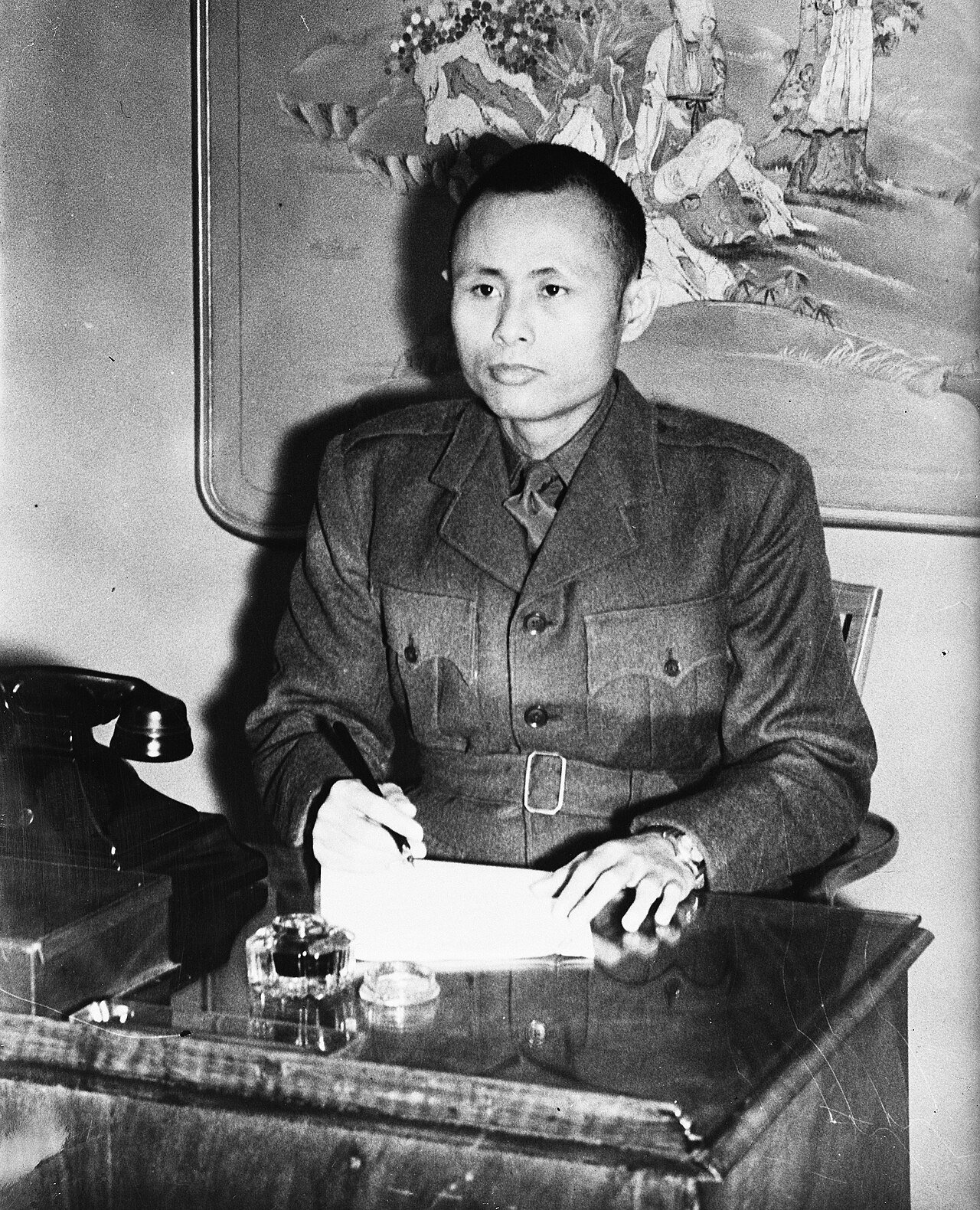
Aung San photographed in London in January 1947Myanmar · Politics

1915—1947

Aung San

Independence leader and architect of modern BurmaThe nationalist organiser and military leader who negotiated Burma’s route to independence but was assassinated before sovereignty arrived.Read biography
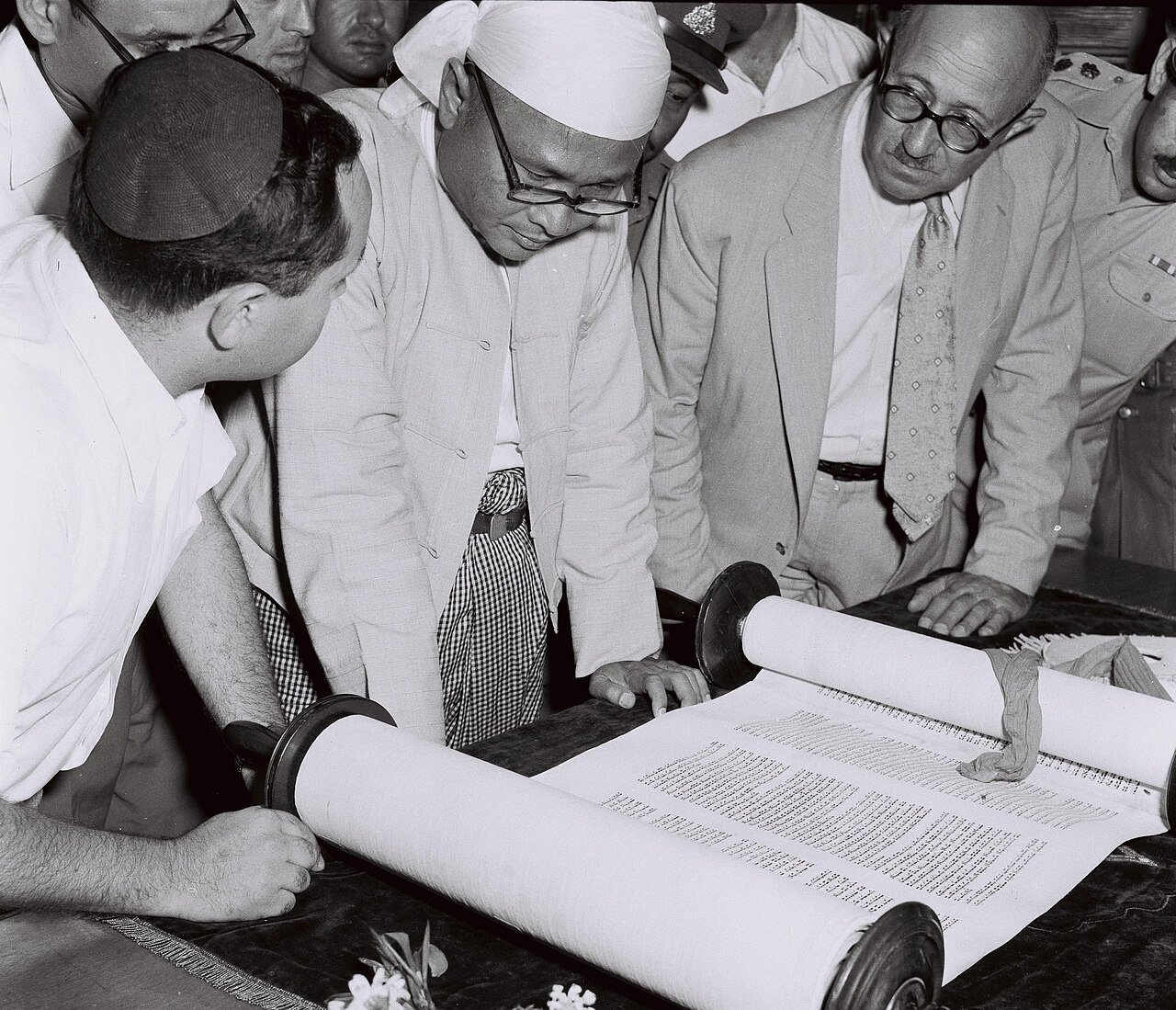
Prime Minister U Nu during a 1955 visit to IsraelMyanmar · Politics

1907—1995

U Nu

First prime minister of independent BurmaThe writer, student activist and AFPFL politician who became independent Burma’s first prime minister and the central civilian leader of its parliamentary era.Read biography
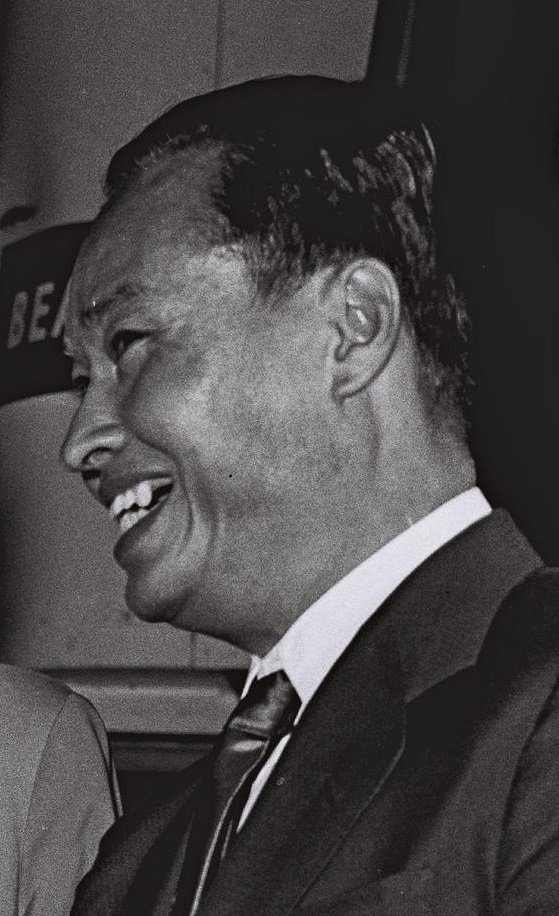
General Ne Win during a 1959 visit to IsraelMyanmar · Politics

c. 1910—2002

Ne Win

Military ruler of Burma from 1962 to 1988The general who overthrew U Nu, nationalised much of the economy and built a one-party military state that lasted until the 1988 uprising.Read biography
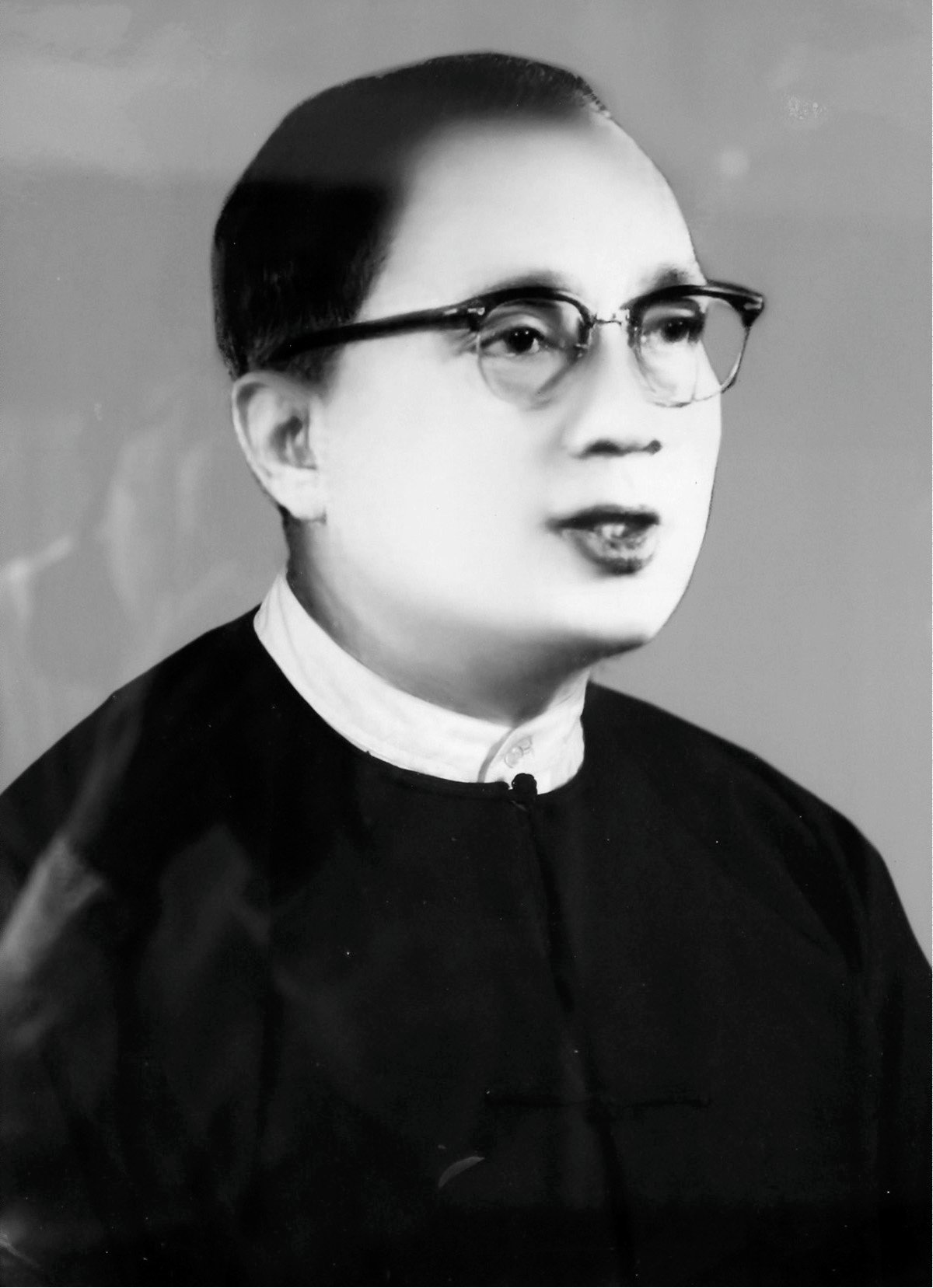
U Thant as Burma’s director of broadcasting in 1948Myanmar · Politics

1909—1974

U Thant

Third secretary-general of the United NationsThe teacher and Burmese diplomat who became the first non-European UN secretary-general and led the organisation from 1961 through 1971.Read biography
Aung San Suu Kyi at her Rangoon home in 2011Myanmar · Politics

1945—

Aung San Suu Kyi

Nobel laureate and former state counsellor of MyanmarThe opposition leader who spent years under house arrest, led the NLD to electoral victories and later governed through the office of state counsellor.Read biography
Sao Shwe Thaik at Burma’s independence in 1948Myanmar · Politics

1895—1962

Sao Shwe Thaik

First president of the Union of BurmaThe saopha of Yawnghwe who helped bring Shan participation into the Panglong settlement and became the independent union’s first head of state.Read biography

Quick answers

Myanmar Political Leaders FAQs

Who led Burma to independence?
Aung San led the decisive 1947 negotiations, but he was assassinated before Burma became independent on 4 January 1948.
Who was the first president of Burma?
Sao Shwe Thaik, the saopha of Yawnghwe, served as the Union of Burma’s first president from 1948 to 1952.
Who was Burma’s first prime minister?
U Nu headed the first independent government and served three periods as prime minister before the 1962 coup.
Who introduced the Burmese Way to Socialism?
General Ne Win’s Revolutionary Council announced the programme after seizing power in March 1962.
Which person from Myanmar led the United Nations?
U Thant served as the third UN secretary-general from 1961 through 1971.

Research sources

How the milestones were checked

Institutional records, official organisations and specialist archives support this collection. Individual biographies provide event-level citations and image licensing. Last reviewed 9 September 2026.

  1. United Nations PeacemakerPanglong Agreement
  2. Office of the Historian, U.S. Department of StateThe 1962 coup in Burma
  3. United NationsU Thant — former Secretary-General