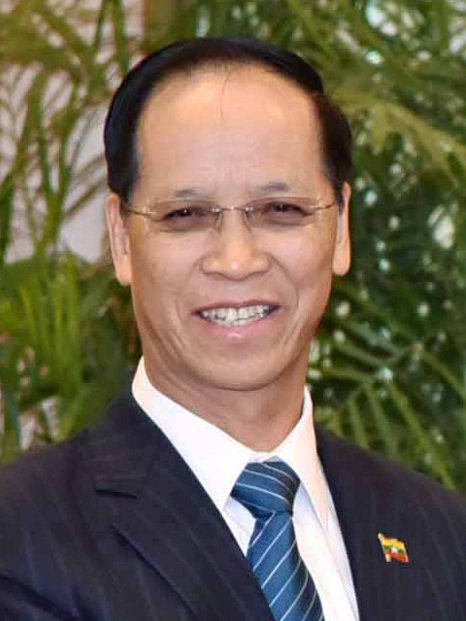
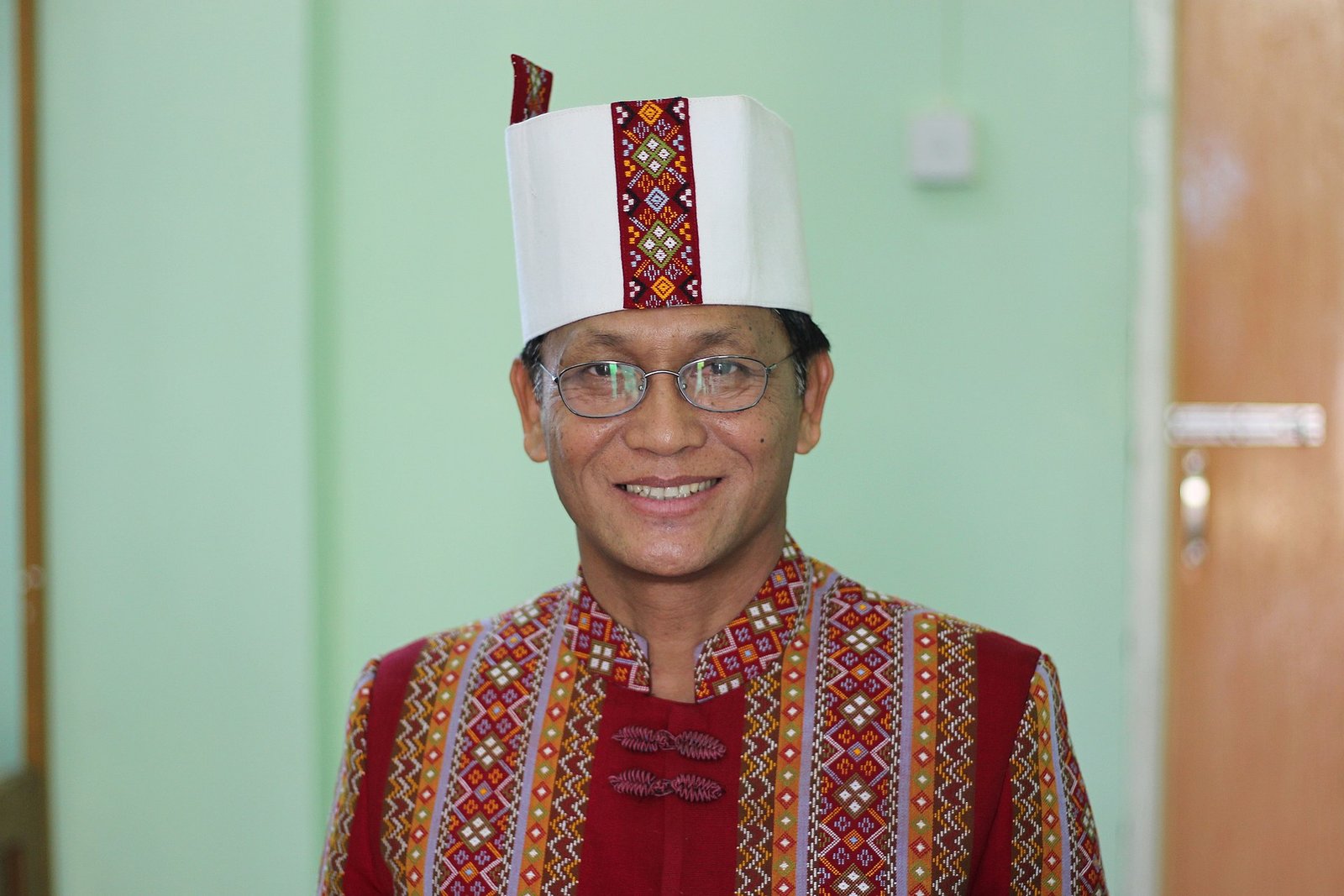
In this biography
Quick facts
- Born
- 9 August 1958
- Birthplace
- Thee Khi village, Thantlang Township, Chin State, Burma
- Country
- Myanmar
- Nationality
- Burmese
- Known for
- Becoming the first ethnic Chin and first Christian to hold Myanmar’s vice presidency after the 2015 election
- Ethnic community
- Chin
- Military rank
- Major before retirement in 2009
- Upper-house seat
- Chin State No. 3 · 2015
- Second vice president
- 30 March 2016–22 April 2024
Why this life matters
Henry Van Thio embodied the NLD’s attempt to give the post-election executive ethnic representation, then became a contested constitutional holdover after the 2021 coup.
Timeline
Key moments
Born in Chin State
Born on 9 August in Thantlang Township.
Retired from public service
Ended a career that included army service to major and posts in the Ministry of Industry.
Won a national upper-house seat
Represented the NLD in Chin State No. 3 during its landslide election victory.
Selected as second vice president
Received 79 votes in the presidential electoral college after nomination by the upper house.
Took office in the elected government
Was sworn in alongside President Htin Kyaw and First Vice President Myint Swe.
Remained a nominal office-holder after the coup
Was rarely seen publicly, later attended a security-council meeting and retired for health reasons.
A Chin Christian, army officer and civil servant
Henry Van Thio was born in Thee Khi village in the mountainous Chin State in 1958. He studied geography and law, entered government service and rose to the rank of major in the Myanmar Army. He later held positions in the Ministry of Industry before retiring in 2009. The combination of military experience, civilian administration and minority identity distinguished him from the NLD’s better-known democracy activists.
He is an ethnic Chin and a Christian in a country whose national leadership had been overwhelmingly Bamar and Buddhist. That background did not make him a long-established ethnic-party leader: he joined the National League for Democracy shortly before the 2015 election. His political importance came through the constitutional route that reserved one presidential nominee for each elected parliamentary chamber and another for the appointed military bloc.
From a first parliamentary campaign to the vice presidency
Henry Van Thio won the Chin State No. 3 constituency in the Amyotha Hluttaw, the national upper house, on 8 November 2015. The NLD secured 135 of the 168 elected upper-house seats and 255 of 330 elected lower-house seats, giving it the parliamentary strength to dominate both civilian presidential nominations despite the military’s reserved quarter of the legislature.
The NLD nominated Htin Kyaw through the lower house and Henry Van Thio through the upper house. On 15 March 2016 the combined electoral college gave Htin Kyaw 360 votes, military nominee Myint Swe 213 and Henry Van Thio 79. Under the Constitution, the highest total produced the president and the other two candidates became vice presidents. He took office on 30 March as the first Chin and first Christian to reach the vice presidency.
Representation inside a constrained civilian government
The vice presidency carried constitutional visibility but limited independent policy power. Aung San Suu Kyi led the elected administration as State Counsellor, Htin Kyaw and later Win Myint held the presidency, and the military retained control of the defence, home and border-affairs ministries. Henry Van Thio represented the government at ceremonies, chaired committees and travelled to inspect development and disaster-response work, including projects in Chin State.
His appointment nonetheless carried symbolic weight. Chin communities had long experienced conflict, poverty and weak infrastructure, while ethnic minorities had demanded a federal settlement since independence. A Chin vice president did not resolve those disputes or make the executive fully representative, but it placed a minority Christian official within a national leadership structure that had rarely reflected Myanmar’s diversity.
The coup, constitutional ambiguity and retirement
The military detained President Win Myint, Aung San Suu Kyi and many elected leaders on 1 February 2021. Henry Van Thio was not installed as acting president and largely disappeared from public life. First Vice President Myint Swe instead participated in the disputed emergency procedure used to transfer power to Min Aung Hlaing. Henry Van Thio remained nominally attached to the office created by the overthrown constitutional government.
He attended a National Defence and Security Council meeting in July 2023 after earlier absences attributed to ill health. The NLD said it expelled him following that appearance. State media announced on 22 April 2024 that he had retired for health reasons. His post-coup status shows how the junta preserved selected constitutional titles while preventing the elected parliament and government from exercising their mandates.
Quick answers
Frequently asked questions about Henry Van Thio
- Who is Henry Van Thio?
- Henry Van Thio is a second vice president of Myanmar from 2016 to 2024. Henry Van Thio embodied the NLD’s attempt to give the post-election executive ethnic representation, then became a contested constitutional holdover after the 2021 coup.
- What is Henry Van Thio best known for?
- Henry Van Thio is best known for becoming the first ethnic Chin and first Christian to hold Myanmar’s vice presidency after the 2015 election.
- When and where was Henry Van Thio born?
- Henry Van Thio was born on 9 August 1958 in Thee Khi village, Thantlang Township, Chin State, Burma.
Sources and further reading
Explore the evidence
These references support the biography and offer further reading. Official records, first-person accounts and independent reporting provide different perspectives; image records document attribution and licensing.
- 1. The IrrawaddyThe Faces of the Next Five Years · Henry Van Thio profile
- 2. The IrrawaddyHenry Van Thio: “I Wish To Work For The Entire Country”
- 3. Congressional Research ServiceBurma’s Union Parliament Selects New President
- 4. United NationsPeaceful transfer of power marks a significant historical moment
- 5. Associated PressHenry Van Thio retires from the vice presidency
- 6. Wikimedia Commons2016 portrait and public-domain record