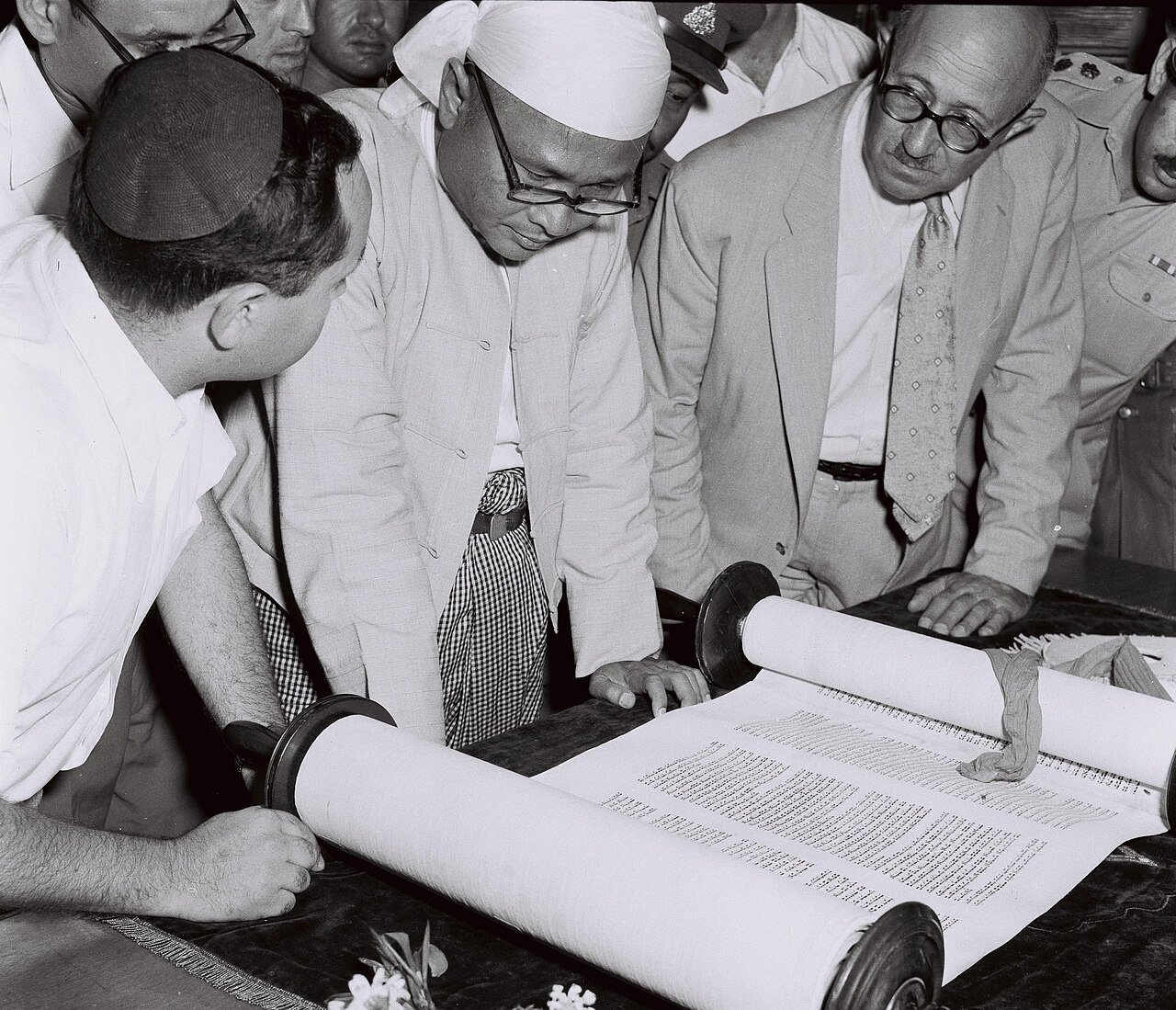
In this biography
Quick facts
- Born
- 25 May 1907
- Died
- 14 February 1995
- Birthplace
- Wakema, Myaungmya District, British Burma
- Country
- Myanmar
- Nationality
- Burmese
- Known for
- Leading parliamentary governments after independence and being overthrown in the 1962 coup
- First premiership
- 1948–1956
- Returned to office
- 1957–1958 and 1960–1962
- Political coalition
- Anti-Fascist People’s Freedom League
- Removed
- Military coup · 2 March 1962
Why this life matters
U Nu’s governments faced civil war, economic reconstruction and arguments over religion and federalism before military rule ended parliamentary government.
Timeline
Key moments
Born in Wakema
Born in the Irrawaddy delta on 25 May.
Joined the student strike
Helped organise the Rangoon University protest alongside Aung San.
Became prime minister
Led the first government of the independent Union of Burma.
Transferred power to a caretaker cabinet
Accepted a temporary military administration under General Ne Win amid an AFPFL split.
Won a return to office
His Union Party won a strong electoral mandate.
Overthrown and detained
Ne Win’s coup ended parliamentary government.
A writer in the independence movement
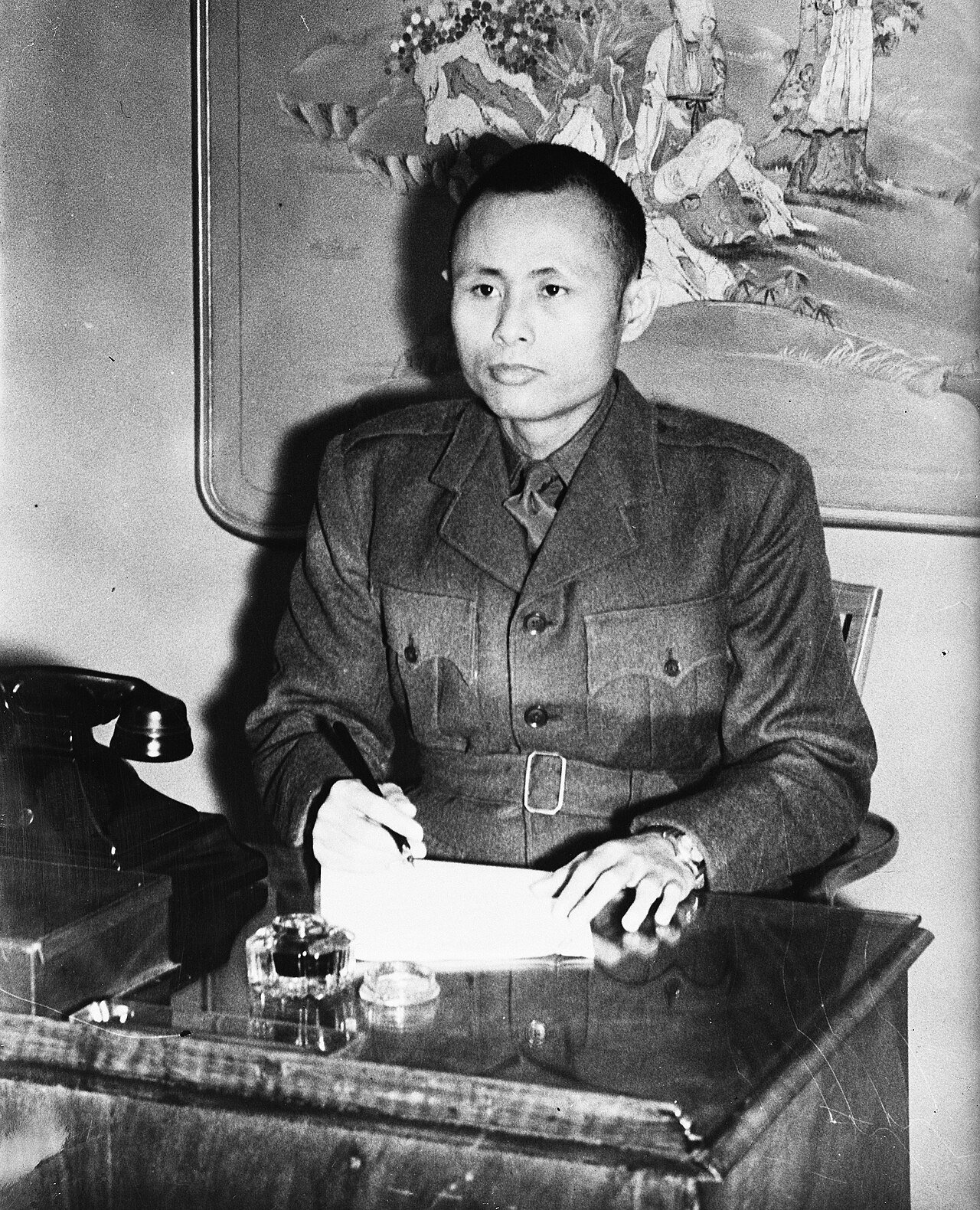
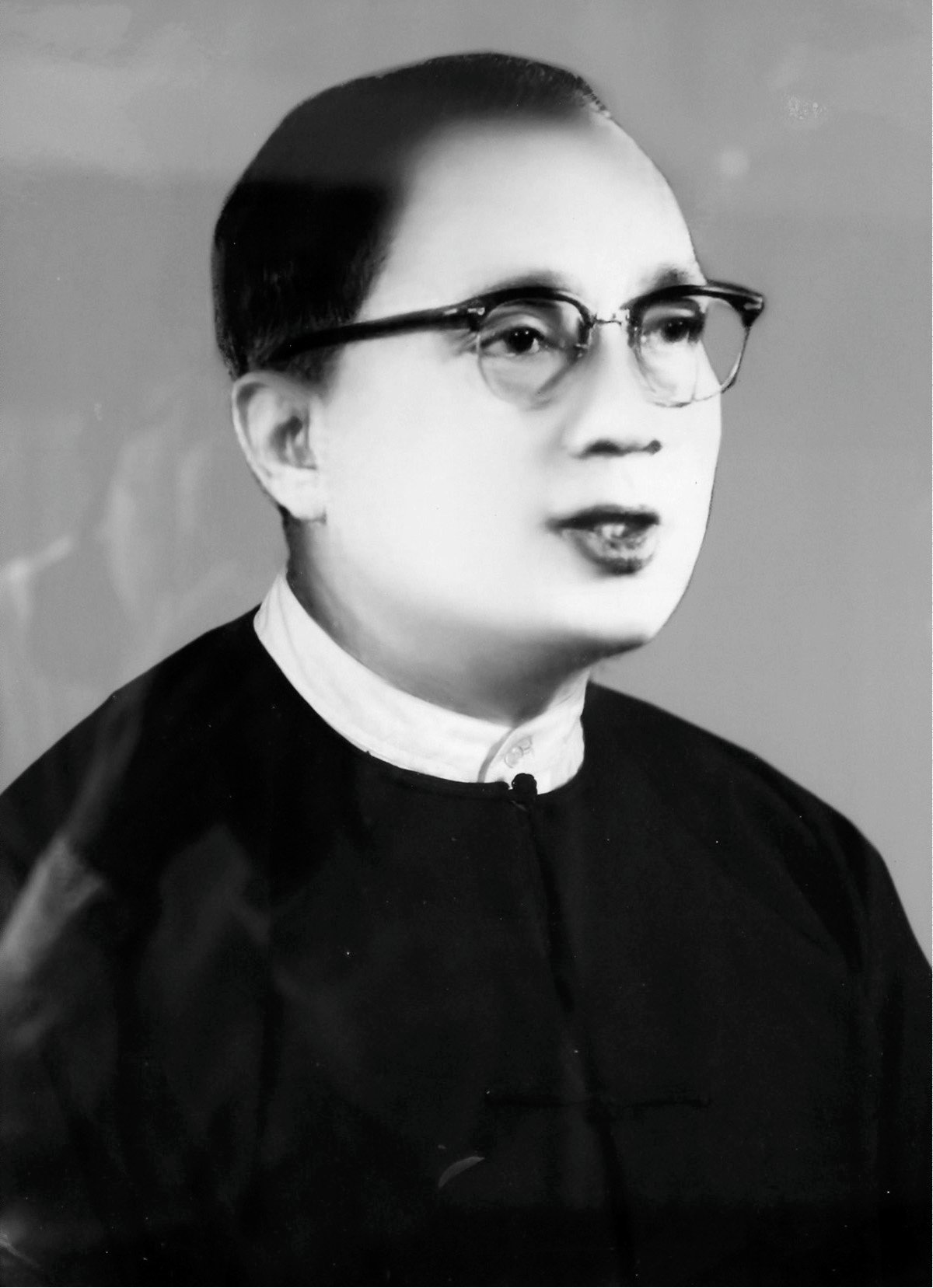
U Nu studied at Rangoon University, wrote plays and fiction and became a leader of the 1936 student strike. He later joined the nationalist Dobama Asiayone and was imprisoned by the colonial government during the Second World War.
After Aung San’s assassination, U Nu led the AFPFL into independence. He became prime minister on 4 January 1948 as rebellion, communist insurgency and ethnic conflict threatened the new union almost immediately.
Parliamentary rule and its military interruption
His governments pursued welfare, non-alignment and Buddhist cultural policies while struggling with war and administrative weakness. An AFPFL split led him to invite Ne Win to head a caretaker government in 1958; elections returned U Nu to office in 1960.
Federal reform proposals and renewed political tension preceded the coup of 2 March 1962. U Nu was detained, later went into exile and organised resistance, but never regained power. His career remains the essential reference point for Burma’s first experiment with electoral parliamentary government.
Quick answers
Frequently asked questions about U Nu
- Who was U Nu?
- U Nu was a first prime minister of independent Burma. U Nu’s governments faced civil war, economic reconstruction and arguments over religion and federalism before military rule ended parliamentary government.
- What is U Nu best known for?
- U Nu is best known for leading parliamentary governments after independence and being overthrown in the 1962 coup.
- When and where was U Nu born?
- U Nu was born on 25 May 1907 in Wakema, Myaungmya District, British Burma.
- When did U Nu die?
- U Nu died on 14 February 1995.
Sources and further reading
How this biography was checked
Core dates and offices are checked against the sources below. This profile was last reviewed on 9 September 2026.