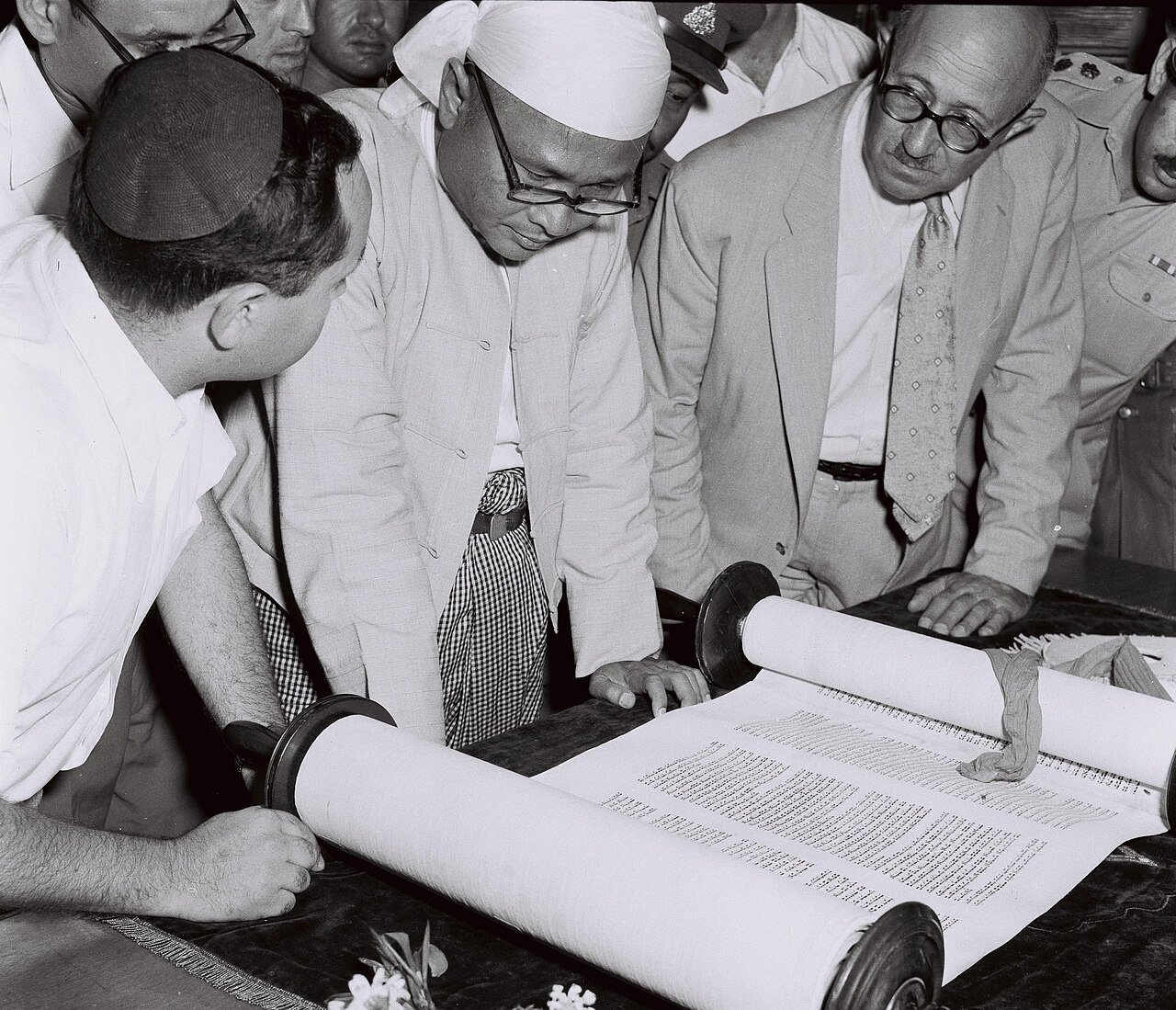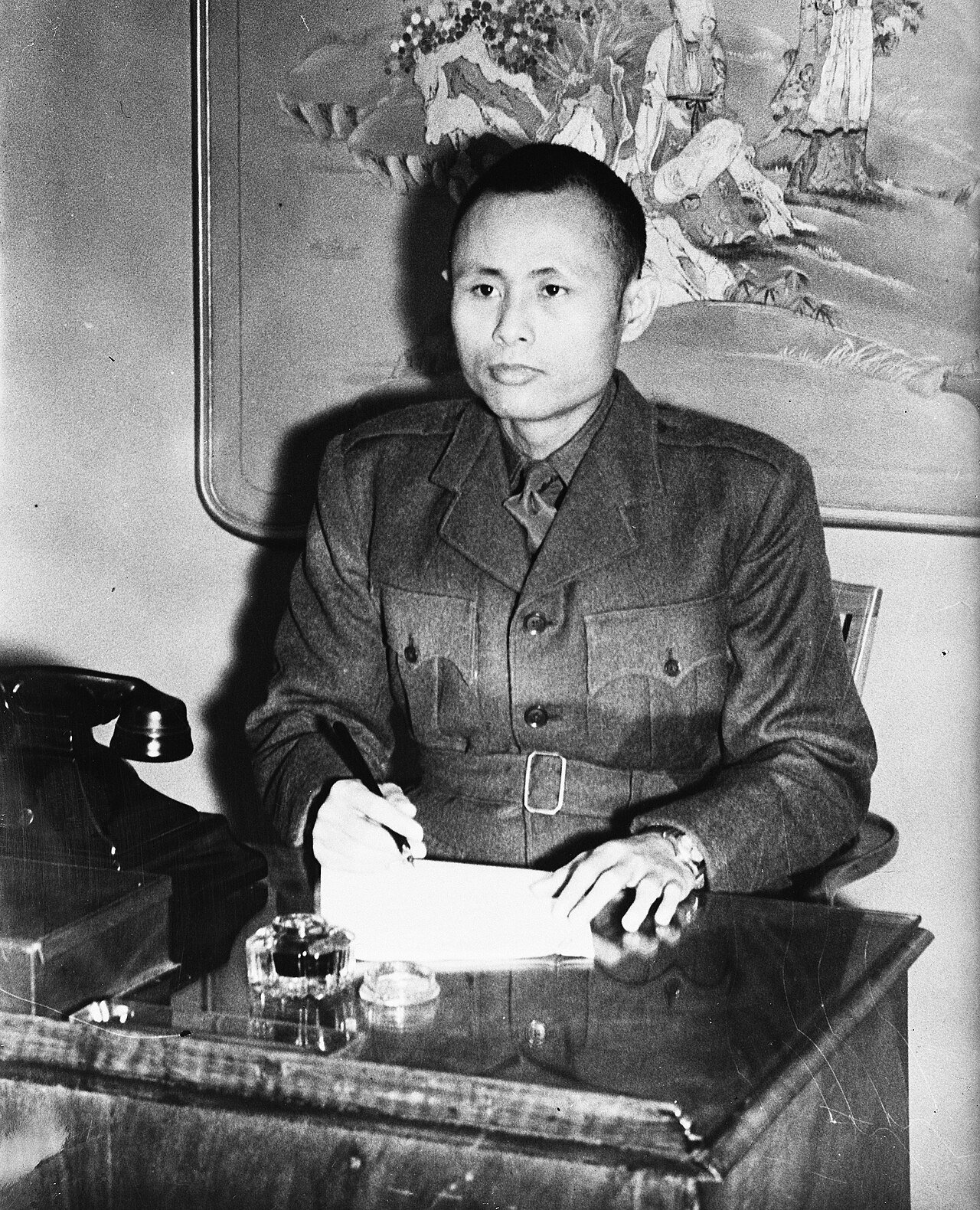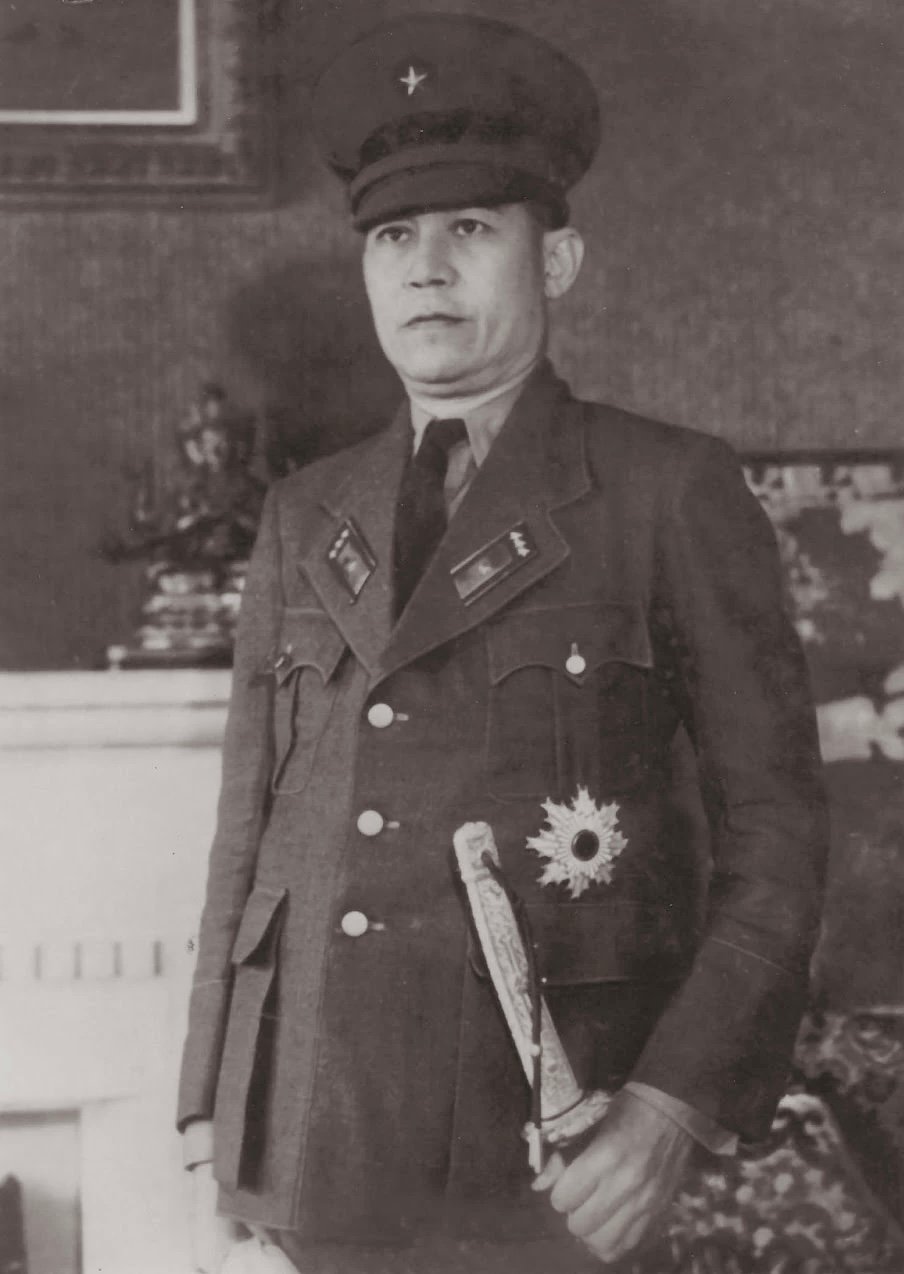
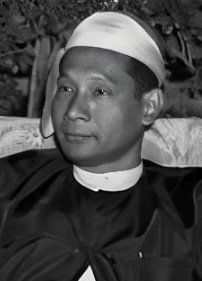
In this biography
Quick facts
- Born
- 17 October 1915
- Died
- 6 December 1987
- Birthplace
- Tavoy, British Burma
- Country
- Myanmar
- Nationality
- Burmese
- Known for
- Leading Burma from June 1956 to March 1957 and organising the AFPFL’s socialist wing
- Prime minister
- 12 June 1956–1 March 1957
- AFPFL office
- Secretary-general · 1947–1958
- Defence portfolio
- 1952–1956
- Political current
- Socialist Party and Stable AFPFL
Why this life matters
Ba Swe’s career connects the 1938 anticolonial strike, the AFPFL coalition, Cold War non-alignment and the factional split that weakened parliamentary government before military rule.
Timeline
Key moments
Born in Tavoy
Born on 17 October in Lower Burma, later known as Dawei.
Joined the nationwide strike movement
The student activist and Dobama member was arrested during the “1300 Revolution” against colonial rule.
Became AFPFL secretary-general
Helped organise the coalition that governed Burma at independence.
Took the defence portfolio
Served as defence minister while the government faced communist and ethnic insurgencies.
Served as prime minister
Succeeded U Nu for less than a year before returning the premiership to him.
Led a faction after the AFPFL split
Aligned with Kyaw Nyein in the Stable AFPFL as the ruling coalition fractured.
Student activism and socialist organisation
Ba Swe entered politics through the student and nationalist movements of late-colonial Burma. He joined the Dobama Asiayone, whose members adopted the title Thakin to reject British claims of mastery, and became prominent during the nationwide strikes of 1938. The colonial authorities arrested him alongside other organisers. Those protests linked students, workers and oilfield labourers and created a generation of leaders who would dominate politics after the Second World War.
During the struggle for independence Ba Swe became an important socialist organiser inside the Anti-Fascist People’s Freedom League. The AFPFL was not a single party but a broad coalition of socialists, nationalists and other groups united against colonial rule and later against the wartime occupation. After Aung San’s assassination in 1947, Ba Swe served as the coalition’s secretary-general while U Nu became its principal parliamentary leader.
Defence minister and prime minister
Independent Burma inherited civil war, communist rebellion and multiple armed ethnic conflicts. Ba Swe served in senior cabinet roles and became defence minister in 1952. His work therefore placed him at the centre of a state trying to hold its territory while also preserving electoral politics. The Nehru Archive records his positions as AFPFL secretary-general, defence minister and, from 1956 to 1957, prime minister.
U Nu temporarily left the premiership in June 1956 to concentrate on reorganising the AFPFL. Ba Swe succeeded him on 12 June and represented Burma during the Suez Crisis, corresponding with Indian prime minister Jawaharlal Nehru about a peaceful settlement and respect for Egyptian sovereignty. His government did not signal a major change of direction: Burma continued its non-aligned foreign policy and parliamentary system. U Nu returned on 1 March 1957.
Coalition split and political decline
The AFPFL divided in 1958 after disagreements among U Nu, Ba Swe and Kyaw Nyein. Ba Swe and Kyaw Nyein led the Stable AFPFL, while U Nu headed the Clean AFPFL. The split weakened the parliamentary coalition and formed the immediate political setting for General Ne Win’s caretaker government between 1958 and 1960. Although elections returned U Nu to power, the armed forces ended the parliamentary order in the 1962 coup.
Ba Swe never again became prime minister. His biography nevertheless shows that the decade before military rule was politically competitive rather than a simple procession of one leader. He brought a mass socialist network into the governing coalition, managed defence during continuing rebellion and briefly led the cabinet. His later rivalry with U Nu also demonstrates how factional conflict inside the independence movement made the young parliamentary state more vulnerable.
Quick answers
Frequently asked questions about Ba Swe
- Who was Ba Swe?
- Ba Swe was a second prime minister of independent Burma. Ba Swe’s career connects the 1938 anticolonial strike, the AFPFL coalition, Cold War non-alignment and the factional split that weakened parliamentary government before military rule.
- What is Ba Swe best known for?
- Ba Swe is best known for leading Burma from June 1956 to March 1957 and organising the AFPFL’s socialist wing.
- When and where was Ba Swe born?
- Ba Swe was born on 17 October 1915 in Tavoy, British Burma.
- When did Ba Swe die?
- Ba Swe died on 6 December 1987.
Sources and further reading
Explore the evidence
These references support the biography and offer further reading. Official records, first-person accounts and independent reporting provide different perspectives; image records document attribution and licensing.
- 1. The Nehru ArchiveU Ba Swe · biographical record and correspondence
- 2. Office of the Historian, U.S. Department of StateU Nu’s resignation and Ba Swe’s appointment in June 1956
- 3. The Nehru ArchiveMessage to U Ba Swe during the Suez Crisis
- 4. Scarecrow Press / digital library copyHistorical Dictionary of Burma (Myanmar)
- 5. Wikimedia CommonsPortrait licensing record