In this biography
Quick facts
- Born
- 29 May 1950
- Birthplace
- Burma · exact birthplace not publicly documented
- Country
- Myanmar
- Nationality
- Burmese
- Known for
- Becoming the first senior vice-president under the 2008 Constitution and resigning during Thein Sein’s reform period
- Military academy
- Defence Services Academy · 12th intake
- SPDC office
- Secretary-1 · 2007–2010
- First vice-president
- 30 March 2011–1 July 2012
- Left office
- Resigned for health reasons
Why this life matters
Tin Aung Myint Oo connected the final military council to the first government formed under the 2008 Constitution, while his resignation triggered Myanmar’s first vice-presidential replacement process.
Timeline
Key moments
Born in Burma
A U.S. Congressional Research Service profile gives 29 May 1950; some later reference works list 1949.
Received the Thiha Thura title
Earned one of Myanmar’s senior military gallantry distinctions during fighting against the Communist Party of Burma.
Became SPDC Secretary-1
Moved into one of the highest positions in the military council during its final years.
Won a lower-house seat
Entered the Pyithu Hluttaw for Pobbathiri in the controlled general election.
Became first vice-president
The military parliamentary group nominated him and the electoral college ranked him behind President Thein Sein.
Resigned from office
Parliament confirmed that his resignation for health reasons took effect on 1 July.
A decorated officer in the military state
Tin Aung Myint Oo graduated from the Defence Services Academy’s twelfth intake and built his career in the army during Ne Win’s socialist system and the military governments that followed the 1988 takeover. He received the title Thiha Thura after combat against the Communist Party of Burma, a distinction that became a permanent part of his formal name. Published sources disagree by one year on his birth year; the U.S. Congressional Research Service profile used here gives 29 May 1950.
He rose through regional and central command, served as quartermaster general and joined the State Peace and Development Council. In October 2007 he became Secretary-1, succeeding Thein Sein after the latter moved to the premiership. The appointment placed him close to the top of the junta during the aftermath of the Saffron Revolution and the preparation of a military-managed constitutional transition.
From the SPDC to the new Parliament
The 2008 Constitution reserved one quarter of parliamentary seats for serving military officers and created a three-part presidential electoral college. The elected members of each chamber and the military appointees would nominate one vice-presidential candidate apiece. The full Union Parliament would then rank all three: the highest vote-getter became president, while the other two became vice-presidents.
Tin Aung Myint Oo left active military office before the 2010 election and won the lower-house constituency of Pobbathiri in Naypyidaw as a Union Solidarity and Development Party candidate. When the new Parliament assembled, the military group nominated him for vice-president. On 4 February 2011 the electoral college chose Thein Sein as president, with Tin Aung Myint Oo ranked first vice-president and upper-house nominee Sai Mauk Kham ranked second.
First vice-president during an uneven opening
The three officeholders were sworn in on 30 March 2011 as the SPDC dissolved. The transfer replaced formal junta rule with a constitutional government, but the military retained appointed legislators, control of key ministries and substantial economic power. Tin Aung Myint Oo’s rise embodied that continuity: a senior council member had moved directly into one of the new republic’s highest civilian titles.
Observers commonly described him as a conservative counterweight inside an administration that released political prisoners, eased censorship and opened negotiations with opponents. That label should not be mistaken for a clearly documented veto over President Thein Sein’s programme. The vice-presidency carried constitutional importance and a place in the executive, but few independently defined policy powers.
Resignation and the first replacement test
Reports that Tin Aung Myint Oo had stepped back for medical treatment circulated from May 2012, but the government did not immediately confirm his status. Parliament announced in July that he had submitted a resignation for health reasons effective 1 July. The departure made Sai Mauk Kham first vice-president and required the military parliamentary group to nominate a replacement under the constitutional rules.
The replacement process initially became entangled in eligibility questions before Admiral Nyan Tun was elected second vice-president on 15 August. Tin Aung Myint Oo’s short tenure therefore matters beyond his personal career: it produced the first practical test of vacancy and replacement under the 2008 framework, while also reducing the presence of one of the former junta’s most prominent figures in Thein Sein’s government.
Quick answers
Frequently asked questions about Tin Aung Myint Oo
- Who is Tin Aung Myint Oo?
- Tin Aung Myint Oo is a general and first vice-president of Myanmar from 2011 to 2012. Tin Aung Myint Oo connected the final military council to the first government formed under the 2008 Constitution, while his resignation triggered Myanmar’s first vice-presidential replacement process.
- What is Tin Aung Myint Oo best known for?
- Tin Aung Myint Oo is best known for becoming the first senior vice-president under the 2008 Constitution and resigning during Thein Sein’s reform period.
- When and where was Tin Aung Myint Oo born?
- Tin Aung Myint Oo was born on 29 May 1950 in Burma · exact birthplace not publicly documented.
Sources and further reading
Explore the evidence
These references support the biography and offer further reading. Official records, first-person accounts and independent reporting provide different perspectives; image records document attribution and licensing.
- 1. Congressional Research ServiceU.S. Policy Towards Burma: Issues for the 112th Congress
- 2. United Nations General AssemblyReport of the Special Rapporteur on human rights in Myanmar
- 3. International Crisis GroupMyanmar: The Politics of Economic Reform
- 4. Voice of AmericaVice-president’s resignation confirmed by Parliament
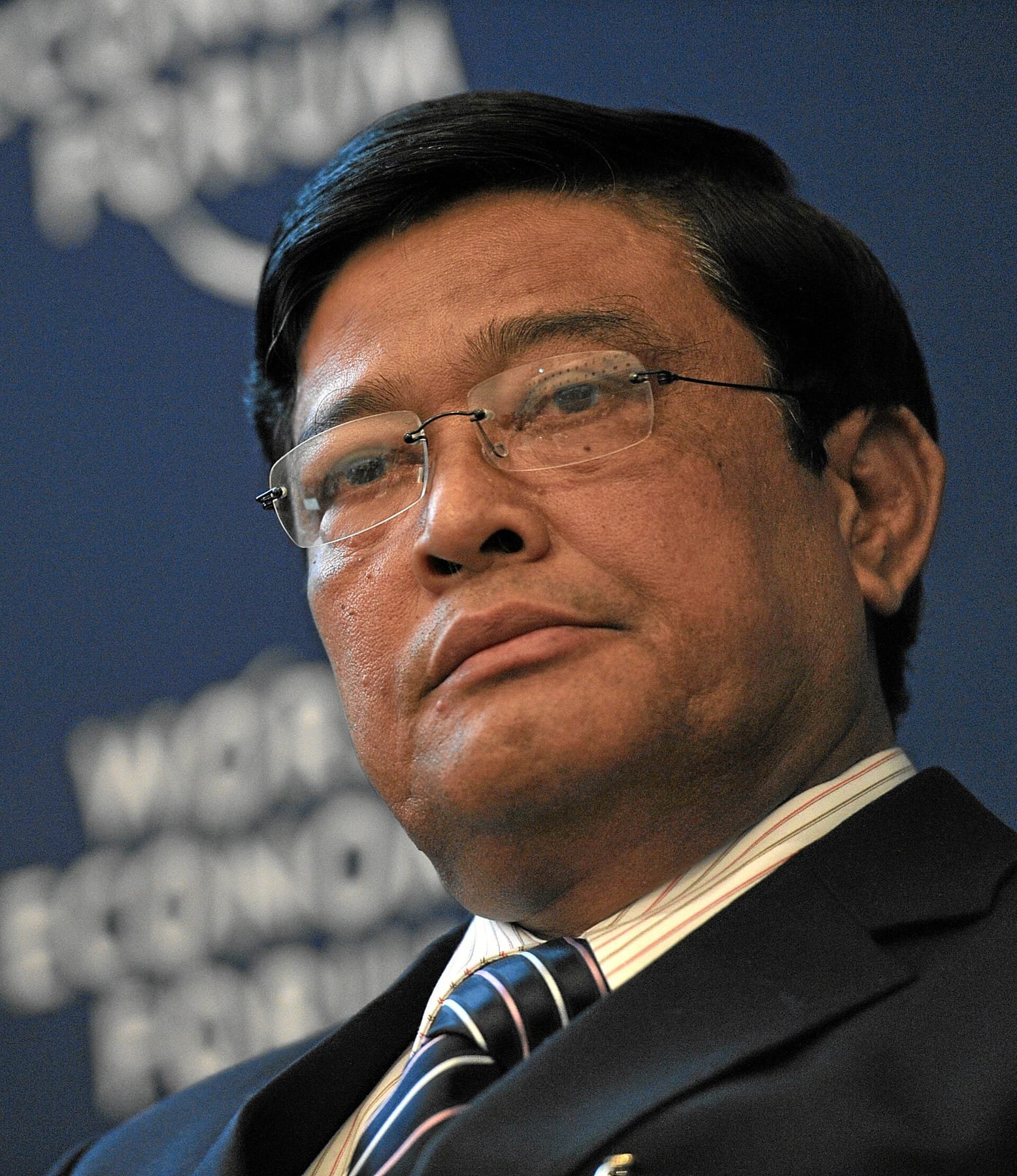
- 5. Wikimedia Commons2010 portrait and CC BY 2.0 licensing record