In this biography
Quick facts
- Born
- 3 July 1956
- Birthplace
- Myanmar · institutional and published accounts differ between Dawei and Minbu
- Country
- Myanmar
- Nationality
- Burmese
- Known for
- Overthrowing the elected government in 2021 and becoming president after the disputed 2025–2026 election
- Commander-in-chief
- 30 March 2011–2026
- Military takeover
- 1 February 2021
- Military administration
- SAC chairman and prime minister
- President
- Since 10 April 2026
Why this life matters
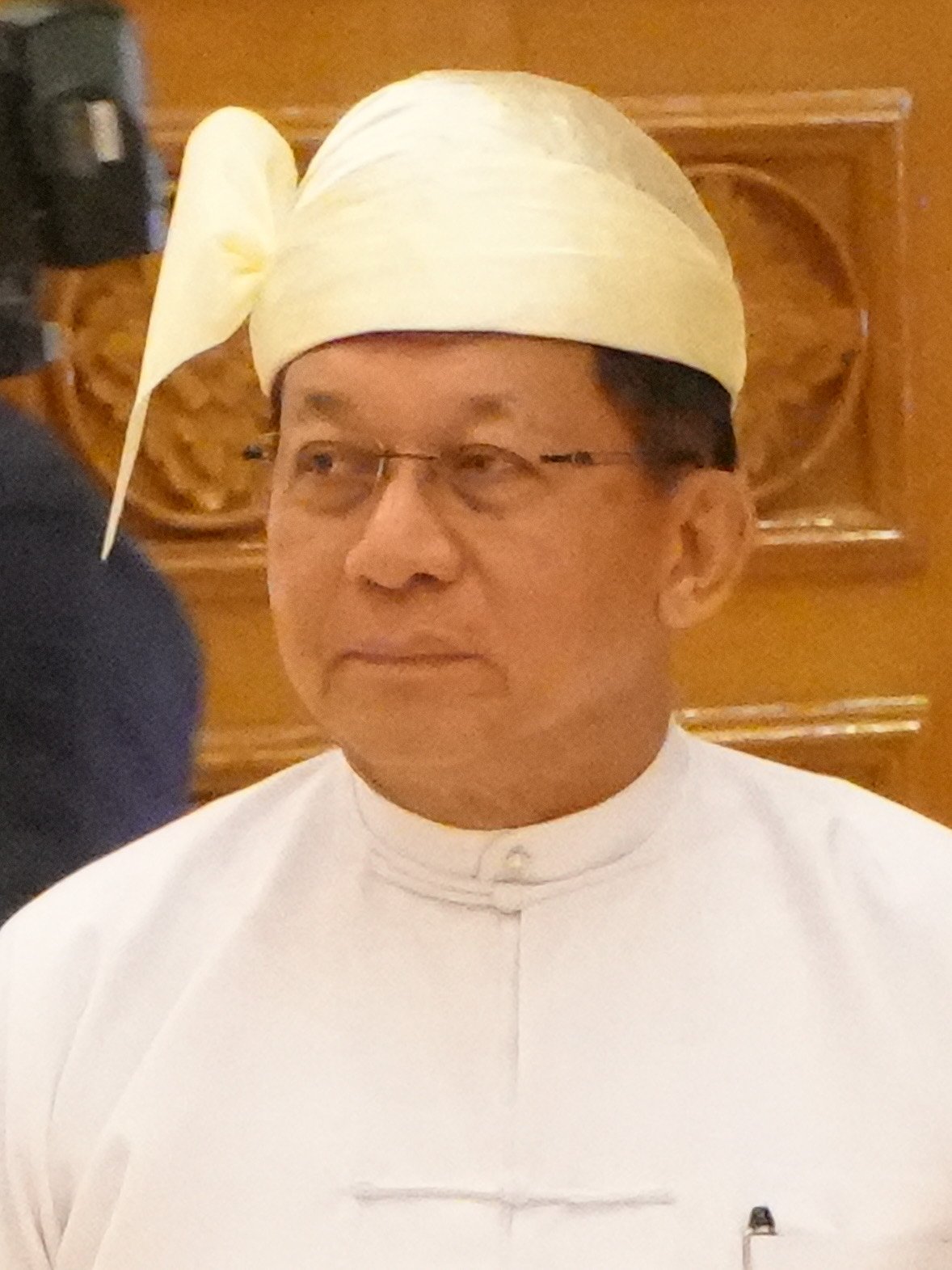
Min Aung Hlaing’s career joins the military’s constitutional autonomy, allegations of grave crimes against the Rohingya, the 2021 coup and the continuing civil war.
Timeline
Key moments
Born in Myanmar
Born on 3 July; institutional and published sources disagree on whether the birthplace was Dawei or Minbu.
Entered the Defence Services Academy
Joined the nineteenth intake after beginning legal study in Rangoon.
Commanded operations in the northeast
Led a bureau responsible for operations including the Kokang conflict near the Chinese border.
Became commander-in-chief
Succeeded Than Shwe as Myanmar entered its quasi-civilian constitutional period.
Faced UN findings over Rohingya operations
A UN fact-finding mission recommended investigation and prosecution of senior generals for grave international crimes.
Led the military takeover
Detained elected leaders, became SAC chairman and later named himself prime minister.
Activated national conscription
Enforced the People’s Military Service Law as resistance offensives weakened military control.
Became president
A military-dominated legislature selected him after an election the UN neither supported nor observed.
A disputed birthplace and a career in the Tatmadaw
Min Aung Hlaing was born on 3 July 1956. A UK Parliament research briefing and several older profiles identify Dawei as his birthplace, while more recent published accounts identify Minbu in Magway Region and describe his parents as originating from Dawei. Because the accessible records conflict, Biography Compass preserves the uncertainty instead of presenting one location as settled fact.
He studied law briefly in Rangoon before entering the Defence Services Academy in 1974 and graduating in 1977. He advanced through infantry and command posts, including leadership of the Bureau of Special Operations-2. Forces under that bureau fought the Myanmar National Democratic Alliance Army in Kokang in 2009, driving tens of thousands of people across the Chinese border and raising allegations of serious abuses.
Commander-in-chief during the limited transition
Than Shwe selected Min Aung Hlaing to become commander-in-chief on 30 March 2011, the same day the SPDC transferred formal authority to Thein Sein’s government. The 2008 Constitution placed him outside ordinary civilian command and empowered him to appoint a quarter of legislators and the ministers responsible for defence, home affairs and border affairs. His office therefore remained a parallel centre of state power throughout the reform decade.
Military operations in Rakhine State in 2017 forced more than 700,000 Rohingya into Bangladesh. The UN Independent International Fact-Finding Mission found reasonable grounds to believe that grave crimes had occurred and recommended investigation and prosecution of Min Aung Hlaing and other senior generals for genocide, crimes against humanity and war crimes. Myanmar’s military rejected the mission’s conclusions and denied genocidal intent.
The 2021 coup and a nationwide armed conflict
After the NLD won the November 2020 election, the military alleged large-scale fraud. Independent observers documented shortcomings but concluded that the result reflected the electorate’s will. Before parliament could convene on 1 February 2021, troops detained President Win Myint, State Counsellor Aung San Suu Kyi and other officials. Min Aung Hlaing became chairman of the State Administration Council and in August also adopted the title of prime minister.
Mass demonstrations and civil disobedience met lethal repression, and armed People’s Defence Forces expanded alongside long-established ethnic organisations. The conflict spread while the military used airstrikes, detention and village destruction and resistance forces also faced allegations of abuses. ASEAN’s Five-Point Consensus failed to produce an end to violence. Following major battlefield losses, Min Aung Hlaing’s administration activated national conscription in February 2024.
From military chief to president in 2026
Military authorities staged a phased election in December 2025 and January 2026. Major opposition parties were excluded, dissolved or refused to participate, polling could not occur across large conflict areas and the USDP secured a predictable landslide. The United Nations neither supported nor observed the process and reported that many Myanmar stakeholders viewed it as consolidation of military power rather than a civilian transition.
A military-dominated parliament selected Min Aung Hlaing as president in April 2026, and he formally relinquished the commander-in-chief post before taking the oath on 10 April. The change altered his constitutional title but did not end the war or the military’s institutional dominance. Any assessment of his presidency must therefore distinguish the authorities’ claim of electoral legitimacy from the exclusion, coercion and continuing conflict documented by the UN and independent observers.
Quick answers
Frequently asked questions about Min Aung Hlaing
- Who is Min Aung Hlaing?
- Min Aung Hlaing is a president of Myanmar and leader of the 2021 military takeover. Min Aung Hlaing’s career joins the military’s constitutional autonomy, allegations of grave crimes against the Rohingya, the 2021 coup and the continuing civil war.
- What is Min Aung Hlaing best known for?
- Min Aung Hlaing is best known for overthrowing the elected government in 2021 and becoming president after the disputed 2025–2026 election.
- When and where was Min Aung Hlaing born?
- Min Aung Hlaing was born on 3 July 1956 in Myanmar · institutional and published accounts differ between Dawei and Minbu.
Sources and further reading
Explore the evidence
These references support the biography and offer further reading. Official records, first-person accounts and independent reporting provide different perspectives; image records document attribution and licensing.
- 1. UK House of Commons LibraryMyanmar: 2020 parliamentary election and military takeover
- 2. UN Human Rights CouncilDetailed findings of the Independent International Fact-Finding Mission on Myanmar
- 3. UN Human Rights CouncilUN Special Rapporteur report on the legality of the 2021 takeover
- 4. ASEANASEAN Five-Point Consensus on Myanmar
- 5. United Nations Department of Political and Peacebuilding AffairsSpecial Envoy briefing on the 2025–2026 election
- 6. Wikimedia Commons2026 portrait and CC BY-SA 4.0 licensing record