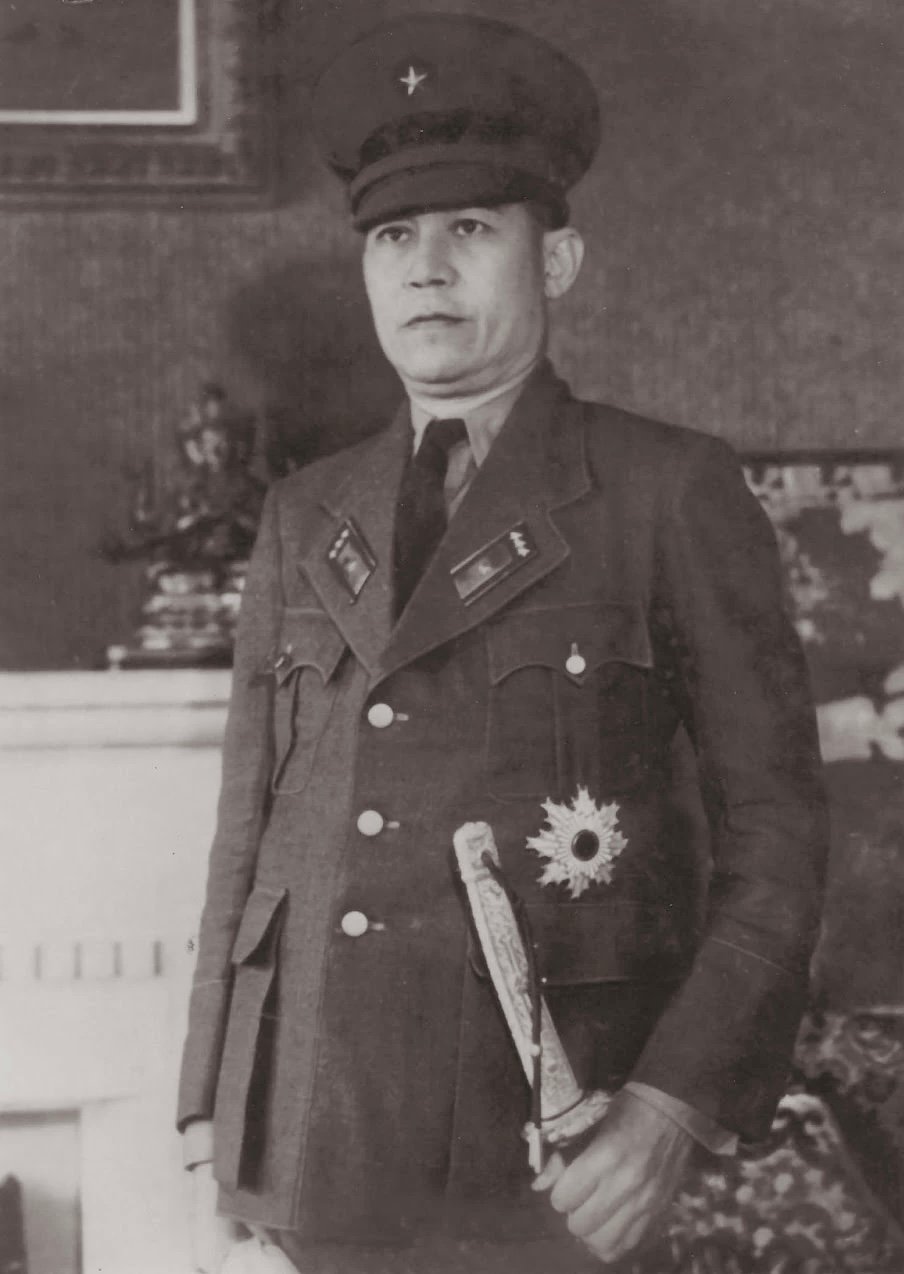
In this biography
Quick facts
- Born
- 8 February 1893
- Died
- 29 May 1977
- Birthplace
- Maubin, British Burma
- Country
- Myanmar
- Nationality
- Burmese
- Known for
- Leading Burma’s first ministry after separation from British India and the Japanese-sponsored wartime state
- Profession
- Teacher, lawyer and politician
- Premier of Burma
- 1937–1939
- Wartime office
- Head of state, 1943–1945
- Memoir
- Breakthrough in Burma · 1968
Why this life matters
Ba Maw shows why Burmese independence history cannot be reduced to a straight line: he worked through a colonial constitution, opposed Britain during wartime and led a nominally independent state constrained by Japan.
Timeline
Key moments
Born in Maubin
Born in the Irrawaddy delta while Burma was administered as part of British India.
Defended Saya San rebels
Gained national attention as a lawyer during prosecutions following the peasant rebellion.
Became Burma’s first premier
Led the first ministry after Burma became a separately administered British colony.
Imprisoned for sedition
Was jailed after the Freedom Bloc opposed Burma’s participation in Britain’s war.
Led the wartime state
Became head of state when Japan proclaimed a nominally independent State of Burma.
Fled, surrendered and returned
Left for Japan as the occupation collapsed, was detained after surrendering and returned to Burma in 1946.
Published a wartime memoir
Breakthrough in Burma presented his account of revolution, occupation and the struggle for independence.
Law, nationalism and constitutional office
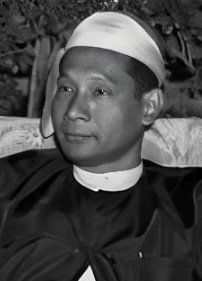
Ba Maw was born in Maubin in 1893 and pursued an unusually international education, studying in Rangoon, Calcutta, Cambridge and Bordeaux. He worked as a teacher and then as a lawyer. His defence of people charged after the Saya San rebellion brought him public recognition in the early 1930s, when economic distress, rural protest and constitutional debate were reshaping organised nationalism in colonial Burma.
He entered electoral politics, served as education minister and built support through the Sinyetha, or Poor Man’s, Party. When Burma was separated administratively from British India in April 1937, Ba Maw became the first premier under the new constitution. The office represented limited self-government rather than sovereignty: the governor retained extensive powers, and unstable parliamentary alliances ended Ba Maw’s ministry in 1939.
War, imprisonment and alliance with Japan
After leaving office, Ba Maw joined other nationalists in the Freedom Bloc and opposed Burma’s automatic participation in Britain’s war against Germany. Colonial authorities imprisoned him for sedition in 1940. Japan’s invasion destroyed British control in early 1942, and Ba Maw emerged from confinement to lead a civilian administration established under the occupiers. That decision placed him on a route different from politicians who fled with the British or organised resistance from the outset.
On 1 August 1943 Japan proclaimed an independent State of Burma, with Ba Maw as head of state and prime minister. The government gained ministries, symbols and diplomatic recognition from Japan’s allies, but Japanese military power sharply limited its freedom. Burma was required to join the war against Britain and the United States, while occupation, forced labour and battlefield destruction imposed immense costs on the population. Describing the state as simply independent would therefore conceal the coercive structure in which it operated.
Collapse, return and a contested memoir
By 1944 Aung San and the Anti-Fascist People’s Freedom League were preparing to turn against Japan. The Burma National Army joined the Allied side in March 1945, and Ba Maw’s government collapsed as Japanese forces retreated. He escaped through Thailand to Japan, later surrendered to the Allied authorities and was held at Sugamo Prison. He was released without trial and returned to Burma in 1946, but never recovered the central political position he had held before and during the war.
Ba Maw continued writing and speaking, and Yale University Press published Breakthrough in Burma in 1968. The memoir is valuable because it records how one participant understood the choices of the war years, but it is also an argument in his own defence and must be read beside occupation records and later scholarship. He died in Rangoon in 1977. His life complicates easy categories of collaborator or liberator, revealing how anticolonial ambition could become entangled with another empire’s military project.
Quick answers
Frequently asked questions about Ba Maw
- Who was Ba Maw?
- Ba Maw was a first premier of separately administered Burma and wartime head of state. Ba Maw shows why Burmese independence history cannot be reduced to a straight line: he worked through a colonial constitution, opposed Britain during wartime and led a nominally independent state constrained by Japan.
- What is Ba Maw best known for?
- Ba Maw is best known for leading Burma’s first ministry after separation from British India and the Japanese-sponsored wartime state.
- When and where was Ba Maw born?
- Ba Maw was born on 8 February 1893 in Maubin, British Burma.
- When did Ba Maw die?
- Ba Maw died on 29 May 1977.
Sources and further reading
Explore the evidence
These references support the biography and offer further reading. Official records, first-person accounts and independent reporting provide different perspectives; image records document attribution and licensing.
- 1. British LibraryDraft life story of Dr Ba Maw up to 1943
- 2. Japan Center for Asian Historical RecordsTimeline of wartime Burma and Ba Maw’s administration
- 3. Library of CongressBurmese records in the Second World War
- 4. Online Burma/Myanmar LibraryBreakthrough in Burma: Memoirs of a Revolution, 1939–1946
- 5. Wikimedia CommonsPortrait licensing record