In this biography
Quick facts
- Born
- 18 October 1962
- Birthplace
- Rangoon, Burma
- Country
- Myanmar
- Nationality
- Burmese
- Known for
- Leading the All Burma Federation of Student Unions during the 1988 uprising and enduring long political imprisonment
- Birth name
- Paw Oo Tun
- Student organisation
- All Burma Federation of Student Unions
- First long imprisonment
- 1989–2004
- 2008 sentence
- 65 years; released in 2012 amnesty
Why this life matters
Min Ko Naing connects the underground student unions of 1988, the political-prisoner campaigns of military rule, the 2007 protests and resistance to the 2021 coup.
Timeline
Key moments
Born in Rangoon
Born Paw Oo Tun on 18 October.
Led a renewed student union
Helped organise the ABFSU and became a leading public voice of the nationwide uprising.
Arrested and imprisoned
Was detained for opposition activity and spent most of the next fifteen years in prison.
Released and formed the 88 Generation Students
Returned to peaceful organising with fellow veterans of the uprising.
Led protest and received a 65-year sentence
Was arrested after fuel-price demonstrations and convicted in closed prison proceedings.
Released in a political-prisoner amnesty
Left prison with other well-known activists during the reform period.
Opposed the military coup
Authorities issued a warrant after he publicly supported the anti-coup movement.
Underground student organisation before 8888
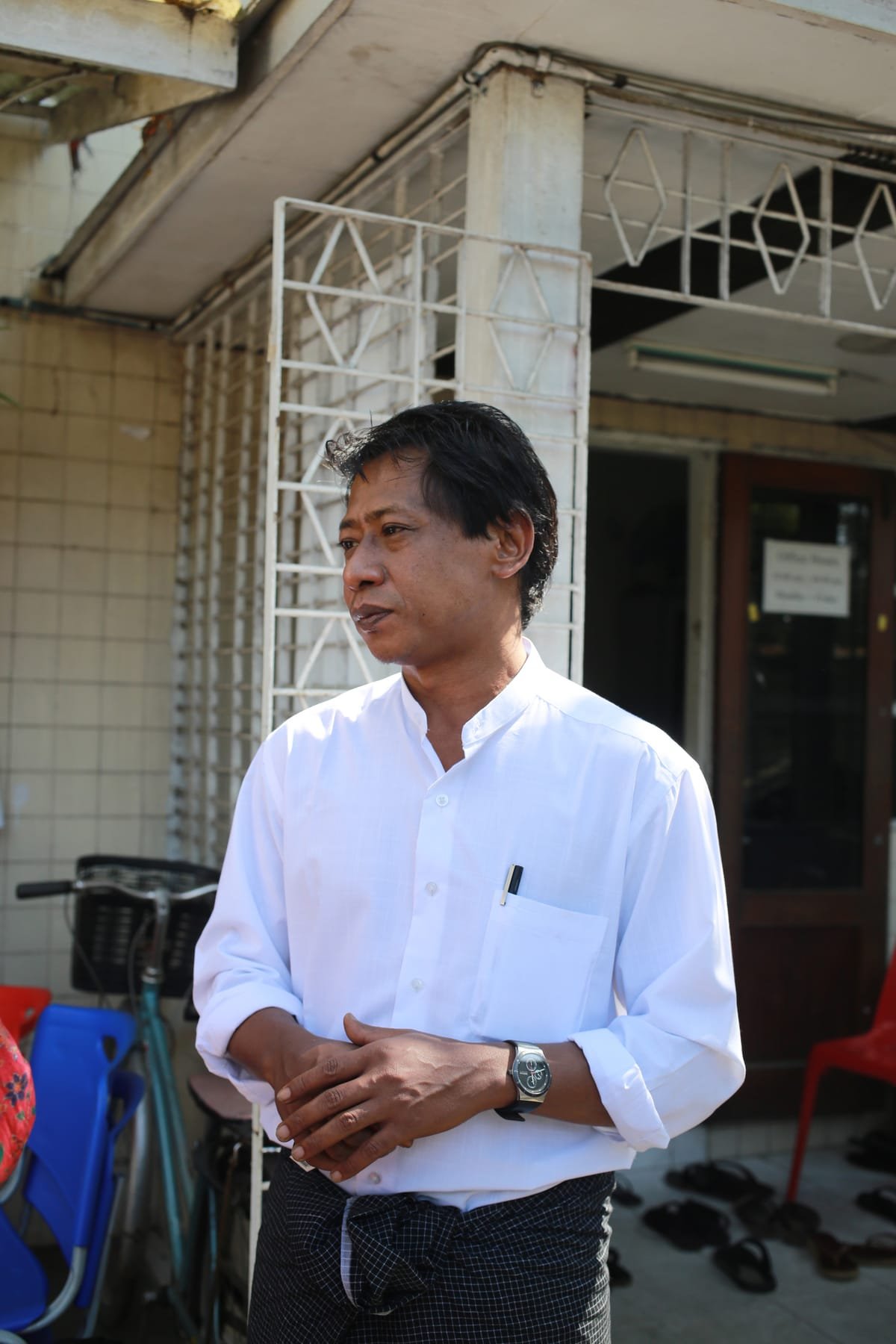
Min Ko Naing was born Paw Oo Tun in Rangoon in 1962 and studied zoology at Rangoon Arts and Science University. Independent student unions had been suppressed since Ne Win’s coup, so he and other students formed clandestine study and organising groups. He adopted the name Min Ko Naing, commonly translated as “conqueror of kings,” as his activism became more public.
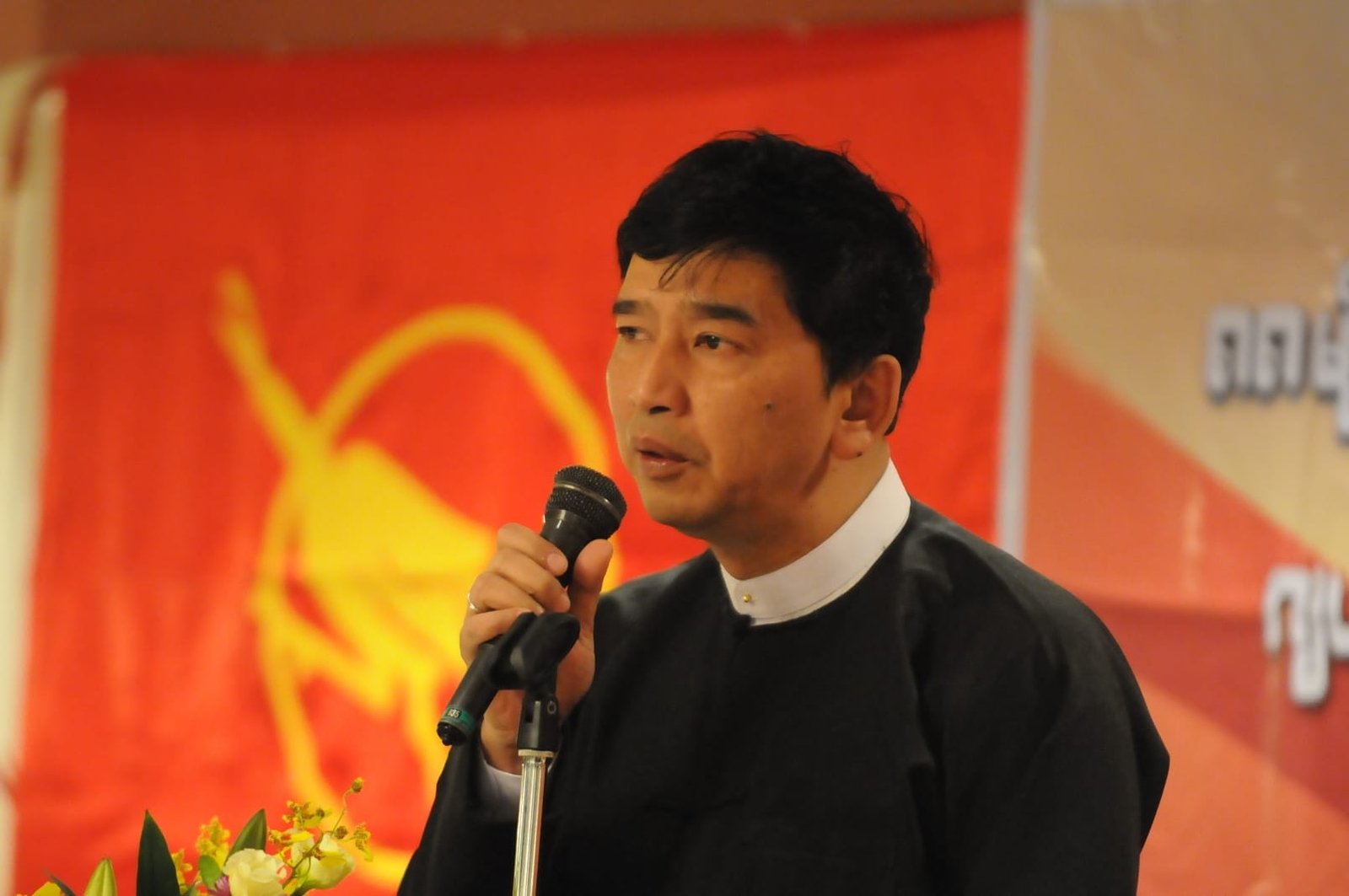
Student anger accelerated after police violence and the death of Phone Maw in March 1988. Min Ko Naing spoke at campus rallies and helped re-establish the All Burma Federation of Student Unions. The ABFSU coordinated demonstrations and articulated demands for multiparty democracy. Students initiated the general strike of 8 August, but the movement expanded to monks, workers, civil servants and communities across the country.
Fifteen years as a prisoner of conscience
The military seized power in September 1988 and arrested Min Ko Naing on 23 March 1989. Amnesty International documented torture, solitary confinement and his continued detention after the date when his sentence should have ended. It designated him a prisoner of conscience held for peaceful political activity. He spent much of the period in Insein and Sittwe prisons and suffered serious health effects.
International campaigns made him one of Myanmar’s best-known political prisoners. Awards including the John Humphrey Freedom Award and Civil Courage Prize recognised his activism while he remained unable to receive them. The authorities released him in November 2004 after almost sixteen years, but the political system that had imprisoned him remained under military control.
The 88 Generation and another 65-year sentence
After release, Min Ko Naing and fellow former students organised the 88 Generation Students Group. Their campaigns called for political dialogue, prisoner releases and civil freedoms. In August 2007, members began small marches after the government abruptly raised fuel prices. The demonstrations helped open the wider mobilisation later known as the Saffron Revolution.
Authorities arrested Min Ko Naing and other organisers. In November 2008 a court operating inside prison imposed 65-year sentences on fourteen activists. Human Rights Watch described the proceedings as unfair and the charges as punishment for peaceful dissent. He was transferred far from his family and remained imprisoned until a January 2012 amnesty released more than one hundred political prisoners.
Public activism and resistance to the 2021 coup
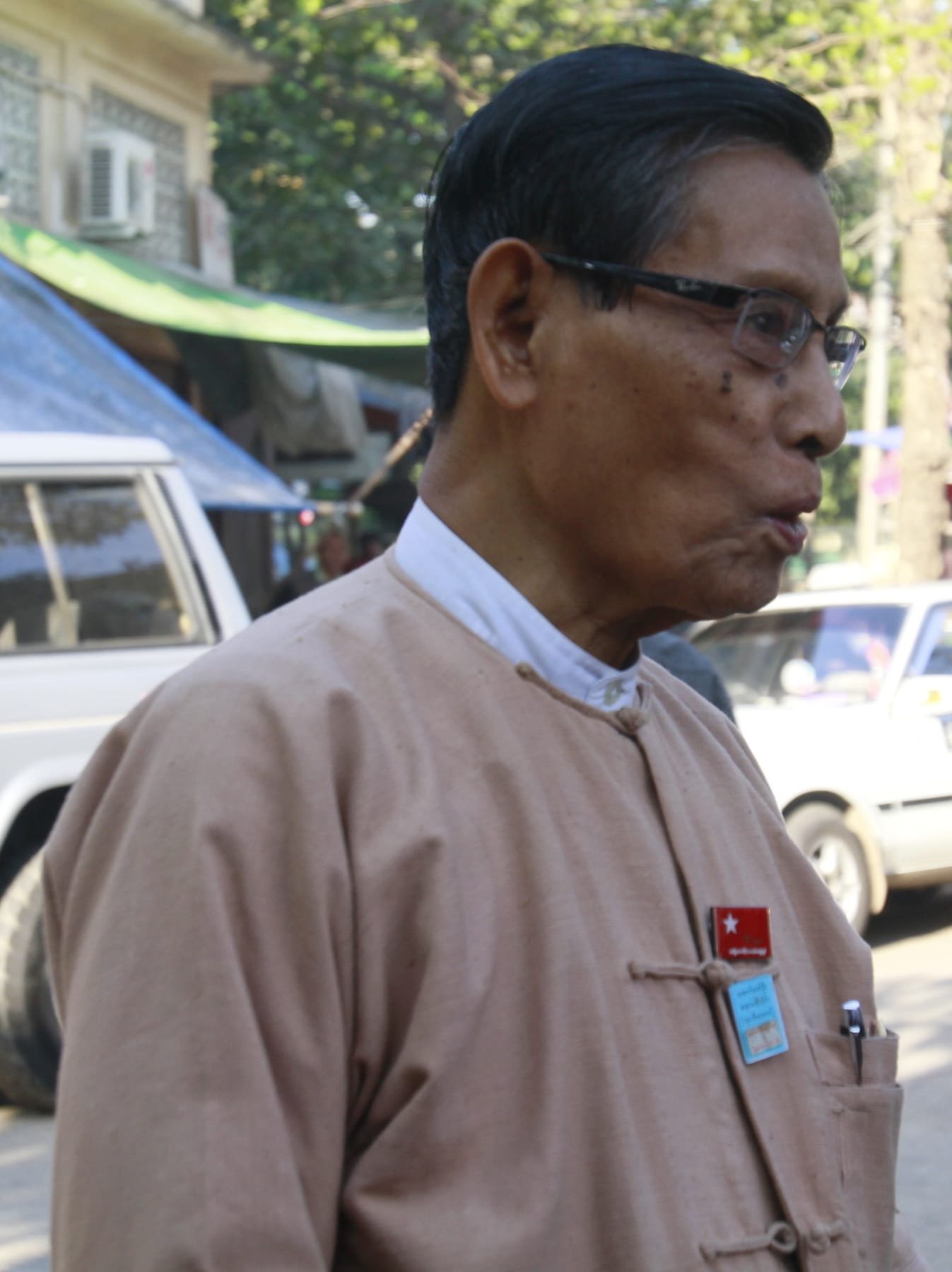
During Myanmar’s partial opening, Min Ko Naing joined public discussions, constitutional campaigns and the 88 Generation Peace and Open Society network. He remained outside the NLD’s formal party leadership, preserving a distinct identity rooted in student organisation. His record also attracted criticism when rights advocates examined anti-Rohingya statements associated with prominent democracy activists, illustrating that opposition to military rule did not automatically resolve wider questions of equality.
After the military seized power on 1 February 2021, he called for resistance and supported the emerging democracy movement. The junta issued an arrest warrant under Penal Code section 505(b), accusing him and other public figures of disrupting state order through their speech. His later circumstances have not been consistently documented in reliable public sources. The warrant nevertheless showed that the state still regarded a leader from 1988 as politically consequential more than three decades later.
Quick answers
Frequently asked questions about Min Ko Naing
- Who is Min Ko Naing?
- Min Ko Naing is a student leader and veteran democracy activist. Min Ko Naing connects the underground student unions of 1988, the political-prisoner campaigns of military rule, the 2007 protests and resistance to the 2021 coup.
- What is Min Ko Naing best known for?
- Min Ko Naing is best known for leading the All Burma Federation of Student Unions during the 1988 uprising and enduring long political imprisonment.
- When and where was Min Ko Naing born?
- Min Ko Naing was born on 18 October 1962 in Rangoon, Burma.
Sources and further reading
Explore the evidence
These references support the biography and offer further reading. Official records, first-person accounts and independent reporting provide different perspectives; image records document attribution and licensing.
- 1. Amnesty InternationalMin Ko Naing · student leader and prisoner of conscience
- 2. Human Rights WatchBurma’s Forgotten Prisoners · Min Ko Naing profile
- 3. Amnesty InternationalPolitical-prisoner release in January 2012
- 4. Myanmar NowJunta arrest warrant after the 2021 coup
- 5. Civil Courage Prize2005 Civil Courage Prize · Min Ko Naing
- 6. Wikimedia CommonsPortrait licensing record