In this biography
Quick facts
- Born
- 12 January 1954
- Birthplace
- Zigon Township, Bago Region, Union of Burma
- Country
- Myanmar
- Nationality
- Burmese
- Known for
- Leaving command of the Myanmar Navy to replace Tin Aung Myint Oo as vice-president in 2012
- Born
- 12 January 1954 · Zigon Township
- Navy commander
- 2008–2012
- Second vice-president
- 15 August 2012–30 March 2016
- Lower-house member
- Zigon · 2016–2021
Why this life matters
Nyan Tun completed Myanmar’s first constitutional vice-presidential replacement and linked the navy’s modernisation to the post-junta civilian administration.
Timeline
Key moments
Born in Zigon
Born on 12 January in what is now Bago Region.
Commissioned into naval service
Graduated from the Defence Services Academy’s sixteenth intake.
Became navy commander
Took command as Myanmar expanded ships, training and regional naval relationships.
Elected second vice-president
Retired from the navy and won the parliamentary vote on 15 August.
Won the Zigon constituency
Secured a Pyithu Hluttaw seat as a USDP candidate in the general election.
Served in the lower house
Left the executive when the NLD government took office and remained an MP until the coup prevented the next legislature from convening.
Why Parliament needed a replacement vice-president
The government created under the 2008 Constitution began with President Thein Sein, First Vice-President Tin Aung Myint Oo and Second Vice-President Sai Mauk Kham. When Tin Aung Myint Oo resigned for health reasons in July 2012, Sai Mauk Kham moved into the senior position and the military bloc retained the right to nominate a replacement candidate.
Military legislators first advanced Yangon chief minister Myint Swe, but questions about the foreign citizenship of a family member delayed the process under the Constitution’s eligibility rules. The group then selected Nyan Tun. He retired from naval command, and the Union Parliament elected him second vice-president on 15 August 2012. The vote completed the first vacancy procedure for the office.
A vice-president in Thein Sein’s reform government
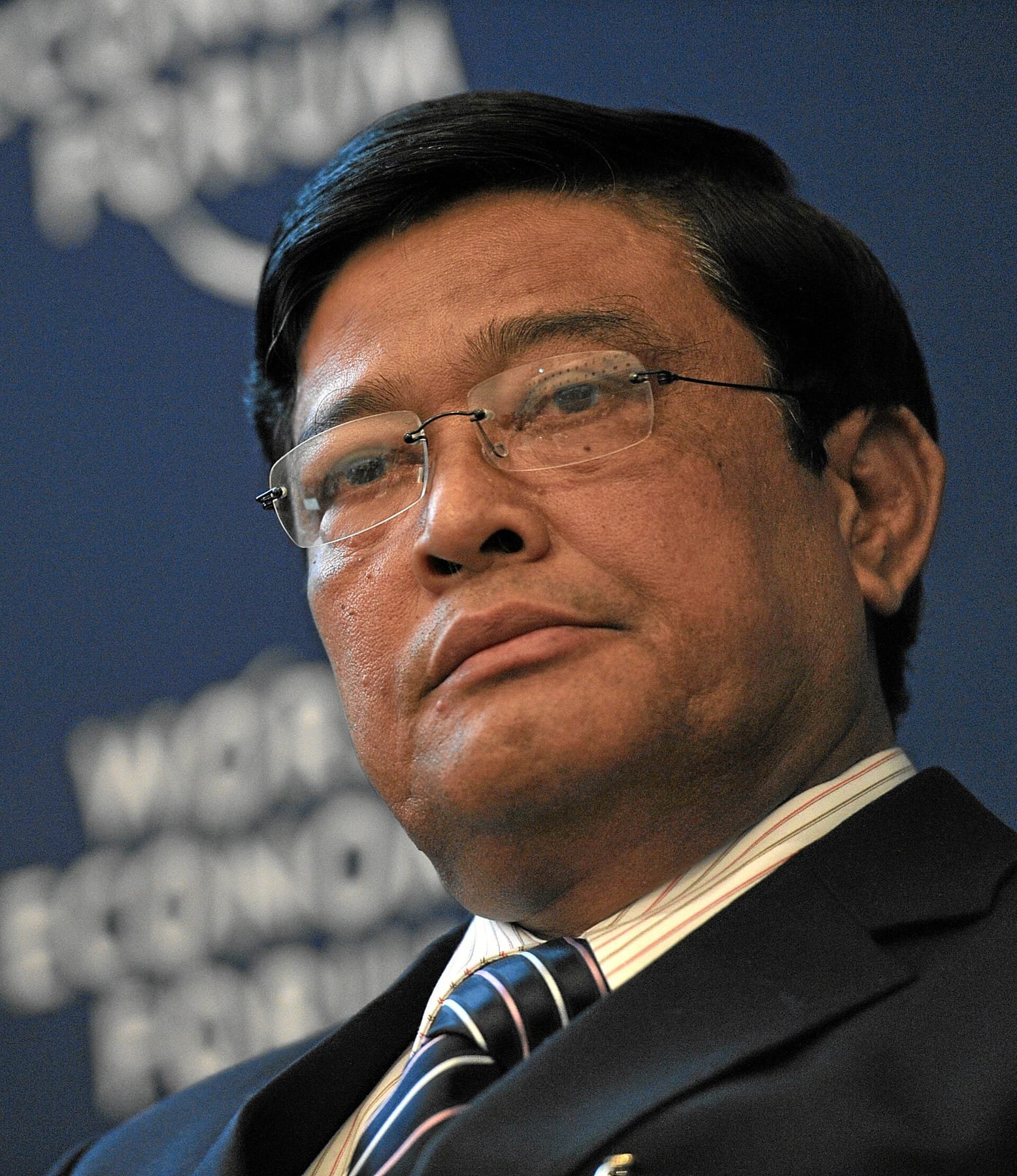
Nyan Tun entered office while Thein Sein’s administration was loosening censorship, negotiating ceasefires, attracting new investment and managing the political return of Aung San Suu Kyi. He represented Myanmar at diplomatic and economic events, chaired government committees and spoke on rural development, education and social cohesion. His 2013 World Economic Forum appearance gave the new vice-president an international platform soon after appointment.
The reform narrative remained constrained by armed conflict, anti-Muslim violence, land disputes and the military’s constitutional autonomy. As with Myanmar’s other vice-presidents, Nyan Tun did not possess a separately elected public mandate or a fixed independent policy portfolio. His influence depended on delegated duties within an executive still dominated by President Thein Sein and former military officers.
From national executive to constituency MP
Nyan Tun returned to electoral politics in the 2015 general election. He won the Pyithu Hluttaw seat for Zigon Township as a USDP candidate even as the NLD won a national landslide. On 30 March 2016 he left the vice-presidency when Htin Kyaw, Myint Swe and Henry Van Thio took office under the new parliamentary balance.
He served in the lower house from 2016 until 2021. The military seized power on the morning the next Parliament was due to convene, ending that legislature’s term without a normal handover. Nyan Tun’s path—from uniformed command to vice-president and then ordinary legislator—captures both the managed opening of 2011–2015 and the institutional limits exposed by the later coup.
Quick answers
Frequently asked questions about Nyan Tun
- Who is Nyan Tun?
- Nyan Tun is an admiral, second vice-president and former member of Parliament. Nyan Tun completed Myanmar’s first constitutional vice-presidential replacement and linked the navy’s modernisation to the post-junta civilian administration.
- What is Nyan Tun best known for?
- Nyan Tun is best known for leaving command of the Myanmar Navy to replace Tin Aung Myint Oo as vice-president in 2012.
- When and where was Nyan Tun born?
- Nyan Tun was born on 12 January 1954 in Zigon Township, Bago Region, Union of Burma.
Sources and further reading
Explore the evidence
These references support the biography and offer further reading. Official records, first-person accounts and independent reporting provide different perspectives; image records document attribution and licensing.
- 1. World Economic ForumNyan Tun · participant biography
- 2. Lao News AgencyOfficial biography for the vice-president’s 2015 Laos visit
- 3. ABC News AustraliaParliament elects Admiral Nyan Tun vice-president
- 4. The Carter CenterObserving Myanmar’s 2015 General Elections · final report
- 5. Wikimedia Commons2013 portrait and CC BY-SA 2.0 licensing record