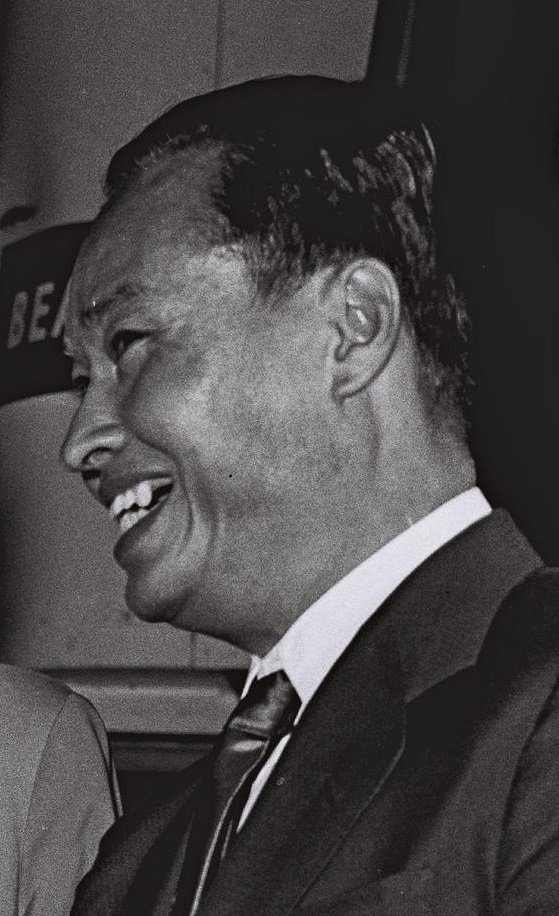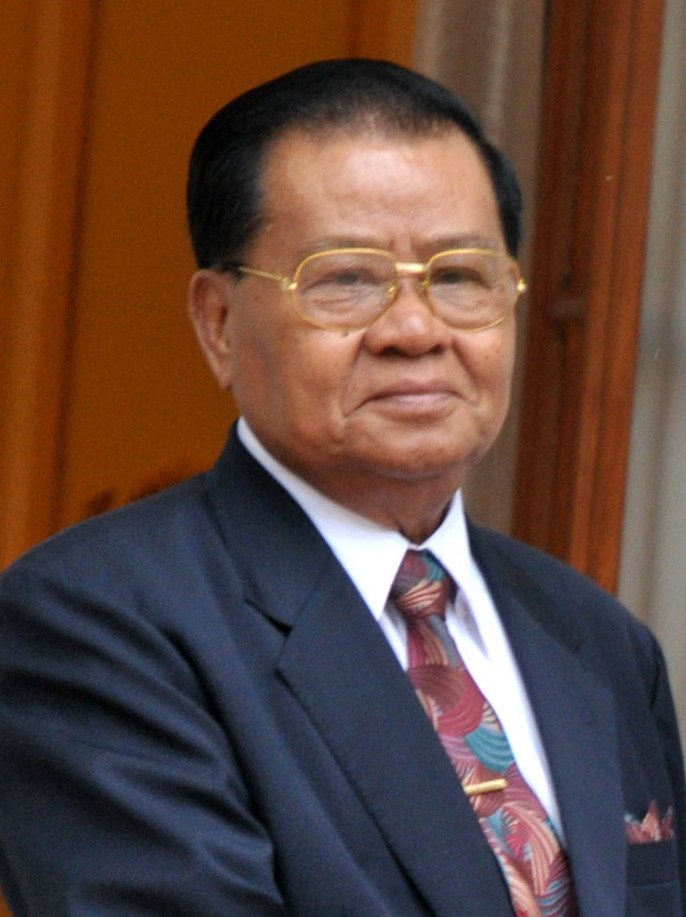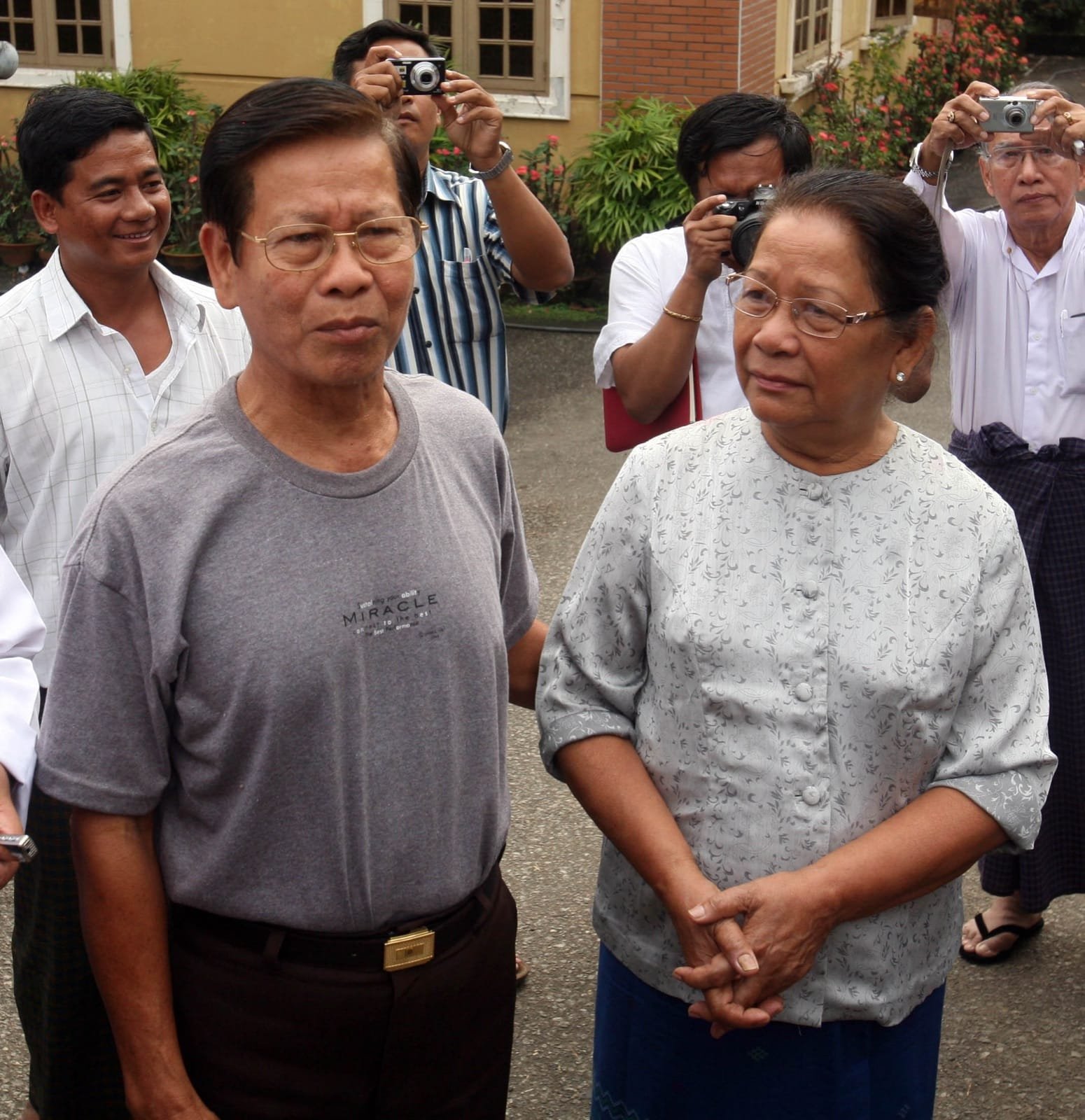
In this biography
Quick facts
- Born
- December 1928
- Died
- 24 July 1997
- Birthplace
- Mandalay, British Burma
- Country
- Myanmar
- Nationality
- Burmese
- Known for
- Creating the State Law and Order Restoration Council after the 1988 uprising and presiding over the unhonoured 1990 election
- Ruling council
- State Law and Order Restoration Council
- Seized power
- 18 September 1988
- 1990 result
- NLD won 392 of 485 elected seats
- Succeeded by
- Than Shwe · April 1992
Why this life matters
Saw Maung’s rule connects the violent end of the socialist state to the SLORC system, the 1990 election and the longer Than Shwe era.
Timeline
Key moments
Born in Mandalay
Published references disagree on the exact December date, so this biography does not force a false precision.
Entered the armed forces
Joined the army during the early civil conflicts of independent Burma.
Became commander-in-chief
Rose to the highest uniformed position during Ne Win’s one-party political order.
Established the SLORC
Announced a military takeover on 18 September after months of nationwide protest.
Held a multiparty election
The NLD won overwhelmingly, but the ruling council did not transfer power or convene the elected assembly.
Left the leadership
Than Shwe replaced him as council chairman, commander-in-chief and prime minister in April.
Died in Yangon
Died on 24 July, five years after leaving office.
A military career inside Ne Win’s state
Saw Maung entered the armed forces in the first years after independence, when the Union government was fighting communist and ethnic armed organisations. He advanced through infantry and regional commands during Ne Win’s Revolutionary Council and Burma Socialist Programme Party rule. By the mid-1980s he was army commander and then commander-in-chief, placing him at the centre of a political system in which the military and the single ruling party were deeply intertwined.
The economic crisis of 1987 and the demonetisation of currency helped turn student anger into a nationwide movement in 1988. Ne Win resigned as party chairman in July, but the rapid presidencies of Sein Lwin and Maung Maung did not restore public confidence. Demonstrators demanded an end to one-party government, elections and civilian authority while strikes disrupted administration across the country.
The September takeover and the SLORC
On 18 September 1988 Saw Maung announced that the armed forces had taken power and created the State Law and Order Restoration Council. The new council suspended the 1974 Constitution, imposed martial-law authority and used lethal force to retake streets and public buildings. Human Rights Watch’s chronology records that the SLORC described four immediate duties, including restoring order and holding a multiparty general election.
The council presented itself as temporary, yet it concentrated legislative, executive and judicial authority in military hands. Thousands of activists fled, were detained or faced prosecution. The government changed the country’s English name from Burma to Myanmar in 1989 and placed Aung San Suu Kyi under house arrest. Saw Maung simultaneously held the positions of SLORC chairman, commander-in-chief and prime minister, making the distinction between state and military command largely formal.
An election without a transfer of power
The election of 27 May 1990 was the first multiparty national vote in three decades. Despite an intensely restricted campaign and the detention of leading opposition figures, the National League for Democracy won 392 of 485 elected seats. Before the vote, Saw Maung had repeatedly said that the military’s task was to organise an election and that the winning party could form a government under law.
After the result, the SLORC changed the sequence. Declaration No. 1/90 said the council would continue to exercise state power until a new constitution existed and treated elected representatives as participants in constitution-making rather than as a parliament ready to govern. The assembly never convened. Arrests of candidates, party officials and monks followed, turning the 1990 result into a lasting reference point for Myanmar’s democracy movement.
Removal, succession and historical legacy
In April 1992 official announcements attributed Saw Maung’s departure to health. Than Shwe took the chairmanship, premiership and command of the armed forces. Because the process occurred entirely inside the senior military leadership, observers commonly describe it as an internal removal even though the government used the language of retirement. Saw Maung lived outside public office until his death in Yangon in July 1997.
His four-year rule was shorter than the nineteen years that followed under Than Shwe, but it established the governing machinery of the post-socialist junta. The SLORC kept the army at the centre of the state, rejected an electoral mandate it had itself organised and began the constitution-making sequence that eventually produced the 2008 order. Understanding Saw Maung therefore explains how the 1988 uprising ended one authoritarian system without ending military government.
Quick answers
Frequently asked questions about Saw Maung
- Who was Saw Maung?
- Saw Maung was a military ruler and prime minister of Myanmar from 1988 to 1992. Saw Maung’s rule connects the violent end of the socialist state to the SLORC system, the 1990 election and the longer Than Shwe era.
- What is Saw Maung best known for?
- Saw Maung is best known for creating the State Law and Order Restoration Council after the 1988 uprising and presiding over the unhonoured 1990 election.
- When and where was Saw Maung born?
- Saw Maung was born on December 1928 in Mandalay, British Burma.
- When did Saw Maung die?
- Saw Maung died on 24 July 1997.
Sources and further reading
Explore the evidence
These references support the biography and offer further reading. Official records, first-person accounts and independent reporting provide different perspectives; image records document attribution and licensing.
- 1. Human Rights WatchVote to Nowhere · political process from 1962 to 2008
- 2. United Nations General AssemblyReport on the 1990 election and Declaration No. 1/1990 · A/51/466
- 3. United Nations Commission on Human RightsReport on human rights in Myanmar · E/CN.4/1993/37
- 4. Human Rights WatchChronology of political events in Burma, 1962–2008
- 5. Myanmar National Portal · Ministry of DefenceSuccessive ministers for defence, including Saw Maung’s tenure