In this biography
Quick facts
- Born
- 22 January 1909
- Died
- 25 November 1974
- Birthplace
- Pantanaw, British Burma
- Country
- Myanmar
- Nationality
- Burmese
- Known for
- Leading the United Nations through the Congo crisis, Cuban Missile Crisis and decolonisation
- UN office
- Secretary-General · 1961–1971
- Burmese UN ambassador
- 1957–1961
- Initial appointment
- Acting secretary-general · 3 November 1961
- Completed service
- 31 December 1971
Why this life matters
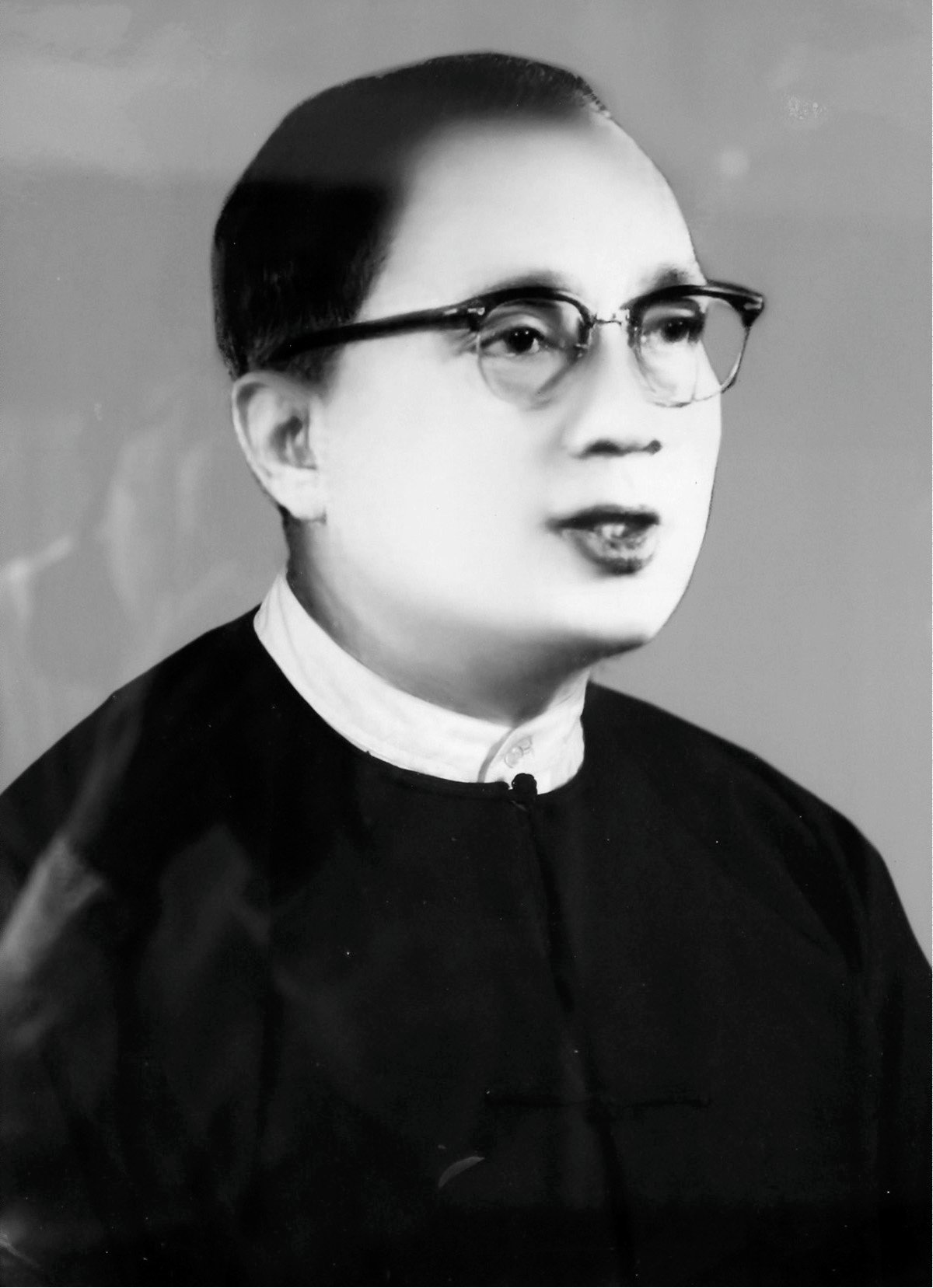
U Thant brought a postcolonial Asian perspective to the UN’s highest administrative office during an era of superpower confrontation and rapid membership growth.
Timeline
Key moments
Born in Pantanaw
Born in the Irrawaddy delta on 22 January.
Became a headmaster
Led the National High School in his home town.
Entered government information work
Became press director before later broadcasting and cabinet-office posts.
Represented Burma at the UN
Served as permanent representative with ambassadorial rank.
Appointed acting secretary-general
Succeeded Dag Hammarskjöld after the latter’s death.
Completed a decade at the UN
Retired after a second term on 31 December.
From the delta classroom to diplomacy
U Thant began as a teacher and journalist in Pantanaw, becoming headmaster in 1931. After independence he moved through government press, broadcasting and cabinet-secretariat positions under his friend U Nu.
He became Burma’s permanent representative to the United Nations in 1957. His reputation for patient negotiation helped make him the compromise choice after Secretary-General Dag Hammarskjöld died in September 1961.
Quiet diplomacy in a dangerous decade
The General Assembly appointed him acting secretary-general on 3 November 1961 and formally to the office in November 1962. His tenure encompassed the Congo operation, the Cuban Missile Crisis, the war in Vietnam, conflict in the Middle East and the admission of many newly independent states.
U Thant served until the end of 1971. His record is often associated with mediation and restraint, but the office also exposed the limits of an international organisation dependent on great-power consent. He died in New York in 1974.
Quick answers
Frequently asked questions about U Thant
- Who was U Thant?
- U Thant was a third secretary-general of the United Nations. U Thant brought a postcolonial Asian perspective to the UN’s highest administrative office during an era of superpower confrontation and rapid membership growth.
- What is U Thant best known for?
- U Thant is best known for leading the United Nations through the Congo crisis, Cuban Missile Crisis and decolonisation.
- When and where was U Thant born?
- U Thant was born on 22 January 1909 in Pantanaw, British Burma.
- When did U Thant die?
- U Thant died on 25 November 1974.
Sources and further reading
How this biography was checked
Core dates and offices are checked against the sources below. This profile was last reviewed on 9 September 2026.