Historical collection · Philippines

Martial law · Resistance · EDSA · Constitution

People Power and Philippine Democracy Figures

People Power joined years of legal defence, student and labour organising, Indigenous resistance, journalism and political opposition to a military breakaway and mass civilian mobilisation.

Nineteen lives across dictatorship and democratic transition

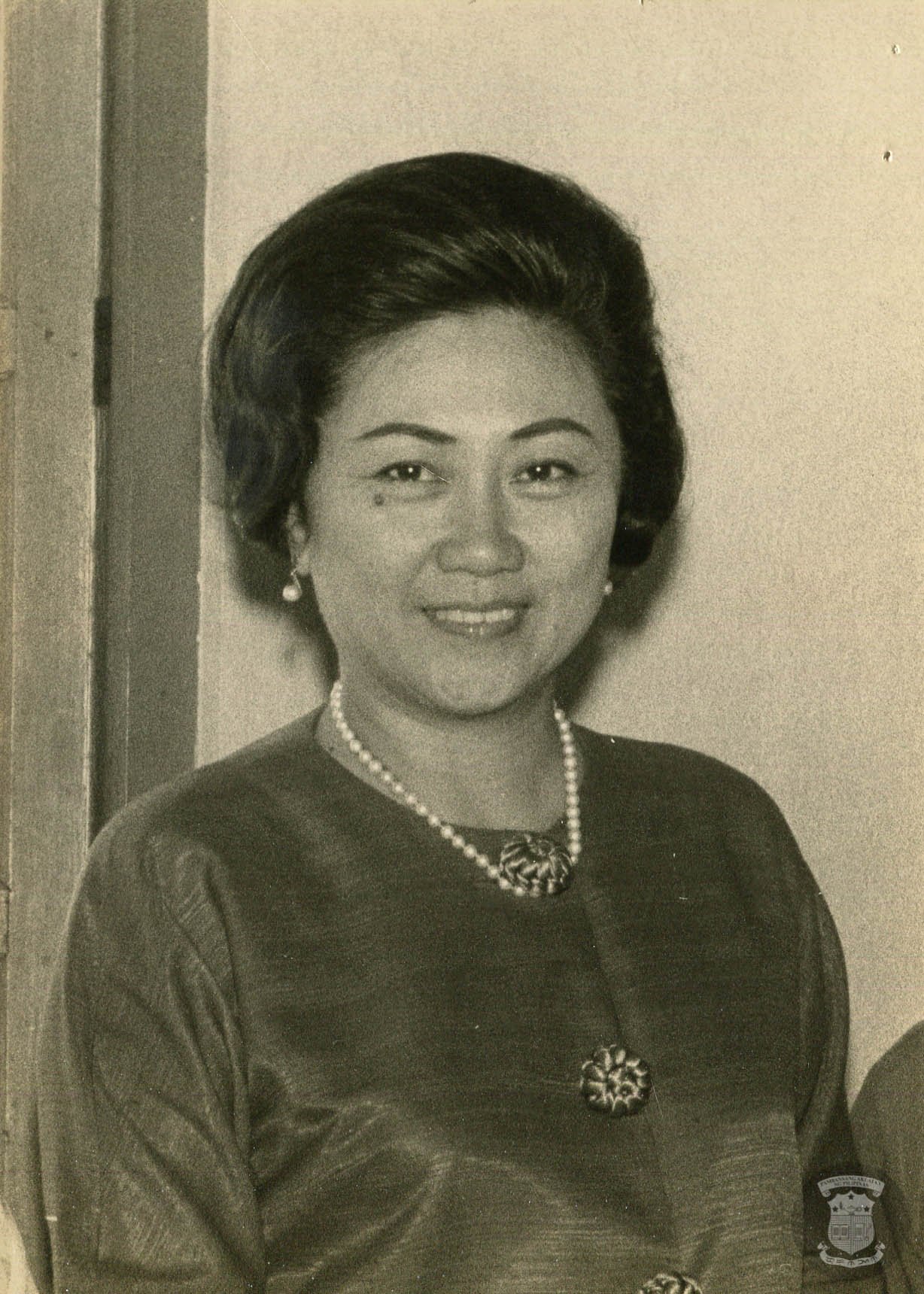
This collection does not reduce EDSA to one family, one institution or four days in February 1986. It places the Marcos presidency alongside victims, student and labour organisers, an Indigenous land defender, opposition politicians including Eva Estrada Kalaw, Mamintal Tamano and Salvador Laurel, rights lawyers, a publisher, a cardinal, military defectors and the jurist who presided over the drafting of a new constitution.

  1. 01

    Authoritarian power changed institutions

    Ferdinand Marcos concentrated executive and legislative authority while detention, censorship and military rule narrowed democratic opposition.

  2. 02

    Lawyers kept rights claims alive

    Jose W. Diokno, Lorenzo Tañada and Jovito Salonga defended detainees and built organisations that challenged authoritarian legality.

  3. 03

    Resistance extended beyond Manila elites

    Liliosa Hilao, Edgar Jopson and Macli-ing Dulag connect student writing, organised labour and Indigenous ancestral-domain defence to the national history of dictatorship.

  4. 04

    Information and civic networks mattered

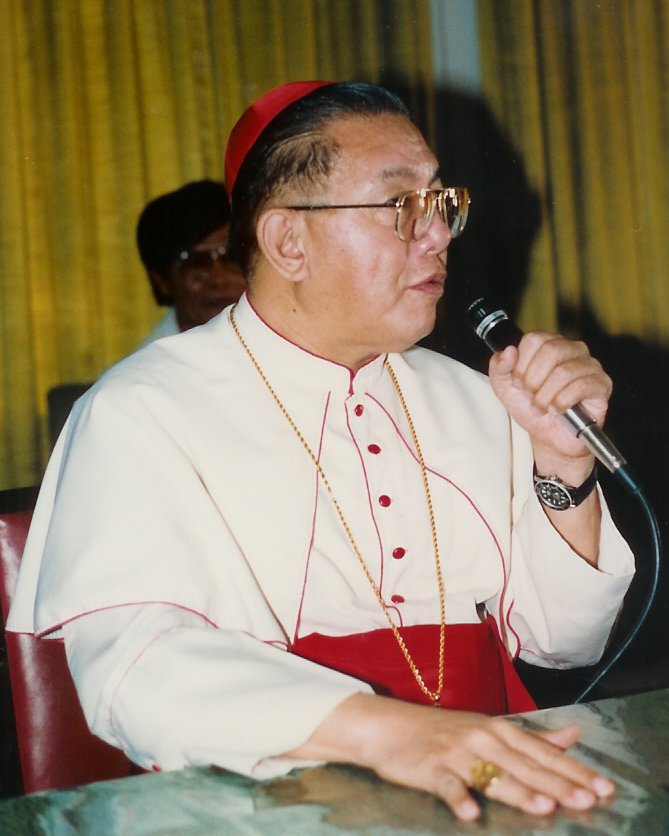
    Chino Roces and Jaime Cardinal Sin show how publishing, broadcasting, churches and voluntary networks moved people and information.

  5. 05

    Transition required political choices

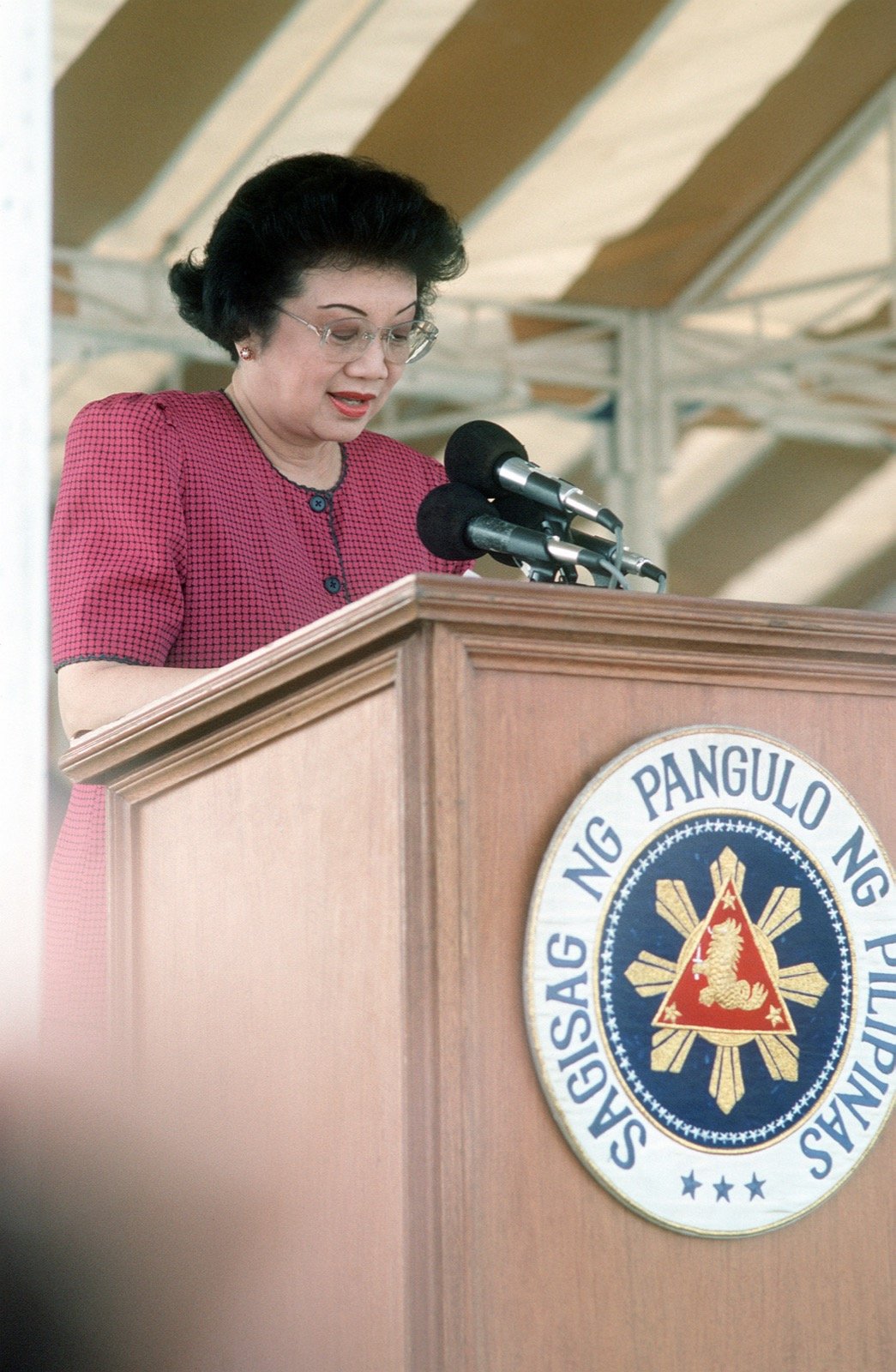
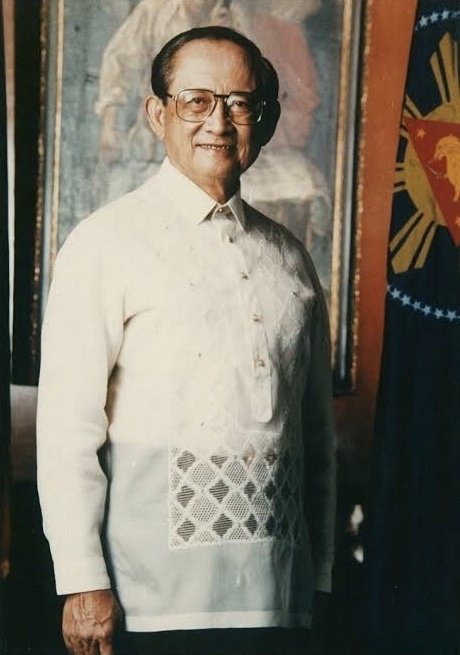
    Evelio Javier, Corazon Aquino, Fidel Ramos, Juan Ponce Enrile and Cecilia Muñoz-Palma connect election violence and military breakaway to constitutional reconstruction.

  6. 06

    Violence did not end with EDSA

    Lean Alejandro’s unsolved 1987 assassination shows why the restoration of constitutional government cannot be mistaken for an immediate end to political danger.

Nineteen biographies · 1898–2017

Meet the people behind dictatorship, resistance and restoration

Philippines · Politics

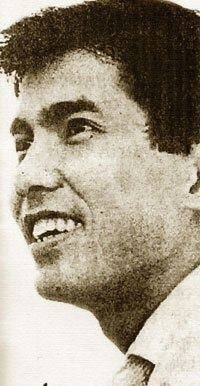
1948—1982

Edgar Jopson

Student, labour and anti-dictatorship organiserA Filipino organiser known as Edjop whose path from moderate student reform to labour and underground activism reflected the closing political space of the martial-law era.Read biography
Black-and-white official portrait of Filipino senator Jose W. DioknoPhilippines · Politics

1922—1987

Jose W. Diokno

Senator, lawyer and human rights advocateA Filipino senator and civil-liberties lawyer known as Ka Pepe who was detained without charge under martial law and built a national network of human rights defenders.Read biography
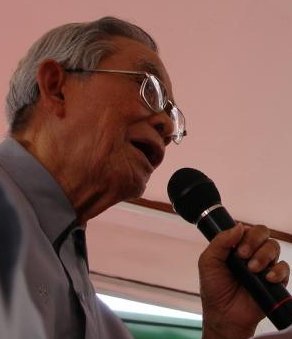
Filipino statesman Jovito Salonga speaking into a microphonePhilippines · Politics

1920—2016

Jovito Salonga

Opposition senator and post-EDSA Senate presidentA Filipino lawyer, opposition leader and statesman who survived wartime imprisonment and the Plaza Miranda bombing before helping rebuild the Senate after EDSA.Read biography
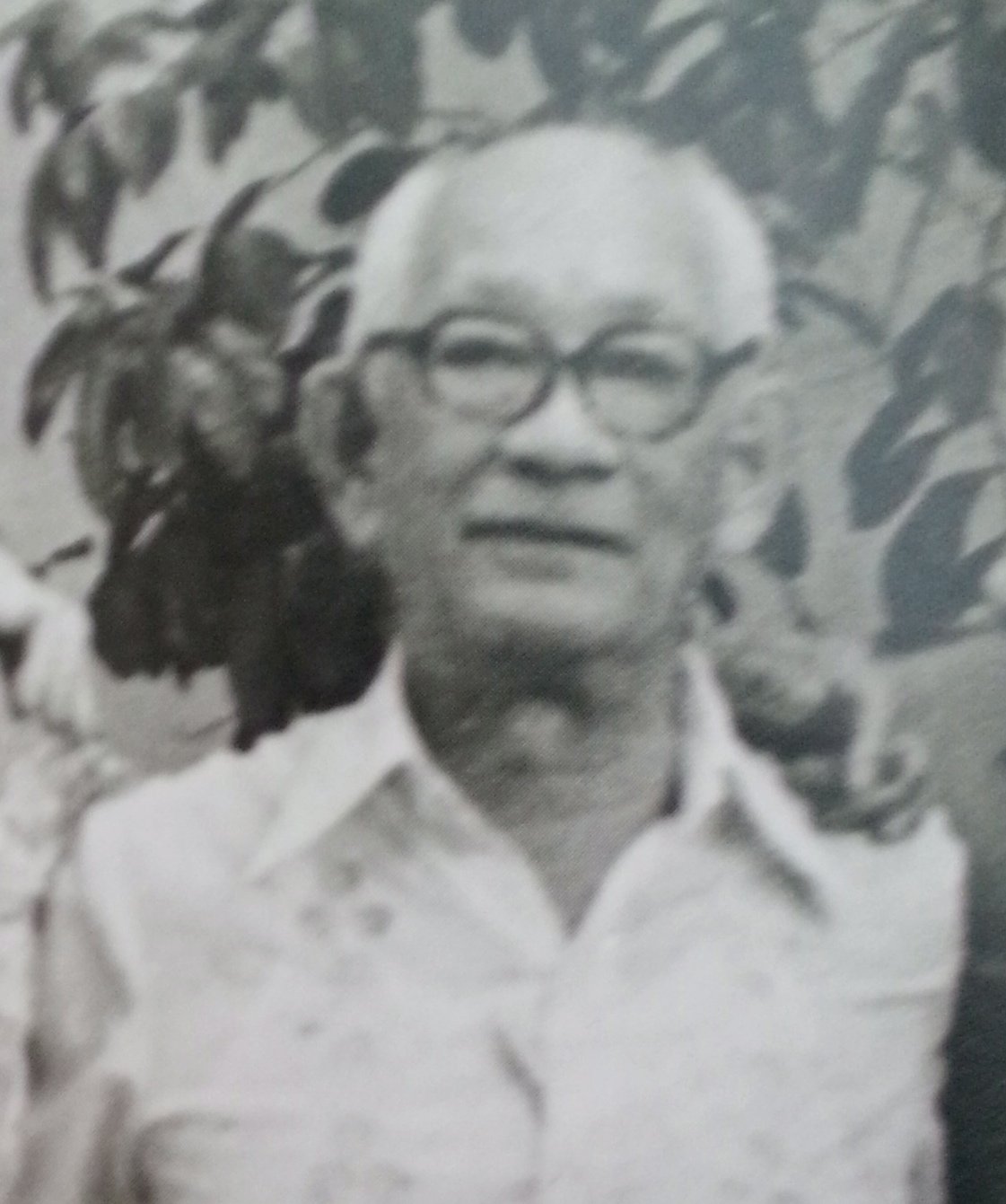
Black-and-white archival portrait of Filipino publisher Chino RocesPhilippines · Politics

1913—1988

Chino Roces

Publisher, journalist and democracy campaignerA Filipino newspaper publisher whose media organisations were closed under martial law and who later became a visible organiser of democratic protest.Read biography

Quick answers

People Power and martial law figures FAQs

Who were the main figures in the People Power Revolution?
Corazon Aquino became the opposition presidential candidate, while Fidel Ramos and Juan Ponce Enrile led the military breakaway and Cardinal Jaime Sin called civilians to support them. The movement also depended on many organisers, journalists, religious workers and citizens beyond nationally known leaders.
Why are Jose W. Diokno and Lorenzo Tañada important?
They used legal defence, public education and coalition-building to oppose detention and other abuses throughout the martial-law era. Their work helped sustain civil resistance well before the February 1986 crisis.
What did Chino Roces do before the 1986 election?
The publisher helped organise a campaign that gathered one million signatures urging Corazon Aquino to run against Marcos in the special presidential election.
Why is Ferdinand Marcos included in this collection?
A responsible account of democratic resistance must also explain the government and political system being opposed. Inclusion provides historical context; it is not an endorsement or a ranking.
Why are Liliosa Hilao and Macli-ing Dulag included?
Their biographies keep victims and grassroots resistance visible. Hilao connects student journalism to custodial abuse, while Macli-ing connects authoritarian development to Indigenous land rights in the Cordillera.
What role did Cecilia Muñoz-Palma play?
She wrote important judicial dissents during martial law and later presided over the commission that drafted the 1987 Constitution, linking institutional resistance with constitutional reconstruction.
Is People Power only the four days from 22 to 25 February 1986?
Those four days describe the immediate EDSA mobilisation. Its causes include years of resistance, the 1983 Aquino assassination and the disputed February 1986 election, while democratic reconstruction continued afterward.
Did political violence end after People Power?
No. The new government restored constitutional institutions, but activists and other civilians still faced violence. Lean Alejandro’s unsolved assassination in September 1987 is one prominent example.

Primary and institutional sources

How the collection was checked

Regional comparisons are checked against official archives, legislation and institutional histories. Individual biographies contain person-level citations.

  1. The LawPhil ProjectProclamation No. 1081 — declaration of martial law
  2. The LawPhil ProjectRepublic Act No. 10368 — recognition and reparation
  3. Supreme Court E-Library1986 Constitutional Commission proceedings
  4. Bantayog ng mga BayaniMartyrs and heroes of resistance to dictatorship