Explore Biography CompassBrowse biographies by field and collection.
Historical collection · Philippines
Guerrilla resistance · Allied return · Liberation · Political reconstruction
Philippine Liberation and Resistance Figures
Fifteen biographies connect the Allied return to Filipino intelligence, regional guerrilla commands, civilian resistance and the difficult reconstruction of national government.
Fifteen lives across a returning nation
Liberation was neither a single landing nor a story driven only by foreign commanders. Sergio Osmeña returned with the Commonwealth government, Ruperto Kangleon prepared Leyte for the invasion, Macario Peralta Jr. and Tomas Confesor connected military and civil resistance in Panay, and Bado Dangwa helped lead the northern campaign. Alongside them, couriers, broadcasters, nurses, soldiers and political organisers turned local knowledge into intelligence, survival and resistance.
01
Government returned through a military campaign
Osmeña restored Commonwealth authority on Leyte, while wartime officials and resistance leaders negotiated how institutions would function after occupation.
02
Resistance was regional and structurally diverse
Kangleon in Leyte, Peralta in Panay, Dangwa in northern Luzon and Taruc in Central Luzon led organisations with different chains of command and political foundations.
03
Women carried intelligence, command and relief
Panlilio broadcast and led with the Marking Guerrillas, Leones moved intelligence, Fernandez commanded locally, and Escoda organised aid before her arrest.
04
Liberation did not settle wartime political conflict
Recognition, collaboration cases, agrarian demands and competing claims to legitimacy shaped postwar careers and the memory of resistance.
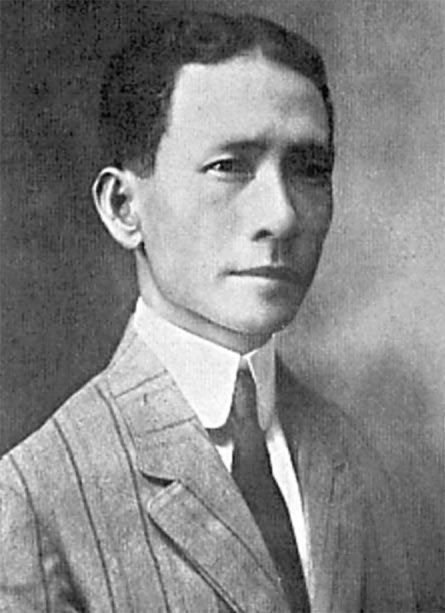
President of the Commonwealth of the PhilippinesA Cebu statesman who succeeded Manuel Quezon in exile and led the Commonwealth government during the liberation of the Philippines.Read biography
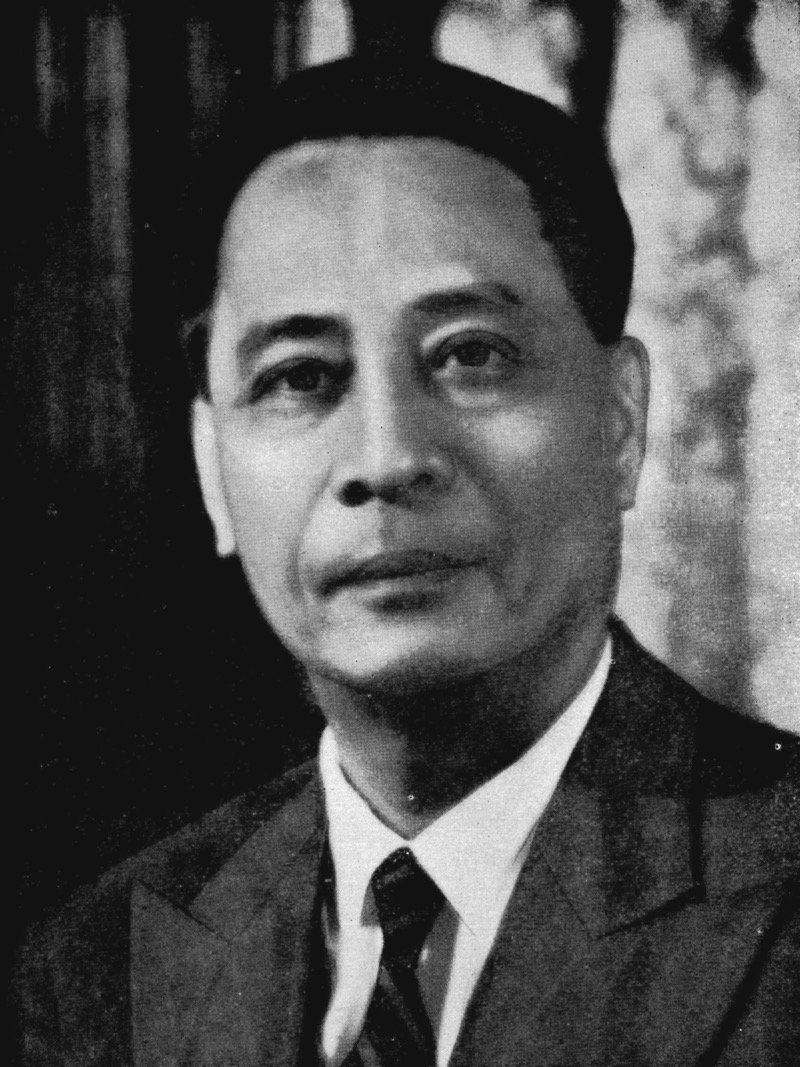
Last Commonwealth president and first president of the independent Third RepublicThe final Commonwealth president who became the first leader of the independent Third Republic and confronted postwar reconstruction.Read biography
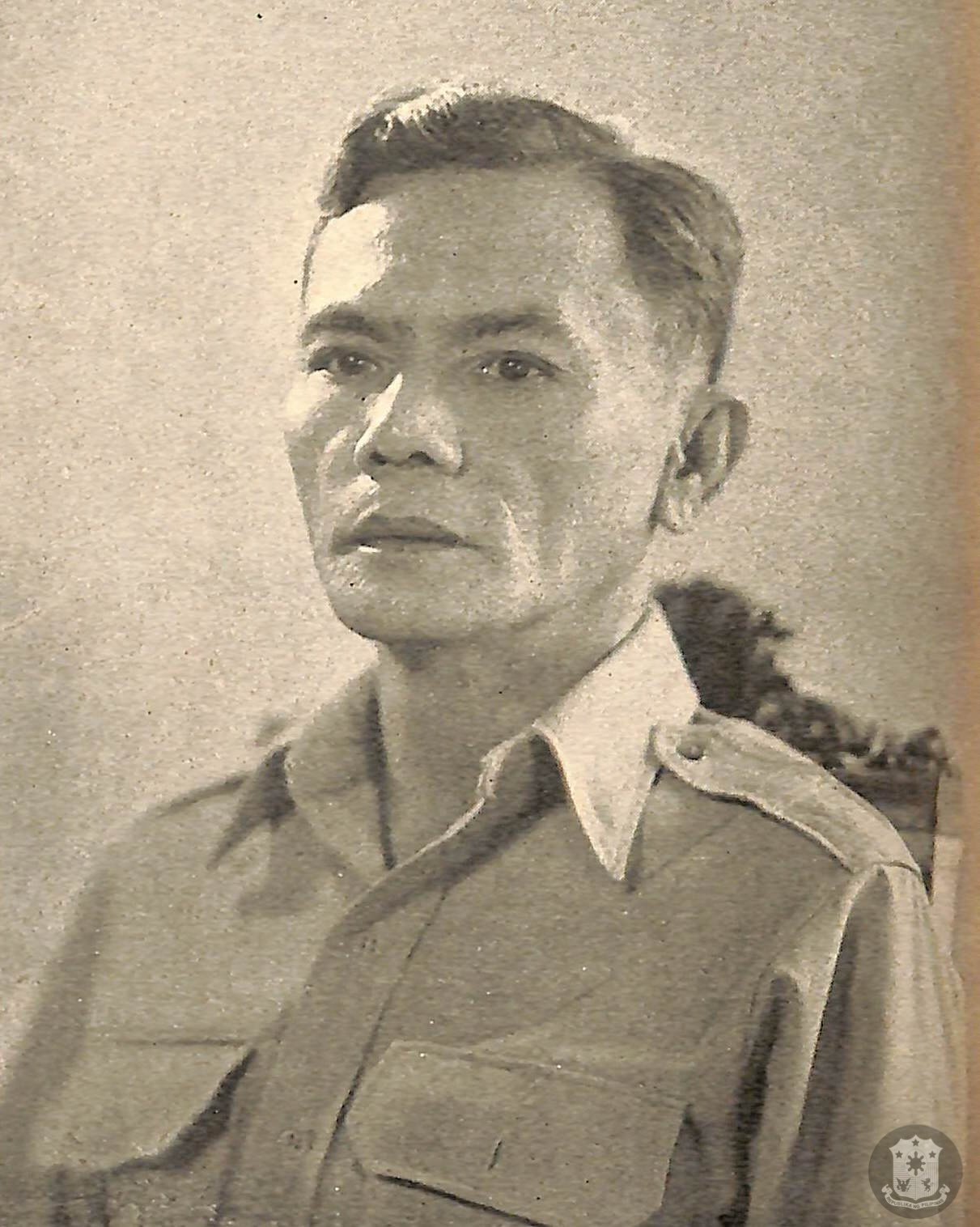
Leyte guerrilla commander, defence secretary and senatorA Philippine Army officer who unified much of the Leyte resistance, supported the returning Commonwealth government and later served as defence secretary and senator.Read biography
Fighter pilot and Allied intelligence officerA pioneering Philippine Army Air Corps pilot who fought in the opening campaign and then led a clandestine intelligence mission linking guerrillas to Allied headquarters.Read biography
Filipina American journalist, intelligence agent and guerrilla leaderA Manila journalist who passed intelligence through censored broadcasting, became second-in-command of the Marking Guerrillas and later wrote a major wartime memoir.Read biography
Lawyer, Mindanao guerrilla commander and legislatorA Maguindanaon lawyer and wartime commander who built an interfaith resistance force and later represented Mindanao in the Senate and House.Read biography
Transport entrepreneur, guerrilla officer and governorA self-taught mechanic and transport entrepreneur whose wartime service with northern Luzon guerrillas preceded a decade in provincial government.Read biography
Wartime intelligence agent and Silver Star recipientA wartime special agent who repeatedly crossed Japanese-held territory with intelligence and critical supplies for guerrilla forces in northern Luzon.Read biography
Schoolteacher and Leyte guerrilla commanderA teacher turned guerrilla commander who led an approximately 110-member resistance unit operating south of Tacloban in Leyte.Read biography
Guerrilla commander, senator and defence secretaryA reserve officer who refused to surrender Panay, unified guerrilla forces in the central Philippines and later served as senator and defence secretary.Read biography
Iloilo governor, civil resistance leader and senatorAn economist, governor and senator who rejected office under occupation and led the civil resistance government in Panay.Read biography
Peasant organiser and Hukbalahap leaderA peasant organiser who helped lead the Hukbalahap against Japanese occupation, was blocked from taking his elected seat in 1946 and later led an armed rebellion against the Philippine government.Read biography
Philippine Scout, Medal of Honor recipient and guerrilla agentA Philippine Scout who crossed exposed ground to restore a silenced gun at Bataan, survived the Death March and captivity, and later aided a guerrilla intelligence network.Read biography
Brigadier general and guerrilla organiserThe first Filipino graduate of West Point, a 41st Division commander in Bataan and a guerrilla organiser executed by Japanese forces in Manila.Read biography
Social worker, suffragist and wartime humanitarianA social worker and women’s-rights organiser who founded the Girl Scouts of the Philippines, aided wartime prisoners and was killed during the Japanese occupation.Read biography
Continue the story
Follow the return across the archipelago
Read four connected campaigns from the first return at Leyte to the decisive sea battle, the liberation of Panay and the mountain fighting at Bessang Pass.
Philippine liberation and resistance: quick answers
When did the liberation of the Philippines begin?
The major return began with the Leyte landings on 20 October 1944. Campaigns then continued across the archipelago through 1945, while fighting persisted until Japan’s surrender.
What role did Filipino guerrillas play?
They gathered intelligence, rescued airmen, disrupted Japanese movement, maintained local authority and fought alongside returning forces. Their organisations varied widely by region and politics.
Which women are included in this collection?
Yay Panlilio, Magdalena Leones, Nieves Fernandez and Josefa Llanes Escoda represent broadcasting, intelligence, local command and humanitarian relief.
Was the Battle of Leyte Gulf fought on land?
It was a naval campaign fought in several connected actions around the central Philippines. Its outcome protected the troops and supplies already landing on Leyte.
Did liberation immediately reunify Philippine politics?
No. Questions of collaboration, recognition, agrarian reform and legitimacy continued after the war and shaped the new republic.
Primary and institutional sources
How the collection was checked
Regional comparisons are checked against official archives, legislation and institutional histories. Individual biographies contain person-level citations.
 Philippines · Politics
 Philippines · Politics
 Philippines · Politics
 Philippines · Politics
 Philippines · Culture
 Philippines · Politics