 Philippines · Politics
1878—1944
Historical collection · Philippines
Commonwealth · Occupation · Resistance · LiberationNineteen biographies connect governments in exile and occupation to refusal, military defence, humanitarian rescue, intelligence and locally organised resistance.
This collection does not label every public figure a resistance hero. It places Manuel Quezon and Sergio Osmeña’s Commonwealth government beside José P. Laurel’s occupation-era republic; José Abad Santos’s refusal beside Artemio Ricarte’s support for Japan; and formal military leadership beside underground aid, intelligence and regional guerrilla command. Those contrasts make coercion, choice and consequence easier to examine.
Quezon and Osmeña sustained the Commonwealth abroad, while Laurel led a republic whose authority remained constrained by Japanese military power.
Abad Santos rejected cooperation under captivity, while Ricarte’s anti-American nationalism led him toward support for Japan.
Lim, Vinzons and Peralta organised armed defence; Escoda used civic networks to aid prisoners, internees and underground operations.
Postwar politics, commemoration and biography continued to debate collaboration, sacrifice, recognition and the civilian cost of return.
Nineteen biographies · 1866–2016
Philippines · Politics1878—1944
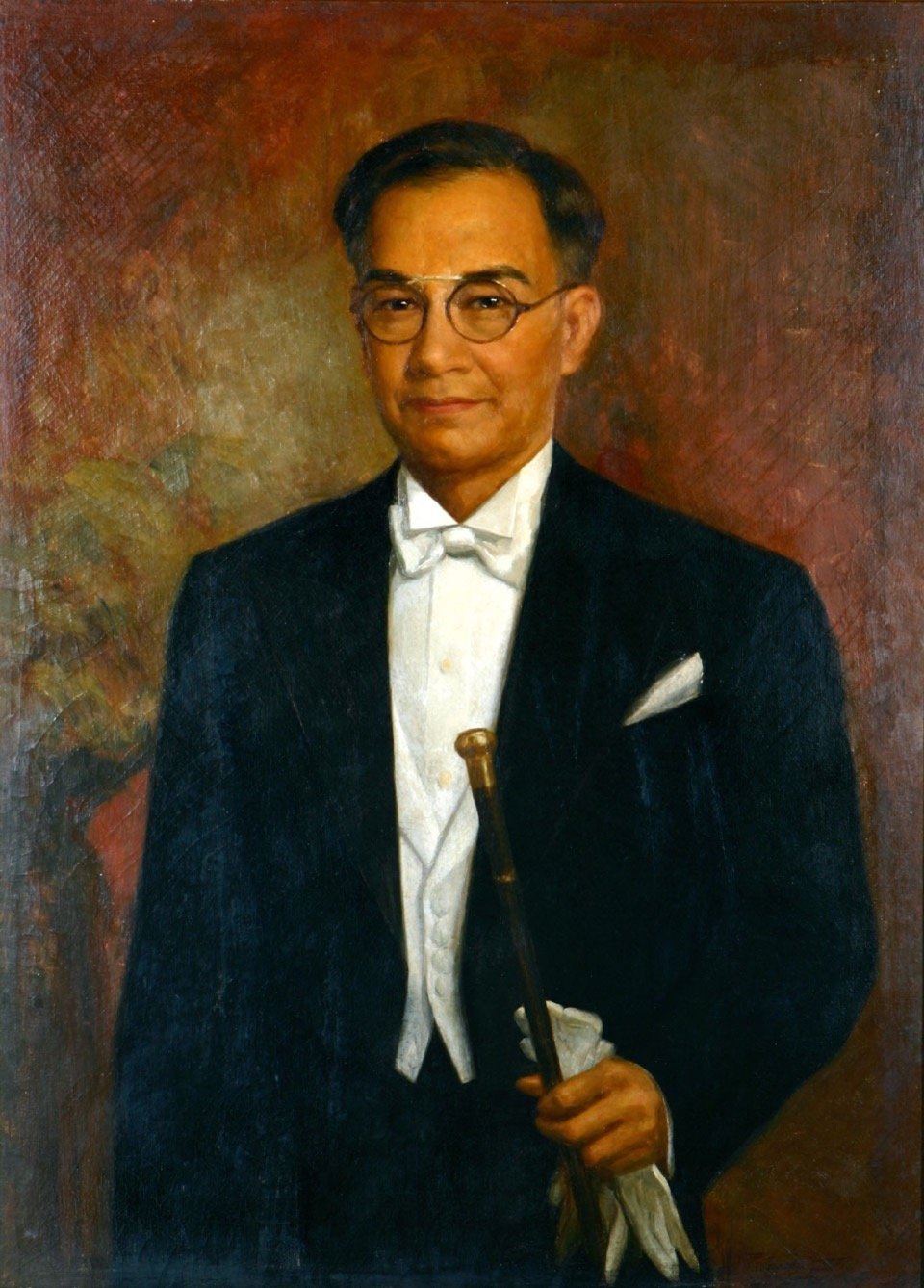 Philippines · Politics
1891—1959
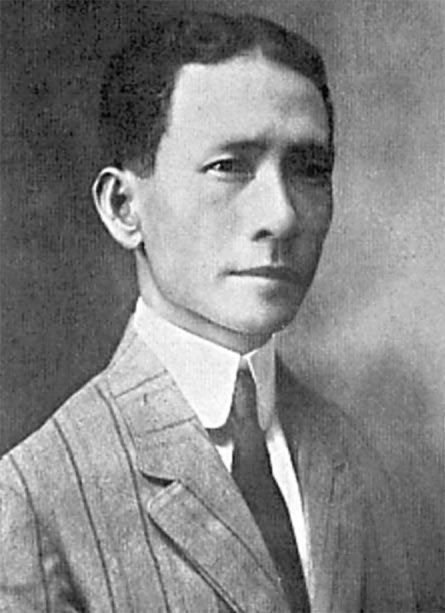 Philippines · Politics
1878—1961
1866—1945
1886—1942
1888—1944
1898—1945
1910—1942
1913—1965
1907—1998
1920—2016
c. 1906—unknown
1891—1951
1913—2005
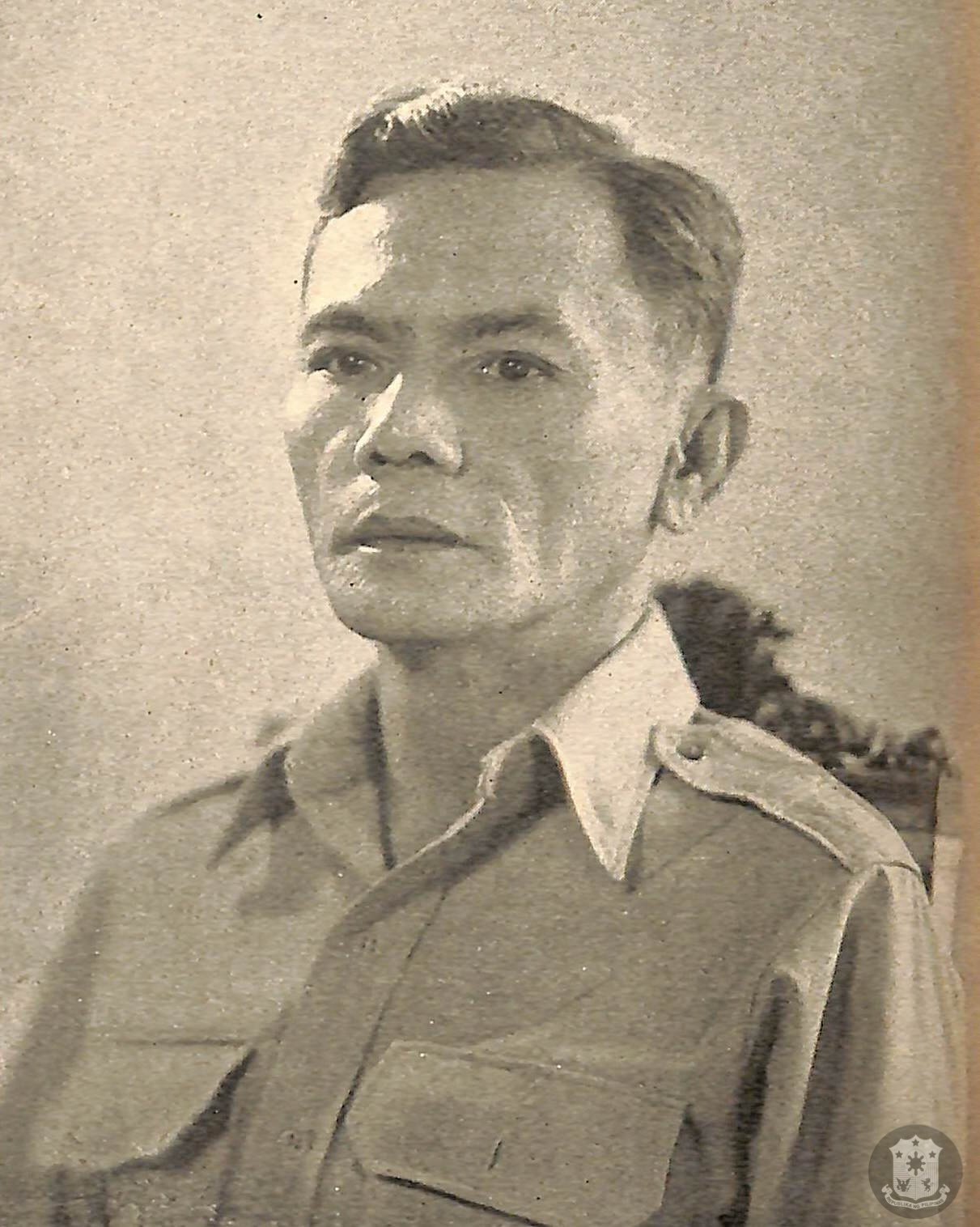 Philippines · Politics
1890—1958
 Philippines · Politics
1914—1971
 Philippines · Culture
1913—1978
 Philippines · Politics
1912—1985
1905—1976
Continue the story
Move from the national occupation timeline into Manila’s destructive liberation, then follow the restoration of Commonwealth authority and formal independence.
Quick answers
Primary and institutional sources
Regional comparisons are checked against official archives, legislation and institutional histories. Individual biographies contain person-level citations.