
In this biography
Quick facts
- Born
- 10 July 1925
- Birthplace
- Alor Setar, Kedah
- Country
- Malaysia
- Nationality
- Malaysian
- Known for
- Industrialisation, Vision 2020 and two non-consecutive premierships
- Offices
- Prime Minister, 1981–2003 and 2018–2020
- Training
- Physician
- Political parties
- UMNO; later BERSATU and PEJUANG
- Also known as
- Bapa Pemodenan · Father of Modernisation
Why this life matters
Mahathir accelerated industrialisation and infrastructure building while leaving a contested legacy of centralised power, institutional conflict and political reinvention.
Timeline
Key moments
Born in Alor Setar
Born on 10 July; his official birth date was recorded as 20 December.
Qualified as a doctor
Graduated from medical college in Singapore and entered government service.
Entered Parliament
Won the Kota Setar Selatan seat for UMNO.
Became deputy prime minister
Was appointed deputy to Hussein Onn.
First premiership began
Became Malaysia’s fourth prime minister on 16 July.
Vision 2020 announced
Set out a long-term ambition for Malaysia to become a fully developed nation.
Retired after 22 years
Left office on 31 October and was succeeded by Abdullah Ahmad Badawi.
Returned as seventh prime minister
Led the first federal opposition victory, then resigned amid a coalition crisis.
Doctor, writer and rising politician
Mahathir was born in Alor Setar and trained as a physician in Singapore. He worked in government hospitals before opening a private practice. His medical career ran alongside political activity in UMNO, where he developed a reputation as a forceful writer on Malay economic advancement and national development.
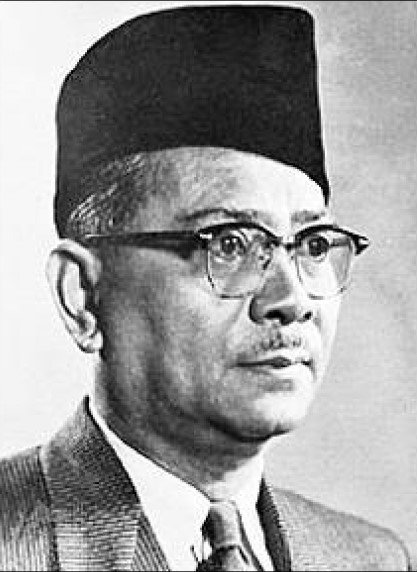
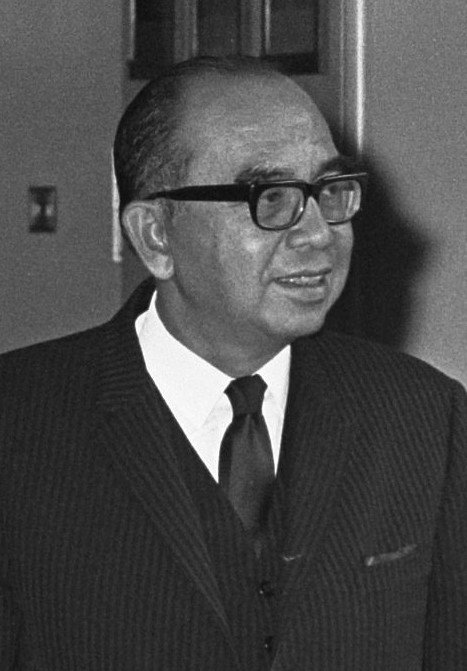
First elected to Parliament in 1964, he lost his seat in 1969 and was expelled from UMNO after criticising Tunku Abdul Rahman. He returned to the party in 1972, became education minister in 1974 and deputy prime minister in 1976. Five years later, he succeeded Hussein Onn.
The long modernisation drive
During his first premiership, the government pursued heavy industry, export manufacturing, privatisation and major infrastructure. The Look East Policy encouraged learning from Japan and South Korea, while Proton, new expressways, Kuala Lumpur International Airport and the Multimedia Super Corridor became symbols of a more industrial Malaysia.
Vision 2020, announced in 1991, described development in broader terms than income alone, linking economic growth to education, social maturity and national confidence. The period brought rapid transformation, but large projects, close government-business relationships and uneven gains also generated sustained debate.
Power, crisis and contestation
Mahathir’s first era was also marked by strong executive control and conflict with other institutions. Restrictions on dissent, use of preventive detention and the 1988 judicial crisis remain central to assessments of his rule. Supporters emphasise stability and state capacity; critics point to weakened checks and balances.
The 1997 Asian financial crisis produced a sharp break between Mahathir and his deputy, Anwar Ibrahim. Anwar was dismissed in 1998, while the government imposed selective capital controls and pegged the ringgit. The political rupture helped launch the Reformasi movement and reshaped opposition politics.
Retirement, opposition and return
Mahathir retired in 2003 but remained an active critic of later leaders. He left UMNO during the 1MDB controversy, helped form BERSATU and joined former rivals in Pakatan Harapan. Their victory in the 2018 election ended Barisan Nasional’s uninterrupted federal rule, and Mahathir returned as prime minister at 92.
His second government reopened investigations and pursued institutional reforms, but disagreements over succession and coalition strategy persisted. Mahathir resigned in February 2020 as the governing alliance fractured. His two premierships therefore bookend major phases of both establishment rule and political realignment.
Quick answers
Frequently asked questions about Mahathir Mohamad
- Who is Mahathir Mohamad?
- Mahathir Mohamad is a fourth and seventh Prime Minister of Malaysia. Mahathir accelerated industrialisation and infrastructure building while leaving a contested legacy of centralised power, institutional conflict and political reinvention.
- What is Mahathir Mohamad best known for?
- Mahathir Mohamad is best known for industrialisation, Vision 2020 and two non-consecutive premierships.
- When and where was Mahathir Mohamad born?
- Mahathir Mohamad was born on 10 July 1925 in Alor Setar, Kedah.
Sources and further reading
How this biography was checked
Core dates and offices are checked against the sources below. This profile was last reviewed on 31 August 2026.