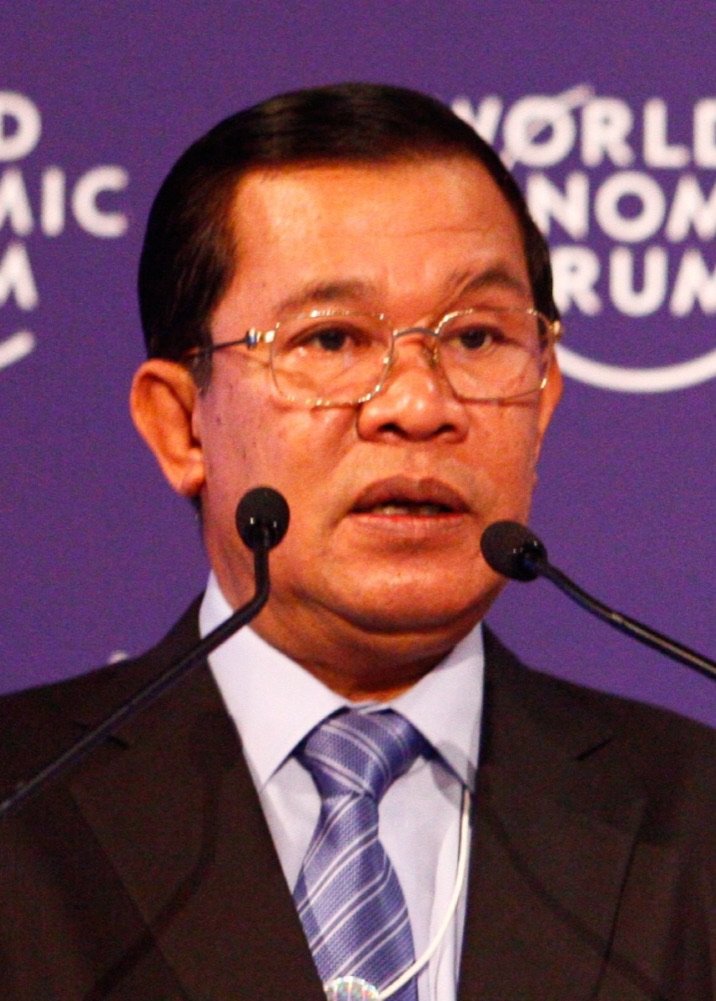
In this biography
Quick facts
- Born
- 5 August 1952
- Birthplace
- Peam Kaoh Sna, Kampong Cham, Cambodia
- Country
- Cambodia
- Nationality
- Cambodian
- Known for
- Leading Cambodia’s government for nearly four decades
- Prime minister
- 1985–2023
- Senate office
- President from 2024
- Political party
- Cambodian People’s Party
- Earlier office
- Foreign minister from 1979
Why this life matters
Hun Sen oversaw reconstruction, the peace-settlement era and sustained economic growth, while his long rule is also associated with concentrated power, weakened opposition and human-rights criticism.
Timeline
Key moments
Defected from the Khmer Rouge
Crossed into Vietnam after serving as a regimental commander.
Became foreign minister
Joined the new Vietnam-backed People’s Republic of Kampuchea government.
Became prime minister
Took office at age thirty-two.
Entered a coalition government
Shared the premiership after the UN-organised election.
Consolidated control
Armed clashes removed co-prime minister Prince Norodom Ranariddh from power.
Transferred office and moved to the Senate
Hun Manet became prime minister; Hun Sen later became president of the Senate.
From civil war to government
Hun Sen joined the communist insurgency during Cambodia’s civil war and became a Khmer Rouge military commander. He defected to Vietnam in 1977 and returned after Vietnamese forces removed Democratic Kampuchea, becoming foreign minister in the new government.
He became prime minister in 1985 and remained central to the negotiations that produced the 1991 Paris Peace Agreements. After the 1993 UN-organised election, a power-sharing settlement made him second prime minister alongside Prince Norodom Ranariddh.
Long rule and managed succession
Clashes in 1997 displaced Ranariddh, and Hun Sen’s Cambodian People’s Party subsequently consolidated electoral and institutional control. His governments presided over peace, infrastructure, foreign investment and poverty reduction, but independent monitors documented restrictions on media, civic space and political opposition.
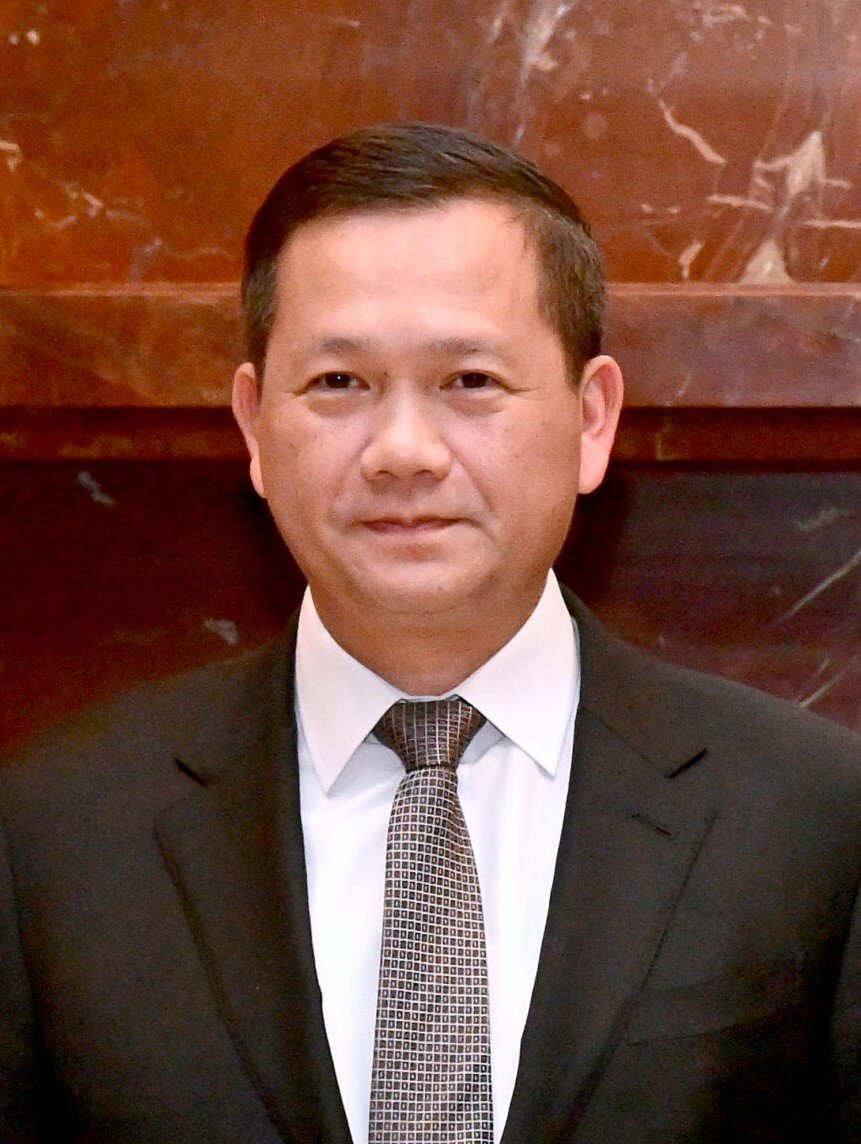
Hun Sen stepped down as prime minister in August 2023 when his son Hun Manet took office. He remained CPP president and became Senate president in 2024, retaining a powerful role in the state rather than retiring from politics.
Quick answers
Frequently asked questions about Hun Sen
- Who is Hun Sen?
- Hun Sen is a former prime minister and president of the Senate. Hun Sen oversaw reconstruction, the peace-settlement era and sustained economic growth, while his long rule is also associated with concentrated power, weakened opposition and human-rights criticism.
- What is Hun Sen best known for?
- Hun Sen is best known for leading Cambodia’s government for nearly four decades.
- When and where was Hun Sen born?
- Hun Sen was born on 5 August 1952 in Peam Kaoh Sna, Kampong Cham, Cambodia.
Sources and further reading
How this biography was checked
Core dates and offices are checked against the sources below. This profile was last reviewed on 9 September 2026.