Explore Biography CompassBrowse biographies by field and collection.
Collection · Malaysia and Indonesia
Independence · Konfrontasi · ASEAN · Culture · Sport
Two nations, one archipelago.
Ten lives connecting political conflict and reconciliation with related languages, circulating culture and one of world badminton’s defining rivalries.
Why these lives
Malaysia and Indonesia are distinct nations with different colonial and political histories, yet their people remain connected by geography, related languages, migration, commerce and culture. These biographies keep both truths in view.
01
Independence and regional visions
Sukarno, Mohammad Hatta and Tunku Abdul Rahman led neighbouring anti-colonial projects while imagining different political futures for the Malay Archipelago.
02
Konfrontasi and reconciliation
Sukarno opposed the formation of Malaysia, while Suharto, Abdul Razak Hussein and Adam Malik helped end confrontation through the 1966 settlement.
03
A shared cultural world
P. Ramlee, Pramoedya Ananta Toer, Anggun and Siti Nurhaliza show how Malay and Indonesian language, publishing, cinema and music circulate across borders.
04
Sporting rivalry and admiration
Susi Susanti’s Olympic breakthrough belongs to a badminton culture in which Indonesian and Malaysian champions repeatedly define one another’s eras.
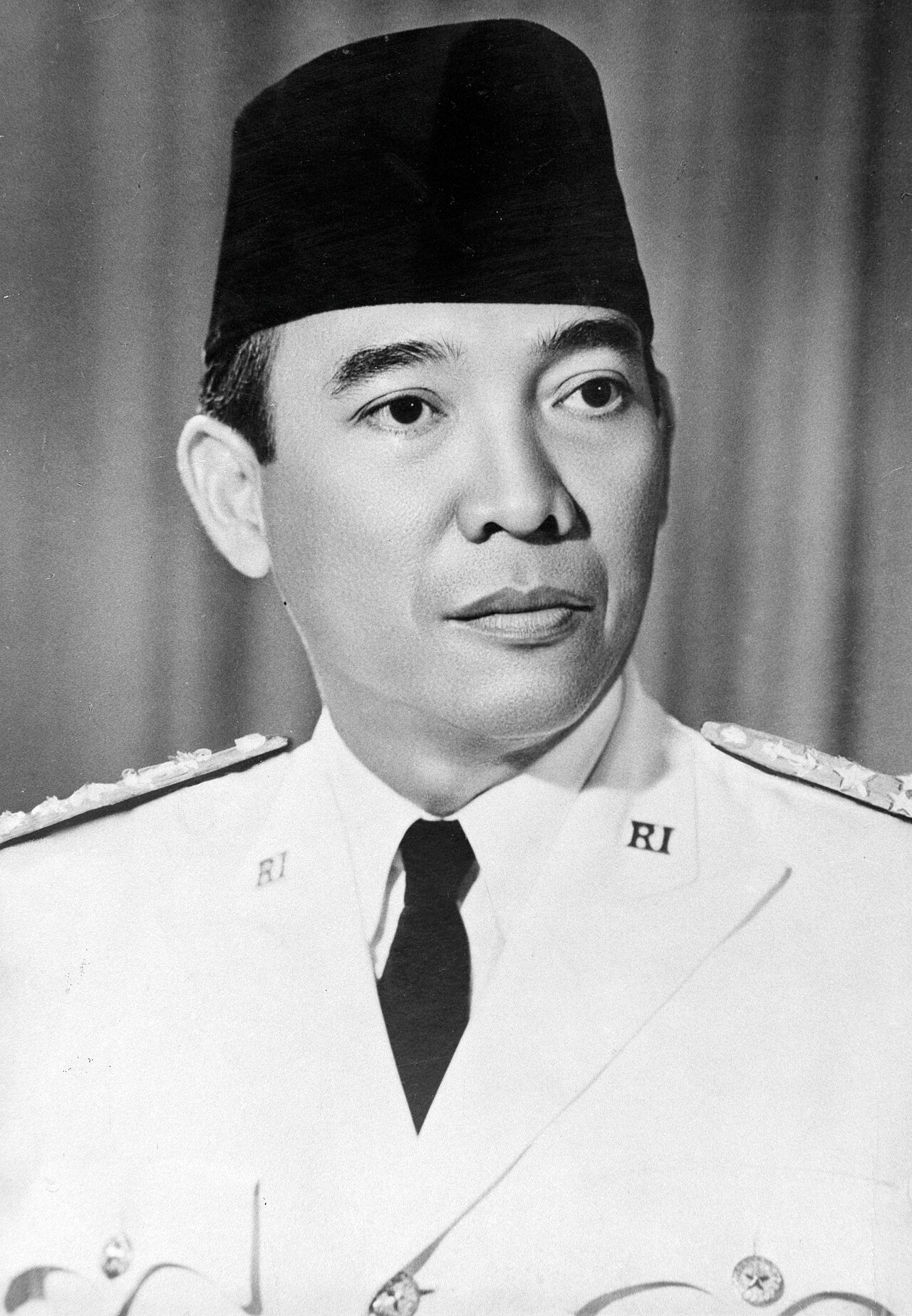
First President of IndonesiaAn independence leader, orator and Indonesia’s first president, who helped unite a vast archipelago around a new republic.Read biography
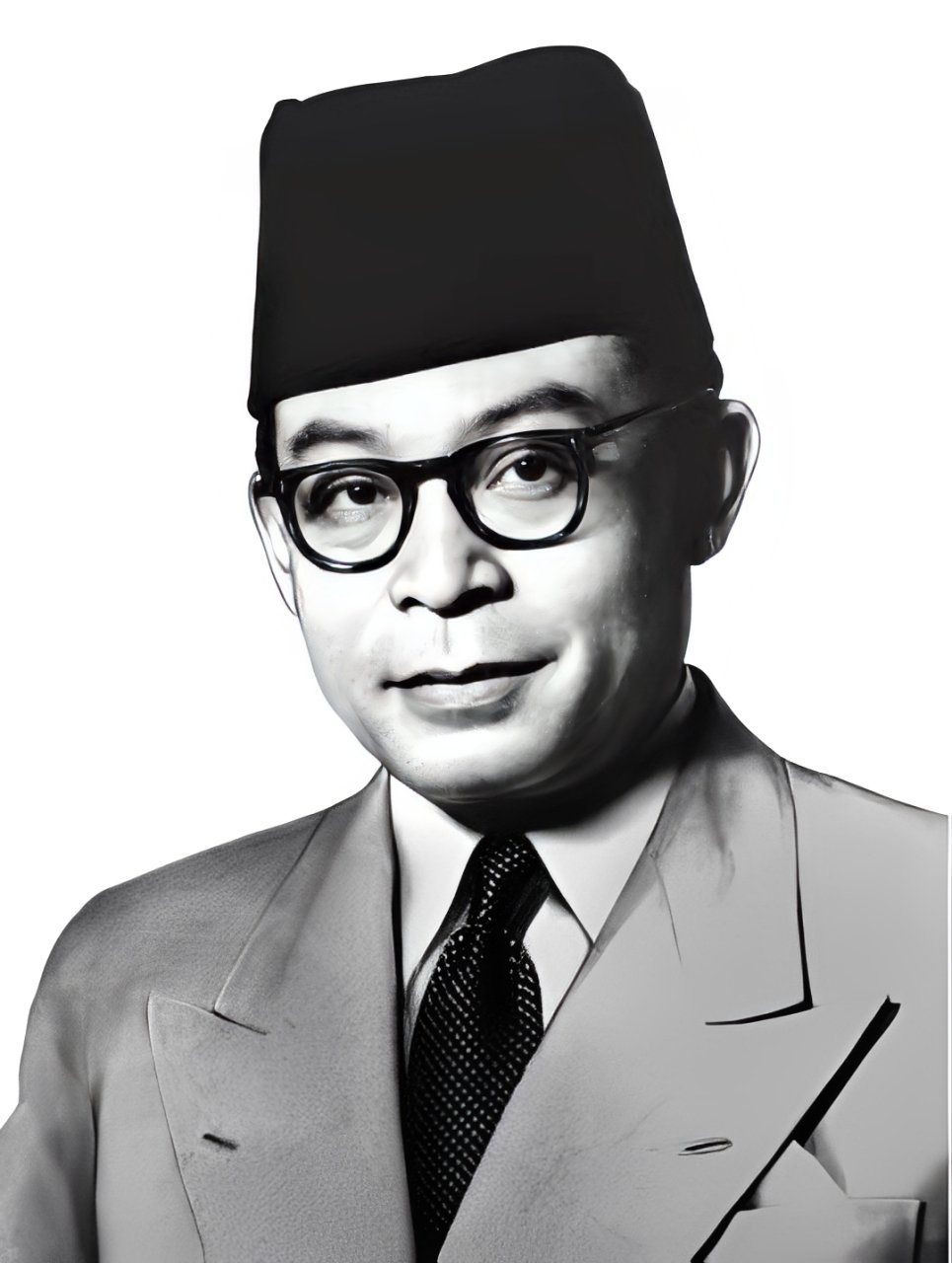
First Vice President of IndonesiaAn economist, independence leader and Indonesia’s first vice president, remembered as a co-proclaimer of the republic and an advocate of cooperatives.Read biography
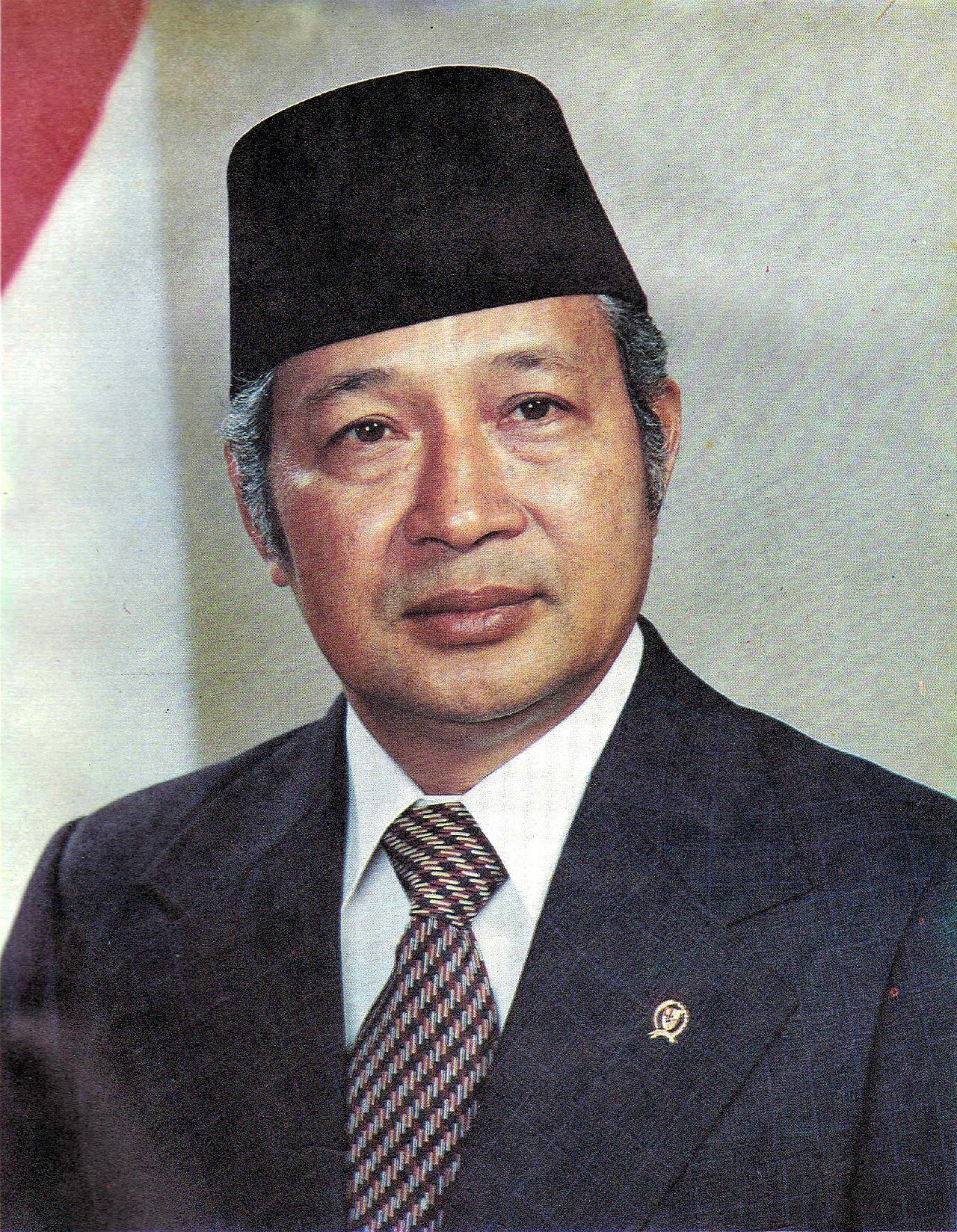
Second President of IndonesiaThe army general who displaced Sukarno and led Indonesia’s New Order from 1967 to 1998, combining economic growth with authoritarian rule.Read biography
First Prime Minister of MalaysiaThe independence leader who became Malaya’s first prime minister and helped define the federation that would become modern Malaysia.Read biography
Second Prime Minister of MalaysiaMalaysia’s second prime minister, remembered for rural development, post-1969 reconstruction and a far-reaching programme of social and economic restructuring.Read biography
Actor, filmmaker, singer and composerThe actor, director, singer and composer whose films and music became a shared cultural vocabulary across Malaysia, Singapore and the wider Malay world.Read biography
Novelist and essayistIndonesia’s most internationally read novelist, whose fiction and essays survived colonial prison, political detention and long periods of censorship.Read biography
Singer and songwriterA Jakarta-born singer who rebuilt her career in Europe and became one of the first Indonesian artists to achieve sustained international chart recognition.Read biography
Singer, recording artist and entrepreneurThe Pahang-born singer whose voice, repertoire and sustained public career made her one of the defining performers of modern Malaysian music.Read biography
Olympic and world champion badminton playerA women’s singles champion whose Barcelona victory delivered Indonesia’s first Olympic gold and made her a national sporting icon.Read biography
Quick answers
Malaysia–Indonesia history FAQs
What was the Indonesia–Malaysia Confrontation?
Konfrontasi was Indonesia’s political and military campaign against the formation of Malaysia. It ran from 1963 until a settlement was signed in Jakarta on 11 August 1966.
When did Indonesia and Malaysia become founding members of ASEAN?
Indonesia and Malaysia joined Singapore, the Philippines and Thailand in signing the ASEAN Declaration in Bangkok on 8 August 1967.
Are Malay and Indonesian the same language?
They are closely related standard forms rooted in Malay, but each has its own national history, vocabulary, usage and institutions. Mutual intelligibility is substantial but not complete in every context.
How does badminton connect the two countries?
Both countries treat badminton as a major national sport. Champions regularly meet in regional and global competition, making rivalry, training and shared spectatorship part of the relationship.
 Indonesia · Politics
 Indonesia · Politics
 Indonesia · Politics
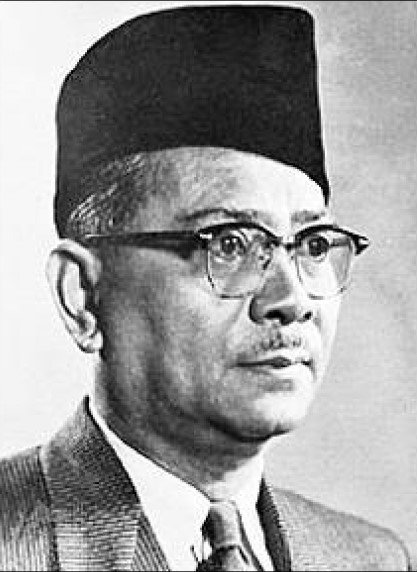 Malaysia · Politics
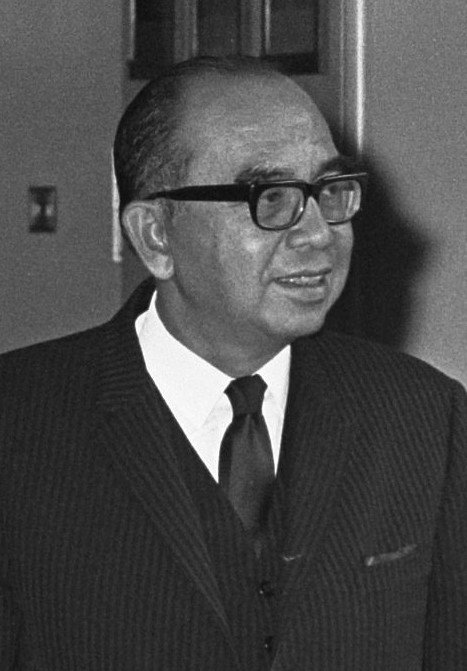 Malaysia · Politics
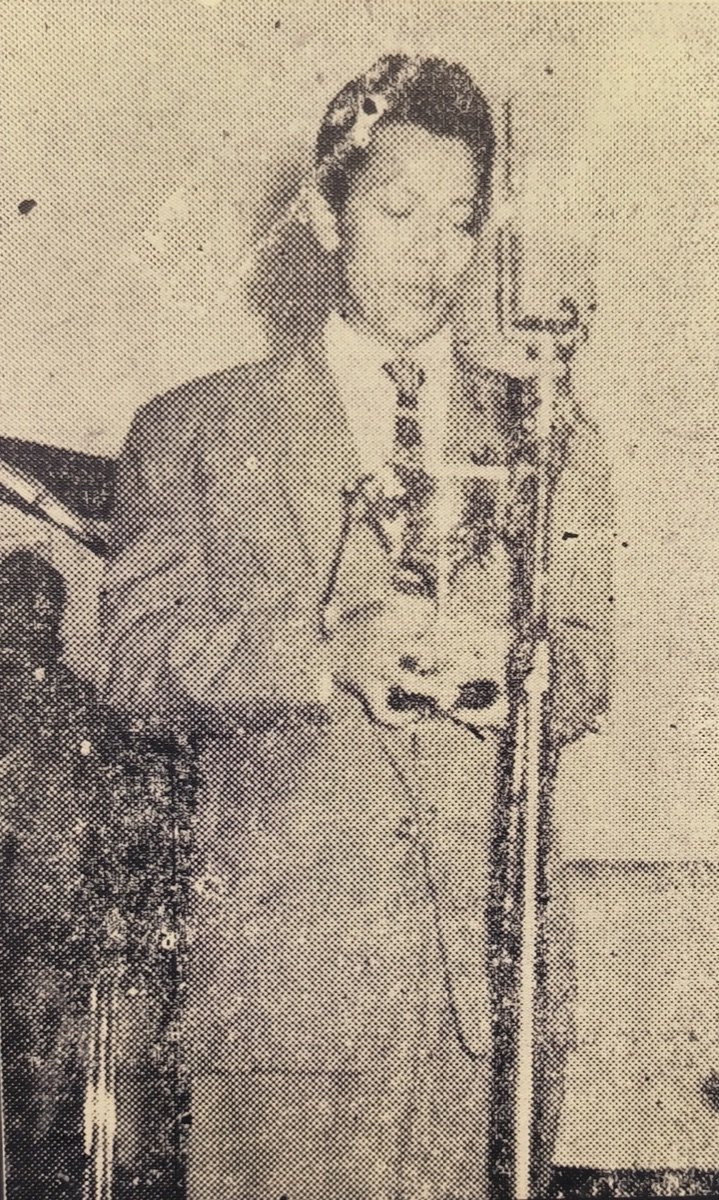 Malaysia · Culture
 Indonesia · Culture
 Malaysia · Culture
 Indonesia · Athletes