
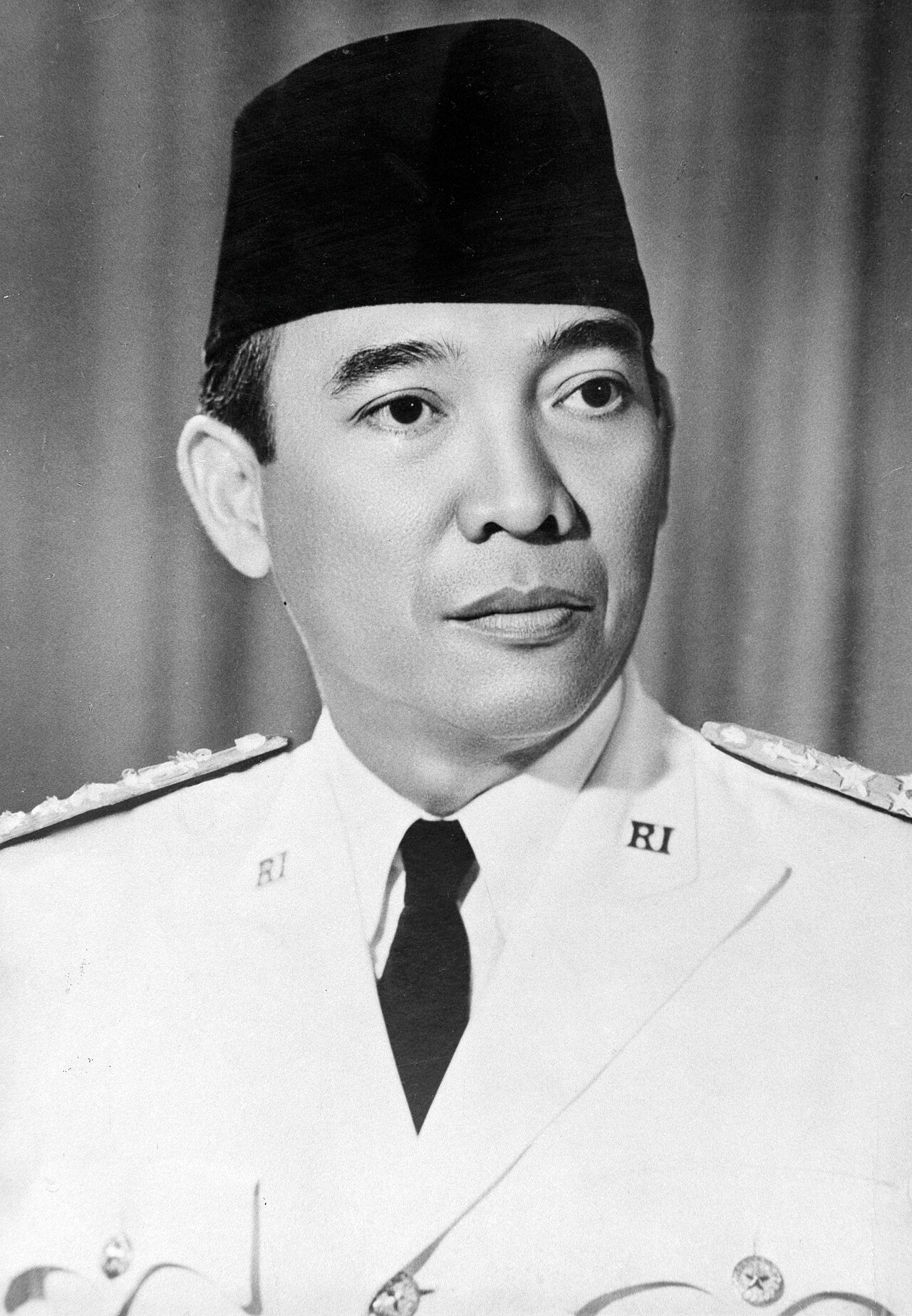
 Indonesia · Politics
1901—1970
Collection · Indonesian politics
Independence · New Order · Reformasi · Direct electionsEight source-led biographies connecting every president to the institutions, crises, elections and public choices that defined modern Indonesia.
Indonesia’s presidency has moved from revolutionary appointment and assembly selection to direct popular election. This collection keeps constitutional succession, disputed authority and electoral mandate distinct while showing how each administration inherited the structures of the one before it.
Sukarno connected the 1945 proclamation and anti-colonial revolution with Pancasila, parliamentary instability and the increasingly concentrated authority of Guided Democracy.
Suharto built a development-focused state around military power, bureaucracy and Golkar, ruling for more than three decades before the Asian financial crisis and mass protests ended his presidency.
B. J. Habibie, Abdurrahman Wahid and Megawati Sukarnoputri opened political competition, negotiated new institutional boundaries and governed through a rapid sequence of constitutional transitions.
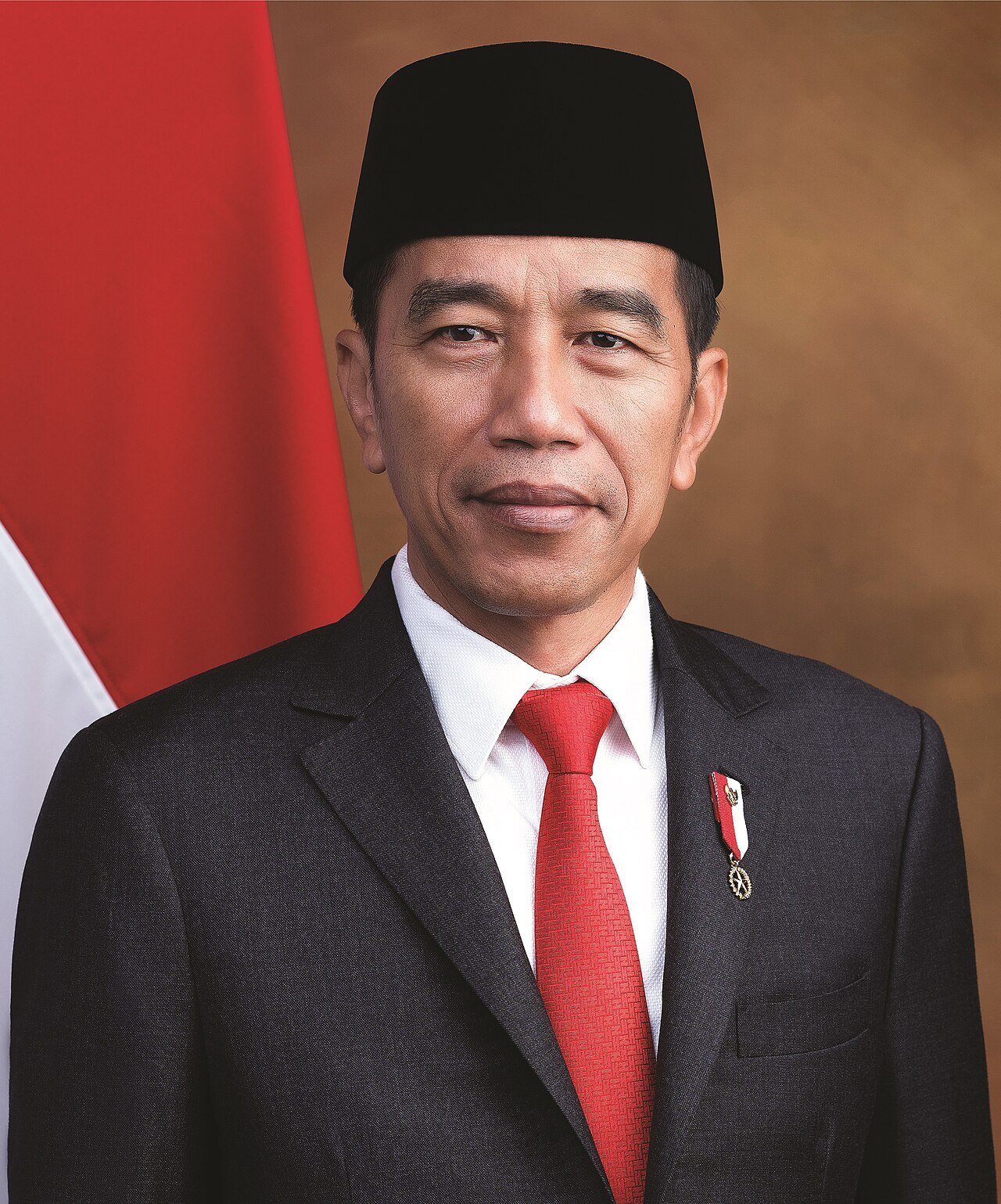
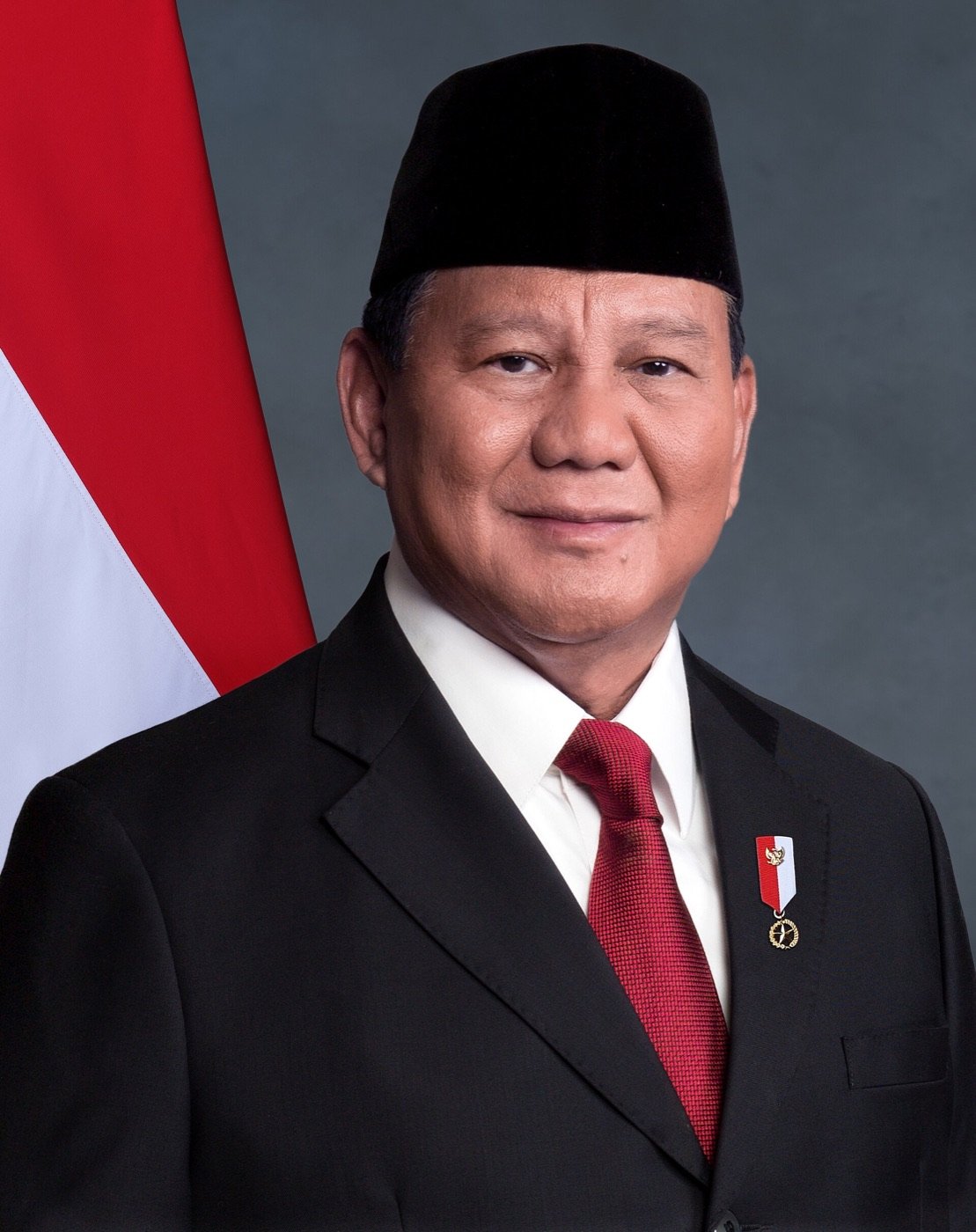
Susilo Bambang Yudhoyono, Joko Widodo and Prabowo Subianto won national mandates directly from voters, reshaping party coalitions, executive legitimacy and the meaning of political continuity.
8 sourced biographies
Indonesia · Politics1901—1970
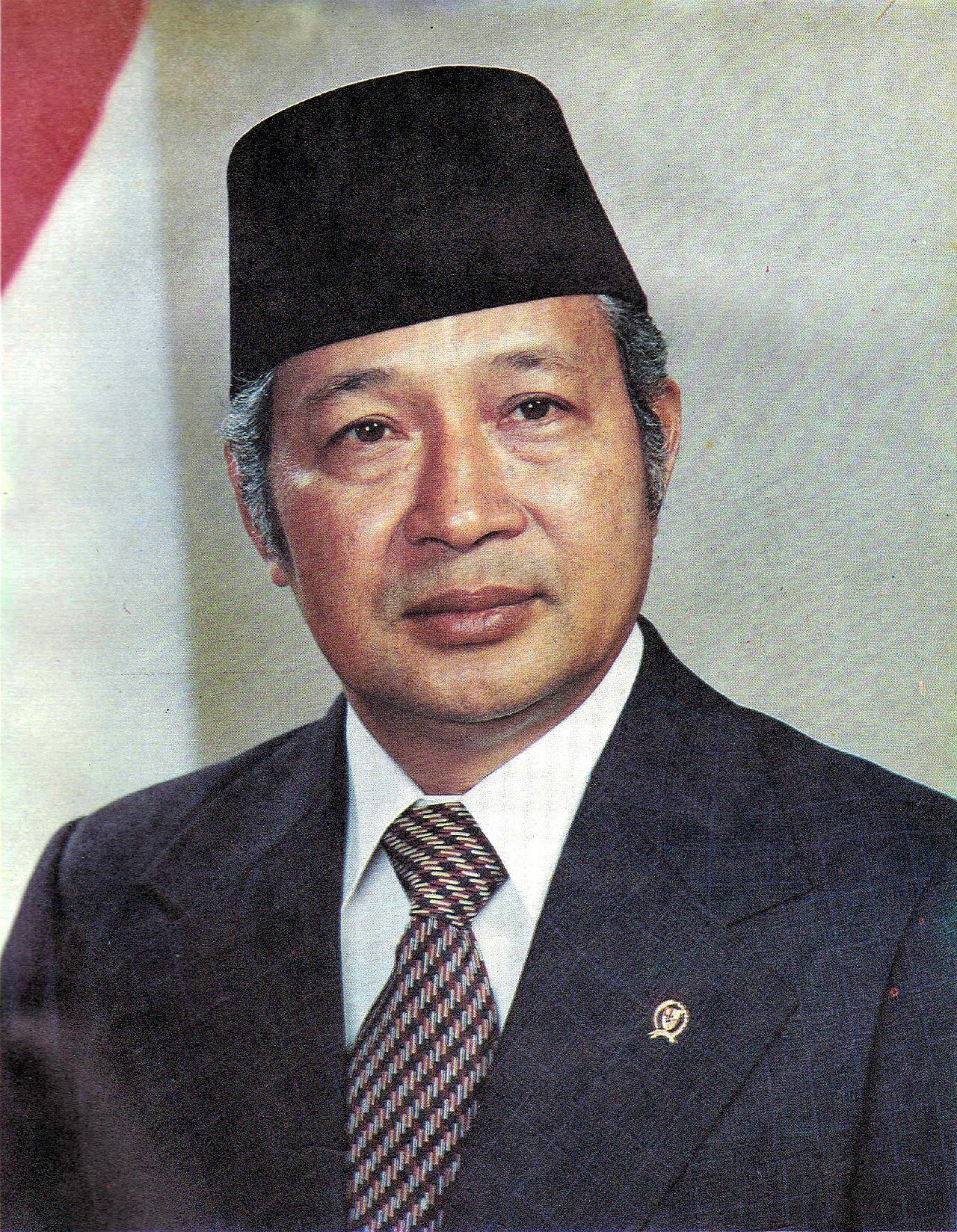 Indonesia · Politics
1921—2008
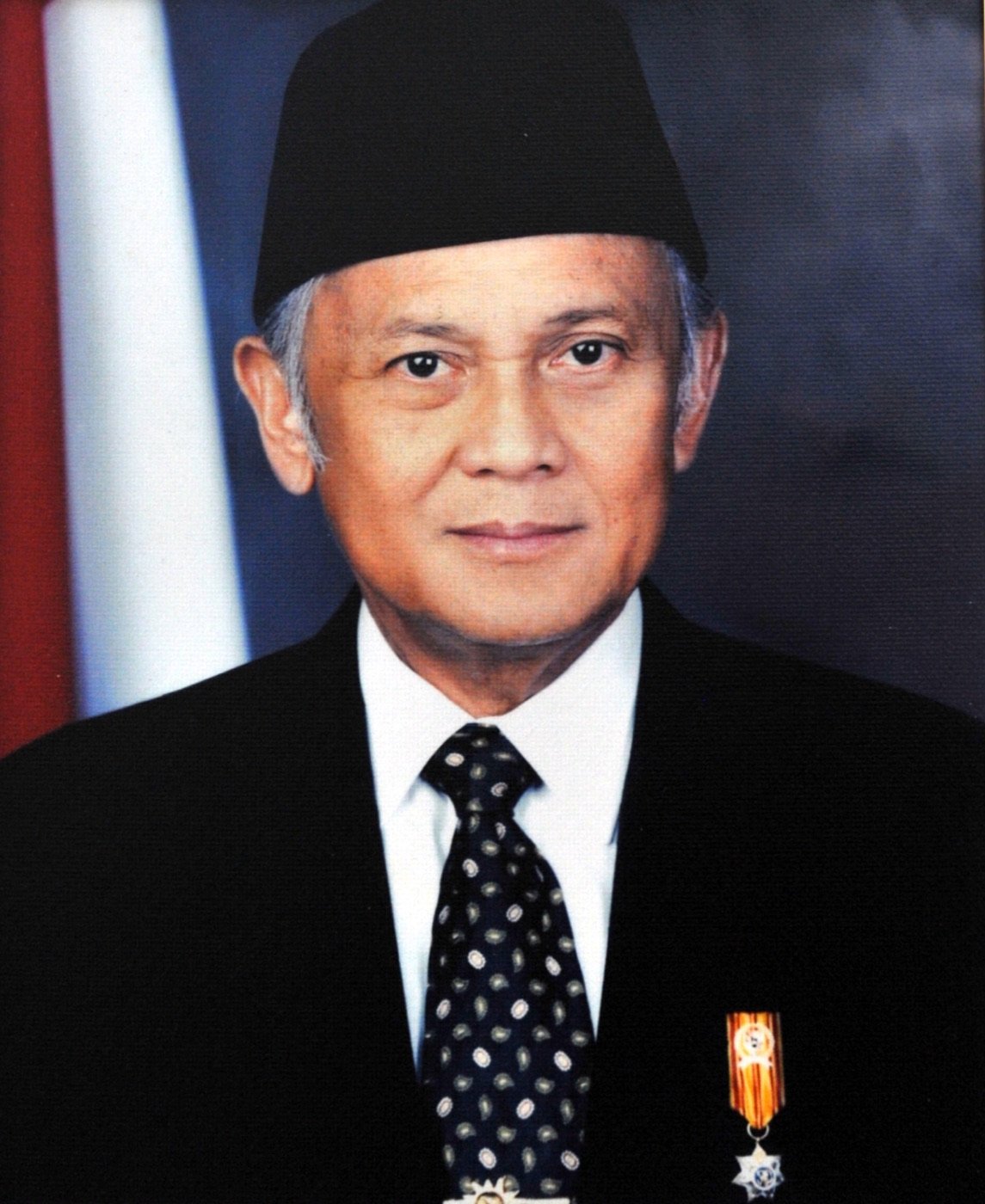 Indonesia · Politics
1936—2019
 Indonesia · Politics
1940—2009
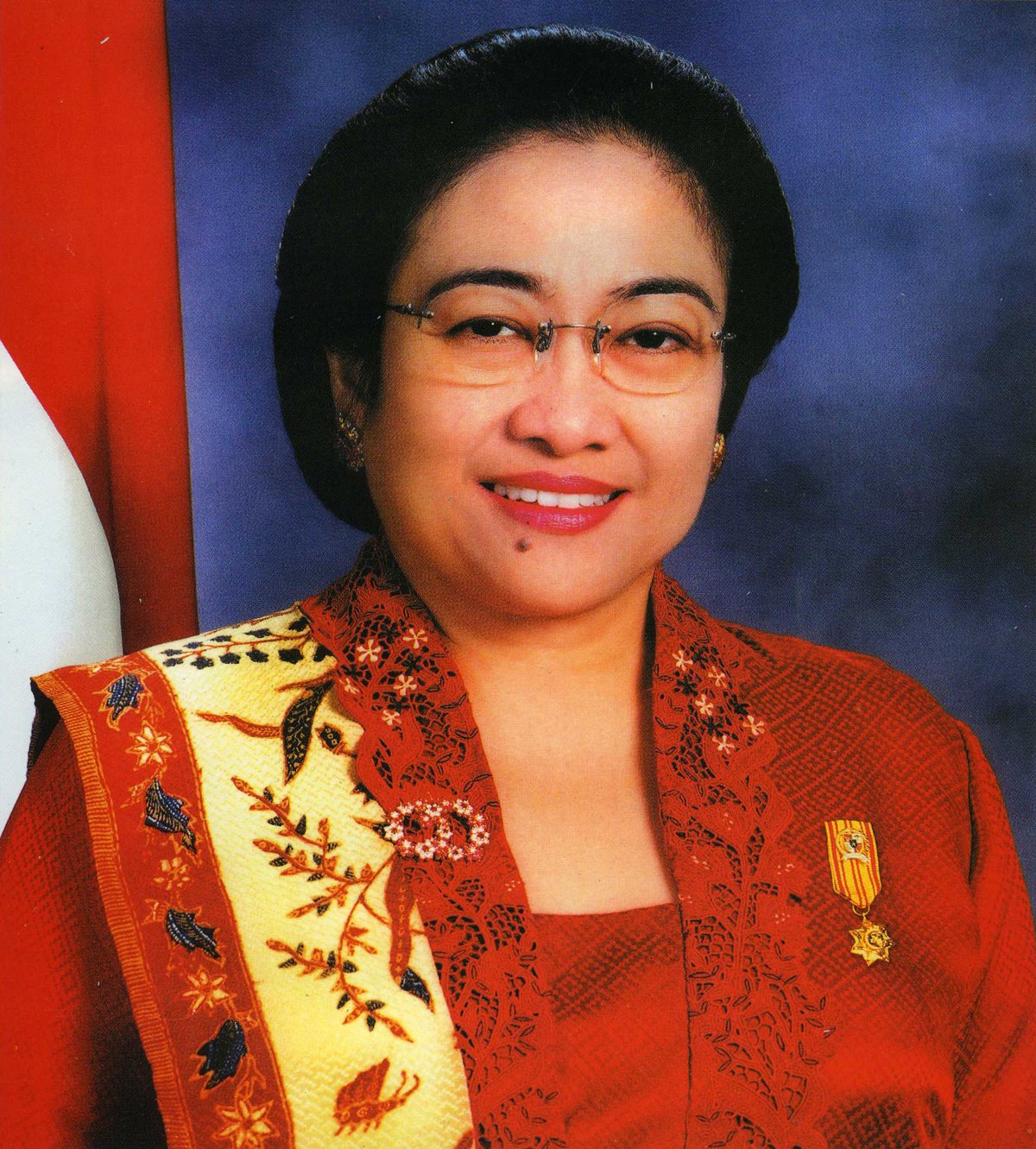 Indonesia · Politics
1947—
 Indonesia · Politics
1949—
 Indonesia · Politics
1961—
 Indonesia · Politics
1951—
Continue the chronology
Start with the founding republic, examine the New Order system and follow the reforms that created direct presidential elections.
Quick answers