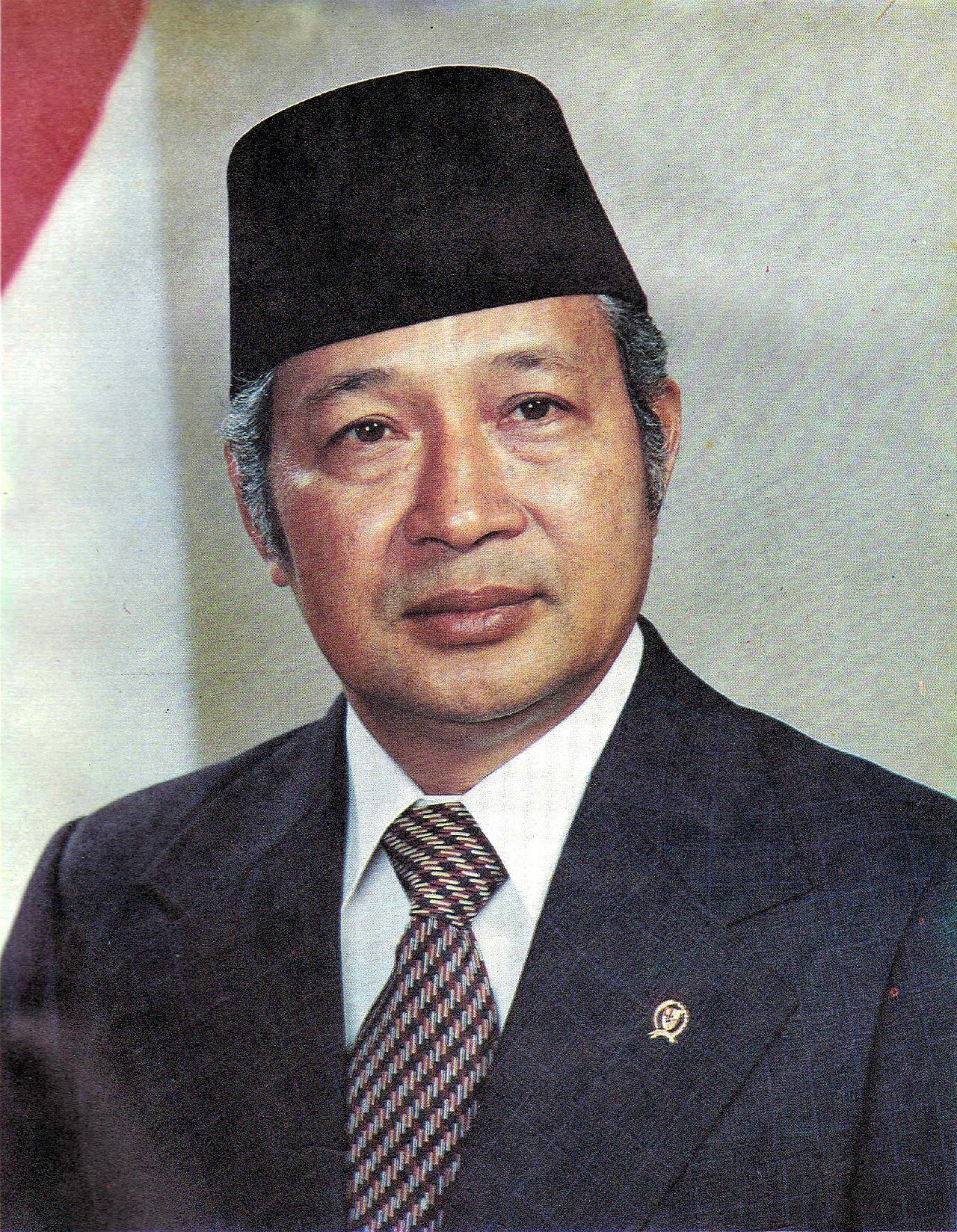
In this biography
Quick facts
- Born
- 8 June 1921
- Died
- 27 January 2008
- Birthplace
- Kemusuk, Yogyakarta
- Country
- Indonesia
- Nationality
- Indonesian
- Known for
- Building the New Order state and ruling Indonesia for more than three decades
- Office
- President, 1967–1998
- Political era
- New Order
- Earlier career
- Indonesian Army general
- Left office
- 21 May 1998
Why this life matters
Suharto’s long presidency transformed Indonesia’s economy and institutions, but it was also marked by repression, corruption and unresolved human-rights abuses.
Timeline
Key moments
Began a military career
Entered colonial military service before joining forces that became the Indonesian army.
Rose after a national crisis
Assumed military control after the 30 September Movement and the mass violence that followed.
Became acting president
Received presidential authority after Sukarno was removed from power.
Confirmed as president
Began the first of six full presidential terms under the New Order.
Resigned during Reformasi
Left office amid economic crisis, demonstrations and collapsing political support.
From soldier to president
Suharto rose through the armed forces during revolution and independence. After the failed 30 September Movement in 1965, he took control of the army while soldiers and allied groups carried out mass killings and detentions directed principally against alleged communists.
The New Order
As president, Suharto stabilised relations with foreign governments, encouraged investment and oversaw decades of development and poverty reduction. Power was tightly managed through the military, Golkar, bureaucracy and restrictions on opposition, labour, media and civil society.
Reformasi and historical accountability
The Asian financial crisis exposed economic and political vulnerabilities, and Suharto resigned in May 1998 after nationwide protests. Debate over his legacy continues to weigh development gains against corruption, the destruction of democratic freedoms and abuses in Indonesia, East Timor and other regions.
Quick answers
Frequently asked questions about Suharto
- Who was Suharto?
- Suharto was a second President of Indonesia. Suharto’s long presidency transformed Indonesia’s economy and institutions, but it was also marked by repression, corruption and unresolved human-rights abuses.
- What is Suharto best known for?
- Suharto is best known for building the New Order state and ruling Indonesia for more than three decades.
- When and where was Suharto born?
- Suharto was born on 8 June 1921 in Kemusuk, Yogyakarta.
- When did Suharto die?
- Suharto died on 27 January 2008.
Sources and further reading
How this biography was checked
Core dates and offices are checked against the sources below. This profile was last reviewed on 8 September 2026.