
The short answer
Malaysia’s November 2022 election left no single bloc with a majority in the Dewan Rakyat. Anwar Ibrahim was sworn in on 24 November. The Cabinet took shape in early December, and the coalition partners put their cooperation in writing on 16 December. Following these stages explains how groups that had campaigned against one another came to share federal power.
Evidence by stage
From election result to governing agreement
Read the election return, appointment, Cabinet ceremony and signed agreement as records of four different decisions.
| Stage | Who acted | What the record establishes |
|---|---|---|
| Election | Voters and the Election Commission | The winners and electoral labels in 222 constituencies |
| Appointment | The Yang di-Pertuan Agong | Anwar’s appointment and oath on 24 November |
| Cabinet | The King, acting on the prime minister’s advice | The portfolios and ministers sworn in on 3 December |
| Cooperation pact | Five party and coalition leaders | The commitments made among the parties on 16 December |
Chronology
A timeline of the turning points
GE15 produces a hung Parliament
No single electoral bloc wins enough constituencies to govern on its own.
Anwar Ibrahim takes the oath of office
The palace cites Articles 40(2)(a) and 43(2)(a) of the Federal Constitution.
The first Cabinet is announced and sworn in
Ahmad Zahid Hamidi and Fadillah Yusof become deputy prime ministers.
Five partners sign a cooperation agreement
PH, BN, GPS, GRS and Warisan undertake to cooperate on governing and key parliamentary business.
The new Dewan Rakyat meets
The House adopts the motion expressing confidence in Anwar by voice vote.
Why Barisan Nasional could shape the outcome
The final Election Commission return lists 30 seats under the Barisan Nasional label and 23 under Gabungan Parti Sarawak. It records some allied candidates under separate ballot labels, including PAS and DAP. This accounts for differences between the commission’s party-label table and reports that group allied MPs together. The decision facing the blocs was how to assemble support in a 222-seat House.
UMNO’s statement dated 24 November says its Supreme Council reviewed talks conducted by Barisan Nasional’s negotiating committee with both Pakatan Harapan and Perikatan Nasional. It endorsed participation in a unity government led by a bloc other than PN. This public decision is direct evidence of BN’s change of alignment through its leading party. The statement gives less detail about what the parties offered each other in the negotiations.
What the appointment and Cabinet appointments established
Under Article 43(2)(a), the King appoints a Dewan Rakyat member whom he judges likely to command the confidence of a majority. Al-Sultan Abdullah appointed Anwar, the member for Tambun, after consulting his fellow Malay Rulers on 24 November. The public appointment record identifies the constitutional basis and the result of those consultations.
The 3 December swearing-in shows how support was translated into executive posts. Anwar took the finance portfolio. BN chair Ahmad Zahid became a deputy prime minister and took rural and regional development. GPS politician Fadillah Yusof became the other deputy prime minister and took plantation and commodities. Other appointments, including GPS’s Alexander Nanta Linggi at works, show how Sarawak representation extended beyond a single deputy post.
Who signed the December cooperation pact
Anwar represented Pakatan Harapan, Ahmad Zahid represented Barisan Nasional, Abang Johari Openg represented Gabungan Parti Sarawak, Hajiji Noor represented Gabungan Rakyat Sabah and Shafie Apdal represented Warisan. Their agreement bound together federal coalitions and organised regional interests from Sabah and Sarawak. Cabinet membership, party signatures and support from individual MPs each describe a different relationship to the government.
The 2021 political stability memorandum had joined an incumbent government and the opposition for selected business in the preceding Parliament. The December 2022 document set terms for cooperation among the partners of the new government after an election. Party names common to both agreements can obscure that change in who was governing and under what arrangement.
Why the voting clause became contentious
Clause 4 addressed confidence, supply and certain procedural votes affecting the government’s position. It treated a failure to support the government on specified business as a breach that could be deemed a resignation or a loss of parliamentary membership. Opposition leader Hamzah Zainudin challenged that interpretation in the new Parliament. The Malaysian Bar separately argued that the clause stretched Article 49A, emphasising party rules and the formal vacancy process.
The next identifiable parliamentary event was the 19 December confidence motion. Fadillah moved it and Ahmad Zahid seconded it, bringing together the same two deputy prime ministers who had taken office on 3 December. Its adoption is an official decision of the House. The separate legal debate over the pact’s membership clause concerned what would happen if a signatory’s MP broke ranks.
Continue the chronology
Related history guides
Pahang’s Hung Assembly and the Tioman Vote
Compare how the federal partners BN and PH negotiated a separate state majority.
Read the timeline2022Malaysia’s 2022 General Election
Examine the constituency results and the source of the hung Parliament.
Read the timeline19 December 2022Anwar Ibrahim’s 2022 Confidence Vote
Read the parliamentary debate and how the decision was taken.
Read the timeline2021–2022The 2021 Political Stability MoU
Compare the agreement between the previous government and the opposition.
Read the timelineAugust 2023Malaysia’s Six State Elections in 2023
See how PH and BN cooperated in a later set of state contests.
Read the timelineConnected biographies
Leaders involved in the Cabinet and cooperation pact
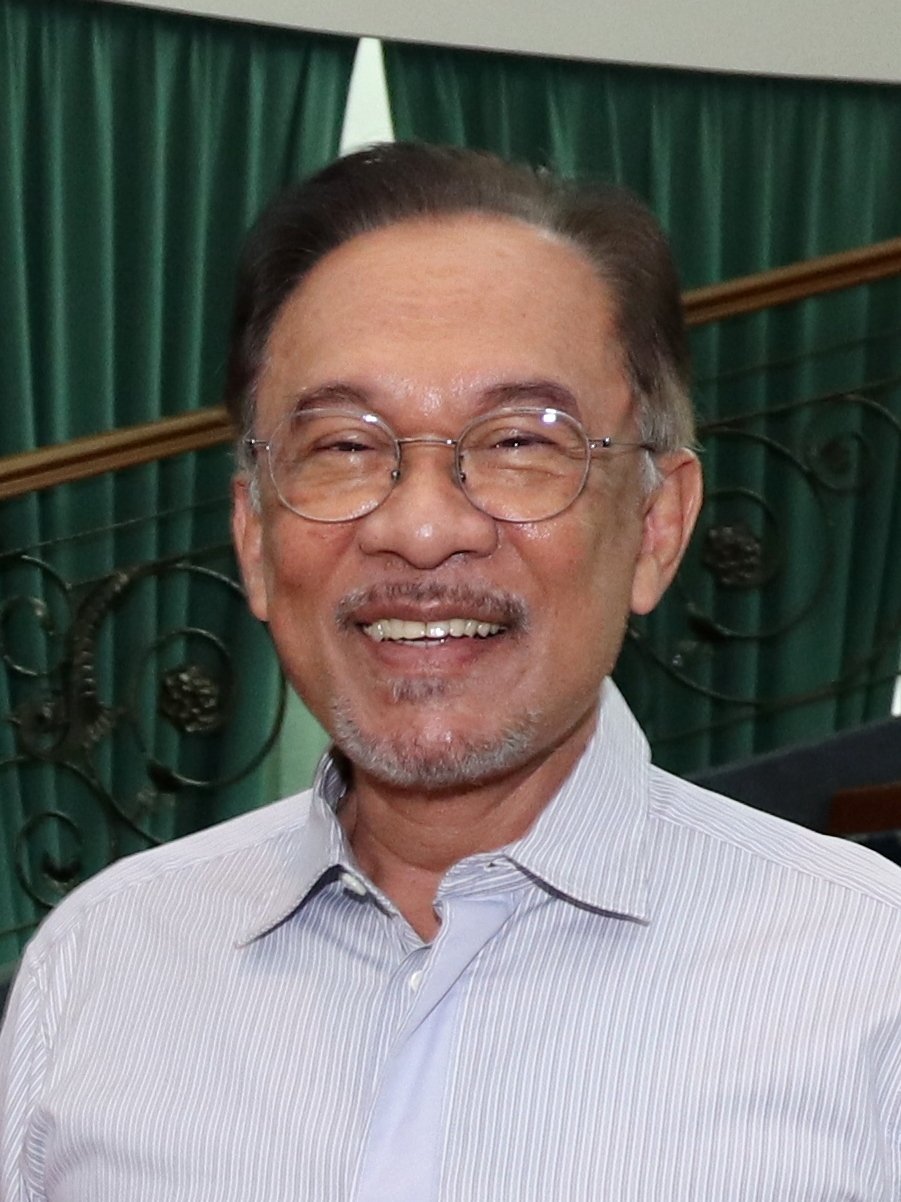
1947—
Anwar Ibrahim
Tenth Prime Minister of MalaysiaA student activist turned government minister, opposition leader and Malaysia’s tenth prime minister after one of the longest routes to national office.Read biography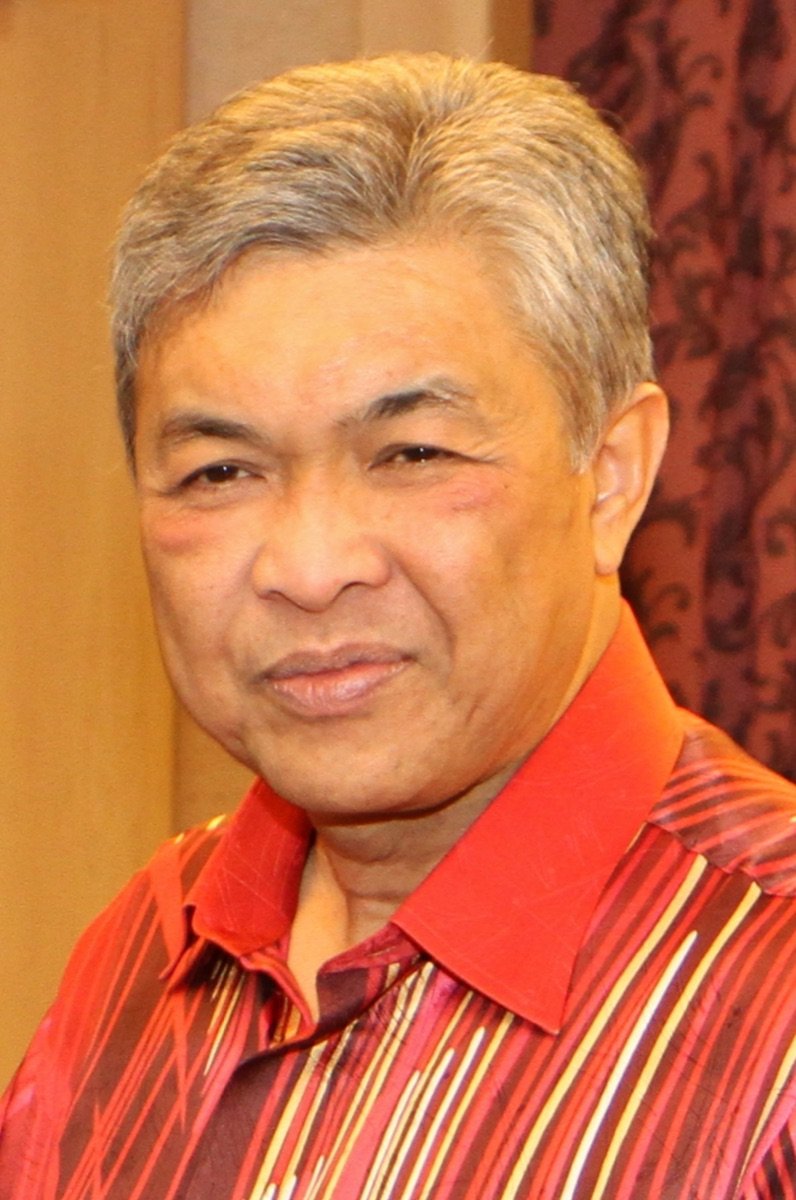
1953—
Ahmad Zahid Hamidi
Deputy Prime Minister and Minister of Rural and Regional DevelopmentThe UMNO president and Bagan Datuk member of Parliament who returned to the deputy premiership in 2022 after first holding the office from 2015 to 2018.Read biography
1962—
Fadillah Yusof
Deputy Prime Minister and Minister of Energy Transition and Water TransformationA Sarawak lawyer and Petra Jaya MP who moved through science, works and commodities portfolios before becoming deputy prime minister and leading energy and water policy.Read biography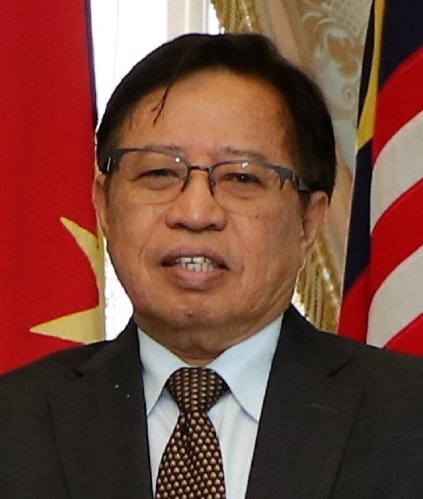
1950—
Abang Johari Openg
Premier of Sarawak and Chairman of Gabungan Parti SarawakThe long-serving Sarawak politician who succeeded Adenan Satem, formed GPS after GE14 and became the state’s first officeholder styled premier.Read biography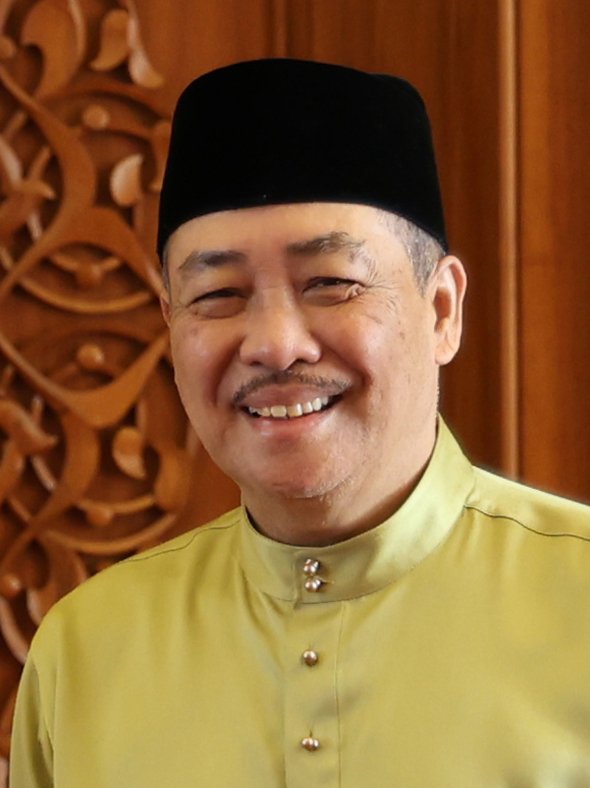
1955—
Hajiji Noor
Chief Minister of Sabah and Chairman of Gabungan Rakyat SabahThe long-serving Sulaman assemblyman who became Sabah chief minister in 2020 and won a second term at the 2025 state election.Read biography
1956—
Shafie Apdal
President of Parti Warisan and Member of Parliament for SempornaThe Semporna parliamentarian, former federal minister and Warisan founder who led Sabah from 2018 until the 2020 state election.Read biographyQuick answers
Common questions
- When did Malaysia’s Unity Government form?
- Anwar Ibrahim was sworn in on 24 November 2022, Cabinet members took their oaths on 3 December, and five party and coalition leaders signed the cooperation pact on 16 December.
- Which groups signed the Unity Government agreement in 2022?
- The five signatories represented Pakatan Harapan, Barisan Nasional, Gabungan Parti Sarawak, Gabungan Rakyat Sabah and Warisan.
- Who were the first two deputy prime ministers in the Unity Government?
- Ahmad Zahid Hamidi and Fadillah Yusof took their oaths on 3 December 2022.
Primary and institutional sources
How this history was checked
The chronology uses the election return, a party statement, the appointment and swearing-in reports, and the Dewan Rakyat record. The Malaysian Bar provides a contemporaneous legal assessment of the voting clause. This article was reviewed on 19 November 2026.
- Election Commission of MalaysiaFinal GE15 return after polling in Padang Serai, media statement 53/2022
- UMNO Supreme CouncilParty statement on Barisan Nasional’s negotiations and decision, dated 24 November 2022
- Prime Minister’s Office / BernamaAnwar’s swearing-in and the palace explanation of the appointment
- Attorney General’s Chambers of MalaysiaFederal Constitution, Articles 40 and 43
- Prime Minister’s Office / BernamaThe Cabinet swearing-in and original portfolios, 3 December 2022
- BernamaThe 16 December signing and the wording reported from the cooperation pact
- DayakDailyContemporaneous account identifying the five representatives at the signing
- Parliament of MalaysiaDewan Rakyat official report, 19 December 2022, pp. 18–26, 48–49 and 95
- Malaysian BarContemporary assessment of clause 4 and Article 49A
- Parliament of MalaysiaMemorandum on Transformation and Political Stability, 13 September 2021