
The short answer
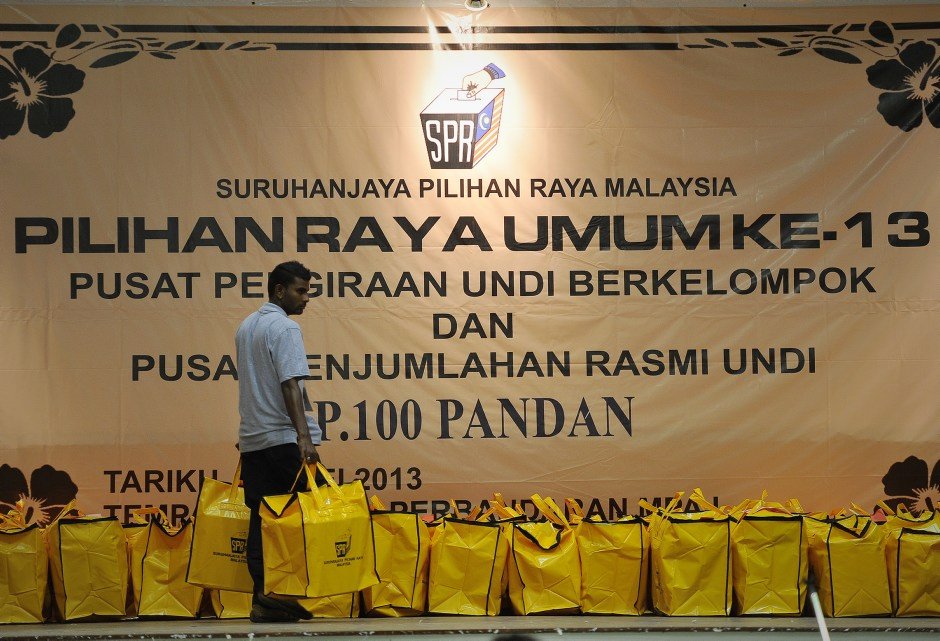
Six Malaysian states elected their assemblies on 12 August 2023. Pakatan Harapan and Barisan Nasional retained the ability to govern Penang, Selangor and Negeri Sembilan together, while Perikatan Nasional held Kedah, Kelantan and Terengganu. Across the 245 seats, that three-to-three split concealed large differences in assembly majorities and turnout.
Seat and turnout comparison
Results in all six state assemblies
Each row is a separate assembly. PH and BN campaigned in partnership while their winning candidates were recorded under separate labels. PAS victories are included in PN’s column.
| State | Total seats | PH | BN | PN | Turnout |
|---|---|---|---|---|---|
| Kedah | 36 | 3 | 0 | 33 | 73.86% |
| Kelantan | 45 | 1 | 1 | 43 | 60.96% |
| Terengganu | 32 | 0 | 0 | 32 | 74.79% |
| Penang | 40 | 27 | 2 | 11 | 72.67% |
| Selangor | 56 | 32 | 2 | 22 | 72.00% |
| Negeri Sembilan | 36 | 17 | 14 | 5 | 68.35% |
Chronology
A timeline of the turning points
The Election Commission issues writs
One timetable covers six assemblies after the commission receives their dissolution notices.
Candidate nomination
The official campaign period starts after candidates are confirmed.
Early voting
The timetable provides a separate day for early polling.
Polling day
Six state assemblies are elected and Kuala Terengganu holds a distinct parliamentary by-election.
Amirudin Shari is sworn in for a second term
PH and BN together hold 34 of the 56 Selangor seats.
Results appear in the Gazette
The Election Commission confirms publication of the results and statements of the poll.
Why six assemblies went to the polls together
GE15 was a federal election in November 2022. Only Perak, Pahang and Perlis held their state elections alongside it. The six states in the August 2023 contest had kept their separate assembly terms into the following year. By July the commission had received dissolution notices from their speakers and could align nomination, early voting and polling on the same timetable.
The commission’s July statement gives 9,773,571 registered electors across the six rolls. That is the number of eligible people listed on those rolls, while turnout measures the share who cast votes. Kuala Terengganu held a parliamentary by-election on the same day. Its single federal seat and its turnout figure belong to a separate contest.
What the results reveal about the PH–BN partnership
The post-GE15 cooperation between PH and BN carried over into these state contests. Penang and Selangor gave PH 27 of 40 seats and 32 of 56 respectively, both above the simple-majority threshold in their own assembly. In Negeri Sembilan, PH’s 17 fell short of the 19 needed for a majority of 36 seats. BN’s 14 raised the partnership’s total there to 31.
This difference matters when comparing governing strength across the three states. The two partners had very different seat balances within each assembly. Selangor also illustrates the difference between an election and an appointment. The state result gave the partnership 34 seats on 12 August, and Amirudin Shari took the oath for a second term as Menteri Besar on 21 August.
Where Perikatan Nasional won its 146 seats
PN won 33 of 36 seats in Kedah, 43 of 45 in Kelantan and all 32 in Terengganu. Those three majorities account for 108 of PN’s 146 seats across the six states. The other 38 came from Penang, Selangor and Negeri Sembilan, where PN remained in opposition in the state assemblies.
Turnout varied independently of the seat outcome. Terengganu’s 74.79 per cent was the highest of the six, while Kelantan’s 60.96 per cent was the lowest. Both produced large PN seat majorities. The seat and turnout columns answer different questions, so a reader looking for the spread of support should consult constituency returns and vote totals as well.
How to compare these results with GE15
The contest offered evidence of how the alliances formed after GE15 performed in particular state electorates. National party labels made it possible to read trends across state borders. The offices being filled, however, were seats in six state legislatures, each with its own majority and executive arrangements.
A comparison with GE15 should therefore match the unit of analysis. The 245 seats in this table cover six assemblies in August 2023. The 222 seats at GE15 covered the federal Dewan Rakyat nationwide. A parliamentary confidence vote is yet another decision, taken by federal MPs rather than state electorates.
Continue the chronology
Related history guides
Johor’s 2022 State Election
Compare a state contest held on the first electoral roll expanded by Undi18.
Read the timeline2022Pahang’s Hung Assembly and the Tioman Vote
Trace how BN and PH first combined their seats in Pahang after GE15.
Read the timeline2022How Malaysia’s Unity Government Formed
Trace how PH and BN came to cooperate in the federal government.
Read the timeline2022Malaysia’s 2022 General Election
Read the different seat counts for the nationwide election to the Dewan Rakyat.
Read the timeline2006–2026Malaysia’s Political Landscape
Place the six polls in the longer history of shifting party alliances.
Read the timelineConnected biographies
National leaders of parties in the state contests
1947—
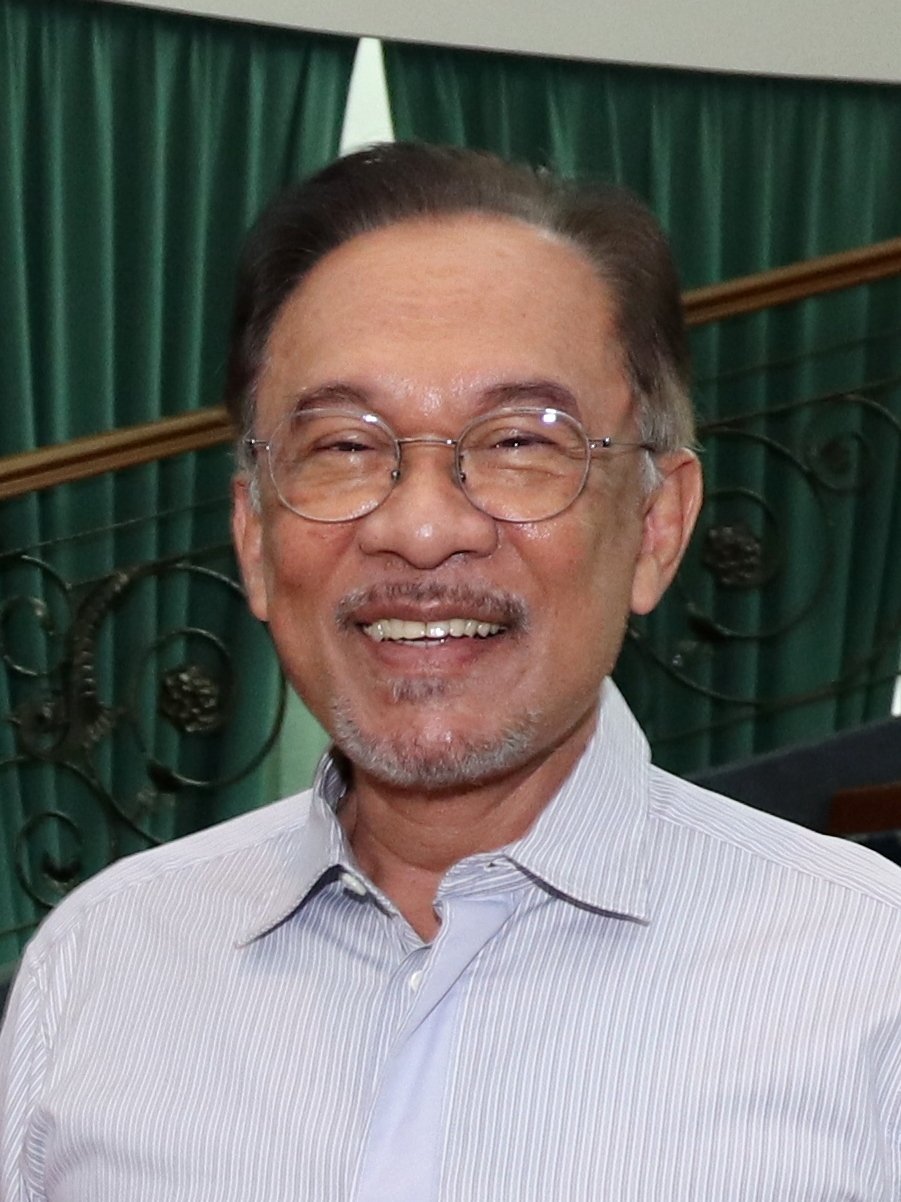
Anwar Ibrahim
Tenth Prime Minister of MalaysiaA student activist turned government minister, opposition leader and Malaysia’s tenth prime minister after one of the longest routes to national office.Read biography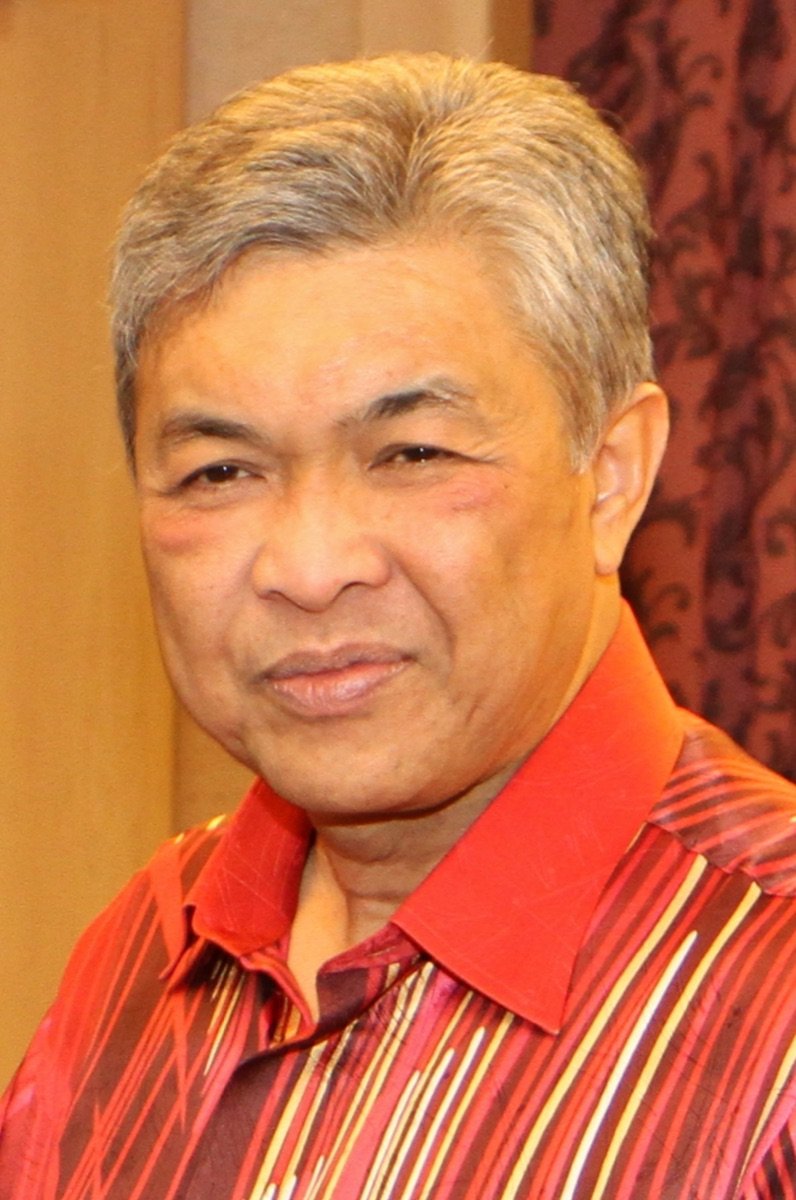
1953—
Ahmad Zahid Hamidi
Deputy Prime Minister and Minister of Rural and Regional DevelopmentThe UMNO president and Bagan Datuk member of Parliament who returned to the deputy premiership in 2022 after first holding the office from 2015 to 2018.Read biography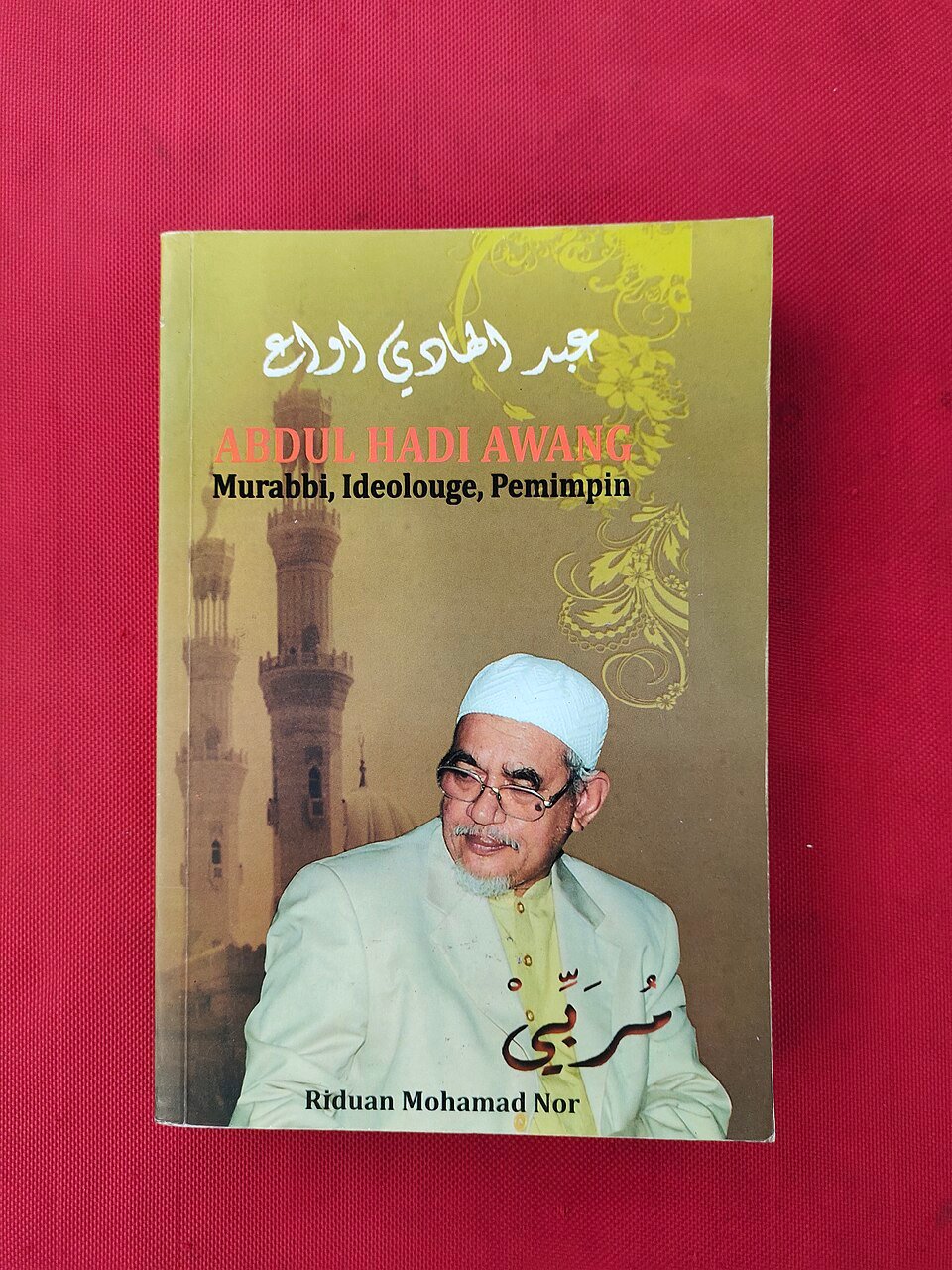
1947—
Abdul Hadi Awang
President of Parti Islam Se-MalaysiaThe Islamic scholar and politician who led Terengganu from 1999 to 2004 and has served as president of PAS since 2002.Read biographyQuick answers
Common questions
- Which states held elections on 12 August 2023?
- Kedah, Kelantan, Terengganu, Penang, Selangor and Negeri Sembilan held state assembly elections that day.
- Who won Malaysia’s six state elections in 2023?
- PH and BN won governing majorities together in Penang, Selangor and Negeri Sembilan. PN won governing majorities in Kedah, Kelantan and Terengganu.
- Which state recorded the highest turnout?
- Terengganu recorded 74.79 per cent, the highest of the six in the Election Commission chair’s published figures.
Primary and institutional sources
How this history was checked
The Election Commission supplies the timetable and gazette notice. The seat and turnout comparison uses the commission chair’s figures and Bernama’s constituency results for Penang. ISEAS explains the separate election cycles. This article was reviewed on 19 November 2026.
- Election Commission of MalaysiaMedia statement 12/2023, timetable, seats and electoral rolls of the six states
- Election Commission of MalaysiaMedia statement 29/2023 on gazetting the election results
- BernamaElection Commission chair’s final turnout and seat figures
- Bernama Election PortalPenang 2023 seat and constituency results by party
- BernamaThe three states won by each bloc and the PH–BN electoral partnership
- BernamaAmirudin Shari’s second swearing-in as Selangor Menteri Besar
- ISEAS – Yusof Ishak InstituteFrancis E. Hutchinson on the different federal and state election calendars