
The short answer
On 13 September 2021, Ismail Sabri Yaakob’s federal government and Pakatan Harapan signed a memorandum pairing a reform programme with conditional cooperation on selected parliamentary votes. The written terms show how an opposition coalition could help sustain parliamentary business while retaining its scrutiny role.
Reading the agreement
What each clause covered
The numbered clauses show how cooperation on votes was tied to progress on reform.
| Clause | Subject | Practical effect |
|---|---|---|
| 2.1 and 3.1 | Duration and timing | The agreement ran to dissolution. The government undertook to wait until 31 July 2022 before proposing dissolution. |
| 3.2–3.3 | Reforms and selected votes | The government would work to deliver reforms. PH could support or abstain on the specified votes under agreed conditions. |
| 9.1 | Opposition scrutiny | PH retained its role in holding the government to account. |
| Annex 6 | Follow-up | Five representatives per side would serve on a steering committee. |
Chronology
A timeline of the turning points
Government and opposition sign the MoU
The parties agree a programme covering pandemic recovery, governance and parliamentary reforms.
Voting age and automatic registration provisions commence
The Election Commission implements provisions enacted in 2019.
Parliament enacts constitutional changes
Separate Acts make changes related to MA63 and party switching.
Date specified in the dissolution undertaking
Clause 3.1 sets the earliest date in the government’s undertaking on proposing dissolution.
The Fourteenth Parliament is dissolved
The prime minister announces dissolution, the endpoint specified by clause 2.1.
Why the two sides cooperated
Ismail Sabri took office in August 2021 after Muhyiddin Yassin resigned. The Fourteenth Parliament elected in 2018 continued, and the pandemic and economic recovery remained central government concerns. In its statement on signing day, the Prime Minister’s Office presented cooperation with the opposition as a means of supporting the recovery effort.
The signature pages identify Ismail Sabri for the federal government and Anwar Ibrahim among the representatives signing for PH. DAP, a member of PH, publicly described the agreement as a route to institutional reform. Clause 9 preserved PH’s role as the parliamentary opposition.
How the agreement treated budget and confidence votes
Clause 3.3 addressed the 2022 budget and related supply or finance measures, as well as government business whose defeat would amount to a loss of confidence. PH’s undertaking allowed support or abstention when the stipulated reforms were delivered on the agreed timetable and the relevant business had been discussed and agreed in principle.
That arrangement gave consultation practical importance. The two sides could work towards passing a budget while PH continued to question ministers and scrutinise government decisions. Clause 9 expressly preserved that opposition role. Clause 4 provided that failure to fulfil the agreed commitments could lead to termination.
Sources for this section: [1]
From a promise to an enacted reform
The Prime Minister’s Office grouped the programme around the COVID-19 plan, administrative change, Parliament, judicial independence, the Malaysia Agreement 1963 and a steering committee. The annex supplied proposed actions and, in some cases, deadlines. Each commitment has a different record of implementation.
Undi18 illustrates the difference between passing and implementing a change. The voting-age amendment predated the MoU, whose annex called for faster implementation. The Election Commission dates the start of automatic registration to 15 December 2021. The party-switching provisions required a subsequent amendment, Act A1663. MA63-related changes to the Federal Constitution appear separately in Act A1642.
A participant’s announcement explains why that side supported the bargain. The signed text establishes the promises. Legislation and administrative notices show which measures reached the next stage. Together those records permit a more precise account than treating the full reform agenda as accomplished on signing day.
Why 31 July and 10 October meant different things
The government’s undertaking about proposing dissolution referred to 31 July 2022. The duration clause stated that the agreement would end when the Fourteenth Parliament was dissolved. The July date concerned the timing of a possible proposal.
On 10 October 2022, Ismail Sabri announced that the King had granted his request to dissolve Parliament. GE15 followed in November. The post-election arrangements that brought former rivals into Anwar’s government belonged to a new Parliament and a new negotiation.
Continue the chronology
Related history guides
How Malaysia’s Unity Government Formed
Compare the 2021 agreement with the December 2022 pact among partners in the new government.
Read the timeline2020–2022Malaysia’s Prime Minister Changes
Follow the changes in parliamentary confidence that preceded the agreement.
Read the timeline2006–2026Malaysia’s Political Landscape
Place the agreement between the Sheraton realignment and the post-GE15 government.
Read the timeline2019–2022Undi18 and Automatic Voter Registration
Compare the 2019 amendment with implementation in December 2021.
Read the timeline2022Malaysia’s Anti-Party-Hopping Law
Read the later legislation governing specified changes in an MP’s party membership.
Read the timeline2022The 2022 MA63 Constitutional Amendment
Examine the wording changed by the separate Act A1642.
Read the timelineConnected biographies
Signatories and witnesses

1960—
Ismail Sabri Yaakob
Ninth Prime Minister of MalaysiaA long-serving minister who became prime minister during the pandemic and led Malaysia through reopening, a cross-party reform accord and the 2022 election.Read biography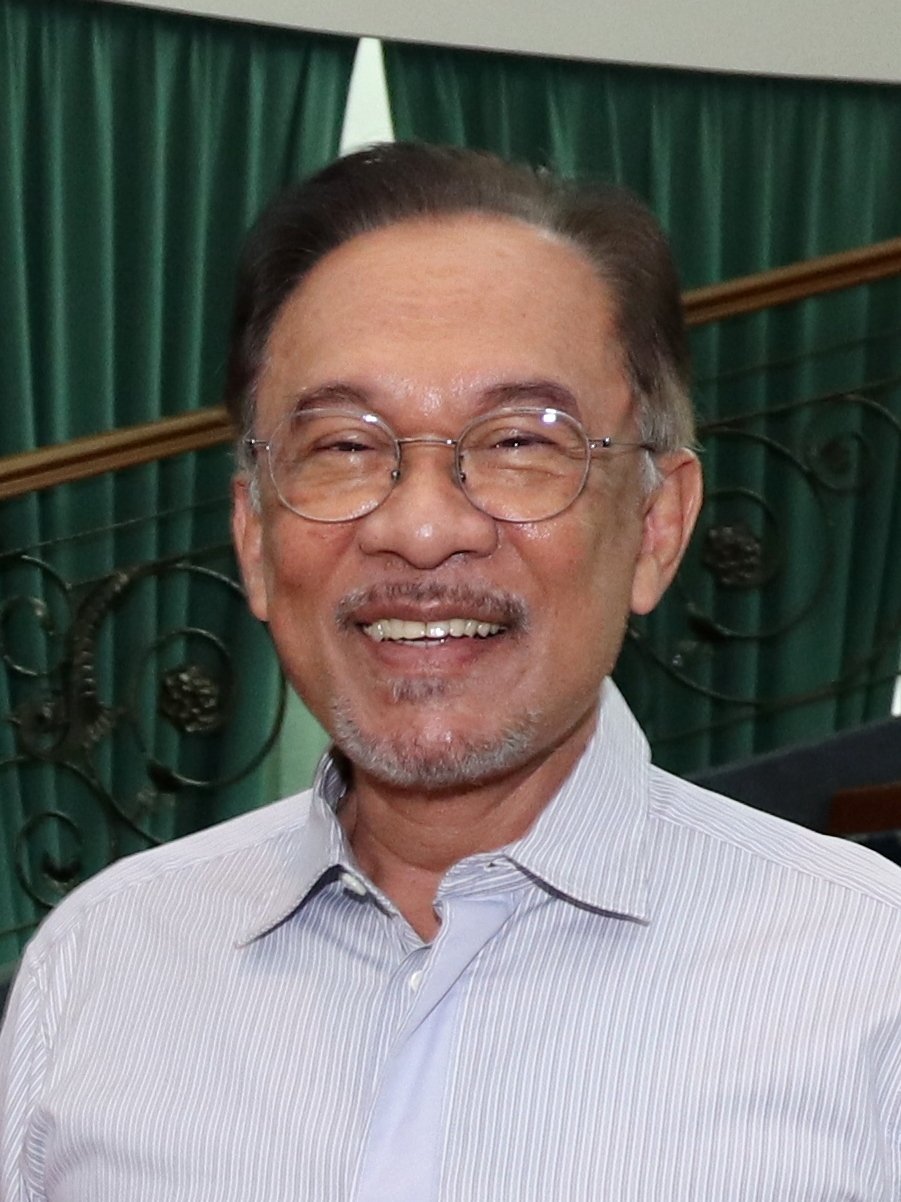
1947—
Anwar Ibrahim
Tenth Prime Minister of MalaysiaA student activist turned government minister, opposition leader and Malaysia’s tenth prime minister after one of the longest routes to national office.Read biography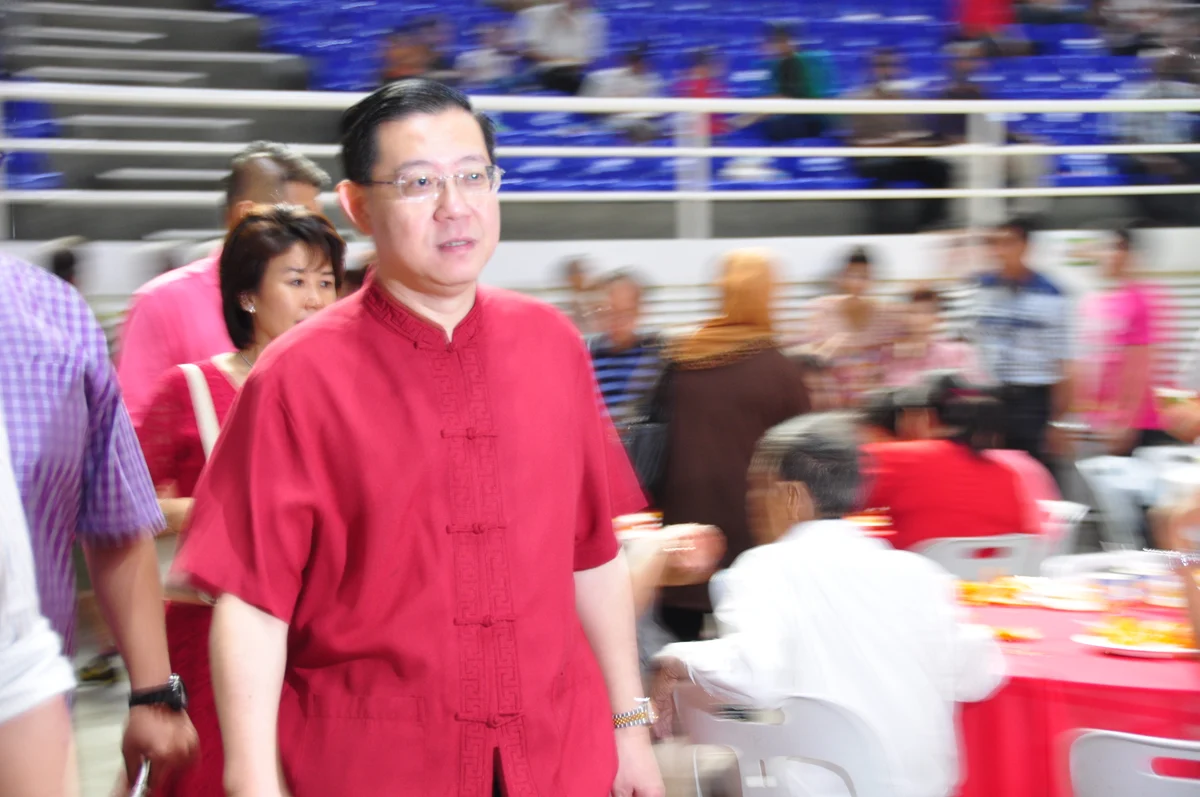
1960—
Lim Guan Eng
Former Malaysian finance minister and Penang chief minister; DAP adviserThe accountant-turned-politician who moved from opposition Parliament to Penang’s chief ministership and Malaysia’s finance ministry, before becoming a DAP adviser.Read biography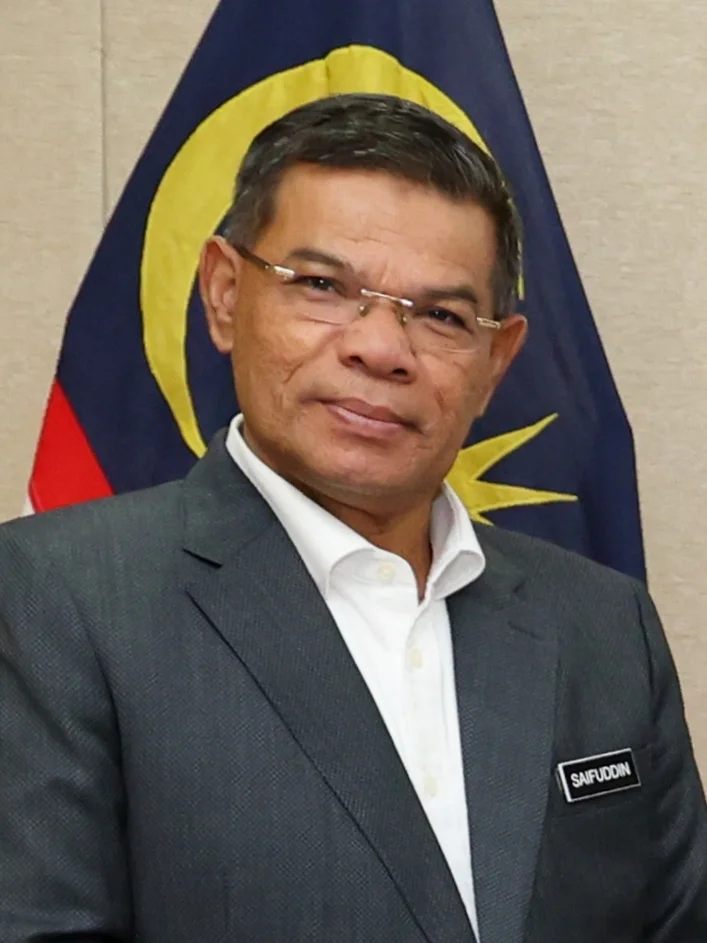
1963—
Saifuddin Nasution Ismail
Malaysian politician, senator and home affairs ministerThe Malaysian politician whose career moved from Reformasi and constituency politics to consumer affairs, the Senate and the Home Ministry under Anwar Ibrahim.Read biographyQuick answers
Common questions
- Who signed the 2021 political stability MoU?
- Prime Minister Ismail Sabri Yaakob signed for the federal government. Anwar Ibrahim signed among the representatives of Pakatan Harapan.
- What did PH agree to do on Budget 2022?
- Clause 3.3 provided for support or abstention on Budget 2022 and related legislation, subject to reform delivery and prior consultation and agreement in principle.
- When did the MoU end?
- The duration clause applied through dissolution of the Fourteenth Parliament, which took place on 10 October 2022. The 31 July date governed the separate undertaking on proposing dissolution.
Primary and institutional sources
How this history was checked
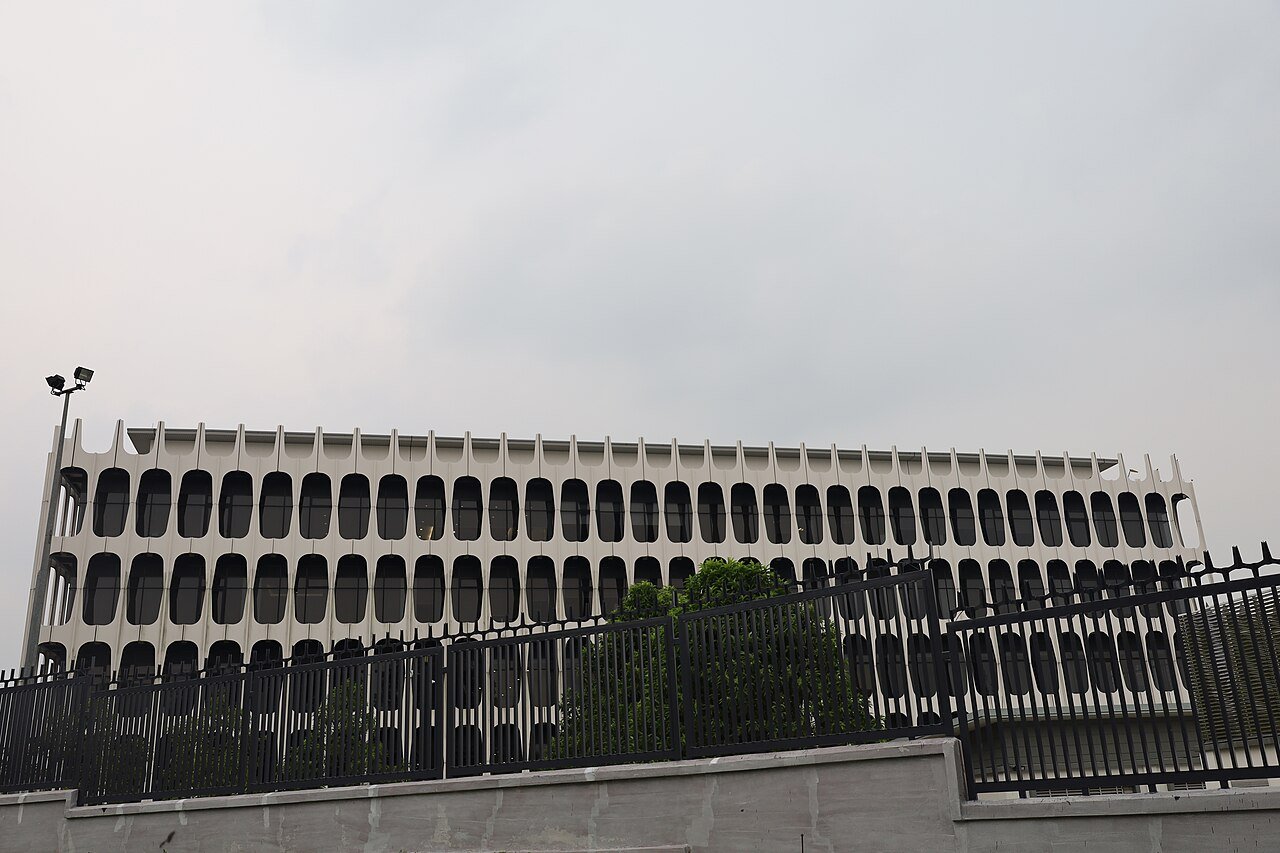
The signed text establishes the bargain. The two sides’ statements provide their perspectives and later records establish selected reforms and dissolution. The Parliament photograph dates from 2026. This article was reviewed on 19 November 2026.
- Parliament of MalaysiaMemorandum on Transformation and Political Stability, signed text and annex
- Prime Minister’s OfficeIsmail Sabri’s statement on the agreement, 13 September 2021
- Democratic Action PartyDAP’s statement on the agreement, 14 September 2021
- Election Commission of MalaysiaVoter registration and the 15 December 2021 commencement date
- Attorney General’s ChambersAct A1663, constitutional provisions on party membership
- Attorney General’s ChambersAct A1642, changes to Articles 1, 160 and 161A
- Prime Minister’s OfficeDissolution address, 10 October 2022, paragraph 28