
The short answer
The Dewan Rakyat adopted a motion of confidence in Prime Minister Anwar Ibrahim by voice vote at the opening sitting of Malaysia’s Fifteenth Parliament. The official report records a separate counted ballot for Speaker earlier that day. Reading the two proceedings together makes it possible to tell exactly what each result establishes.
Reading the proceedings
Three decisions that are easy to confuse
A single sitting can produce several decisions about different questions. The parliamentary record identifies the business before the chair in each case.
| Business on 19 December | Result in the official record | Where to find it |
|---|---|---|
| Election of Speaker | Johari Abdul 147, Mohd Radzi Sheikh Ahmad 74 | Printed p. 3 |
| Election of deputy speakers | Ramli Mohd Nor 148, Alice Lau 146, Mas Ermieyati Samsudin 74 | Printed p. 15 |
| Confidence in Anwar | Motion agreed by voice vote | Printed pp. 18–20 and 95 |
Chronology
A timeline of the turning points
Anwar is sworn in as prime minister
The palace grounds the appointment in Articles 40(2)(a) and 43(2)(a).
Unity Government partners sign their pact
The cooperation agreement sets expectations for support on confidence and supply.
The House elects Johari Abdul as Speaker
The secretary announces the numerical results of the ballot for the chair.
Fadillah Yusof moves the confidence motion
Fellow deputy prime minister Ahmad Zahid Hamidi seconds the motion.
The chair puts the question
The official report records approval and moves to the next item of business.
Why the government brought the motion after the appointment
The King had already appointed Anwar under the constitutional provision for an MP likely to hold majority confidence. Article 43(3) makes the Cabinet collectively responsible to Parliament. Article 43(4) deals with the consequences of later losing majority confidence and provides for resignation of the Cabinet unless Parliament is dissolved at the prime minister’s request.
The motion gave the newly elected House a public occasion to express its confidence. Fadillah’s text linked the hung Parliament, the appointment and the Cabinet that had taken office on 3 December. In her reply at the end of the debate, law and institutional reform minister Azalina Othman Said said the motion was a government initiative and acknowledged that the procedure was voluntary. She pointed to government motions for Hussein Onn in 1976 and Abdullah Ahmad Badawi in 2003 as precedents cited in the debate.
Why the cooperation pact entered the debate
Opposition leader Hamzah Zainudin opened by questioning the purpose of the motion after the appointment was already made. He argued that the December pact’s voting clauses constrained the parliamentary judgment of individual MPs. Takiyuddin Hassan later raised separate objections concerning parliamentary privilege and the scope of Article 49A.
On the government side, Lim Guan Eng treated the open debate as an opportunity for scrutiny. Azalina answered that the government was entitled to bring the motion under the House’s procedures. The official report preserves the arguments and the outcome on confidence. It provides a record of parliamentary disagreement over the pact rather than a court determination of its terms.
Sources for this section: [1]
How a voice vote works
Standing Order 46 provides for members to respond aloud when the chair puts the question. If a member challenges the chair’s judgment and calls for a division, the chair asks the members who want a division to rise. Fifteen or more standing members require a division. With fewer, the chair may declare the result or order one. Standing Order 47 describes the separate process of recording each member’s choice.
The entry at the end of the confidence debate records that the motion was put and agreed to, then introduces the next item. The contemporary account published by the Prime Minister’s Office identifies the decision as a voice vote. The evidence therefore establishes adoption. It supplies no individual voting list or numerical margin for that motion.
Where the figures of 147 and 148 come from
The 147 announced that morning was the tally for Johari Abdul in the Speaker election. Later the chair announced 148 for Ramli Mohd Nor in the deputy speaker election. Azalina also used 148 when describing the government side’s strength in her closing remarks. The confidence motion was item 8 on the order paper and had its own decision after that debate.
To follow the sitting in the printed page numbers, start with the Speaker result on page 3 and the deputy speaker results on page 15. The motion starts on page 18, Azalina’s response starts on page 86, and the final decision is on page 95. Keeping each number with its own proceeding avoids attaching a ballot count to a decision taken by voice.
Continue the chronology
Related history guides
How Malaysia’s Unity Government Formed
Follow the coalition negotiations, Cabinet appointments and December pact.
Read the timeline2020–2022Malaysia’s Prime Minister Changes
Compare the role of parliamentary confidence across three changes of government.
Read the timeline2022Malaysia’s Anti-Party-Hopping Law
Read the membership and vacancy rules that informed the debate on clause 4.
Read the timelineConnected biographies
The prime minister and speakers in the confidence debate
1947—
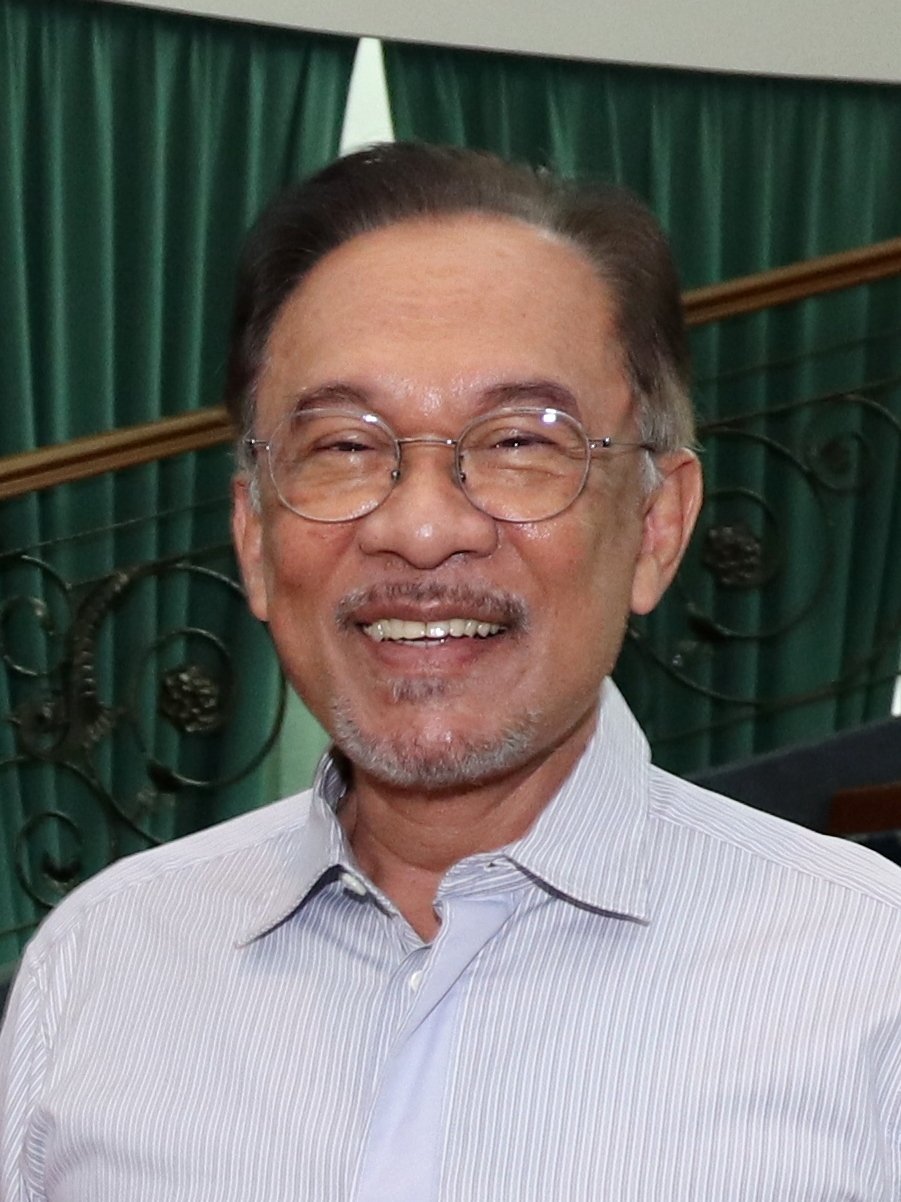
Anwar Ibrahim
Tenth Prime Minister of MalaysiaA student activist turned government minister, opposition leader and Malaysia’s tenth prime minister after one of the longest routes to national office.Read biography
1962—
Fadillah Yusof
Deputy Prime Minister and Minister of Energy Transition and Water TransformationA Sarawak lawyer and Petra Jaya MP who moved through science, works and commodities portfolios before becoming deputy prime minister and leading energy and water policy.Read biography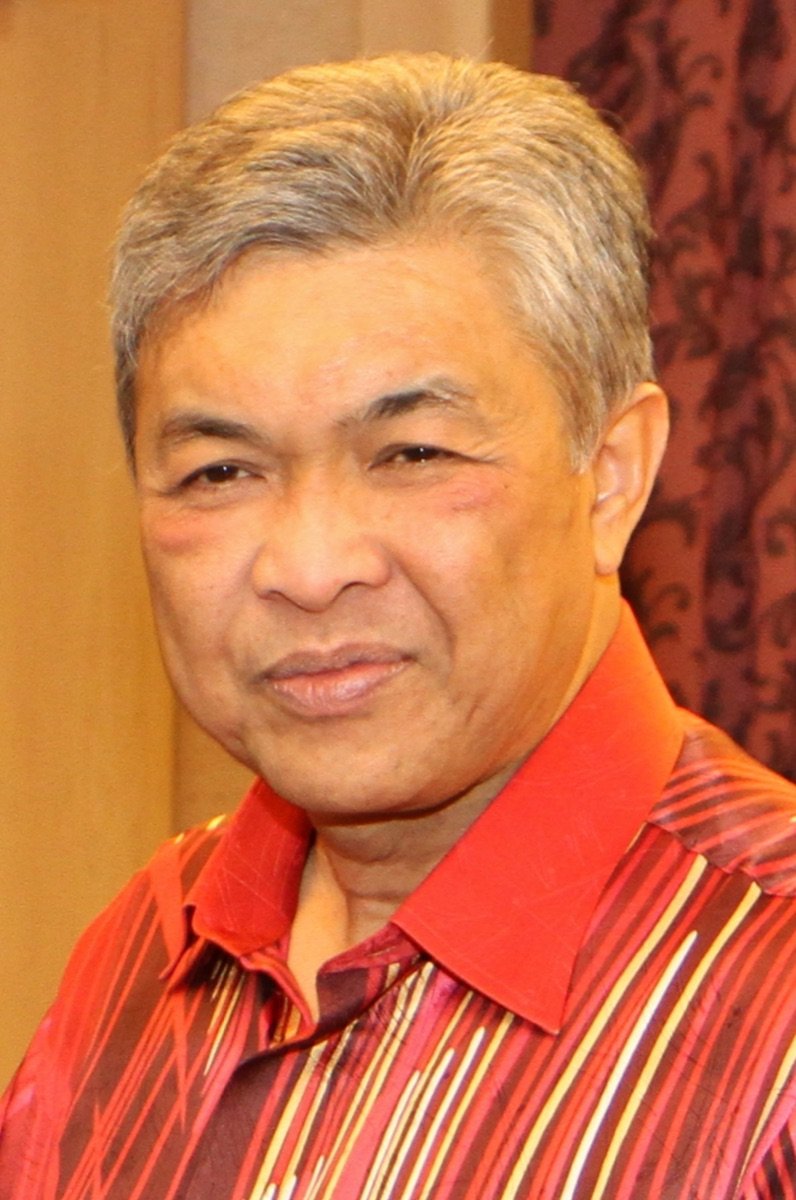
1953—
Ahmad Zahid Hamidi
Deputy Prime Minister and Minister of Rural and Regional DevelopmentThe UMNO president and Bagan Datuk member of Parliament who returned to the deputy premiership in 2022 after first holding the office from 2015 to 2018.Read biography
1963—
Azalina Othman Said
Malaysian lawyer, Pengerang MP and law and institutional reform ministerThe lawyer and Pengerang parliamentarian whose career spans youth and sports, parliamentary leadership and Malaysia’s law and institutional reform portfolio.Read biography
1960—
Lim Guan Eng
Former Malaysian finance minister and Penang chief minister; DAP adviserThe accountant-turned-politician who moved from opposition Parliament to Penang’s chief ministership and Malaysia’s finance ministry, before becoming a DAP adviser.Read biographyQuick answers
Common questions
- When did Anwar Ibrahim win his confidence vote?
- The Dewan Rakyat agreed to the confidence motion on 19 December 2022, at the opening sitting of the Fifteenth Parliament.
- How many MPs voted for Anwar in the December 2022 confidence vote?
- The motion was carried by voice vote. The official report gives no count for it. The 147 votes announced earlier were for Johari Abdul in the Speaker election.
- Who moved and seconded the confidence motion?
- Deputy Prime Minister Fadillah Yusof moved the motion and Deputy Prime Minister Ahmad Zahid Hamidi seconded it.
Primary and institutional sources
How this history was checked
Printed page references point to the official report of the sitting. The Standing Orders explain the voting procedure, and the contemporary report published by the Prime Minister’s Office identifies the method used for the decision. This article was reviewed on 19 November 2026.
- Parliament of MalaysiaDewan Rakyat official report, 19 December 2022, especially pp. 3, 15, 18–26, 48–49 and 86–95
- Parliament of MalaysiaDewan Rakyat Standing Orders 46–47 on voices and divisions
- Attorney General’s Chambers of MalaysiaFederal Constitution, Articles 40 and 43
- Prime Minister’s Office / BernamaReport on adoption of the confidence motion by voice vote
- Prime Minister’s Office / BernamaAnwar sworn in as prime minister on 24 November 2022