

1915—1998
Collection · Vietnam · Reform
Policy · Government · Institutions · EnterpriseEight sourced biographies tracing how Đổi Mới moved from a 1986 policy turn into infrastructure, private enterprise, WTO membership and new forms of institutional authority.
Đổi Mới was not a single leader’s programme or an overnight conversion to markets. These lives connect the party debates that opened reform, the governments that implemented it, the institutions that managed its tensions and an entrepreneur who built within the new economy.
Nguyễn Văn Linh gave political force to Đổi Mới, while Đỗ Mười carried reform through the Soviet collapse, stabilisation and Vietnam’s return to regional diplomacy.
Võ Văn Kiệt translated renovation into power, investment and external relations; Phan Văn Khải opened space for private enterprise and prepared WTO accession.
Nguyễn Tấn Dũng led a decade of trade integration and rapid growth that also exposed weak oversight, debt and failures inside state-owned conglomerates.
Nguyễn Phú Trọng, Nguyễn Thị Kim Ngân and Trương Gia Bình connect party discipline, the legislature and the private technology economy created by reform.
Eight sourced biographies
1915—1998
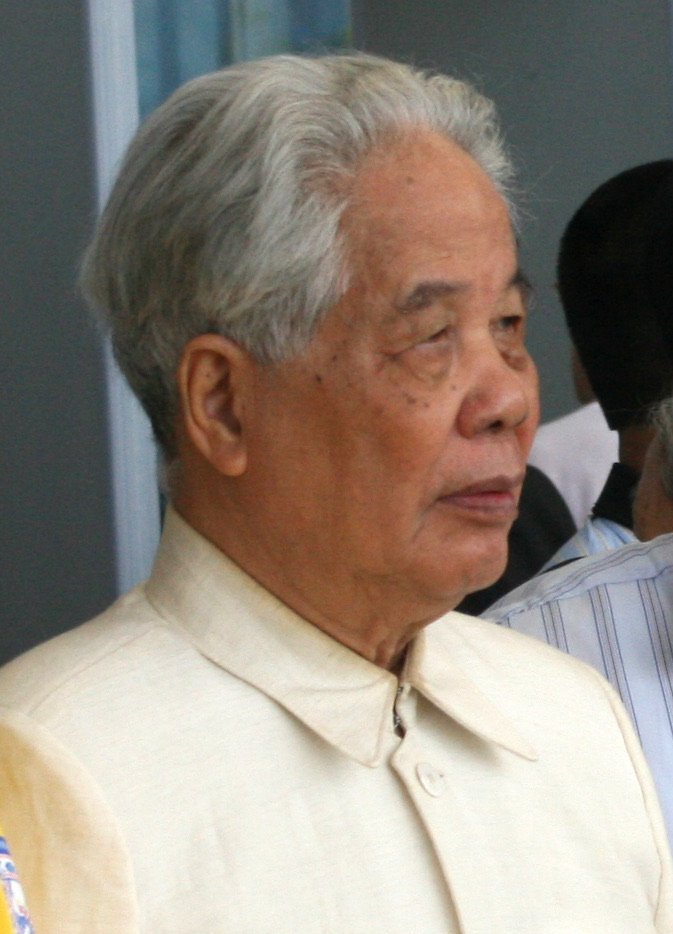
1917—2018

1922—2008
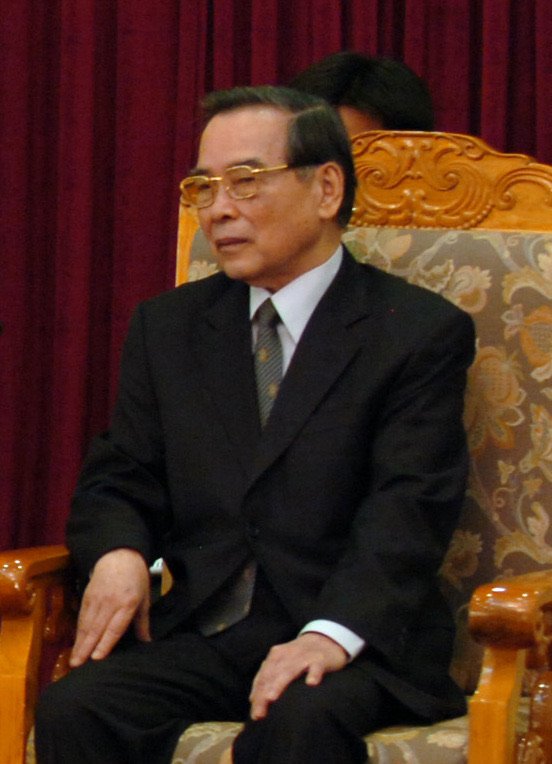
1933—2018
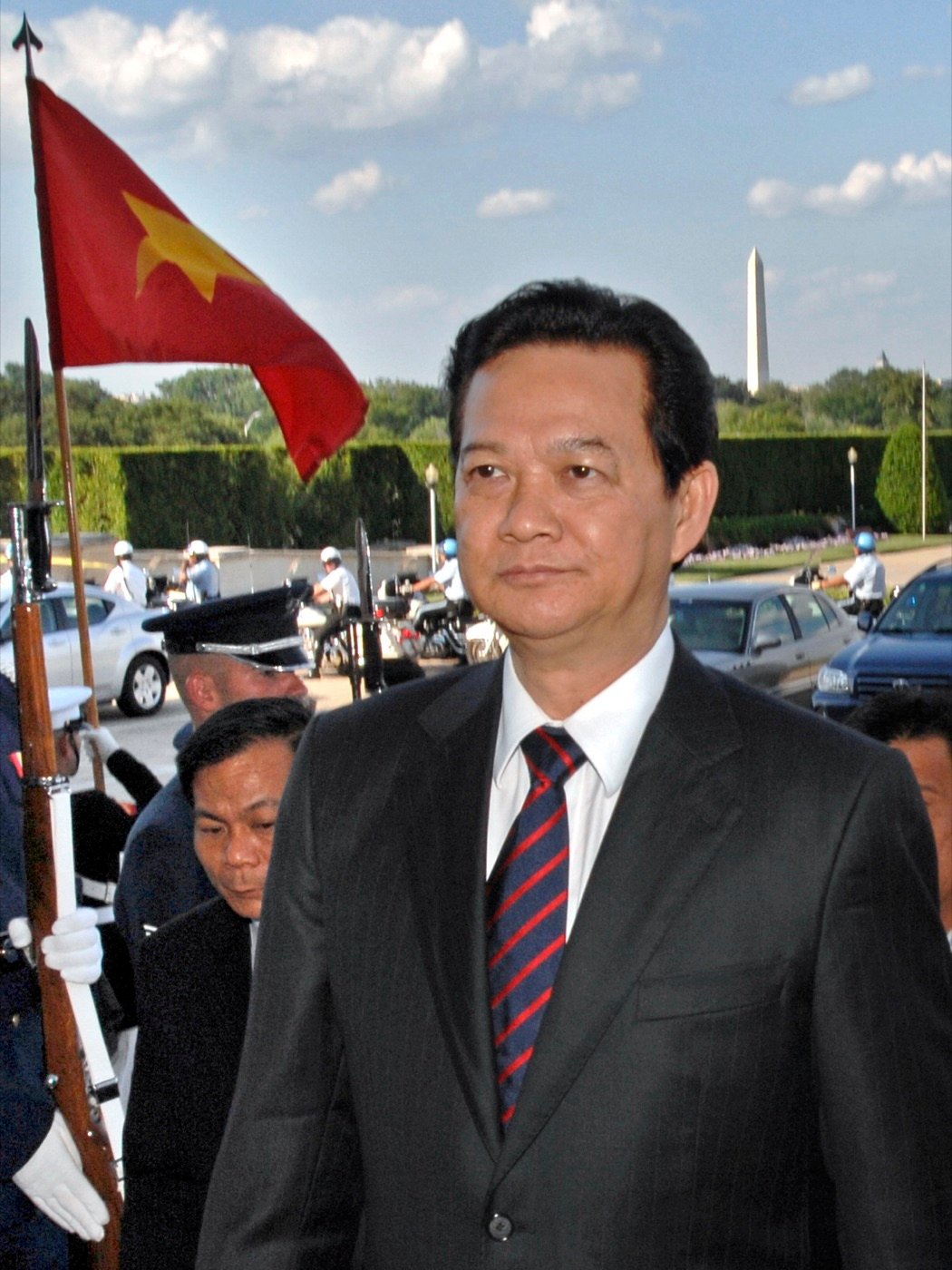
1949—

1944—2024

1954—
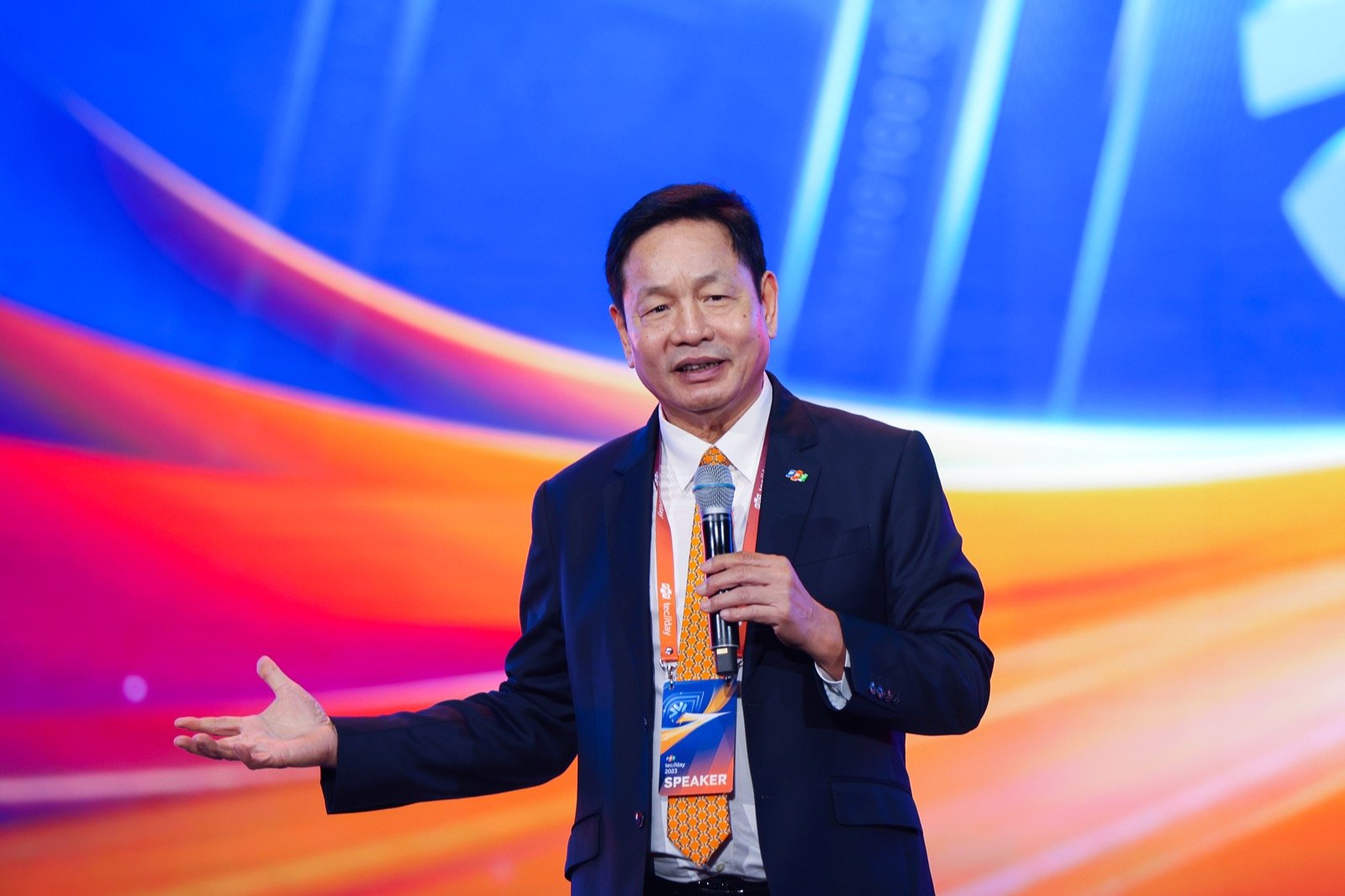
1956—
Continue the story
Move from the 1986 policy turn through diplomatic normalization, company-law reform and WTO membership, then into the wider archive.
Quick answers