
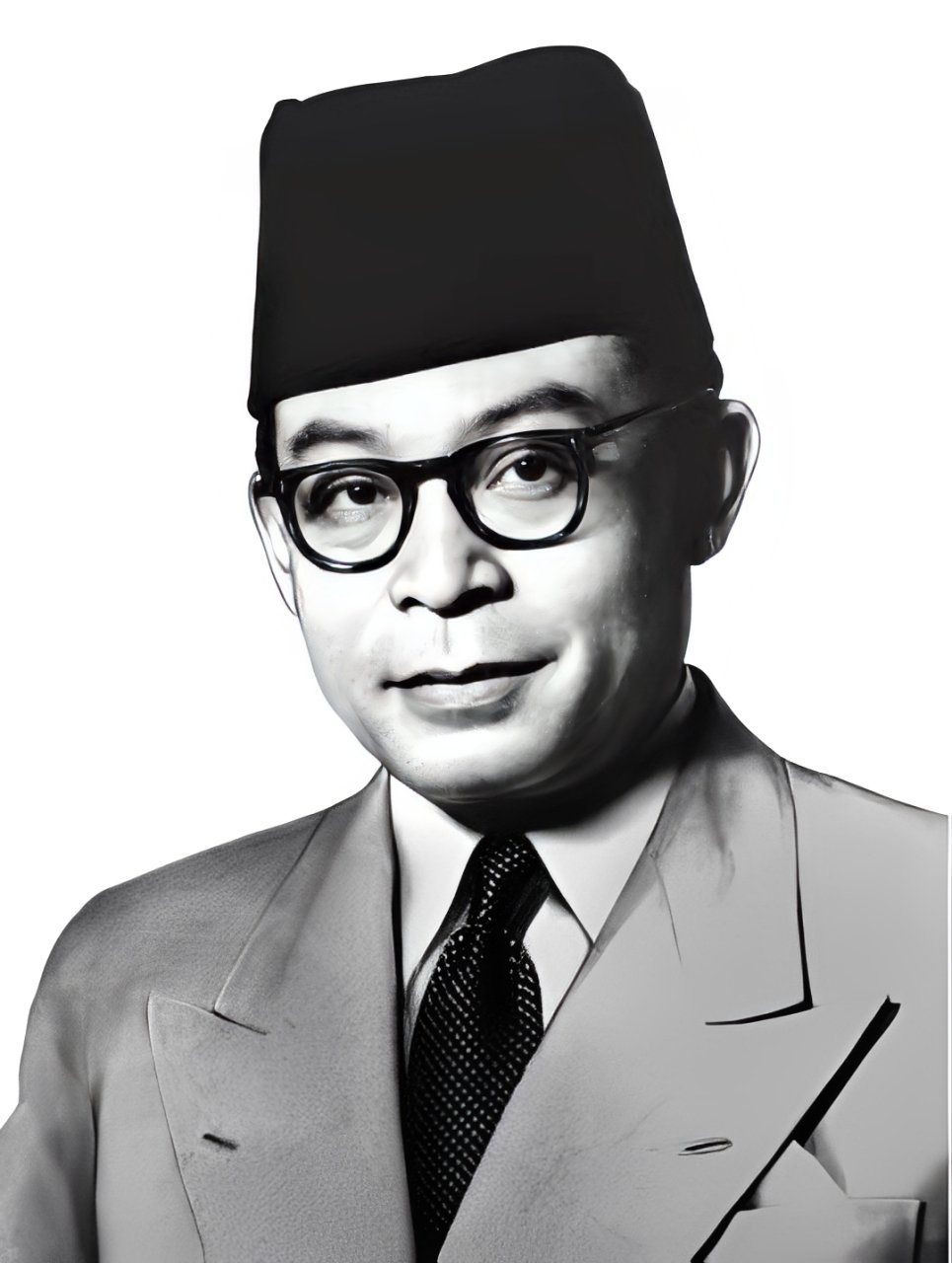
 Indonesia · Politics
1902—1980
Political collection · Indonesia
1945–present · Thirteen biographies · Fourteen numbered termsThirteen source-led biographies cover every person to hold Indonesia’s vice presidency, connecting the office’s revolutionary origins, long vacancy, New Order, Reformasi successions and direct-election tickets.
Indonesia’s vice president is the constitutional successor to the president, but the office has also served as a centre for economic coordination, mediation, religious representation and coalition balance. This complete collection covers all thirteen people who have held the office and all fourteen officially numbered terms, including Jusuf Kalla’s two nonconsecutive administrations.
The first vice president was also a proclaimer of independence, economic thinker and central figure in the revolutionary republic.
Hatta resigned in 1956 and Hamengkubuwono IX did not take office until 1973, showing that constitutional importance did not always produce continuous occupancy.
B. J. Habibie became president after Suharto resigned in 1998, while Megawati succeeded Abdurrahman Wahid in 2001.
Since 2004, voters have elected the president and vice president together rather than leaving selection to the People’s Consultative Assembly.
Regional roots, party support, religious authority, economic expertise and generational appeal have all influenced running-mate choices.
Jusuf Kalla served with Susilo Bambang Yudhoyono and later Joko Widodo, making him both the tenth and twelfth vice president.
Thirteen biographies · Fourteen numbered vice-presidential terms
Indonesia · Politics1902—1980
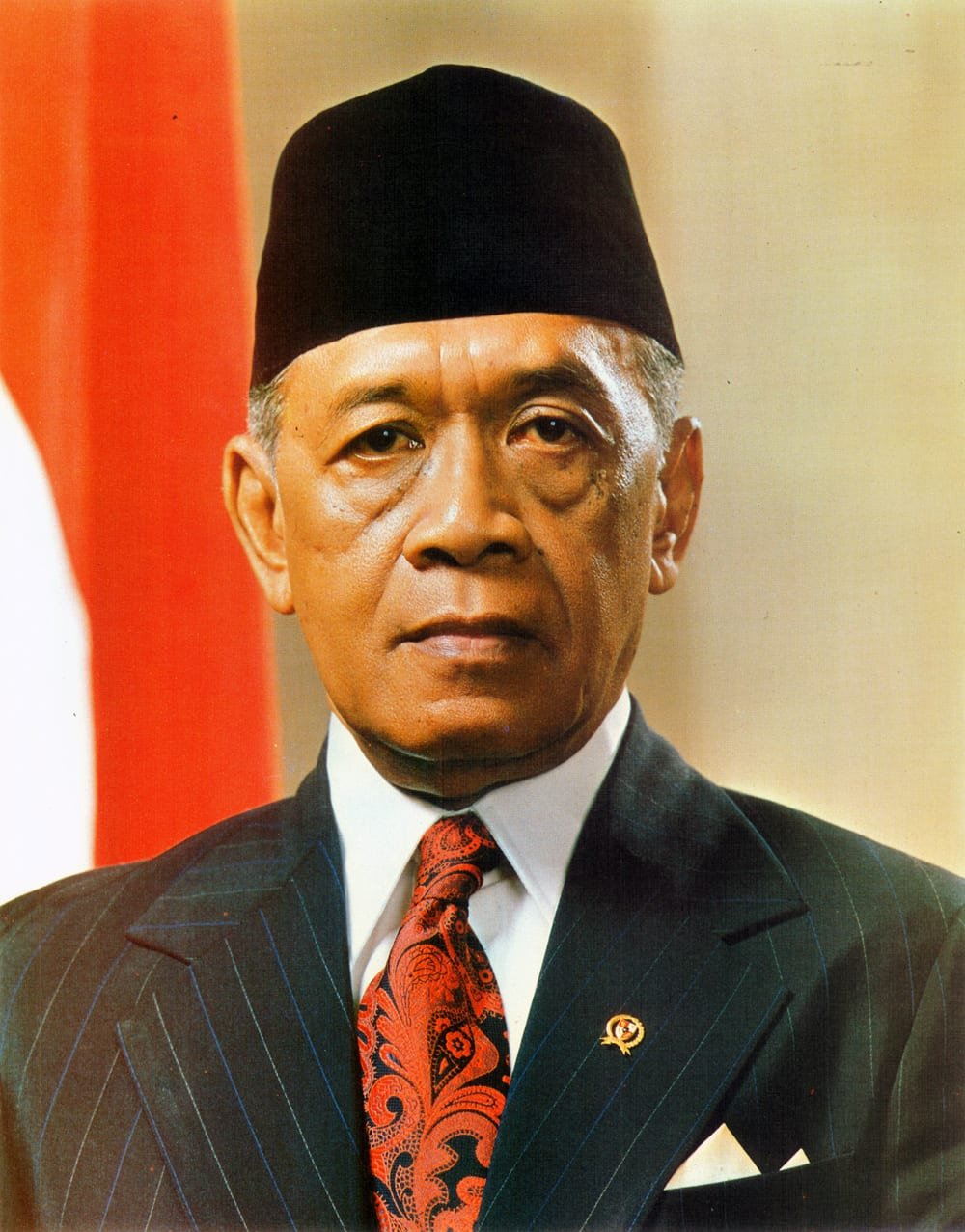 Indonesia · Politics
1912—1988
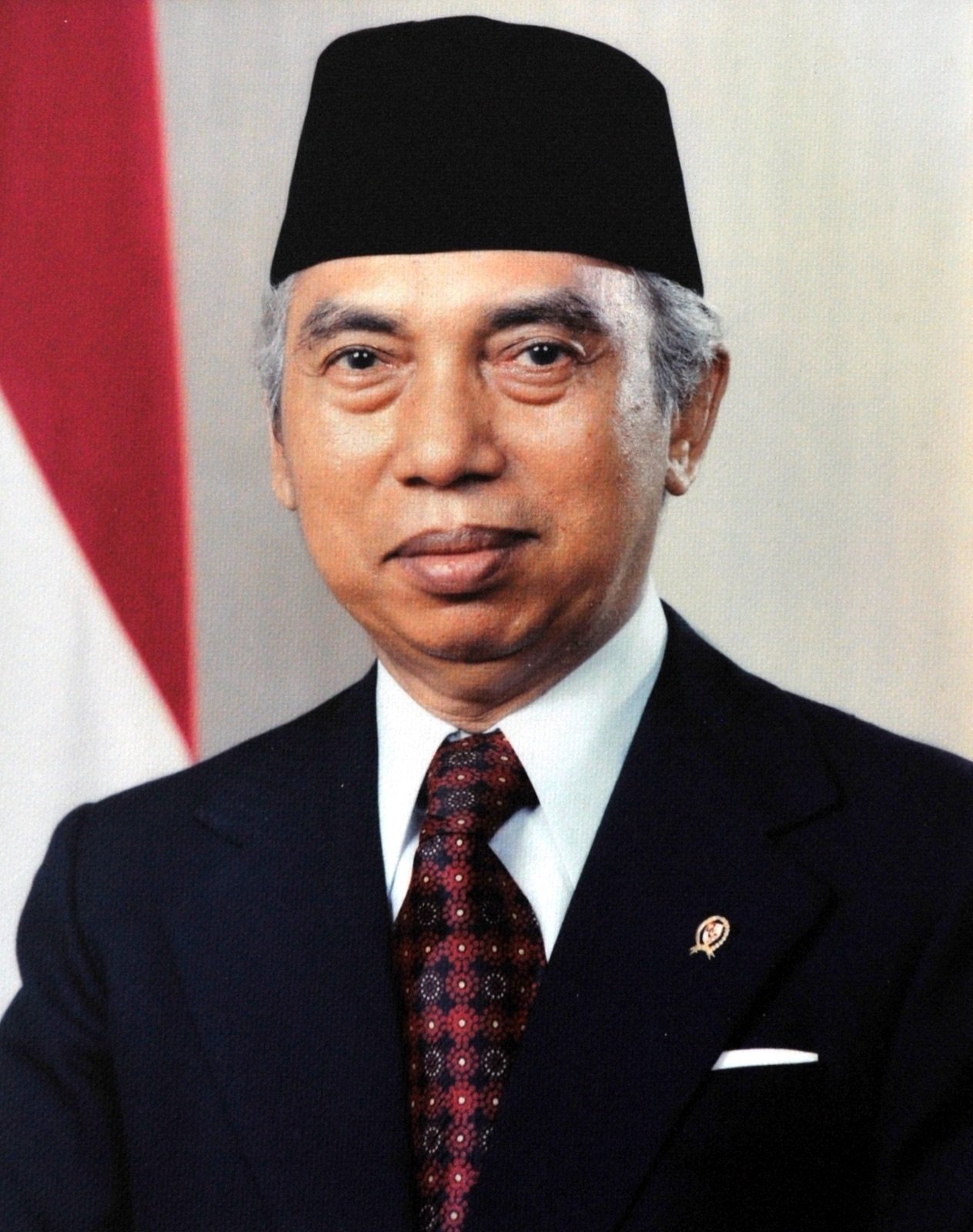 Indonesia · Politics
1917—1984
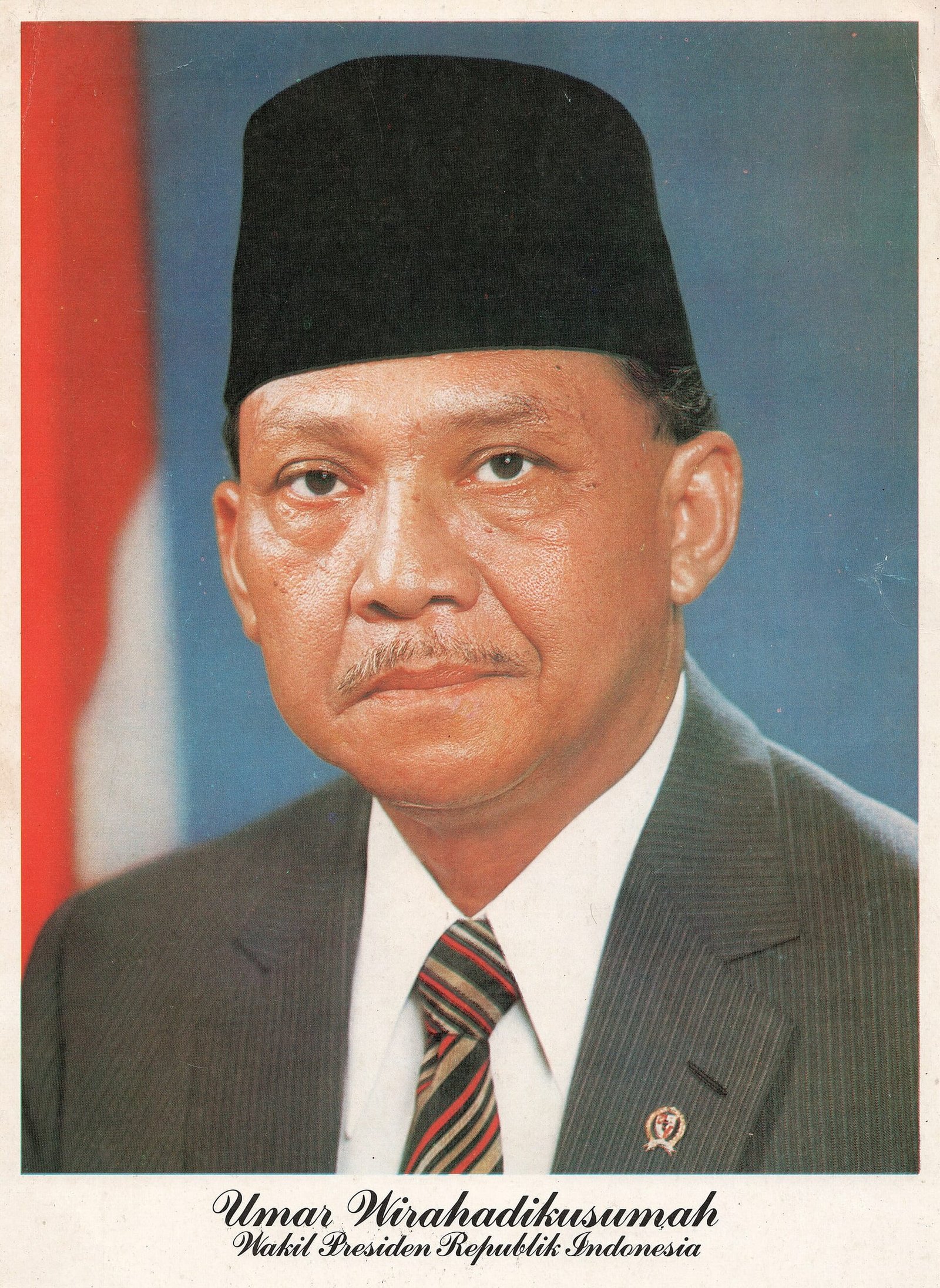 Indonesia · Politics
1924—2003
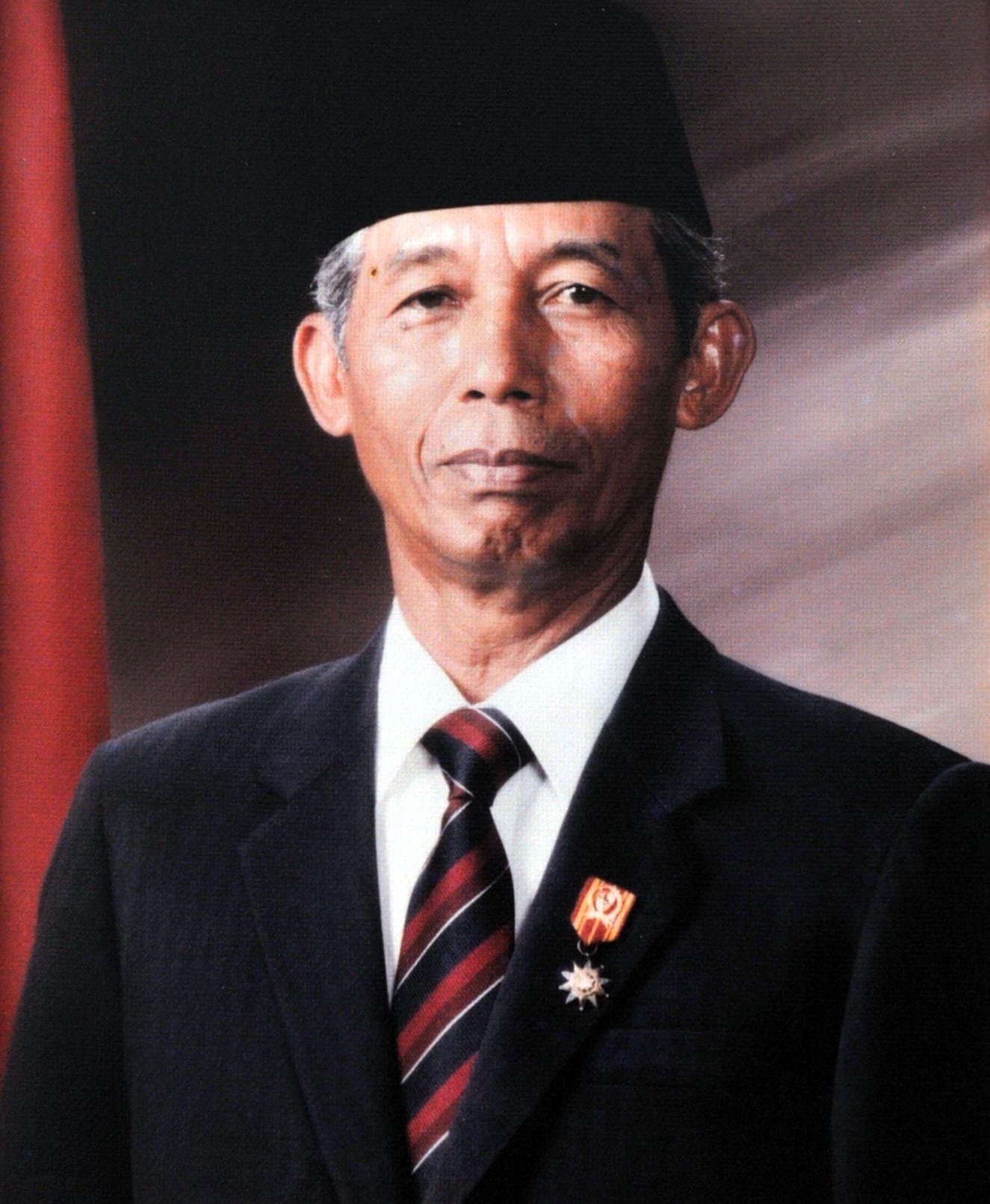 Indonesia · Politics
1927—2006
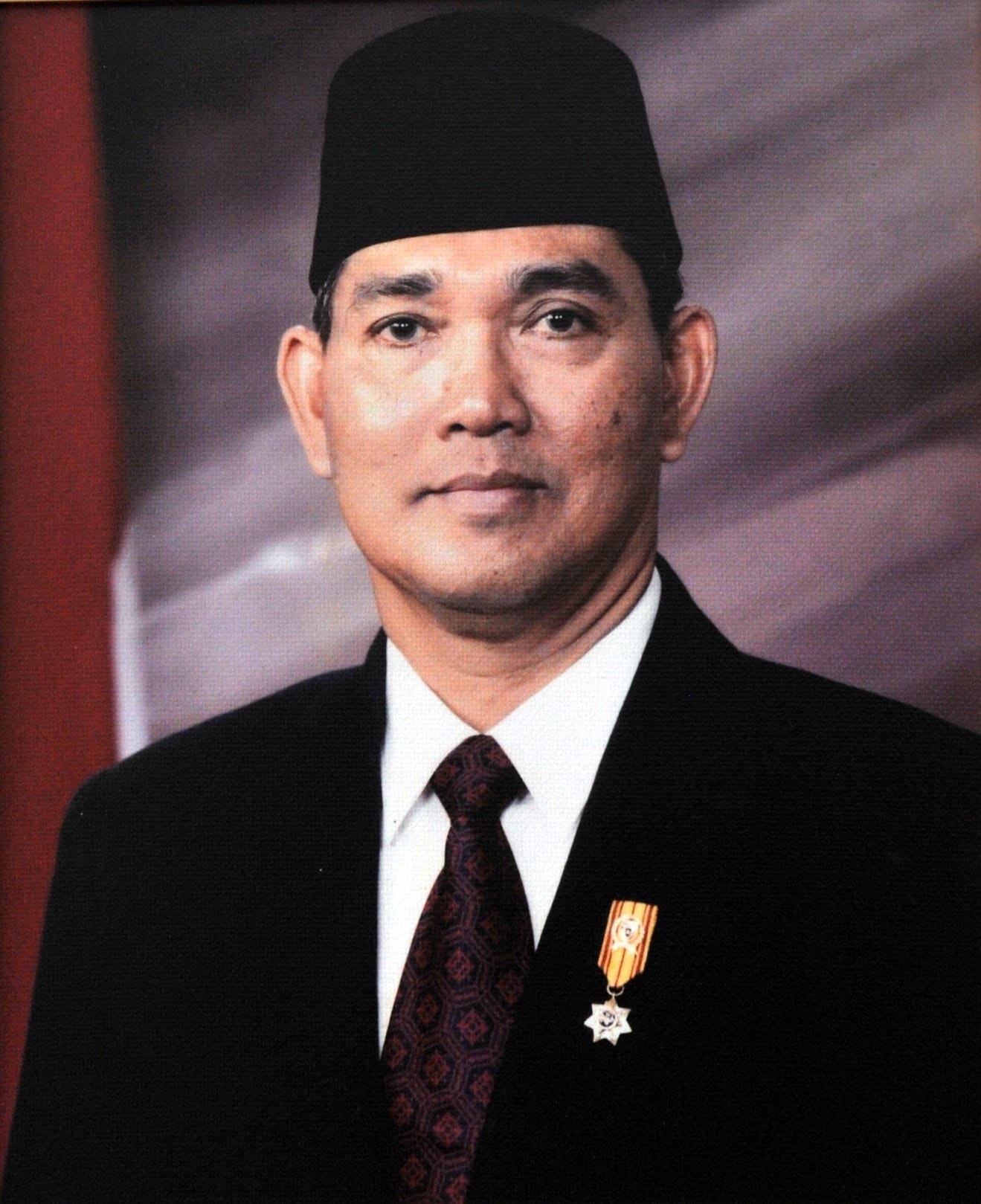 Indonesia · Politics
1935—2026
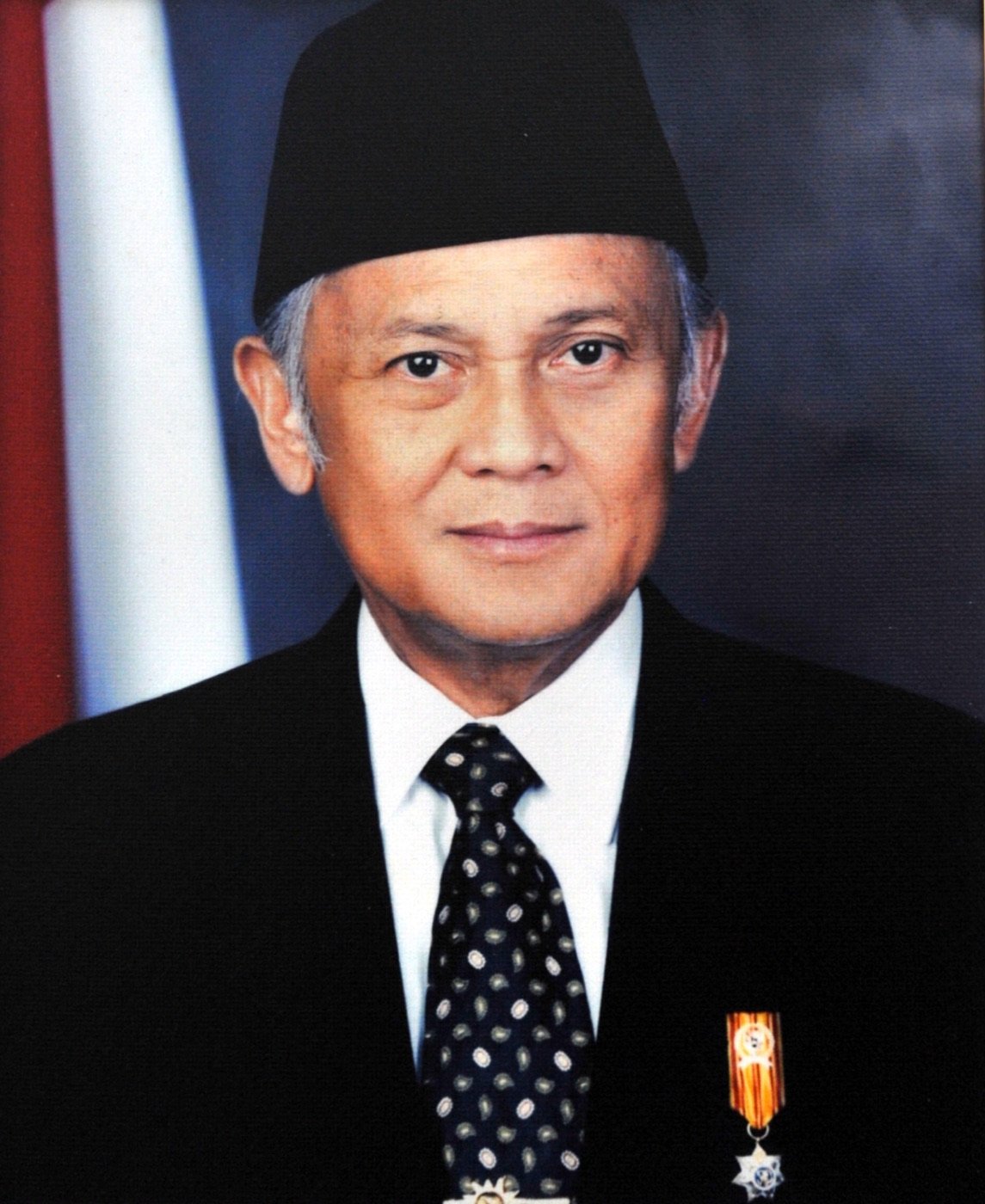 Indonesia · Politics
1936—2019
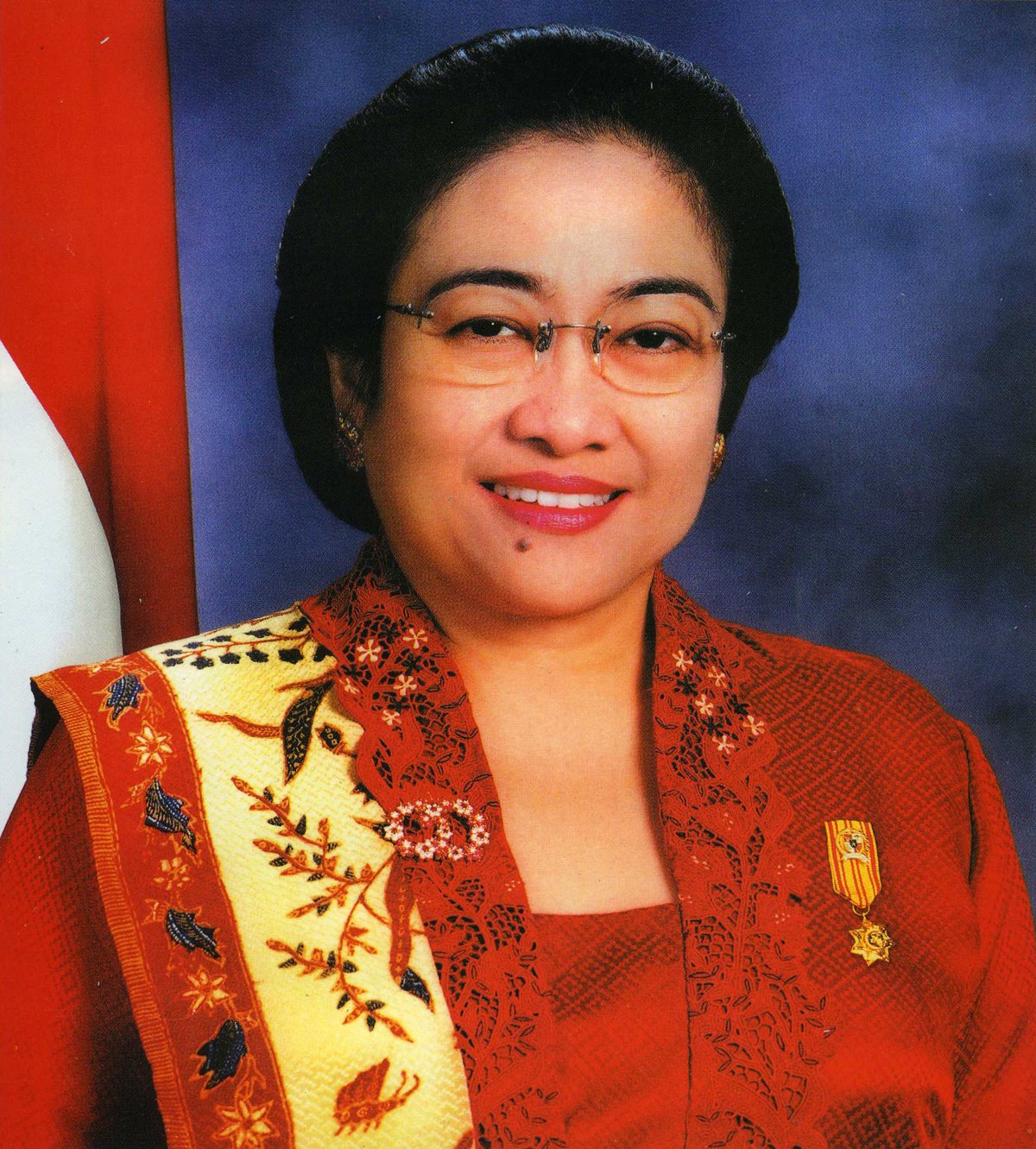 Indonesia · Politics
1947—
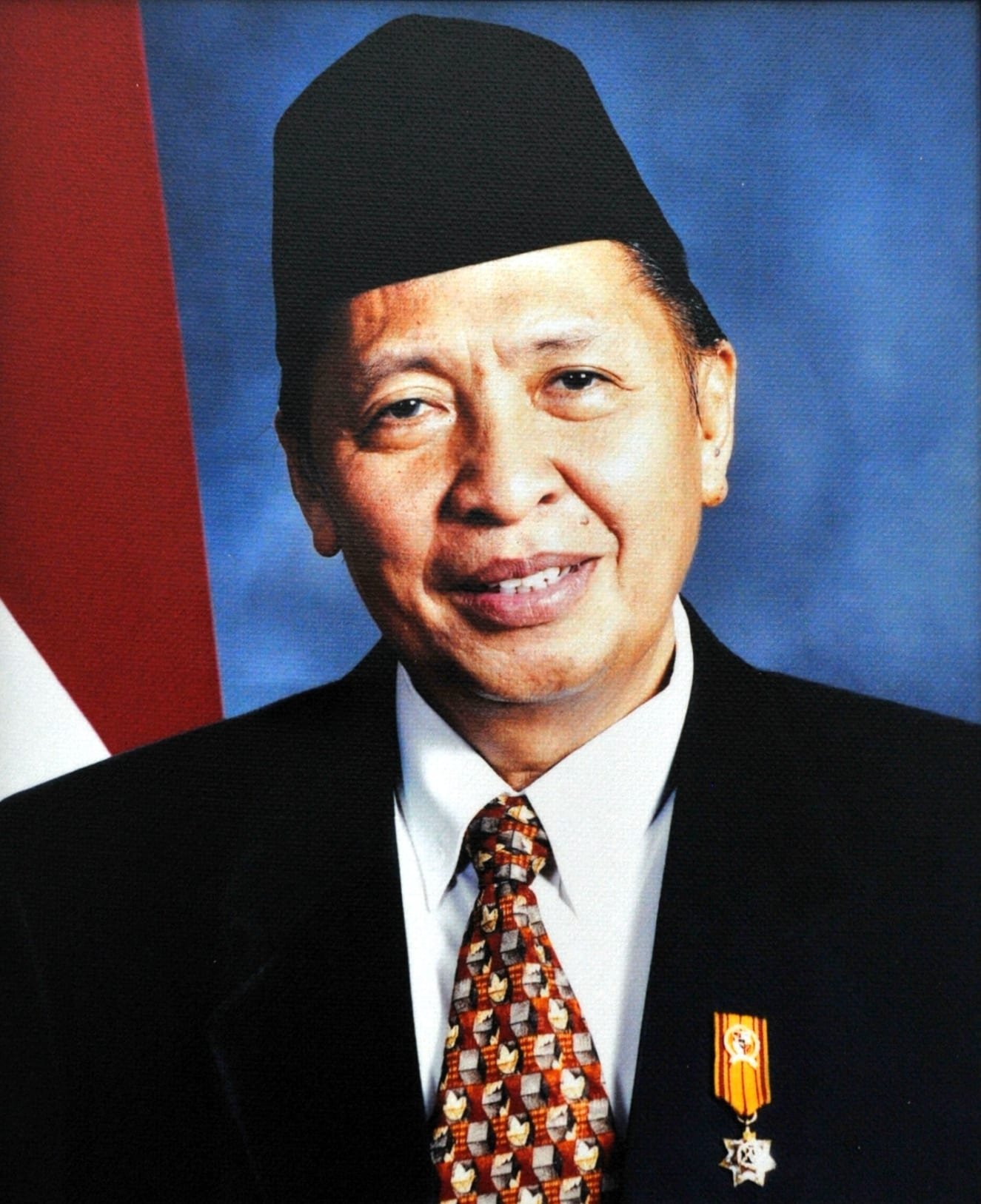 Indonesia · Politics
1940—2024
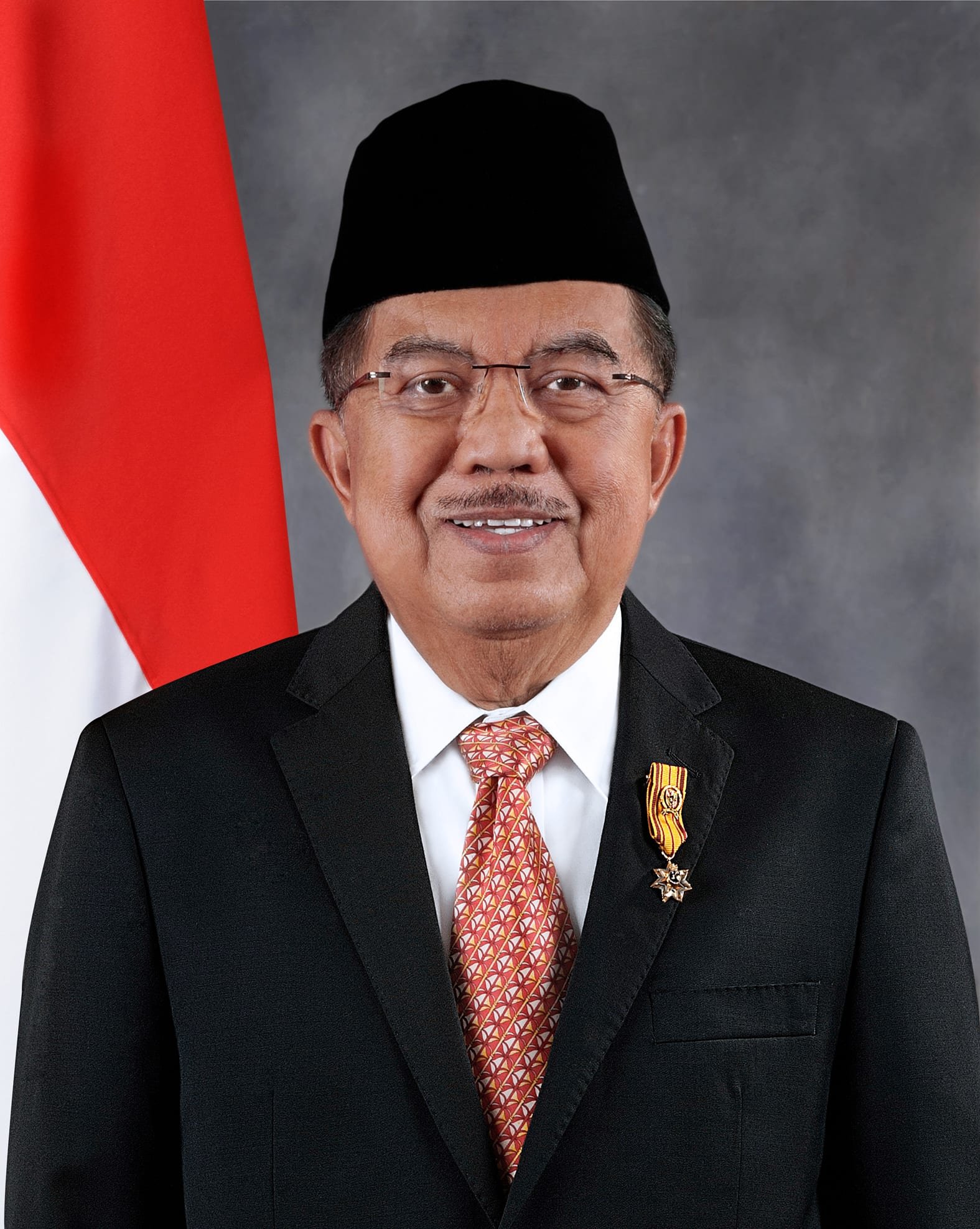 Indonesia · Politics
1942—
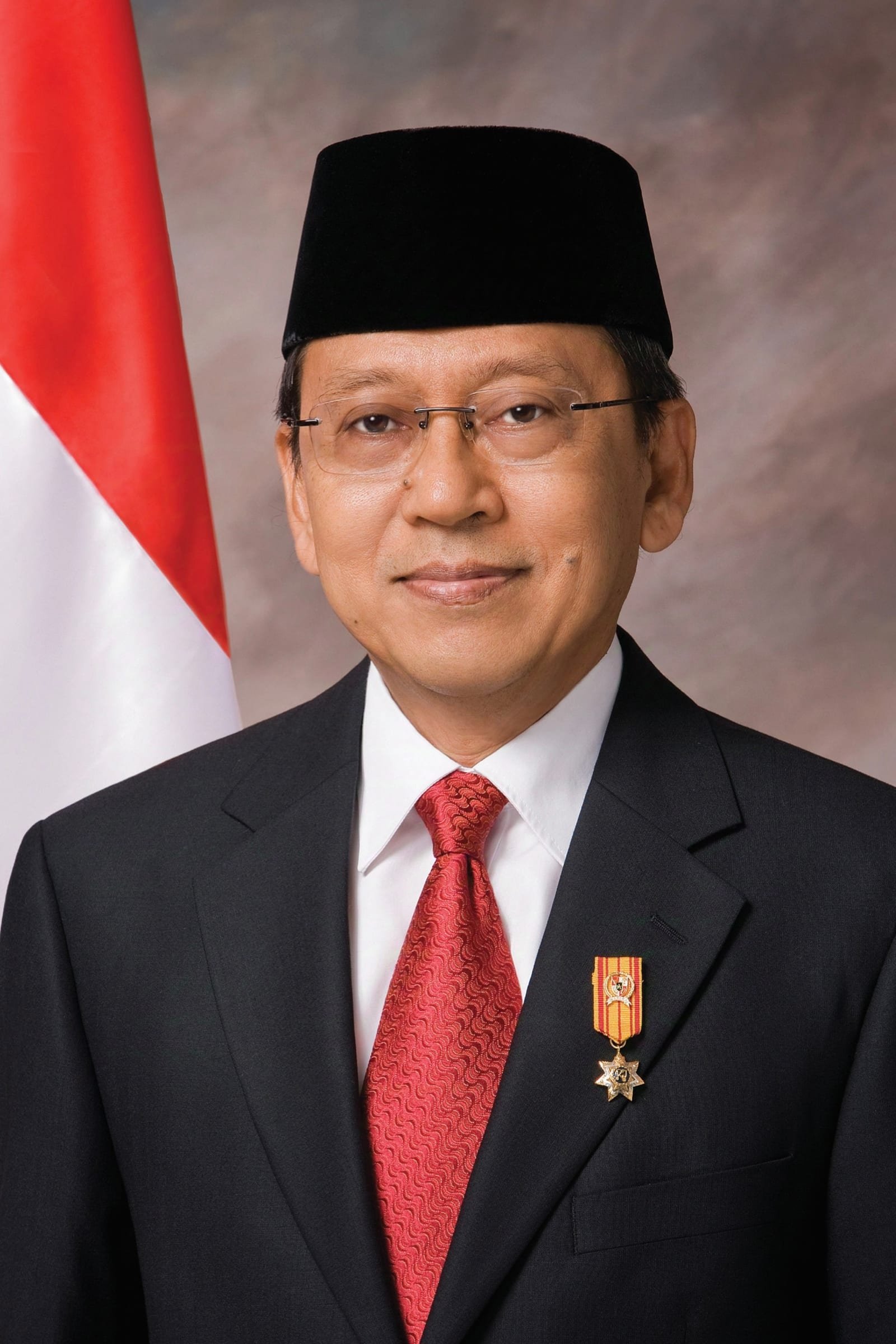 Indonesia · Politics
1943—
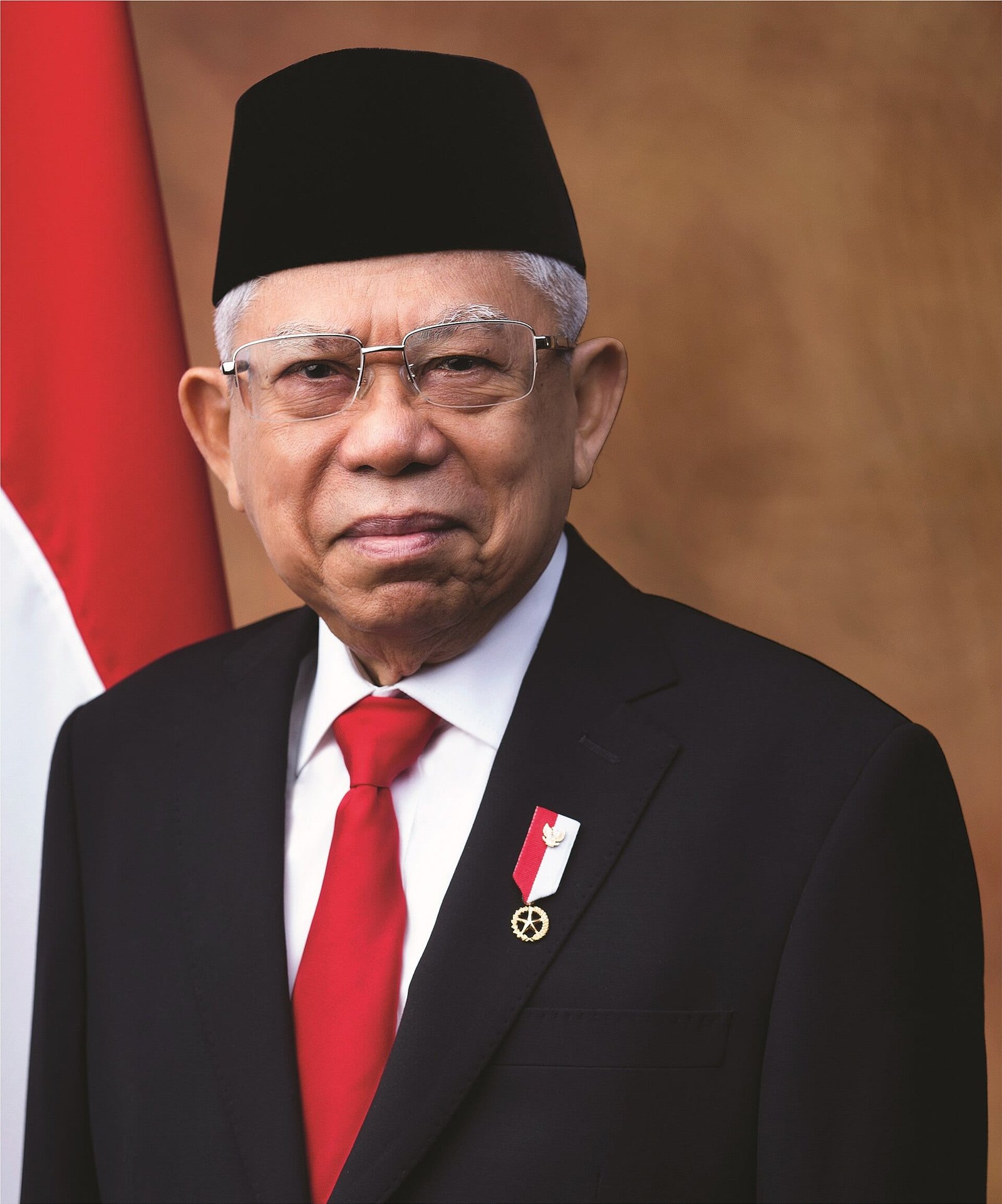 Indonesia · Politics
1943—
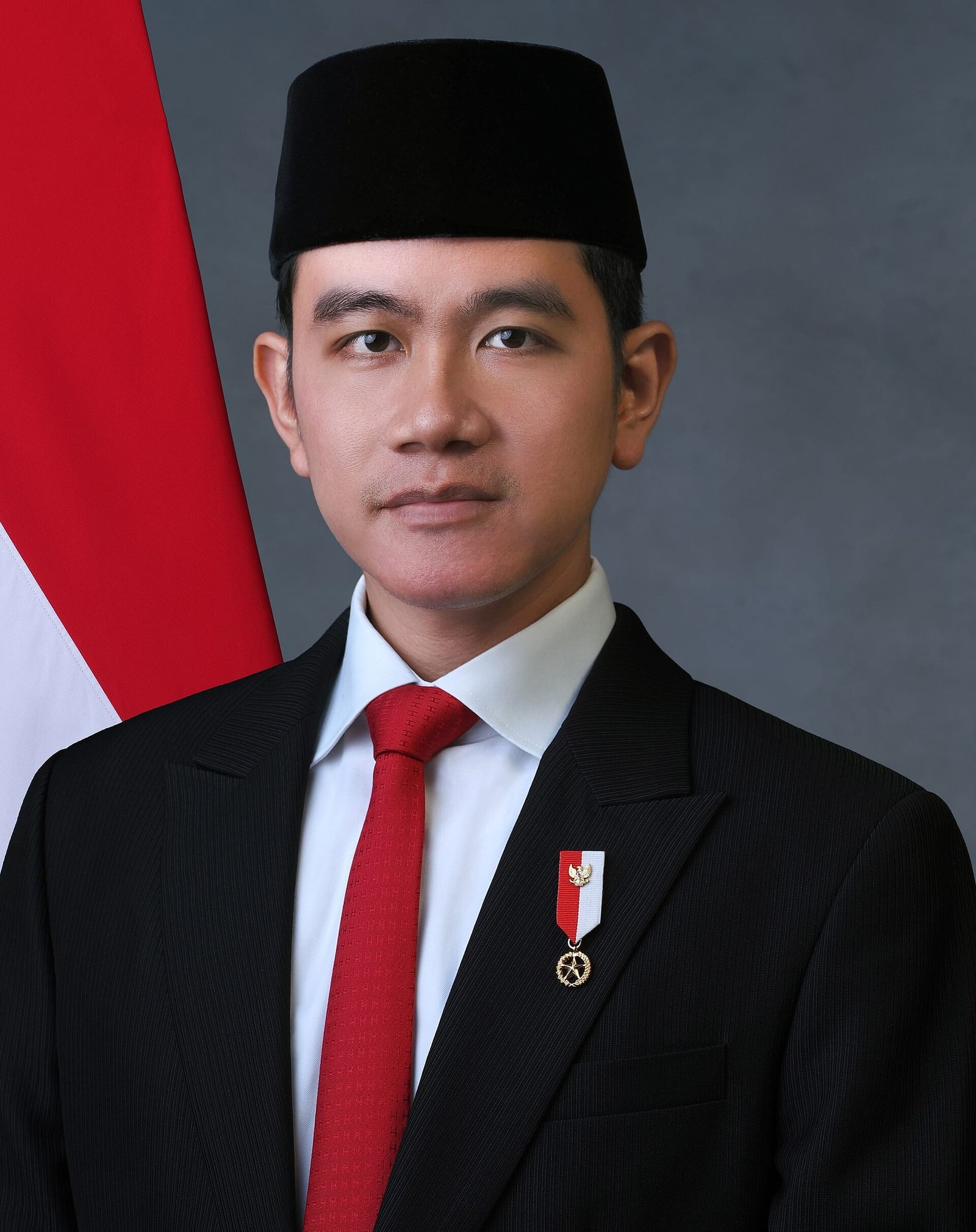 Indonesia · Politics
1987—
Continue the story
Follow constitutional succession, direct-election coalitions and the democratic transition that changed how both offices receive authority.
Quick answers
Primary and institutional sources
Regional comparisons are checked against official archives, legislation and institutional histories. Individual biographies contain person-level citations.