In this biography
Quick facts
- Born
- 11 March 1943
- Birthplace
- Kresek, Tangerang, Banten
- Country
- Indonesia
- Nationality
- Indonesian
- Known for
- Serving as vice president after decades of leadership in Nahdlatul Ulama and the Indonesian Ulema Council
- Office
- Vice president, 2019–2024
- Religious leadership
- Chair of the Indonesian Ulema Council, 2015–2020
- Nahdlatul Ulama
- Rais Aam of the executive board, 2015–2018
- 2019 result
- 85,607,362 votes with Joko Widodo
Why this life matters
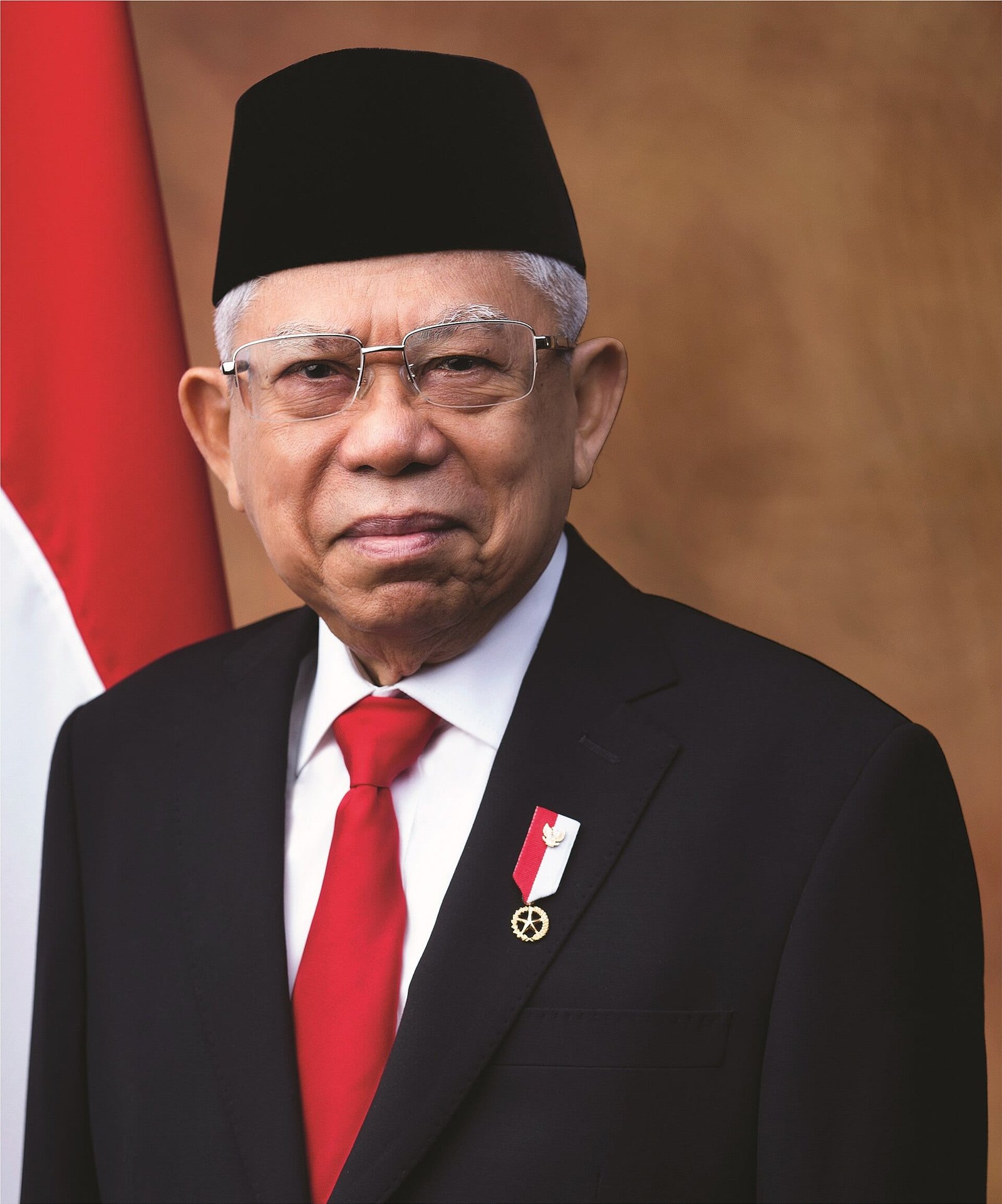
Ma’ruf Amin connected pesantren scholarship, Indonesia’s largest Muslim organisations and electoral government, making religious authority a central part of the coalition that secured Joko Widodo’s second term.
Timeline
Key moments
Began teaching and organisational work
Built a career in Islamic education, preaching and Nahdlatul Ulama networks after pesantren study.
Entered representative politics
Won a seat in Jakarta’s regional legislature before later serving at national level.
Joined the presidential advisory council
Advised President Susilo Bambang Yudhoyono on religious and social questions through 2014.
Led MUI and held NU’s senior religious office
Became chair of the Indonesian Ulema Council and Rais Aam of Nahdlatul Ulama’s executive board.
Won the vice presidency
Joko Widodo and Ma’ruf won 55.50 per cent of the valid presidential vote.
Completed his five-year term
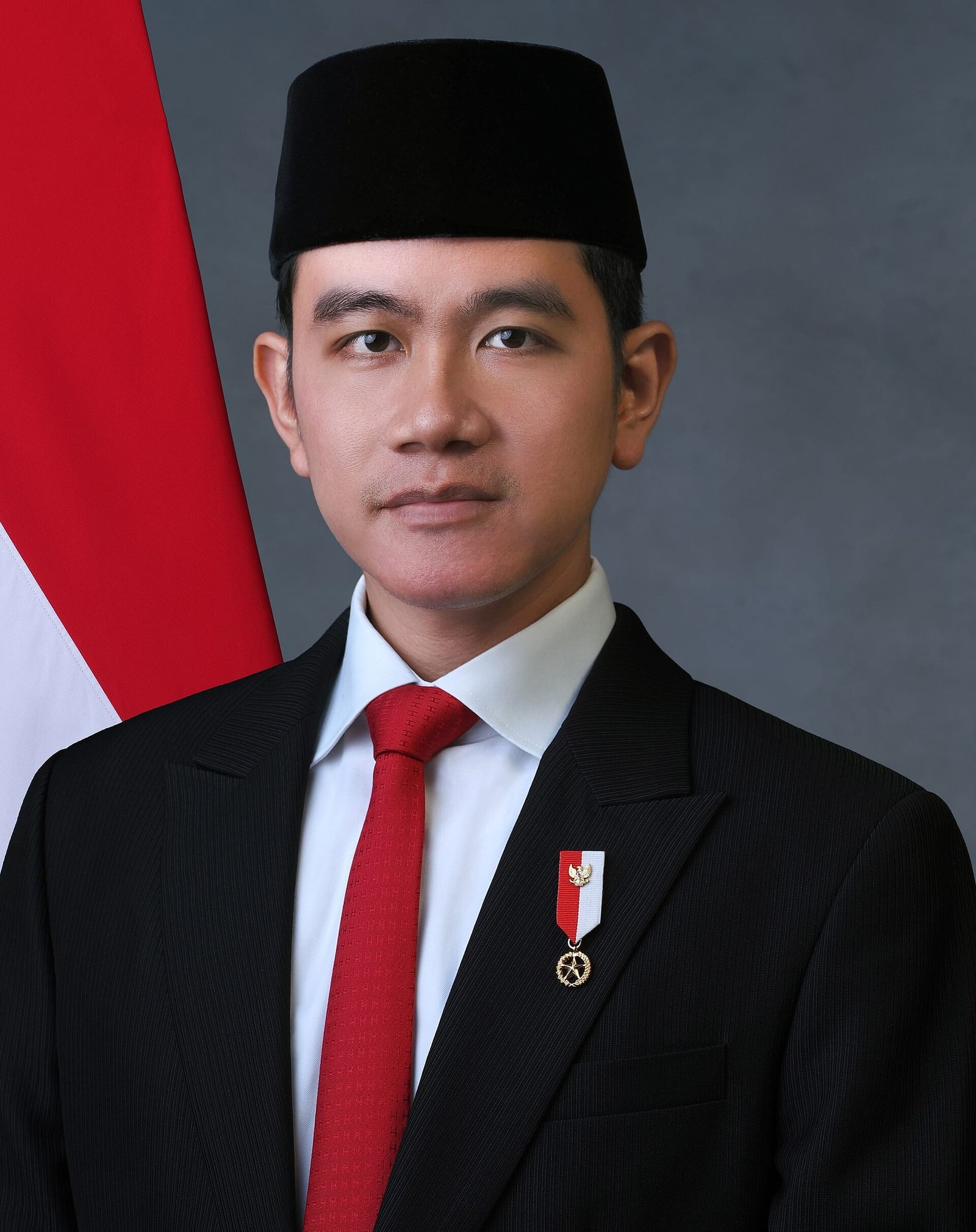
Transferred the vice presidency to Gibran Rakabuming Raka on 20 October.
From pesantren education to national religious leadership
Ma’ruf Amin was born in Kresek, Tangerang, in 1943 and developed his public life through Islamic schooling, pesantren networks and Nahdlatul Ulama. He studied at the Tebuireng pesantren in East Java, one of Indonesia’s most influential centres of traditionalist Islamic learning, before teaching and working with religious organisations in Jakarta. His authority grew through scholarship, community service and the committees that connect clerics with public institutions.
He held positions in Nahdlatul Ulama and the Indonesian Ulema Council, commonly known as MUI. Those organisations are not interchangeable: NU is a mass social and religious movement, while MUI brings together scholars and organisations to issue guidance and advise the state. Ma’ruf’s ability to work in both made him an important intermediary between pesantren communities, political parties, regulators and national government.
A cleric with a long political record
Ma’ruf’s electoral experience began decades before he became a national running mate. He served in Jakarta’s regional legislature and later in the national parliament, participating in the changing party structures of the New Order and early Reformasi periods. From 2007 to 2014 he sat on President Susilo Bambang Yudhoyono’s Presidential Advisory Council, where religious affairs and social policy formed part of his brief.
In 2015 he became MUI chair and Rais Aam, the senior religious office in Nahdlatul Ulama’s executive board. His rise also placed him inside public arguments about fatwas, minority rights, religious moderation and the boundary between clerical advice and state policy. Supporters emphasised his institutional experience and command of Islamic jurisprudence; critics questioned some conservative positions associated with MUI during his leadership.
Why Jokowi selected Ma’ruf in 2018
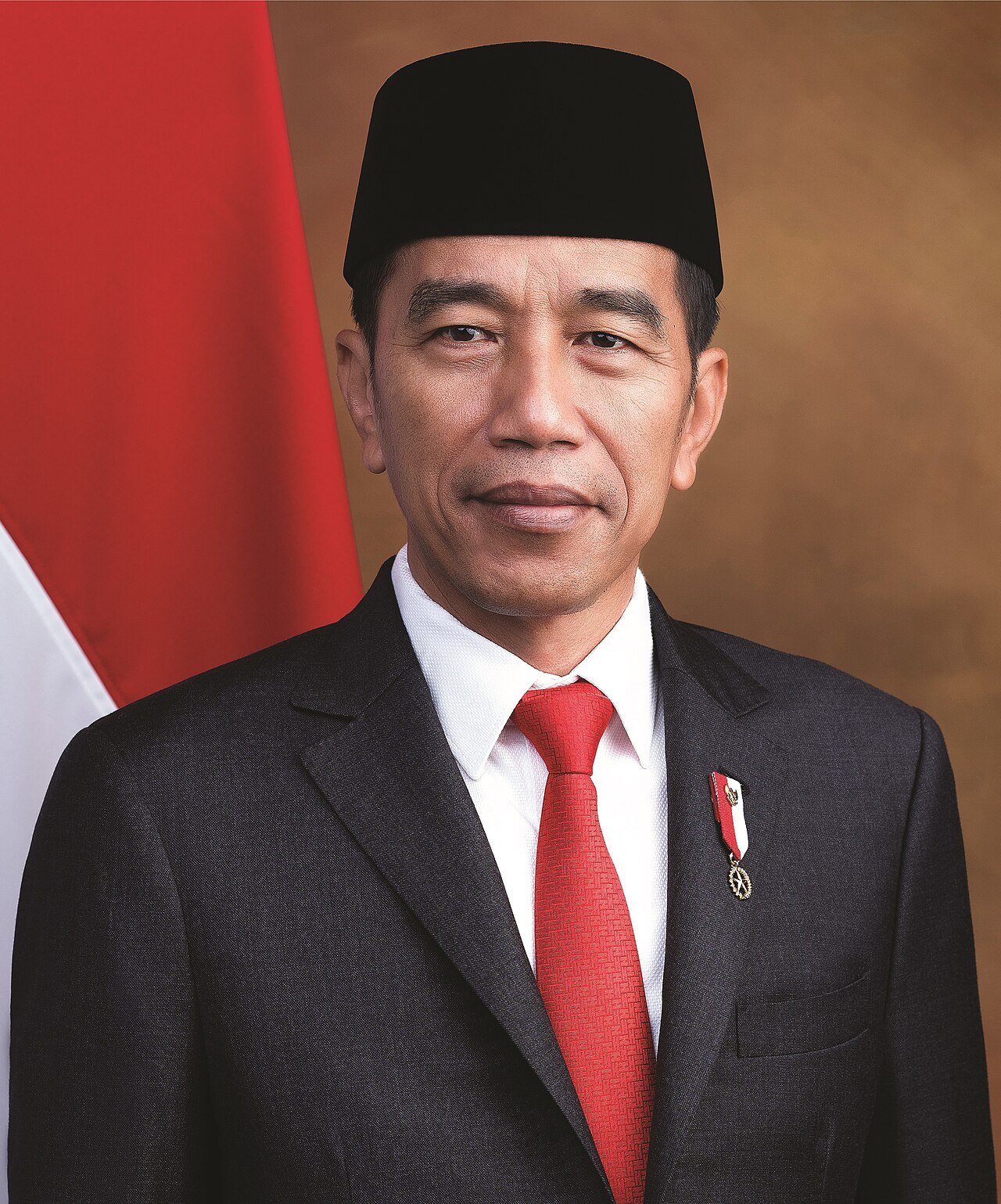
Joko Widodo named Ma’ruf as his running mate before the 2019 election, choosing a senior cleric rather than a party technocrat or younger political figure. The decision followed years in which religious identity had become especially visible in electoral mobilisation, including the 2016–2017 Jakarta governor campaign. Ma’ruf brought relationships with NU and other Islamic constituencies while helping the incumbent answer claims that he was distant from religious leadership.
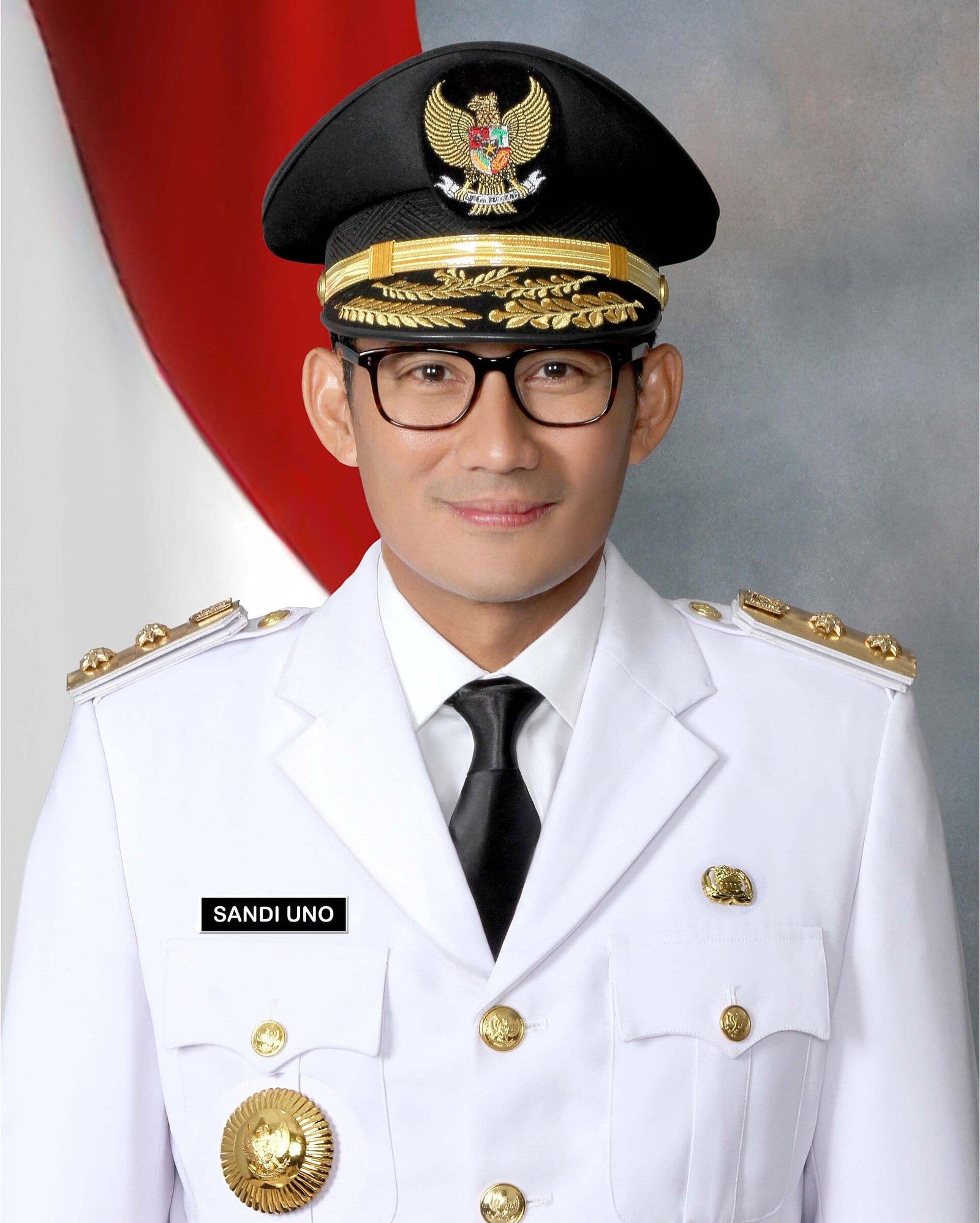
The Jokowi–Ma’ruf ticket defeated Prabowo Subianto and Sandiaga Uno with 85,607,362 votes, or 55.50 per cent. The choice therefore worked as both coalition management and electoral signalling. It also raised a broader democratic question: whether religious authority was being represented within pluralist government or used to narrow the terms of legitimate political debate. That tension remained part of assessments of his vice presidency.
Vice president and advocate for the Islamic economy
Ma’ruf served as vice president from October 2019 to October 2024. His portfolio emphasised sharia-compliant finance, halal industry, small enterprises, poverty reduction, stunting prevention, religious moderation and aspects of Papua development. He promoted the idea that Indonesia’s large Muslim population could support a globally competitive halal economy while keeping financial products and certification connected to national development goals.
The COVID-19 pandemic constrained public activity during much of the administration’s first half and shifted government attention toward health, welfare and economic recovery. Ma’ruf remained a lower-profile political actor than Jokowi, but his term showed how the vice presidency can give organised religious leadership a formal place inside executive coordination. He left office in 2024 after completing the constitutional five-year term.
Quick answers
Frequently asked questions about Ma’ruf Amin
- Who is Ma’ruf Amin?
- Ma’ruf Amin is the 13th Vice President of Indonesia and Islamic scholar. Ma’ruf Amin connected pesantren scholarship, Indonesia’s largest Muslim organisations and electoral government, making religious authority a central part of the coalition that secured Joko Widodo’s second term.
- What is Ma’ruf Amin best known for?
- Ma’ruf Amin is best known for serving as vice president after decades of leadership in Nahdlatul Ulama and the Indonesian Ulema Council.
- When and where was Ma’ruf Amin born?
- Ma’ruf Amin was born on 11 March 1943 in Kresek, Tangerang, Banten.
Sources and further reading
How this biography was checked
Core dates and offices are checked against the sources below. This profile was last reviewed on 3 October 2026.
- Secretariat of the Vice President of IndonesiaProfile of Vice President K. H. Ma’ruf Amin
- Secretariat of the Vice President of IndonesiaVice presidents of Indonesia from 1945 to the present
- Secretariat of the Vice President of IndonesiaInauguration of K. H. Ma’ruf Amin as vice president
- Secretariat of the Vice President of IndonesiaEnd-of-term priorities and public service
- Wikimedia CommonsOfficial portrait and public-domain record