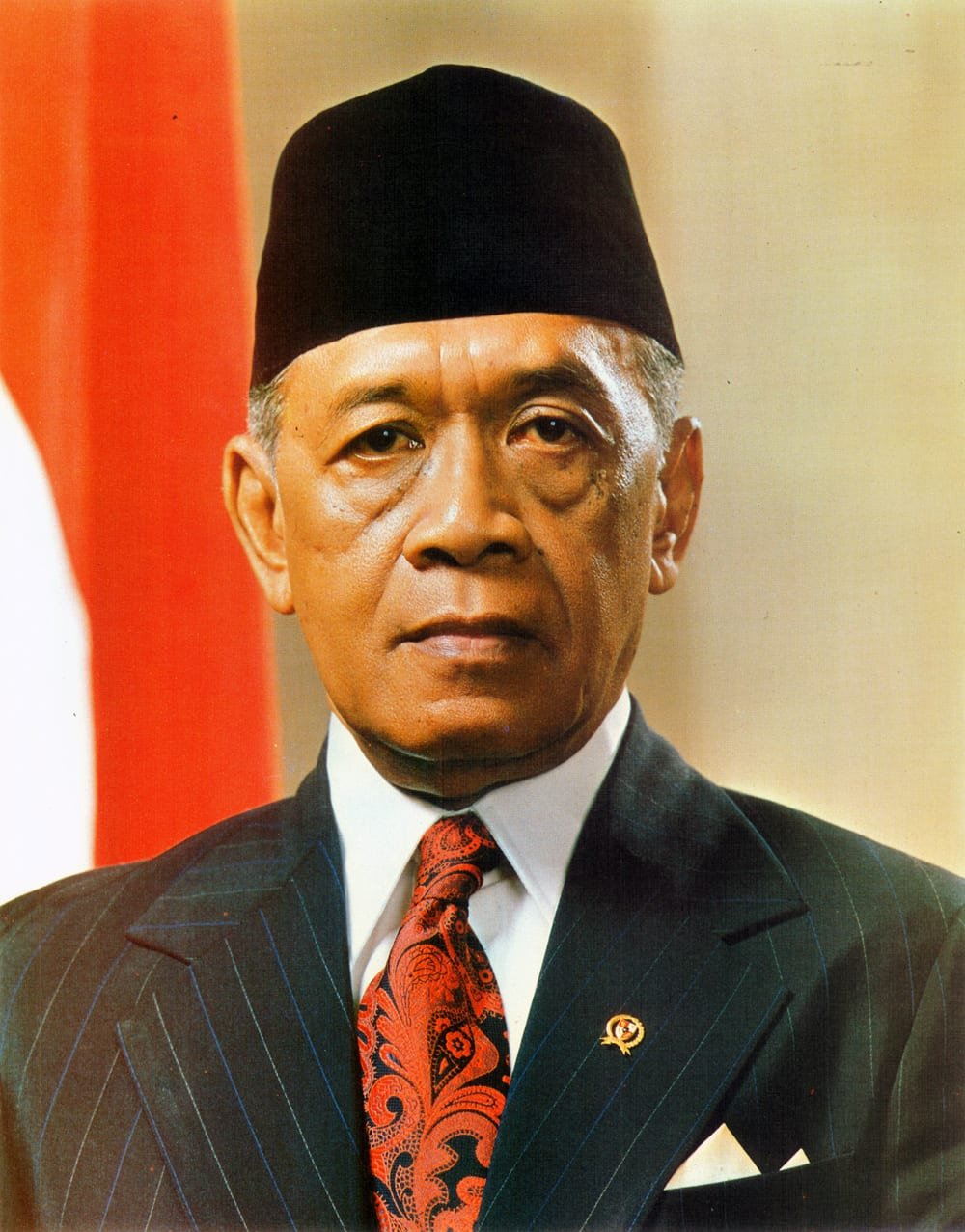
In this biography
Quick facts
- Born
- 12 April 1912
- Died
- 2 October 1988
- Birthplace
- Yogyakarta, Dutch East Indies
- Country
- Indonesia
- Nationality
- Indonesian
- Known for
- Backing the Indonesian Republic, sustaining Yogyakarta as its wartime capital and serving as vice president from 1973 to 1978
- Royal office
- Sultan of Yogyakarta, 1940–1988
- National office
- Vice president, 1973–1978
- Republican role
- Supported Yogyakarta as Indonesia’s capital, 1946–1949
- National honour
- National Hero of Indonesia, 1990
Why this life matters
Hamengkubuwono IX showed how a hereditary court could join a revolutionary republic, supplying territory, money and political legitimacy before later linking the founding generation to the early New Order.
Timeline
Key moments
Became Sultan of Yogyakarta
Was enthroned after difficult negotiations with the Dutch colonial authorities.
Placed Yogyakarta inside the republic
Declared support for independence and, with Paku Alam VIII, affirmed Yogyakarta as part of Indonesia.
Yogyakarta became the republican capital
Welcomed the national government when insecurity forced its move from Jakarta.
Served as defence minister
Held the defence portfolio during the final phase of the independence struggle and transfer of sovereignty.
Became the second vice president
Filled an office that had remained vacant since Mohammad Hatta’s resignation in 1956.
Died in Washington, D.C.
Died while visiting the United States and was buried at the royal cemetery in Imogiri.
A prince educated beyond the palace
Born Gusti Raden Mas Dorojatun in Yogyakarta in 1912, the future Hamengkubuwono IX spent much of his childhood outside the palace and attended Dutch-language schools. He continued his studies in the Netherlands, where he studied state law at Leiden before the approach of the Second World War brought him home.
His accession required months of negotiation with Dutch officials over the authority of the court, its advisers and its troops. He was enthroned on 18 March 1940. The experience prepared him to combine royal legitimacy with a modern administrative outlook at a moment when colonial government was close to collapse.
A sultan commits Yogyakarta to the republic
After Sukarno and Mohammad Hatta proclaimed independence, Hamengkubuwono IX quickly declared his support. On 5 September 1945, he and Paku Alam VIII affirmed that their territories belonged to the Republic of Indonesia. When leaders moved the capital to Yogyakarta in January 1946, the palace provided political shelter, buildings and financial support.
Yogyakarta remained a centre of republican government and resistance through Dutch military pressure. The sultan held national posts including state minister, defence minister and deputy prime minister. Accounts differ over individual initiative in some military episodes, especially the 1 March 1949 offensive, but the court’s wider institutional and material support for the republic is well documented.
Public office across two political eras
Hamengkubuwono IX continued to govern the Special Region of Yogyakarta while serving in successive national cabinets. During the economic and political transition that brought Suharto to power, he became coordinating minister for economic, financial and industrial affairs and helped represent Indonesia abroad as the new government sought to restore international confidence.
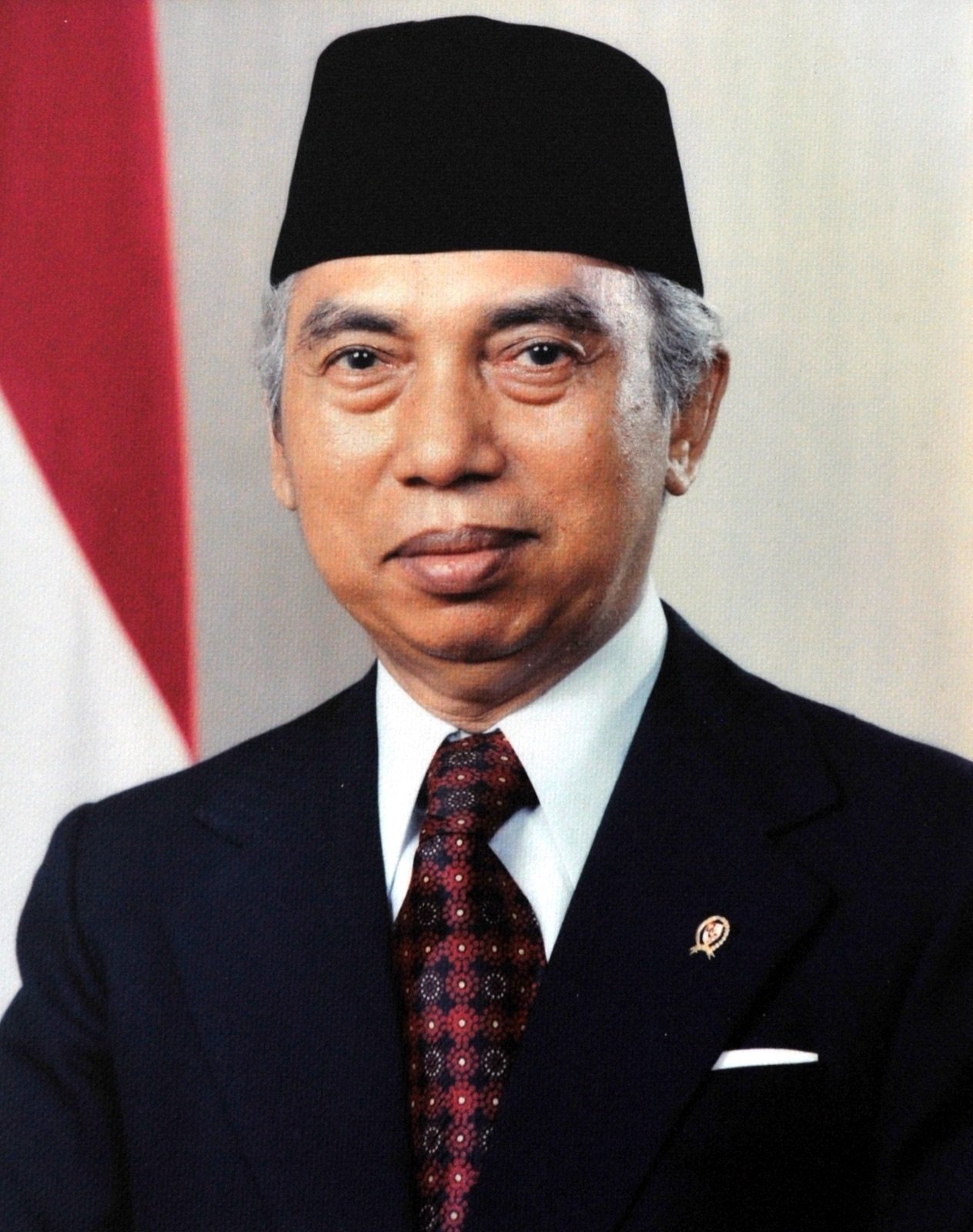
In 1973 the People’s Consultative Assembly selected him as vice president, the first person to hold the office after nearly seventeen years without an incumbent. His term placed a respected independence-era figure beside Suharto, although executive power remained concentrated in the presidency. He did not continue for a second term in 1978.
Scouting, education and a monarchy within a republic
Beyond cabinet office, Hamengkubuwono IX helped organise Indonesia’s national scouting movement and became its first national chair. He also supported Gadjah Mada University with palace facilities and land. These roles widened his legacy from constitutional politics to youth organisation, education and Yogyakarta’s civic institutions.
He died on 2 October 1988 and was named a National Hero in 1990. His career remains unusual: a hereditary ruler who used royal resources to defend a republic, retained regional authority and later occupied its second-highest office. That combination helps explain Yogyakarta’s continuing special constitutional status and his durable place in national memory.
Quick answers
Frequently asked questions about Hamengkubuwono IX
- Who was Hamengkubuwono IX?
- Hamengkubuwono IX was a ninth Sultan of Yogyakarta and second Vice President of Indonesia. Hamengkubuwono IX showed how a hereditary court could join a revolutionary republic, supplying territory, money and political legitimacy before later linking the founding generation to the early New Order.
- What is Hamengkubuwono IX best known for?
- Hamengkubuwono IX is best known for backing the Indonesian Republic, sustaining Yogyakarta as its wartime capital and serving as vice president from 1973 to 1978.
- When and where was Hamengkubuwono IX born?
- Hamengkubuwono IX was born on 12 April 1912 in Yogyakarta, Dutch East Indies.
- When did Hamengkubuwono IX die?
- Hamengkubuwono IX died on 2 October 1988.
Sources and further reading
How this biography was checked
Core dates and offices are checked against the sources below. This profile was last reviewed on 3 October 2026.
- Secretariat of the Vice President of IndonesiaVice presidents of Indonesia from 1945 to the present
- Kraton YogyakartaSri Sultan Hamengku Buwono IX
- National Archives of IndonesiaLearning from the archives of Sultan Hamengkubuwono IX
- Gerakan PramukaThe national scout flag and 63 years of Gerakan Pramuka
- Wikimedia CommonsOfficial 1973 portrait and public-domain record