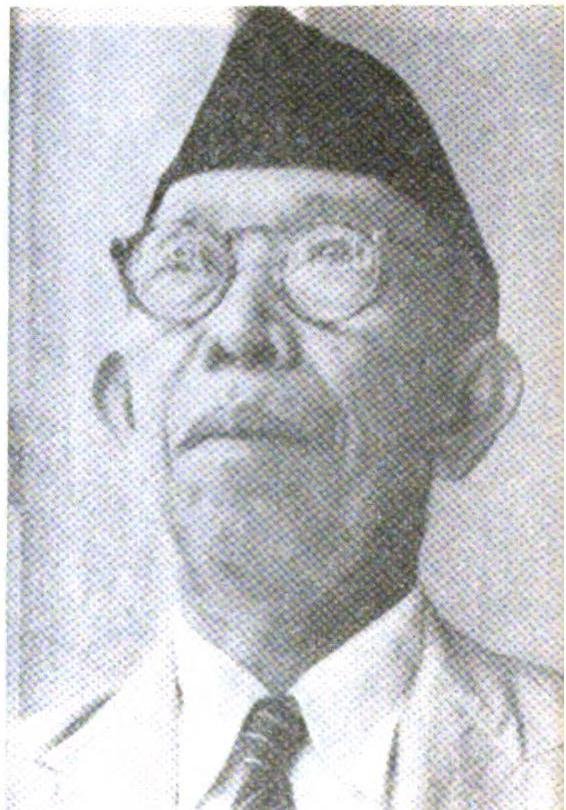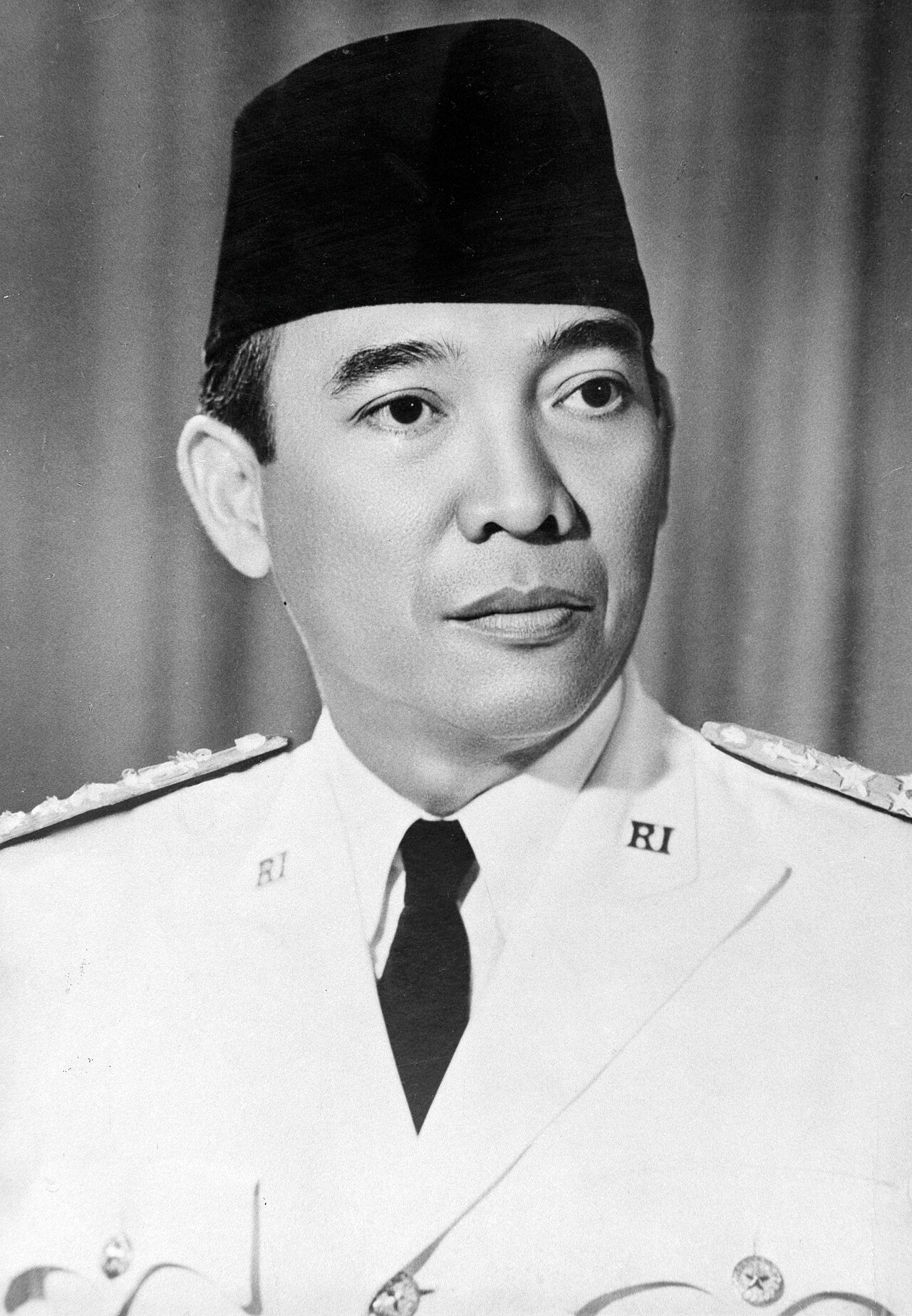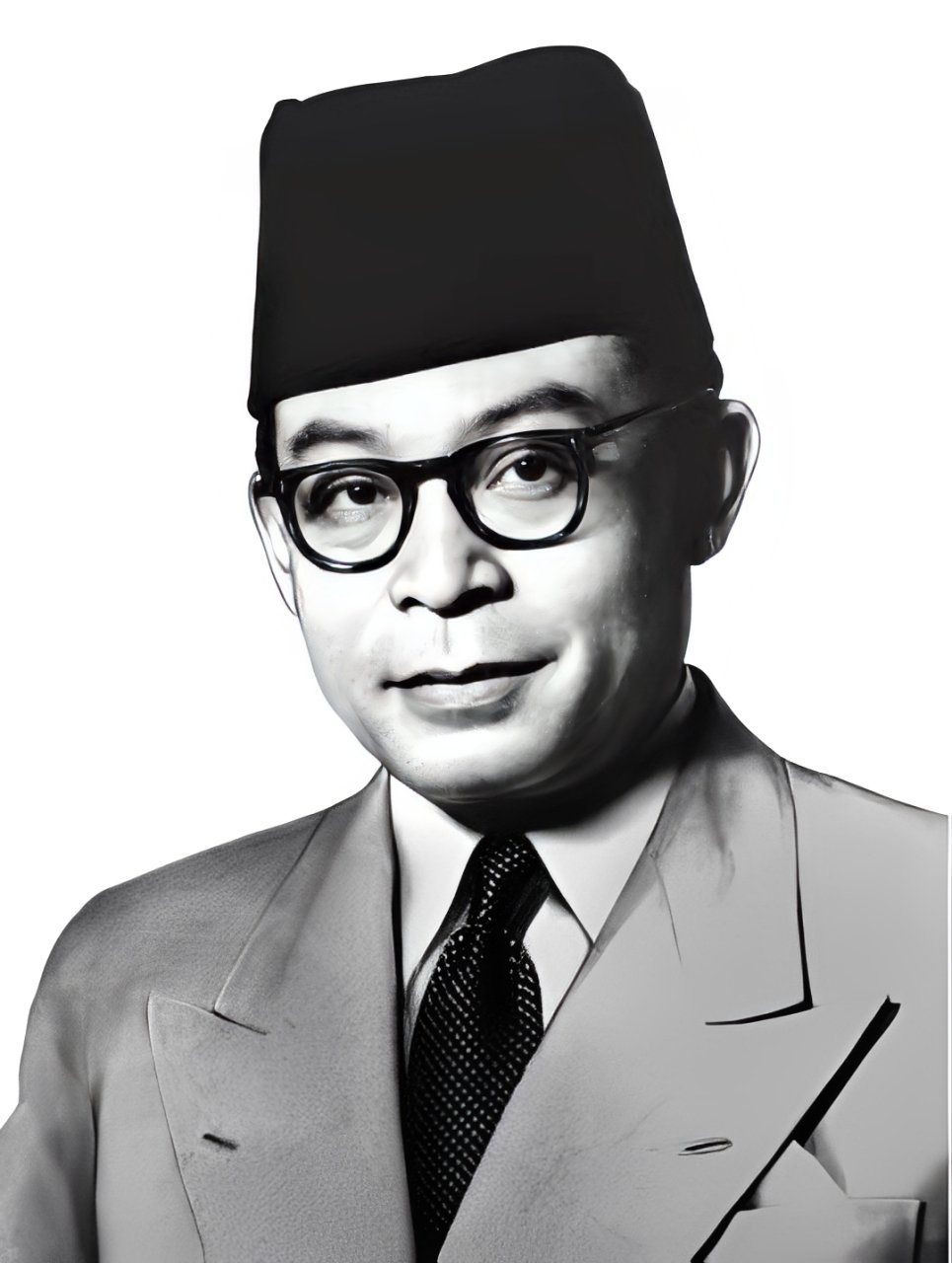
Collection · Indonesian history

Resistance · National awakening · Revolution · Diplomacy

Independence was
more than one moment.

Eight sourced biographies tracing the competing ideas, institutions and negotiations behind Indonesia’s path from colonial rule to an internationally recognised republic.

Across more than a century of political change

This pathway begins with a nineteenth-century war and ends with post-independence diplomacy. It keeps the differences between rebellion, nationalism, proclamation, revolutionary government and sovereignty transfer visible.

  1. 01

    Resistance before nationalism

    Prince Diponegoro led the Java War a century before the republic, becoming an important later symbol without fighting for a modern Indonesian nation-state.

  2. 02

    Education, print and organisation

    Ki Hajar Dewantara, Tan Malaka and Agus Salim show how schools, newspapers, political organisations and exile widened the anticolonial public sphere.

  3. 03

    Proclamation and revolution

    Sukarno and Mohammad Hatta proclaimed independence, while Sutan Sjahrir helped turn revolutionary authority into a government capable of negotiation.

  4. 04

    Diplomacy beyond sovereignty

    Agus Salim and Adam Malik connect the independence generation with international recognition, the Bandung moment and the regional diplomacy that produced ASEAN.

8 sourced biographies

Resisters, educators, organisers and diplomats

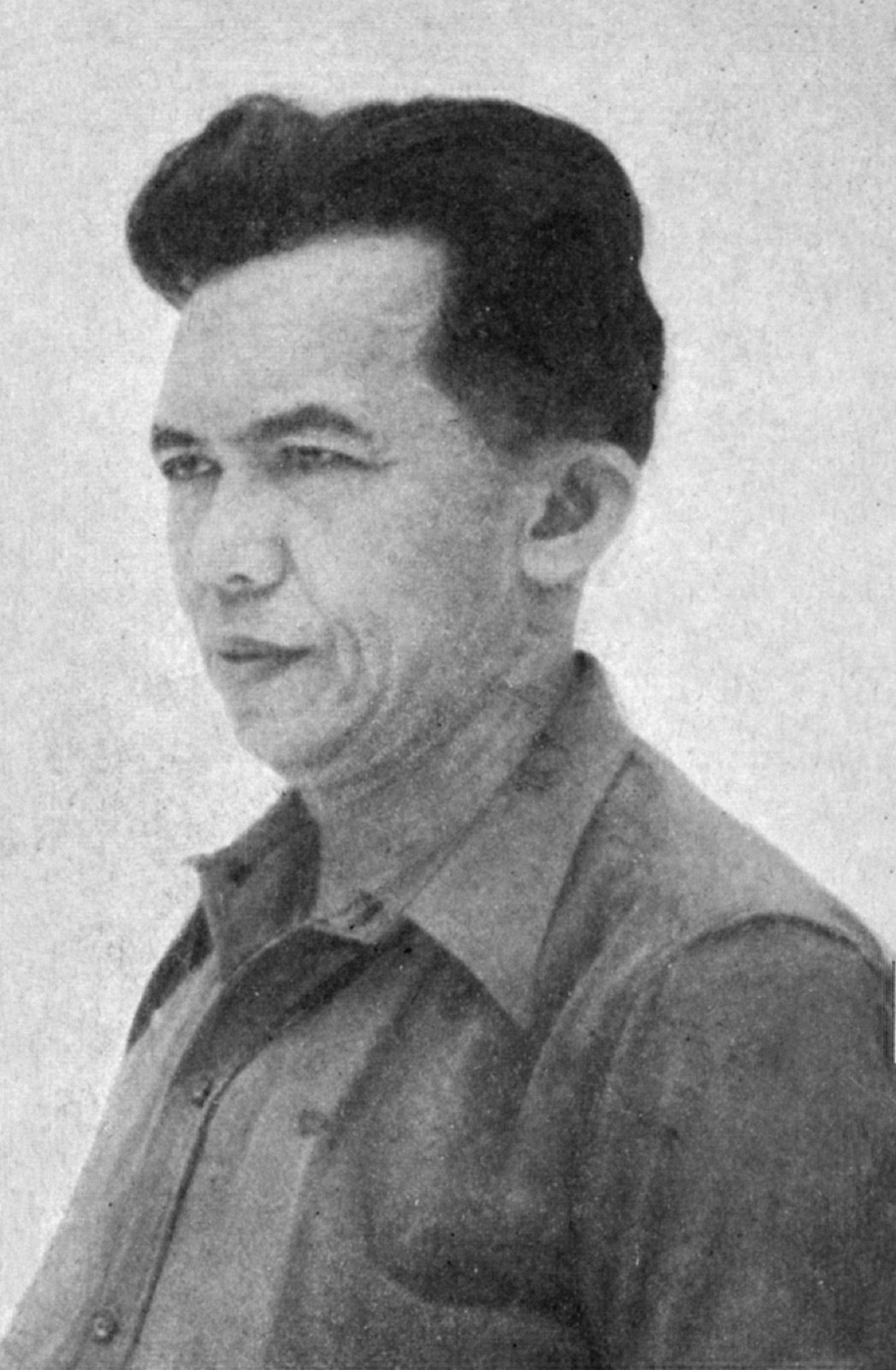
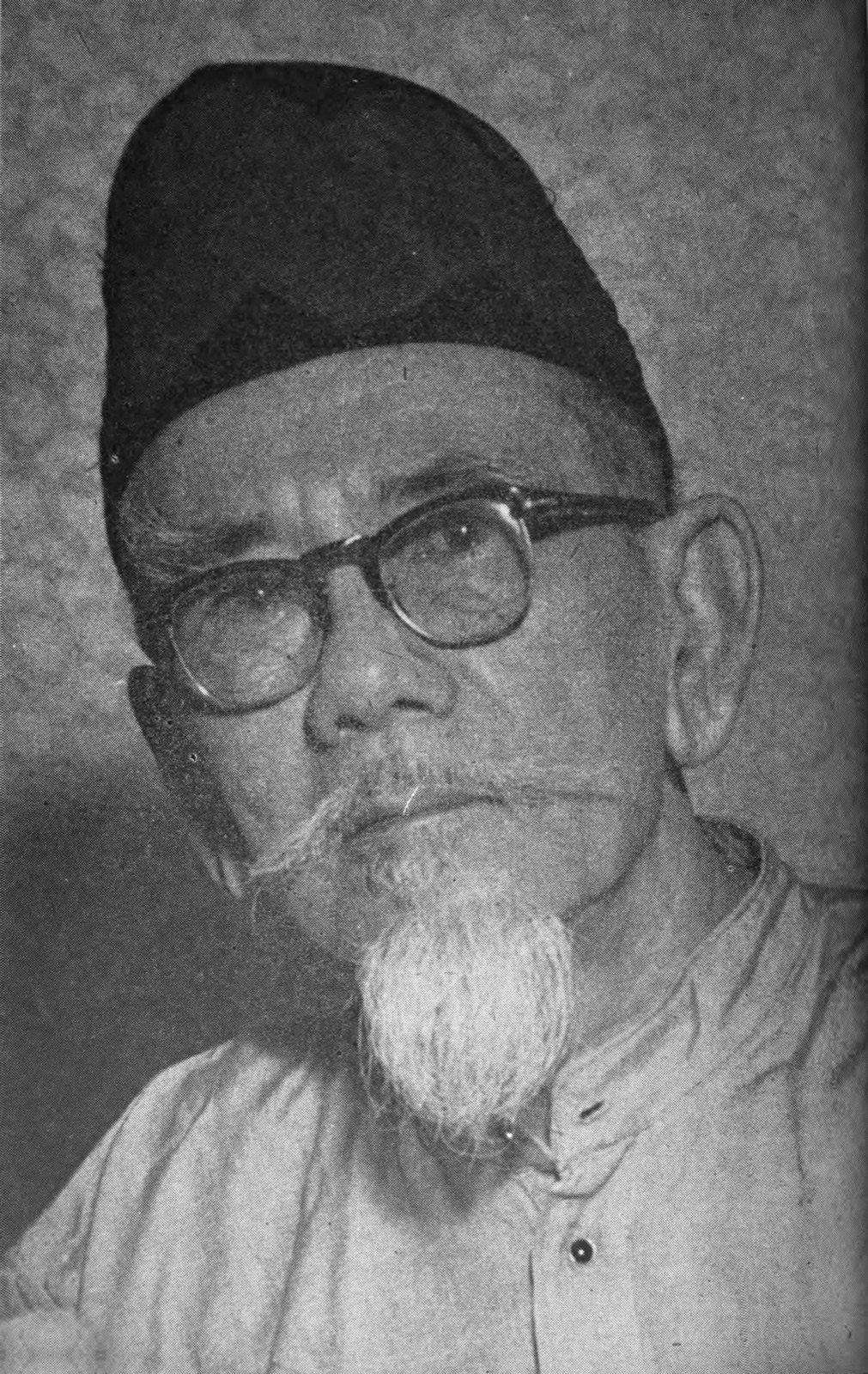
Portrait of Tan Malaka published in his autobiographyIndonesia · Politics

1897—1949

Tan Malaka

Revolutionary, political thinker and independence activistA Marxist organiser, teacher and itinerant revolutionary whose writings anticipated an Indonesian republic and challenged both colonial rule and negotiated compromise.Read biography
Official government portrait of Sutan SjahrirIndonesia · Politics

1909—1966

Sutan Sjahrir

First Prime Minister of IndonesiaAn anticolonial organiser, democratic socialist and Indonesia’s first prime minister, who made diplomacy and civilian government central to the young republic.Read biography
Portrait of Indonesian diplomat Agus SalimIndonesia · Politics

1884—1954

Agus Salim

Diplomat, journalist and foreign ministerA multilingual Islamic intellectual, journalist and diplomat who helped turn Indonesia’s independence claim into an international foreign policy.Read biography
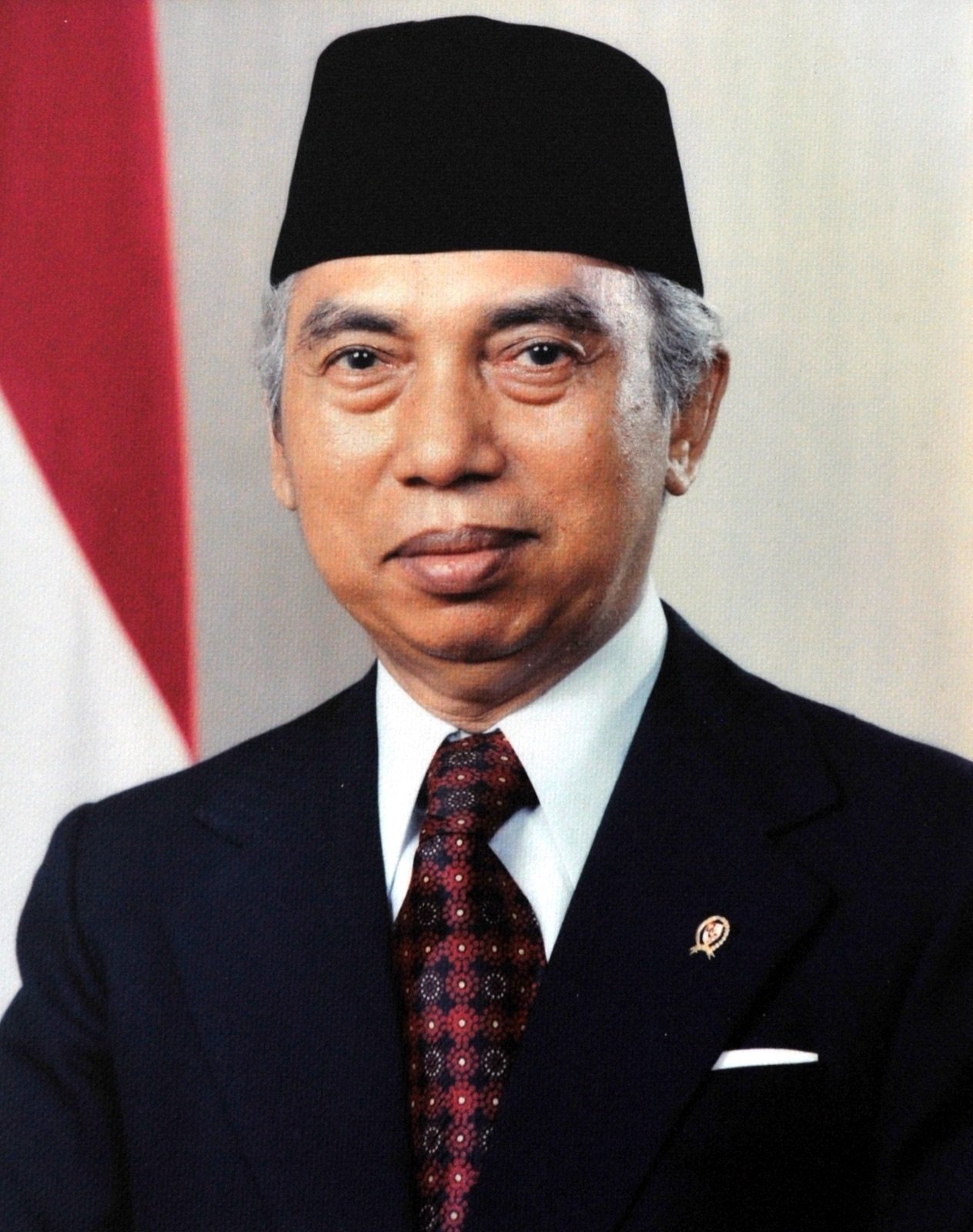
Official portrait of Indonesian vice president Adam MalikIndonesia · Politics

1917—1984

Adam Malik

Diplomat, journalist and third Vice President of IndonesiaA news-agency founder, independence activist and diplomat who moved from revolutionary politics to ASEAN, the United Nations and the vice presidency.Read biography

Quick answers

Indonesian independence leader FAQs

Who were the main leaders of Indonesian independence?
Sukarno and Mohammad Hatta proclaimed independence in 1945. Sutan Sjahrir, Agus Salim, Tan Malaka, Ki Hajar Dewantara and many other organisers, diplomats and educators represented different strategies within a much broader movement.
Was Prince Diponegoro an Indonesian independence leader?
Diponegoro led the Java War against Dutch colonial power from 1825 to 1830, before modern Indonesian nationalism existed. He belongs in the collection as an earlier anticolonial figure whose memory later entered national history.
What role did Sutan Sjahrir play after the 1945 proclamation?
Sjahrir became Indonesia’s first prime minister and led early diplomacy, including the negotiations that produced the Linggadjati Agreement. His approach also brought him into conflict with other revolutionary factions.
How did education contribute to Indonesian nationalism?
Schools and youth organisations created new networks for political discussion and leadership. Ki Hajar Dewantara’s Taman Siswa movement made national education an explicit part of emancipation from colonial rule.
Why is Tan Malaka a contested figure?
Tan Malaka was an anticolonial Marxist organiser whose strategy differed sharply from the republican leadership. His detention and 1949 execution by a republican army unit make his place in the revolution both influential and deeply contested.
Is this collection a complete list?
No. It is a source-led pathway through eight contrasting lives, not a ranking or a claim that independence was made by a small group of leaders alone.