In this biography
Quick facts
- Born
- 8 October 1884
- Died
- 4 November 1954
- Birthplace
- Koto Gadang, West Sumatra
- Country
- Indonesia
- Nationality
- Indonesian
- Known for
- Building international recognition for Indonesia during the national revolution
- Birth name
- Mashudul Haq Salim
- Office
- Foreign Minister, 1947–1949
- Earlier office
- Deputy Foreign Minister, 1946–1947
- Languages
- A noted polyglot active in international diplomacy
Why this life matters
Agus Salim connected Islamic reform, labour and parliamentary politics with the practical diplomacy needed by a republic fighting for recognition.
Timeline
Key moments
Worked in Jeddah
Served at the Dutch consulate and studied Islam with Ahmad Khatib al-Minangkabawi.
Entered Sarekat Islam politics
Became a leading organiser, writer and later parliamentary voice in the mass movement.
Helped prepare the republic
Served on BPUPKI and the Committee of Nine involved in drafting the Jakarta Charter.
Joined the foreign ministry
Became deputy foreign minister in Sjahrir’s second cabinet.
Concluded a treaty with Egypt
Led the Indonesian delegation that concluded a treaty with Egypt in Cairo, before his appointment as full foreign minister in July.
Served as foreign minister
Represented the republic through military offensives, detention and negotiations over sovereignty.
Lectured at Cornell
Served as a Fulbright Scholar-in-Residence, lecturing on Islam and Indonesian nationalism.
Died in Jakarta
Died on 4 November; Indonesia recognised him as a national hero in 1961.
Koto Gadang, Jeddah and education
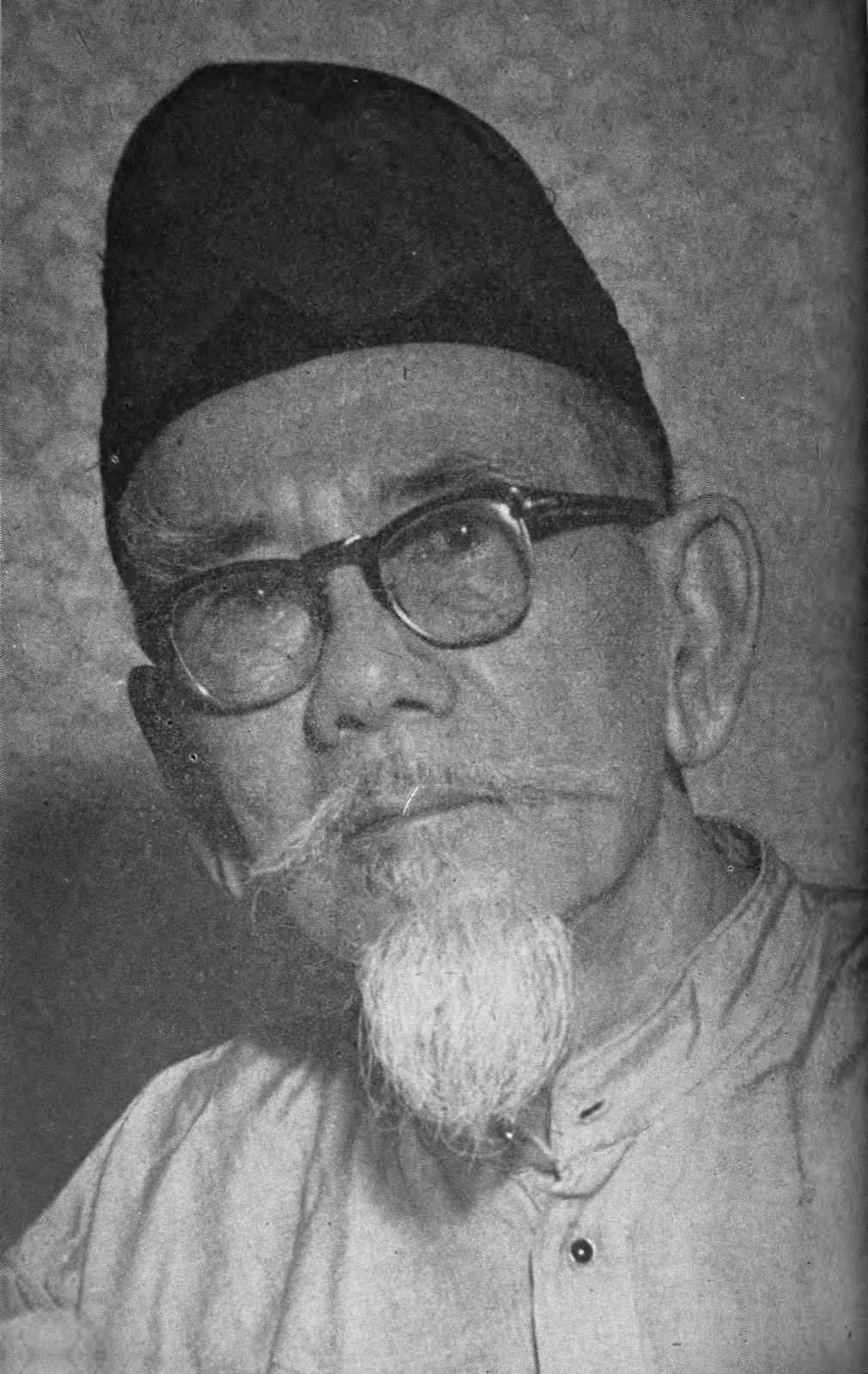
Agus Salim was born in Koto Gadang, West Sumatra, on 8 October 1884, with the birth name Mashudul Haq Salim. He combined colonial schooling with Islamic learning. Work at the Dutch consulate in Jeddah from 1906 to 1911 also brought him into contact with the scholar Ahmad Khatib al-Minangkabawi.
After returning, he established a school in Koto Gadang in 1912. Teaching and journalism preceded his diplomatic career; he later worked for the Bataviaasch Nieuwsblad and joined Sarekat Islam politics in 1915.
Sources for this section: [1]
Sarekat Islam and the language of politics
Salim’s political work connected Islamic reform, labour organisation and public debate. He participated in the colonial Volksraad between 1921 and 1924 and advocated the use of Malay in official discussion. The question of language concerned access to political argument, not simply his own ability to speak several languages.
In 1945, he participated in BPUPKI and the Committee of Nine that drafted the Jakarta Charter. That role places him within the debates over the republic’s constitutional foundations, alongside his better-known work seeking recognition abroad.
Sources for this section: [1]
The 1947 mission and the Egypt treaty
Indonesia proclaimed independence in August 1945, but a proclamation and international recognition were different stages. Salim’s diplomacy sought relationships that would let the republic act internationally while it still faced Dutch efforts to restore colonial control. India and the Arab world were important settings for that work.
A CSIS study of Indonesia’s international relations records the delegation led by Salim and the treaty concluded with Egypt in Cairo on 10 June 1947. The agreement provided for diplomatic and consular relations and trade. It followed earlier Arab League support; the treaty date should not be mistaken for the beginning of Indonesia’s independence or for a single event explaining every stage of recognition.
Sources for this section: [8]
Deputy minister and foreign minister were different offices
The Cabinet Secretariat lists Salim as junior foreign minister in Sjahrir’s second cabinet, which began on 12 March 1946, and again in the third cabinet. Sjahrir held the full foreign-minister portfolio. Describing Salim as foreign minister throughout 1946 therefore collapses two different appointments.
Salim became full foreign minister in Amir Sjarifuddin’s first cabinet in July 1947 and retained the portfolio through the second Amir cabinet and both Hatta cabinets, ending in December 1949. His June mission to Egypt preceded that promotion. During these years, Indonesia’s diplomacy operated alongside armed conflict and negotiations: ministerial titles and international agreements describe responsibilities and relationships, not an instantaneous resolution of the struggle over sovereignty.
Cornell lectures and a lasting diplomatic legacy
In 1953, Salim was a Fulbright Scholar-in-Residence at Cornell University, where he lectured on Islam and Indonesian nationalism. The American Indonesian Exchange Foundation’s history of educational exchange records this visit. It shows a later form of international engagement: explaining the new republic’s intellectual and religious background outside a cabinet office.
Salim died in Jakarta on 4 November 1954 and was designated a national hero in 1961. His career connected journalism, political language, constitutional debate and diplomacy. Remembering only his polyglot reputation misses the specific institutions through which he helped the republic communicate and establish relations abroad.
Quick answers
Frequently asked questions about Agus Salim
- Who was Agus Salim?
- Agus Salim was a diplomat, journalist and foreign minister. Agus Salim connected Islamic reform, labour and parliamentary politics with the practical diplomacy needed by a republic fighting for recognition.
- What is Agus Salim best known for?
- Agus Salim is best known for building international recognition for Indonesia during the national revolution.
- When and where was Agus Salim born?
- Agus Salim was born on 8 October 1884 in Koto Gadang, West Sumatra.
- When did Agus Salim die?
- Agus Salim died on 4 November 1954.
Keep exploring
Lives connected to this story
- Sutan Sjahrir
The prime minister and foreign minister under whom Salim held a junior foreign-ministry appointment.
- Mohammad Hatta
Follow Hatta’s cabinet leadership and negotiations alongside Salim’s contribution to international recognition.
- Adam Malik
Follow Indonesian diplomacy into a later generation of regional and international institutions.
- H.O.S. Tjokroaminoto
Read a close Sarekat Islam colleague’s mass-organising and publishing work.
Sources and further reading
Explore the evidence
These references support the biography and offer further reading. Official records, first-person accounts and independent reporting provide different perspectives; image records document attribution and licensing.
- 1. Indonesian National Heroes Families AssociationAgus Salim national hero profile
- 2. Cabinet Secretariat of IndonesiaSjahrir II Cabinet and the appointment of Agus Salim
Official cabinet lists distinguish the junior or deputy foreign-minister appointment from the full foreign-minister portfolio. Later Amir and Hatta cabinet lists establish the 1947–1949 ministerial sequence.
- 3. Cabinet Secretariat of IndonesiaSjahrir III Cabinet
- 4. Cabinet Secretariat of IndonesiaAmir Sjarifuddin I Cabinet
- 5. Cabinet Secretariat of IndonesiaAmir Sjarifuddin II Cabinet
- 6. Cabinet Secretariat of IndonesiaHatta I Cabinet
- 7. Cabinet Secretariat of IndonesiaHatta II Cabinet
- 8. Analisis, Centre for Strategic and International StudiesIndonesia dan Pasifik Barat Daya: early international relations
The historical study distinguishes earlier Arab League support from the 10 June 1947 treaty with Egypt. Recognition, treaty-making and Indonesia’s independence proclamation are not interchangeable dates.
- 9. American Indonesian Exchange FoundationAcross the Archipelago: Agus Salim and U.S.–Indonesia exchange
The exchange history supports the 1953 Cornell visit and lecture subjects. Cabinet service dates are taken from the Cabinet Secretariat, not from the book’s compressed account of his ministerial career.
- 10. Wikimedia CommonsAgus Salim portrait and public-domain record