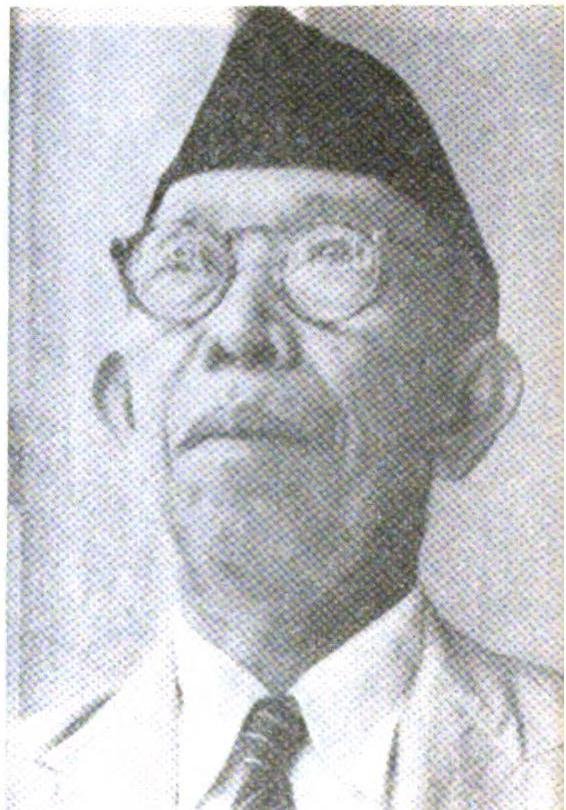

In this biography
Quick facts
- Born
- 21 April 1879
- Died
- 17 September 1904
- Birthplace
- Jepara, Central Java
- Country
- Indonesia
- Nationality
- Indonesian
- Known for
- Letters challenging restrictions on Javanese women and advocating wider access to education
- Also known as
- Raden Ajeng Kartini · Raden Ayu Kartini
- Primary archive
- Letters written principally between 1899 and 1904
- Posthumous collection
- Door Duisternis tot Licht, 1911
- National commemoration
- Kartini Day, 21 April
Why this life matters
Kartini’s short life became nationally symbolic because her letters preserved a searching critique of gender, class and colonial rule while her educational work turned those ideas into a practical experiment.
Timeline
Key moments
Formal schooling ended
Left the European primary school in Jepara and entered the period of seclusion expected of an aristocratic Javanese girl.
Built an international correspondence
Began sustained exchanges in Dutch about education, marriage, religion, colonial society and women’s autonomy.
Opened a small school
Taught girls in Jepara before marrying Raden Adipati Djojo Adhiningrat, the regent of Rembang.
Died after childbirth
Died in Rembang at age twenty-five, four days after giving birth to her son.
Letters appeared in book form
J. H. Abendanon edited a Dutch selection that circulated Kartini’s ideas well beyond her lifetime.
Recognised as a national hero
A presidential decision established Kartini as a National Hero and reinforced 21 April as a national day of remembrance.
Education inside a restricted world
Kartini was born into the Jepara regency household and attended a Dutch-language primary school. Her schooling ended when aristocratic custom required seclusion before marriage, but reading and correspondence allowed her to keep testing the limits placed on Javanese women.
Letters as argument and evidence
Writing to Dutch friends and officials, Kartini discussed girls’ education, arranged marriage, Islam, artistic work and the unequal structure of colonial society. The letters are not a finished political programme; they record a young writer revising her ideas, which is precisely why they remain such valuable historical evidence.
Schools, publication and contested memory
Kartini taught girls in Jepara and hoped to train as an educator. After her death, edited and translated selections of her letters inspired schools bearing her name. Later governments and women’s movements interpreted her differently, making Kartini both a national icon and the subject of continuing debate about class, feminism and commemoration.
Quick answers
Frequently asked questions about R. A. Kartini
- Who was R. A. Kartini?
- R. A. Kartini was a writer and advocate of women’s education. Kartini’s short life became nationally symbolic because her letters preserved a searching critique of gender, class and colonial rule while her educational work turned those ideas into a practical experiment.
- What is R. A. Kartini best known for?
- R. A. Kartini is best known for letters challenging restrictions on Javanese women and advocating wider access to education.
- When and where was R. A. Kartini born?
- R. A. Kartini was born on 21 April 1879 in Jepara, Central Java.
- When did R. A. Kartini die?
- R. A. Kartini died on 17 September 1904.
Sources and further reading
How this biography was checked
Core dates and offices are checked against the sources below. This profile was last reviewed on 8 September 2026.