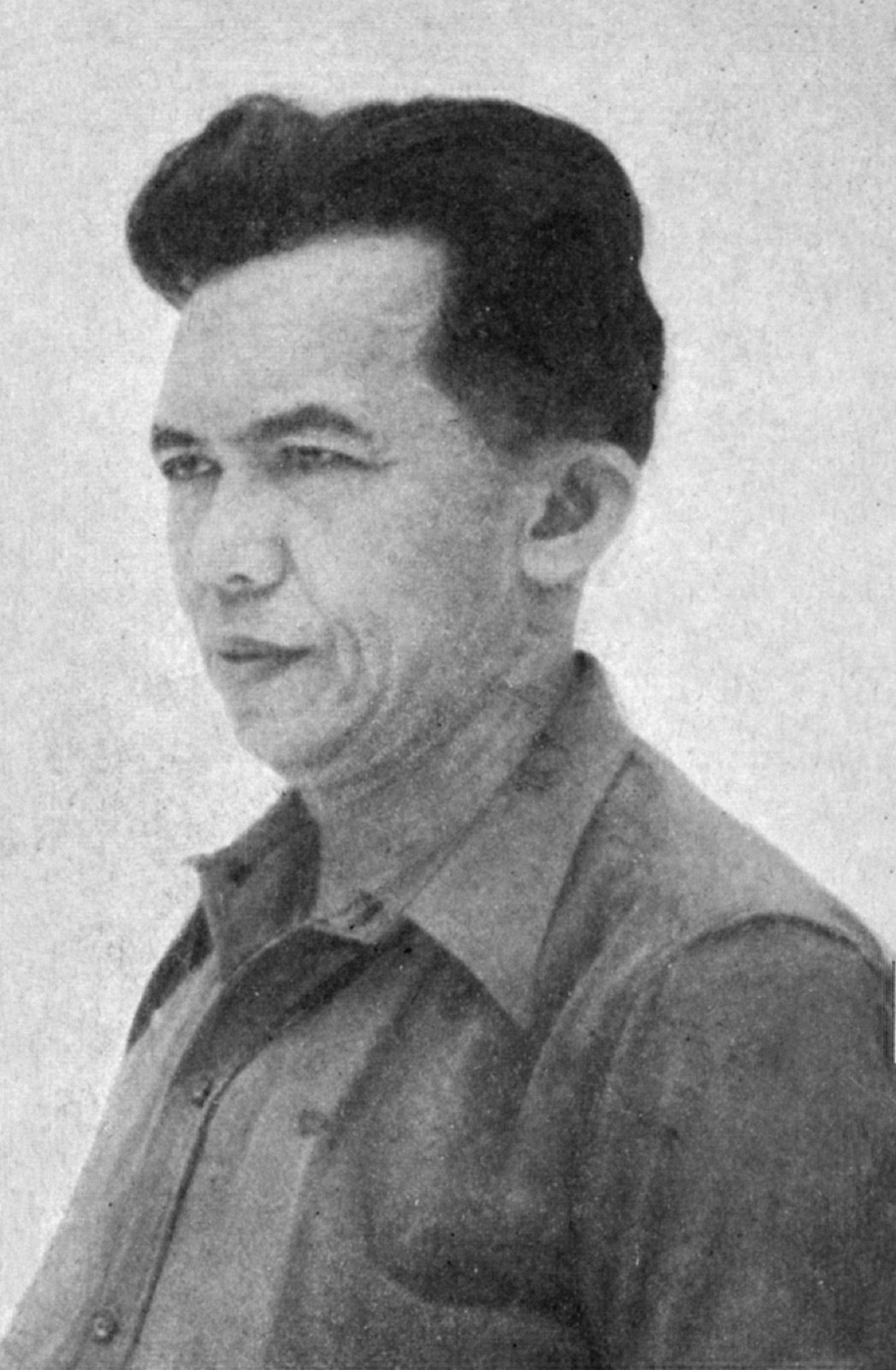
In this biography
Quick facts
- Born
- 2 June 1897
- Died
- 21 February 1949
- Birthplace
- Pandam Gadang, West Sumatra
- Country
- Indonesia
- Nationality
- Indonesian
- Known for
- Arguing for an Indonesian republic years before independence and writing Madilog
- Birth name
- Ibrahim Gelar Datuk Sutan Malaka
- Early republican text
- Naar de Republiek Indonesia, 1925
- Major work
- Madilog, written during the Japanese occupation
- National hero
- Declared by Presidential Decision No. 53 of 1963
Why this life matters
Tan Malaka’s transnational life links Indonesian nationalism to labour, communist and Pan-Asian networks, while his conflict with other republican leaders complicates any simple founding-father narrative.
Timeline
Key moments
Studied teaching in the Netherlands
Encountered socialist politics while training as a teacher before returning to work in Sumatra and Java.
Rose in the communist movement
Became chair of the Communist Party of Indonesia while organising schools and labour politics.
Lived through exile and aliases
Moved across Europe and Asia under surveillance, working through communist, nationalist and anti-colonial networks.
Completed Madilog
Set out a materialist, dialectical and logical method intended to challenge inherited patterns of thought.
Led the Persatuan Perjuangan
Opposed diplomatic compromise with the Netherlands and was imprisoned by the republican government.
Killed in East Java
Was executed by a republican army unit near Kediri during a confused phase of the revolution.
A teacher drawn into revolution
Born in the Minangkabau world of West Sumatra, Tan Malaka trained as a teacher in the Netherlands and returned with socialist ideas. Work among plantation labourers and poor students convinced him that education, class organisation and national liberation had to be pursued together.
An Indonesian politics made across borders
Colonial expulsion turned Tan Malaka into a mobile organiser moving through the Netherlands, Soviet Russia, China, the Philippines, Singapore and other centres. He worked within communist networks but rejected the ill-prepared 1926 uprising, and his early pamphlet Naar de Republiek Indonesia imagined an independent republic before that goal became mainstream.
Revolutionary disagreement and a violent end
After returning secretly during the Japanese occupation, Tan Malaka wrote Madilog and later demanded complete independence without compromise. His Persatuan Perjuangan challenged the Sjahrir government’s negotiating strategy. Imprisoned, released and drawn into conflict in East Java, he was killed by republican soldiers in 1949; the state named him a national hero in 1963.
Quick answers
Frequently asked questions about Tan Malaka
- Who was Tan Malaka?
- Tan Malaka was a revolutionary, political thinker and independence activist. Tan Malaka’s transnational life links Indonesian nationalism to labour, communist and Pan-Asian networks, while his conflict with other republican leaders complicates any simple founding-father narrative.
- What is Tan Malaka best known for?
- Tan Malaka is best known for arguing for an Indonesian republic years before independence and writing Madilog.
- When and where was Tan Malaka born?
- Tan Malaka was born on 2 June 1897 in Pandam Gadang, West Sumatra.
- When did Tan Malaka die?
- Tan Malaka died on 21 February 1949.
Sources and further reading
How this biography was checked
Core dates and offices are checked against the sources below. This profile was last reviewed on 8 September 2026.