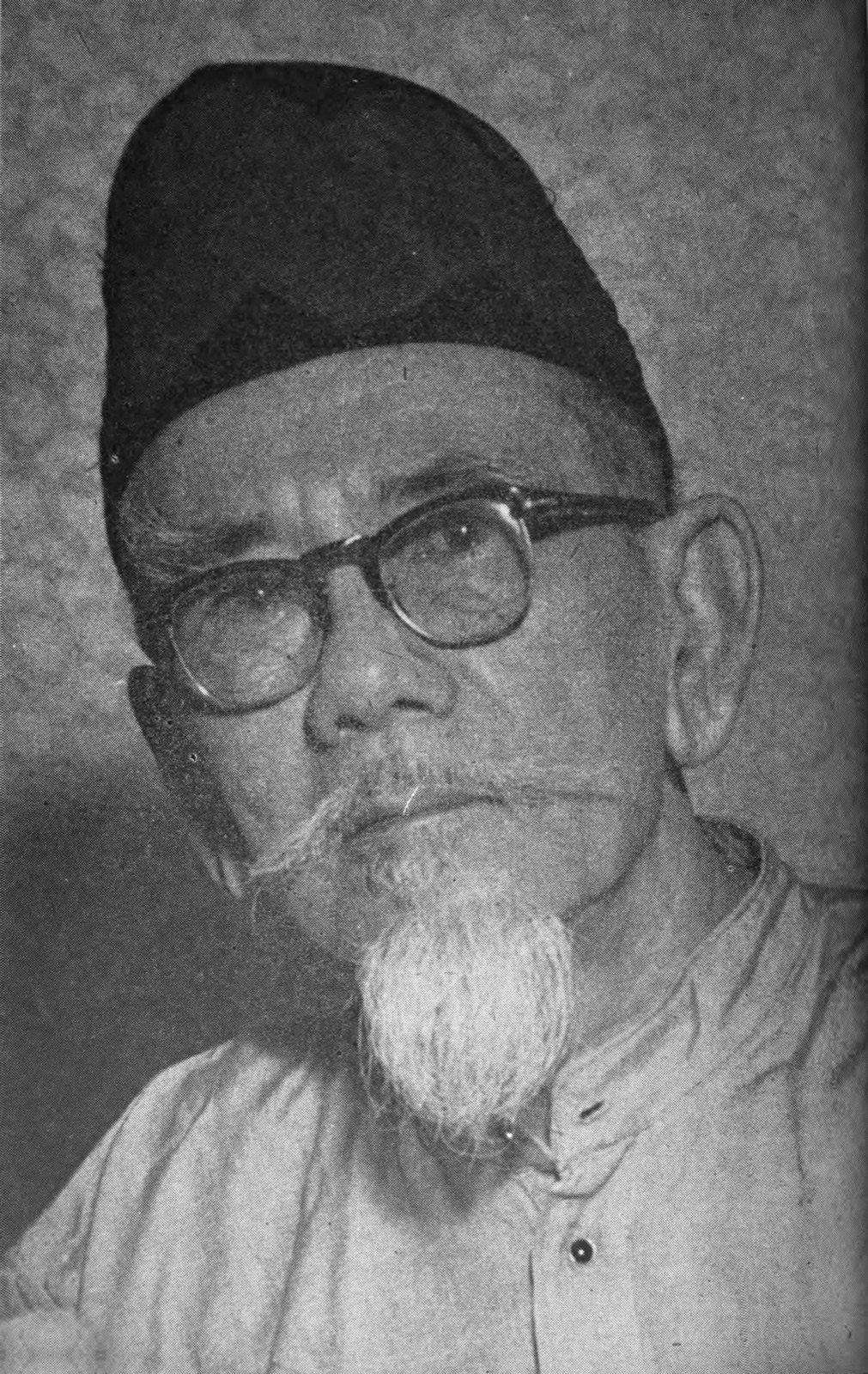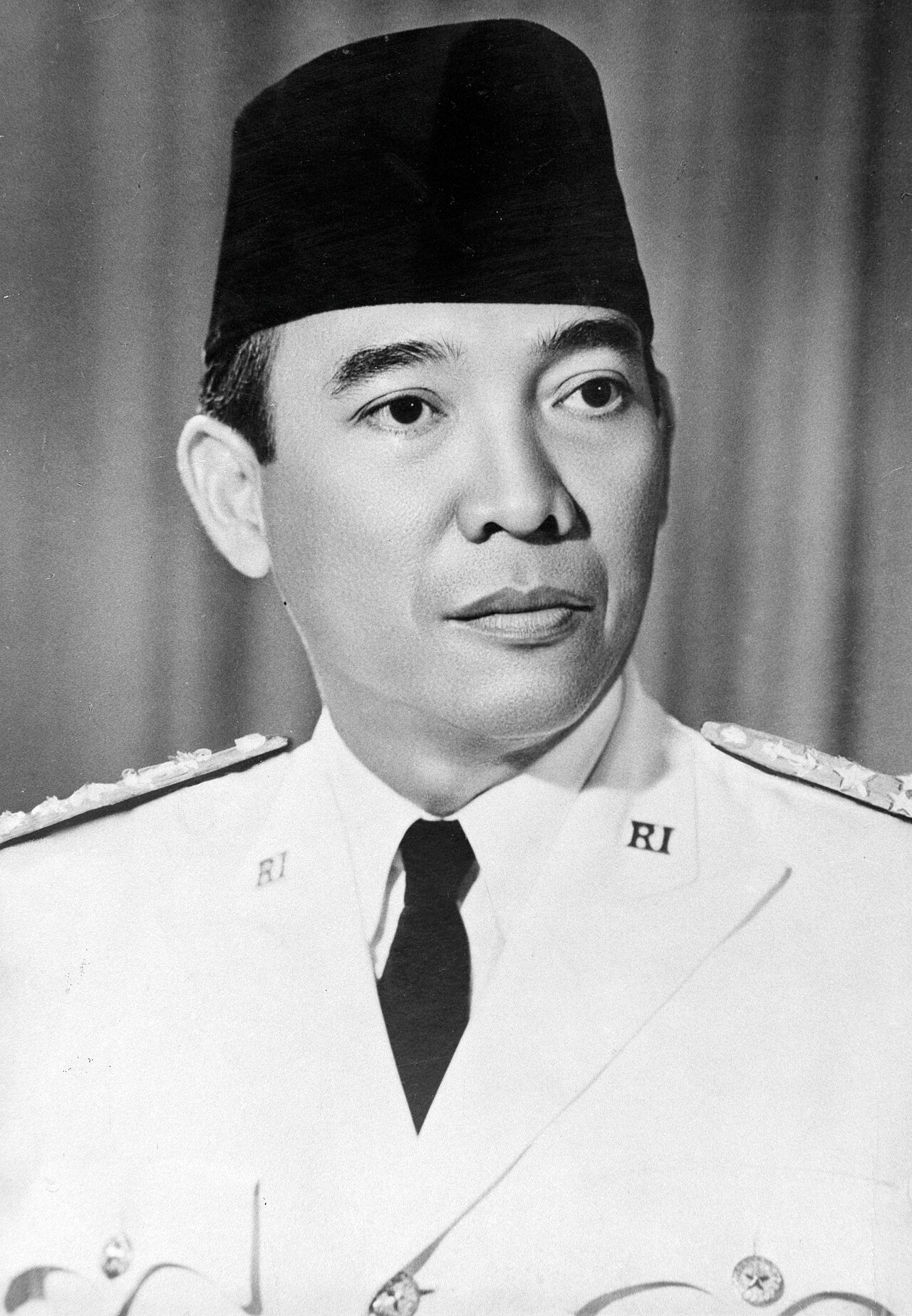
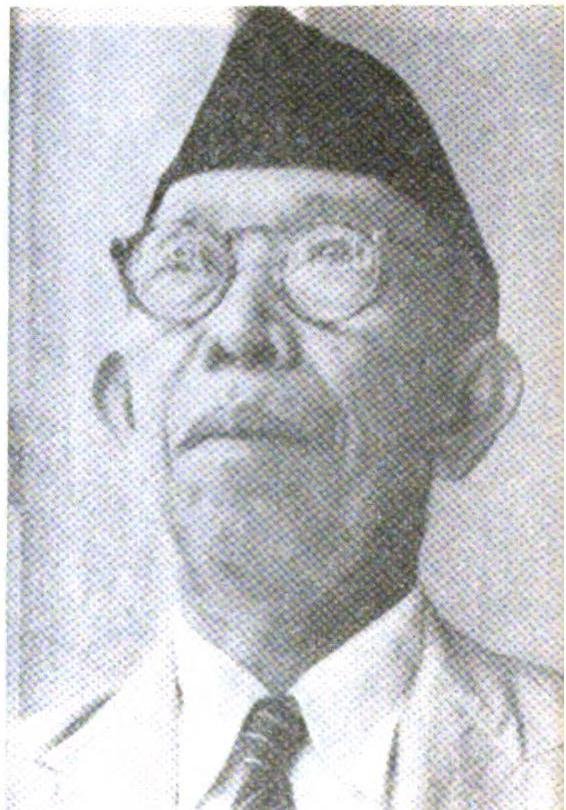
In this biography
Quick facts
- Born
- 2 May 1889
- Died
- 26 April 1959
- Birthplace
- Yogyakarta
- Country
- Indonesia
- Nationality
- Indonesian
- Known for
- Creating a national education movement outside the Dutch colonial school system
- Birth name
- Raden Mas Soewardi Soerjaningrat
- Founded
- Taman Siswa, 3 July 1922
- Cabinet office
- First Minister of Education, 1945
- National commemoration
- National Education Day, 2 May
Why this life matters
Ki Hajar Dewantara turned anticolonial criticism into a durable educational institution and a philosophy of guidance that still shapes Indonesia’s public language of teaching.
Timeline
Key moments
Helped form the Indische Partij
Joined Douwes Dekker and Tjipto Mangunkusumo in an early organisation demanding political equality and self-government.
Exiled after a famous critique
His essay If I Were a Dutchman attacked a colonial celebration of Dutch independence and led to exile in the Netherlands.
Founded Taman Siswa
Opened a national school movement in Yogyakarta centred on culture, autonomy and access for indigenous students.
Resisted the Wild Schools Ordinance
Public opposition helped force the colonial government to retreat from tighter control of independent schools.
Became education minister
Served as the republic’s first Minister of Education in the presidential cabinet.
Education Day established
The state designated his birthday, 2 May, as National Education Day.
Journalism as political education
Born into the Pakualaman royal house as Soewardi Soerjaningrat, he studied in colonial schools but built his public voice in newspapers. His satirical 1913 essay exposed the contradiction of asking colonised people to fund a celebration of Dutch freedom and made political writing itself a form of education.
Taman Siswa and learning without domination
After exile in the Netherlands, he returned to Java and founded Taman Siswa in 1922. The movement rejected the idea that education should merely reproduce colonial hierarchy. Its among approach asked teachers to guide students through example, shared initiative and encouragement rather than coercion.
From movement leader to national symbol
Ki Hajar served briefly as the new republic’s first education minister. The phrase Tut Wuri Handayani became a national educational motto, and his birthday became National Education Day. His legacy is institutional as well as ceremonial: it joins schooling to cultural confidence, civic freedom and the unfinished question of equal access.
Quick answers
Frequently asked questions about Ki Hajar Dewantara
- Who was Ki Hajar Dewantara?
- Ki Hajar Dewantara was an education reformer and founder of Taman Siswa. Ki Hajar Dewantara turned anticolonial criticism into a durable educational institution and a philosophy of guidance that still shapes Indonesia’s public language of teaching.
- What is Ki Hajar Dewantara best known for?
- Ki Hajar Dewantara is best known for creating a national education movement outside the Dutch colonial school system.
- When and where was Ki Hajar Dewantara born?
- Ki Hajar Dewantara was born on 2 May 1889 in Yogyakarta.
- When did Ki Hajar Dewantara die?
- Ki Hajar Dewantara died on 26 April 1959.
Sources and further reading
How this biography was checked
Core dates and offices are checked against the sources below. This profile was last reviewed on 8 September 2026.
- Ministry of Education and Culture of IndonesiaKi Hajar Dewantara: thought and struggle
- Ministry of Education and Culture of IndonesiaKi Hajar Dewantara
- Indonesian National Heroes Families AssociationKi Hadjar Dewantara national hero profile
- Wikimedia CommonsKi Hajar Dewantara portrait and public-domain record