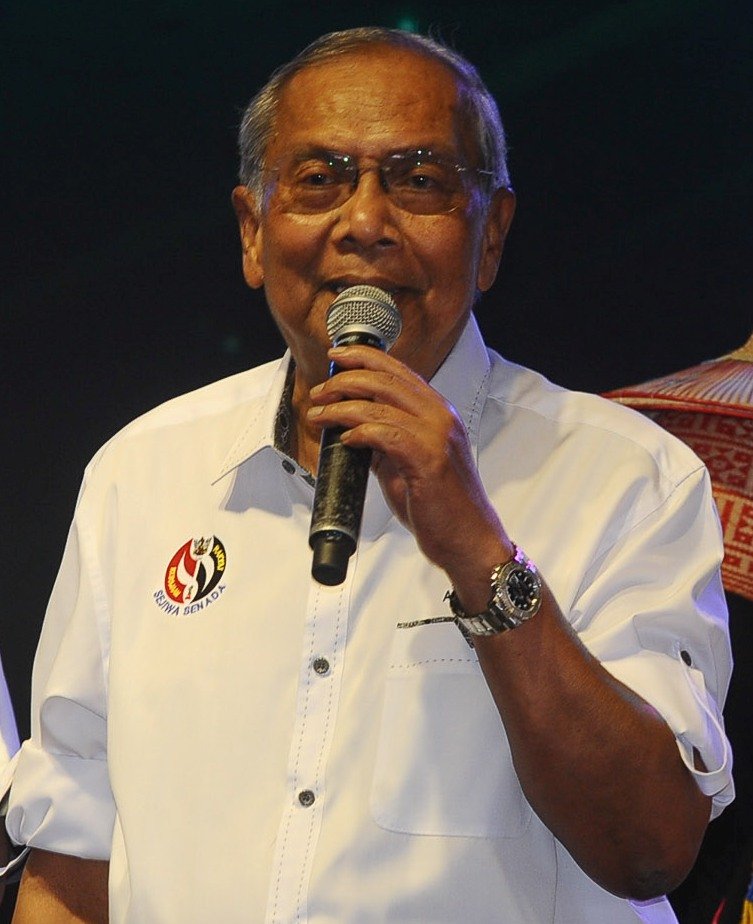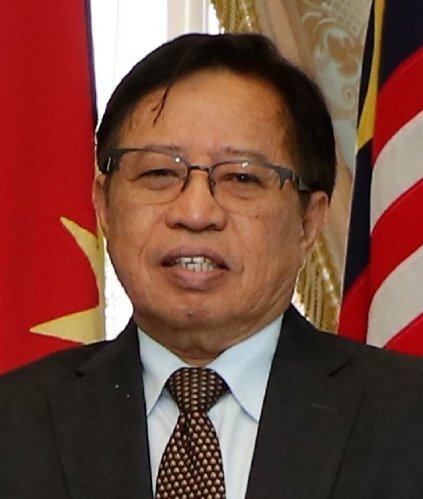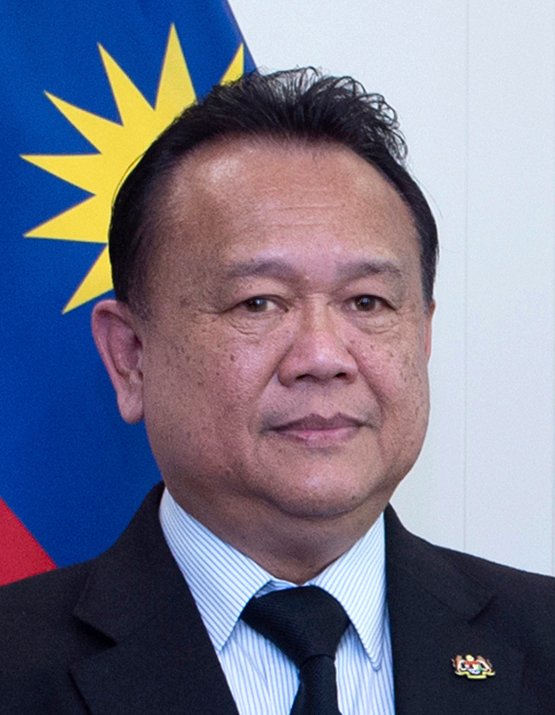
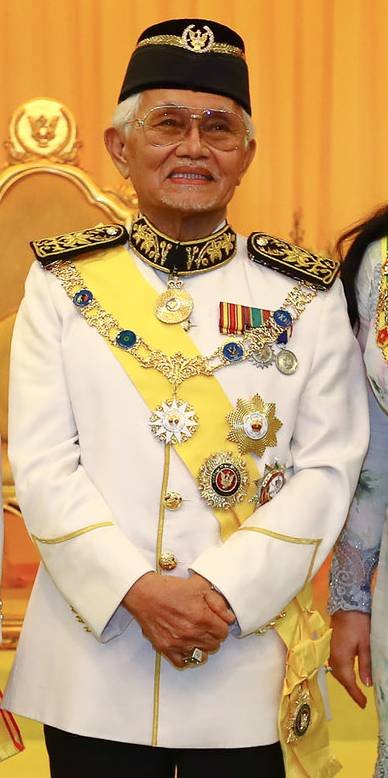
In this biography
Quick facts
- Born
- 21 May 1936
- Died
- 21 February 2024
- Birthplace
- Miri, Sarawak
- Country
- Malaysia
- Nationality
- Malaysian
- Known for
- Governing Sarawak for 33 years and shaping its development-led political system
- Full name
- Abdul Taib bin Mahmud
- State leadership
- Chief Minister of Sarawak, 1981–2014
- Ceremonial office
- Yang di-Pertua Negeri of Sarawak, 2014–2024
- Party office
- PBB President, 1981–2014
- Education
- Law, University of Adelaide
Why this life matters
Taib’s five decades in public office connect Malaysia’s formation, Sarawak’s long Barisan Nasional era, rapid state development and enduring debates over political power, forests and land.
Timeline
Key moments
Born in Miri
Born in northern Sarawak and later educated at St Joseph’s schools in Miri and Kuching.
Joined Sarawak’s first cabinet
Entered the state cabinet as Sarawak gained self-government and Malaysia was formed.
Served in the federal cabinet
Held several federal portfolios before returning to state politics as Abdul Rahman Ya’kub’s successor.
Became chief minister
Took office on 26 March and began the longest chief-ministerial tenure in Sarawak history.
Survived the Ming Court crisis
Called a snap state election and defeated a challenge led by political rivals including his uncle.
Launched the SCORE development corridor
Made energy-intensive industry and major infrastructure central to a new phase of state planning.
Left government and became governor
Transferred the chief minister’s office to Adenan Satem and became Sarawak’s seventh head of state.
Ended public service and died
His term as governor concluded in January; he died in Kuala Lumpur on 21 February at age 87.
Legal education and entry into Malaysia-era government
Abdul Taib Mahmud was born in Miri in 1936 and attended St Joseph’s schools before winning a Shell scholarship to study law at the University of Adelaide. He worked briefly in Australia, returned to Sarawak and entered public service during the constitutional transition that created Malaysia.
Taib joined Sarawak’s first post-self-government cabinet in 1963. After several years in state office, he moved to the federal cabinet in 1968 and served in a succession of portfolios. That period gave him experience in Kuala Lumpur while preserving his position inside Sarawak’s emerging Muslim Bumiputera leadership.
Thirty-three years as chief minister
Taib became Sarawak’s fourth chief minister on 26 March 1981 and also led Parti Pesaka Bumiputera Bersatu. His administration made PBB the anchor of the state Barisan Nasional coalition and repeatedly secured large legislative majorities across a geographically vast and ethnically diverse state.
The most serious early challenge came in the 1987 Ming Court crisis, when a group led by former allies attempted to remove him. Taib dissolved the assembly, fought a snap election and remained in office. Academic studies of Sarawak politics treat that victory as a turning point in the consolidation of his authority.
The Politics of Development
Taib described his governing approach as the Politics of Development. Roads, towns, education, hydropower and industrial investment were presented not only as economic programmes but also as a shared agenda capable of binding together Sarawak’s many communities and regions.
The state expanded infrastructure and higher education during his tenure, while projects such as the Sarawak Corridor of Renewable Energy aimed to convert hydropower into industrial growth. Supporters credit this period with modernisation and political stability; the state assembly’s 2024 memorial recorded those contributions as central to his public legacy.
Power, forests and contested legacy
Taib’s long rule also produced sustained criticism. Scholars and rights organisations examined the concentration of political power, the distribution of timber concessions, the effects of large dams and plantations, and disputes over Indigenous customary land. These are substantive parts of the historical record, not footnotes to development statistics.
Allegations about patronage and family wealth circulated for decades, but a responsible biography must distinguish documented systems and reported allegations from findings of legal liability. The central historical point is that resource allocation, electoral dominance and development policy became closely linked under his administration.
Governor and influence after executive office
Taib stepped down as chief minister in February 2014 and became Yang di-Pertua Negeri on 1 March. The governorship was constitutionally different from executive leadership, yet his move symbolised continuity while Adenan Satem inherited PBB and the state government.
His term ended in January 2024 and he died the following month. Taib’s biography remains essential to understanding modern Sarawak because both sides of his record endure: the institutions and infrastructure promoted during his rule, and the unresolved debate over how concentrated power and natural-resource development affected communities and accountability.
Quick answers
Frequently asked questions about Abdul Taib Mahmud
- Who was Abdul Taib Mahmud?
- Abdul Taib Mahmud was a fourth Chief Minister and seventh Governor of Sarawak. Taib’s five decades in public office connect Malaysia’s formation, Sarawak’s long Barisan Nasional era, rapid state development and enduring debates over political power, forests and land.
- What is Abdul Taib Mahmud best known for?
- Abdul Taib Mahmud is best known for governing Sarawak for 33 years and shaping its development-led political system.
- When and where was Abdul Taib Mahmud born?
- Abdul Taib Mahmud was born on 21 May 1936 in Miri, Sarawak.
- When did Abdul Taib Mahmud die?
- Abdul Taib Mahmud died on 21 February 2024.
Sources and further reading
Explore the evidence
These references support the biography and offer further reading. Official records, first-person accounts and independent reporting provide different perspectives; image records document attribution and licensing.
- 1. Government of SarawakPremier of Sarawak: official list of officeholders
- 2. Government of SarawakAbdul Taib Mahmud: early life and public career
- 3. Sarawak State Legislative AssemblySarawak Legislative Assembly memorial record, 8 May 2024
- 4. Office of the Governor of SarawakList of Yang di-Pertua Negeri Sarawak
- 5. ISEAS – Yusof Ishak InstituteDomination and Contestation: Muslim Bumiputera Politics in Sarawak
- 6. Wikimedia CommonsAbdul Taib Mahmud portrait and CC BY 2.0 record