
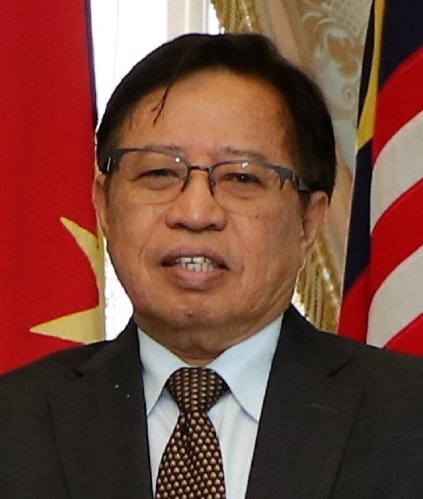
1950—
Places · Malaysian Borneo
Federation · GPS leadership · Federal office · Olympic achievementSource-led biographies of influential people from Sarawak across Malaysia’s formation, chief ministers, GPS component leadership, federal office and Olympic sport.
This regional index connects formation-era choices with the long administrations that shaped modern Sarawak, later federal leadership and global sport. The biographies make room for disagreement over power and development as well as public achievement.
Stephen Kalong Ningkan, Temenggong Jugah and Ong Kee Hui preserve support, negotiation and opposition within Sarawak’s formation-era politics.
Abdul Taib Mahmud, Adenan Satem and Abang Johari Openg trace the system that preceded GPS, while Sim Kui Hian, Douglas Uggah, Awang Tengah and Tiong King Sing show its component leadership.
Fadillah Yusof and Alexander Nanta Linggi connect Sarawak constituencies with the federal deputy premiership, works policy and GPS organisation.
Pandelela Rinong became the first Malaysian woman to win an Olympic medal and the first Malaysian athlete outside badminton to reach the Olympic podium.
Sourced biographies
1950—
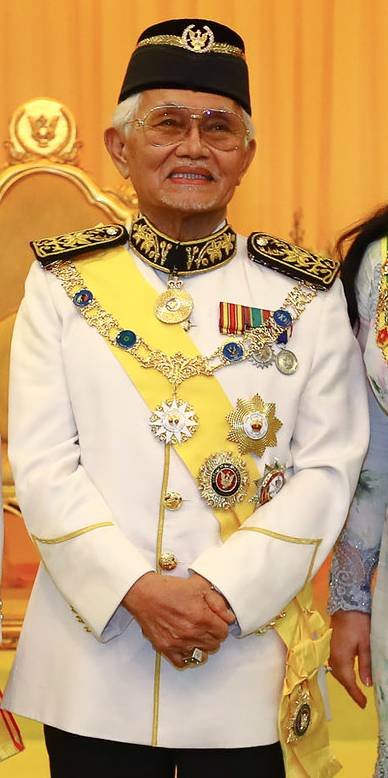
1936—2024
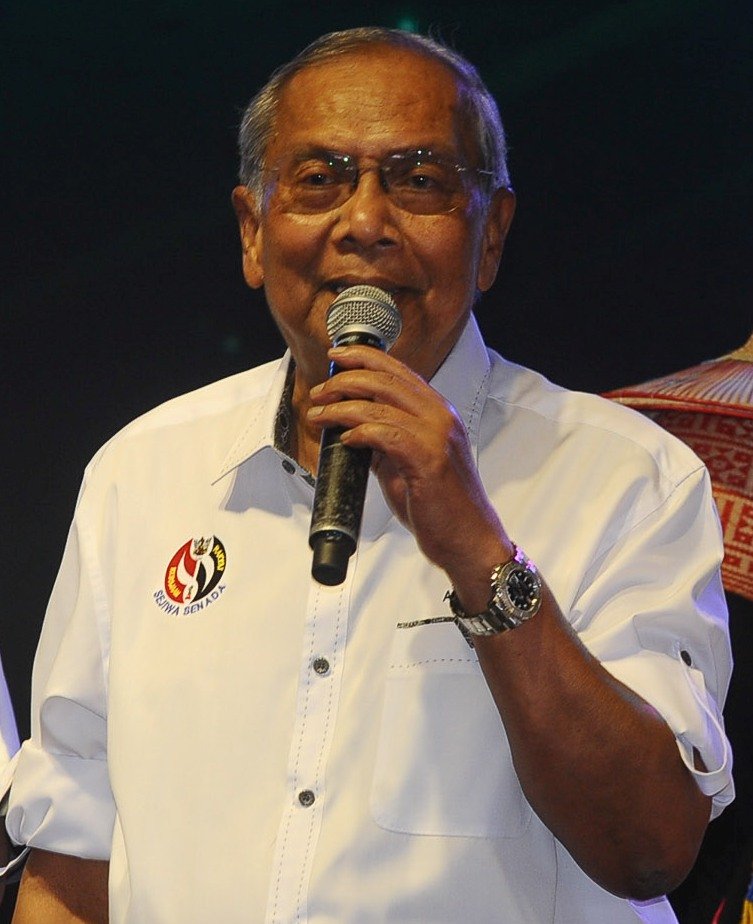
1944—2017
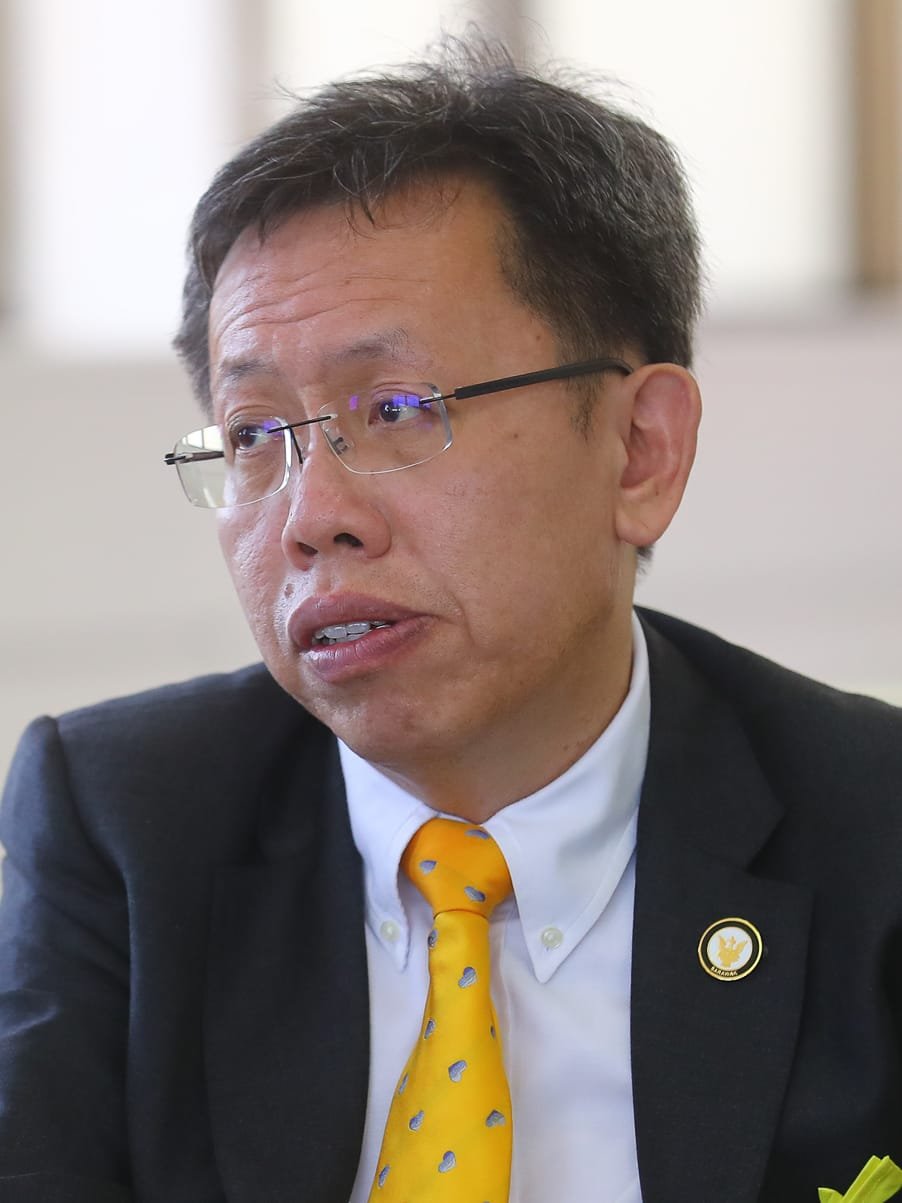
1965—
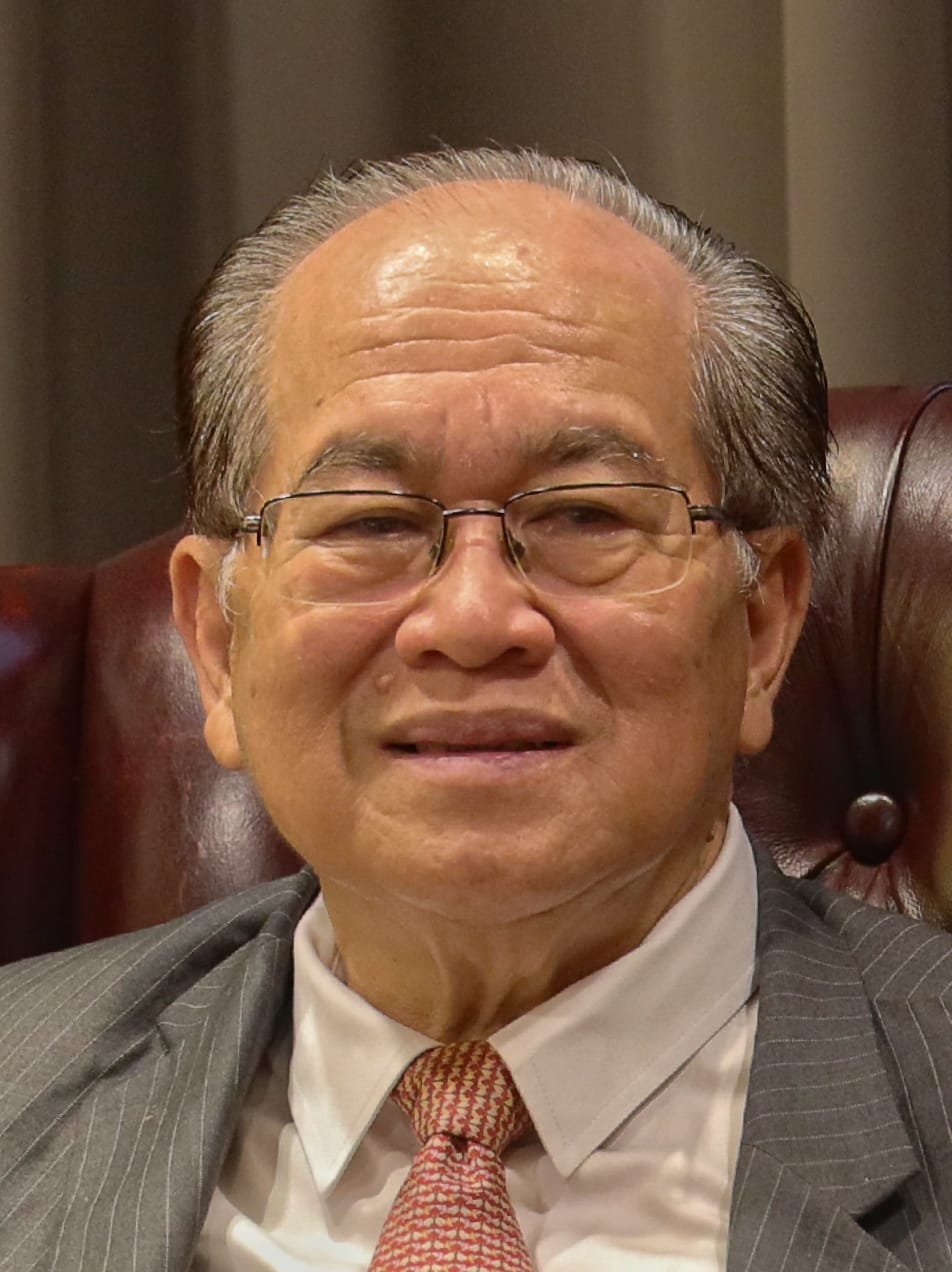
1956—
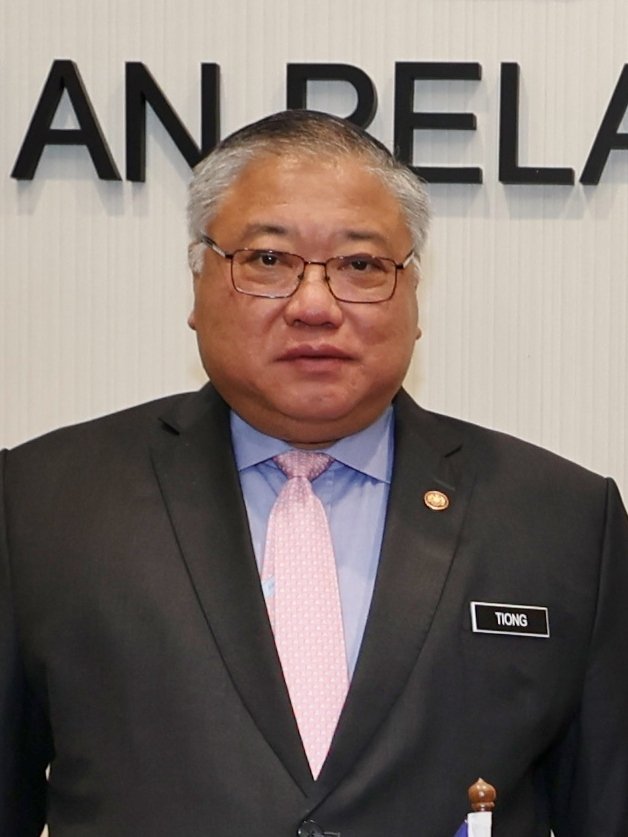
1961—
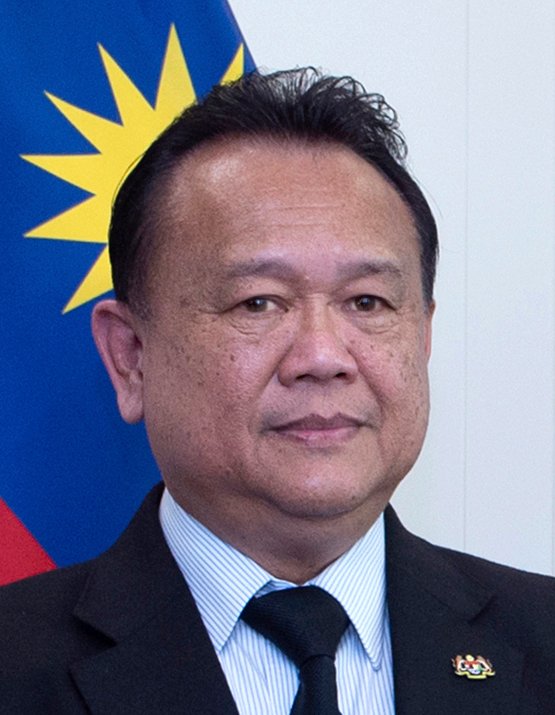
1958—
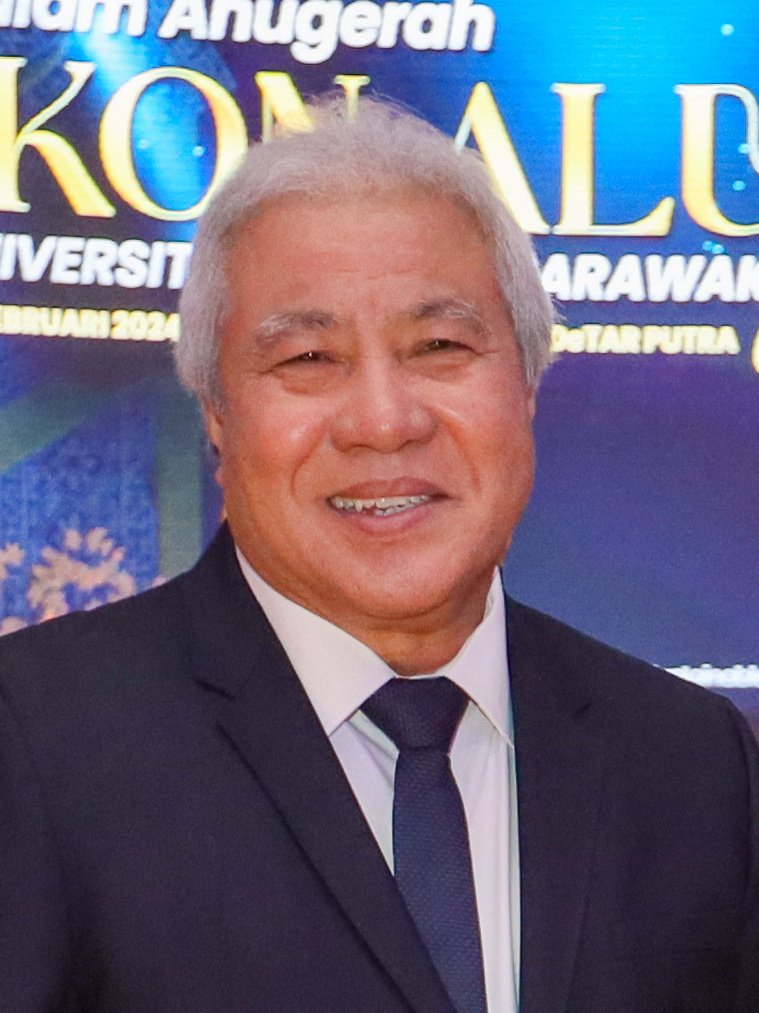
1955—

1920—1997
1903—1981
1914—2000

1962—
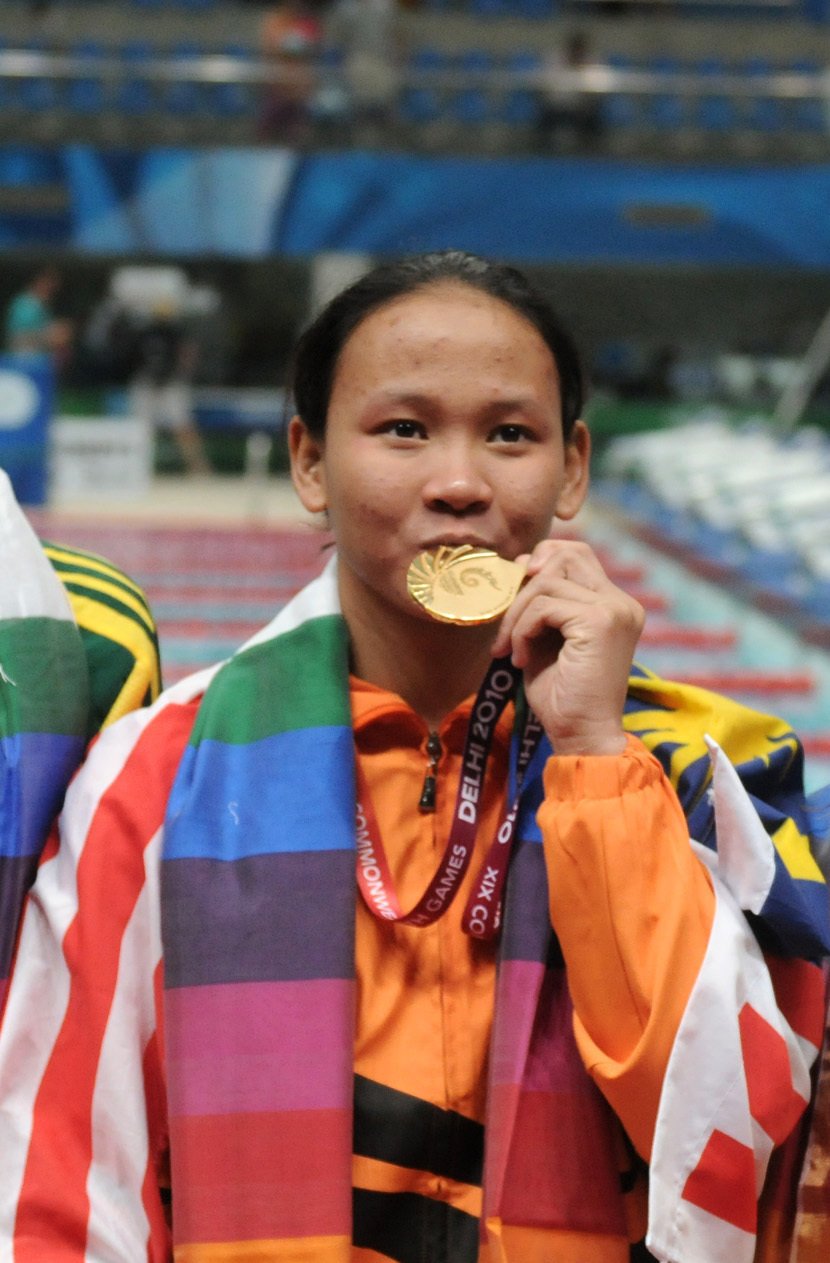
1993—
Historical context
Sarawak entered Malaysia on 16 September 1963 after consultation, constitutional negotiation and political disagreement. These lives connect that founding debate to the later politics of development, state autonomy and the formation of GPS.
Explore the 1963 formation timelineQuick answers