In this biography
Quick facts
- Born
- 1943
- Birthplace
- Derby, United Kingdom
- Country
- United Kingdom
- Nationality
- Not independently established
- Known for
- Discovery of split genes and structural investigation of DNA-modifying enzymes
Why this life matters
A careful biography keeps this later structural question distinct from the earlier discovery of interrupted genes: both concern DNA, but they use different observations and explain different biological problems.
Timeline
Key moments
Birth
Born in Derby, United Kingdom.
Nobel recognition
Received the Nobel Prize in Physiology or Medicine.
Chemical training and molecular puzzles
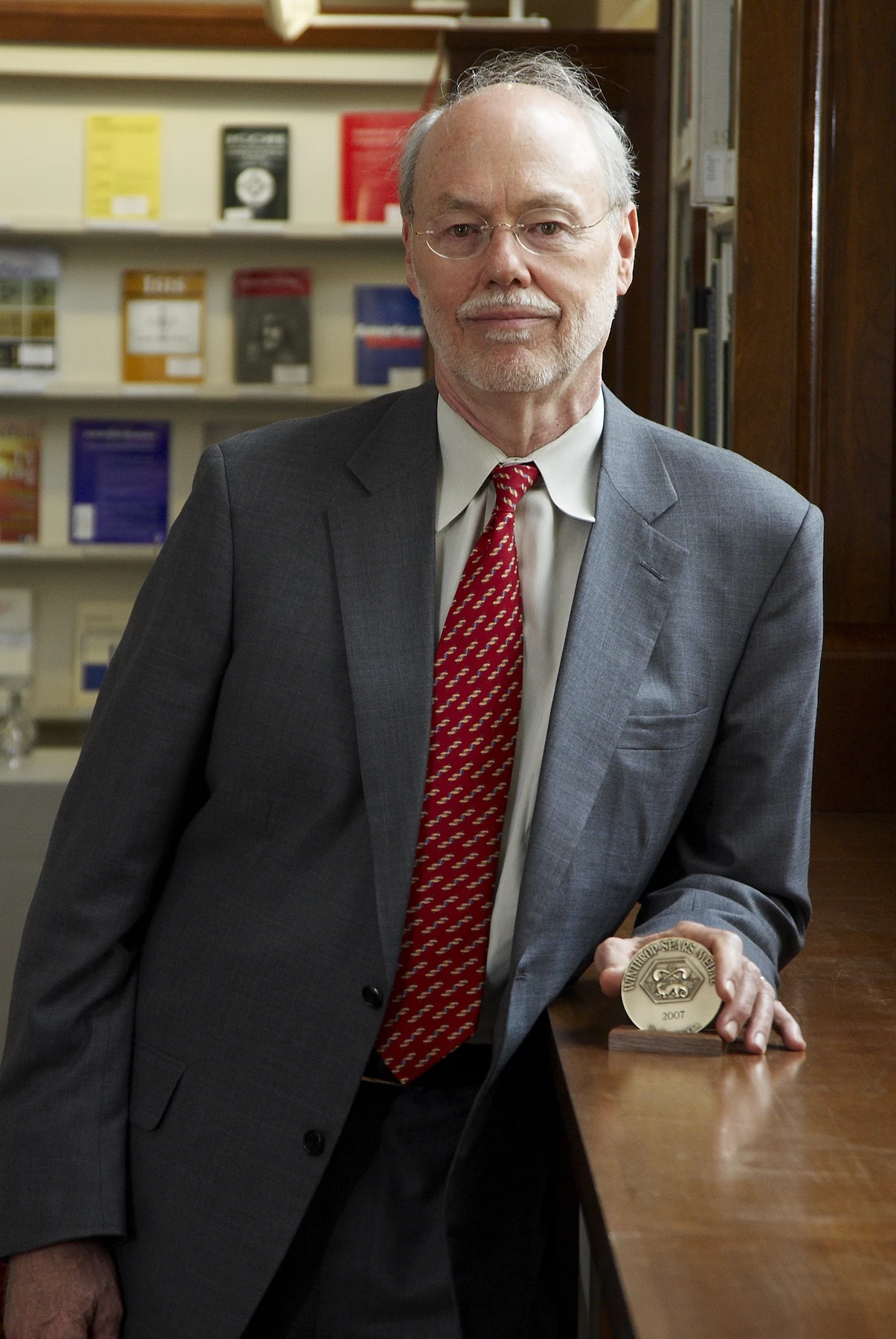
Richard Roberts was born in Derby in 1943 and grew up in Bath. His Nobel autobiography describes an attraction to logical puzzles and chemistry, followed by study at Sheffield. Work on natural products preceded a move towards molecular biology. At Harvard he encountered macromolecular sequencing, and at Cold Spring Harbor he pursued restriction enzymes and their use in studying DNA. His career joined the chemical question of molecular structure with biological questions about how genetic information is organised and used.
An award for split genes
Roberts shared the 1993 medicine prize with Phillip Sharp for the discovery of split genes. The work showed that the relationship between a DNA region and a mature RNA message could be discontinuous. His Nobel lecture, however, did not merely repeat the prize citation. It followed his continuing interest in the chemistry of DNA into structural studies of a methyltransferase. That choice makes the lecture useful evidence for a scientific career extending beyond the experiment most closely attached to his public name.
A base moves out of the helix
In the lecture's methyltransferase structure, the target cytosine is flipped out of the DNA helix and placed in an enzyme pocket. The observation supplied a striking account of how an enzyme could reach a base ordinarily buried within paired DNA. Roberts also described changes in the protein's active-site loop. A careful biography keeps this later structural question distinct from the earlier discovery of interrupted genes: both concern DNA, but they use different observations and explain different biological problems.
Sources for this section: [3]
Quick answers
Frequently asked questions about Richard J. Roberts
- What is Richard J. Roberts known for?
- Discovery of split genes and structural investigation of DNA-modifying enzymes.
Keep exploring
Lives connected to this story
- Hamilton O. Smith
Compare the related experimental question and research career.
- Daniel Nathans
Compare the related experimental question and research career.
Sources and further reading
Explore the evidence
These references support the biography and offer further reading. Official records, first-person accounts and independent reporting provide different perspectives; image records document attribution and licensing.
- 1. Nobel Prize OutreachRichard J. Roberts — Facts
Source scope: Birth/death and award metadata; short official work summary.
- 2. Nobel FoundationRichard J. Roberts — Biographical
Source scope: Selected historical passages, as recorded in the research evidence ledger; not a full-document reading claim.
- 3. Nobel FoundationRichard J. Roberts — Nobel lecture
Source scope: Selected historical passages, as recorded in the research evidence ledger; not a full-document reading claim.