In this biography
Quick facts
- Born
- 1906
- Died
- 2002
- Birthplace
- Sheffield, England, United Kingdom
- Country
- United Kingdom
- Nationality
- Not independently established
- Known for
- Leading the Oxford Survey of Childhood Cancers and investigating associations between prenatal radiography and childhood cancer
Why this life matters
Her work illustrates the power and interpretive demands of comparing histories after a rare outcome has occurred.
Timeline
Key moments
Birth in Sheffield
Born into a medical family.
Oxford research
Joined the Nuffield Department of Clinical Medicine.
Survey publication
Published the childhood-malignancy survey with Josefine Webb and David Hewitt.
Medicine, industry and population health
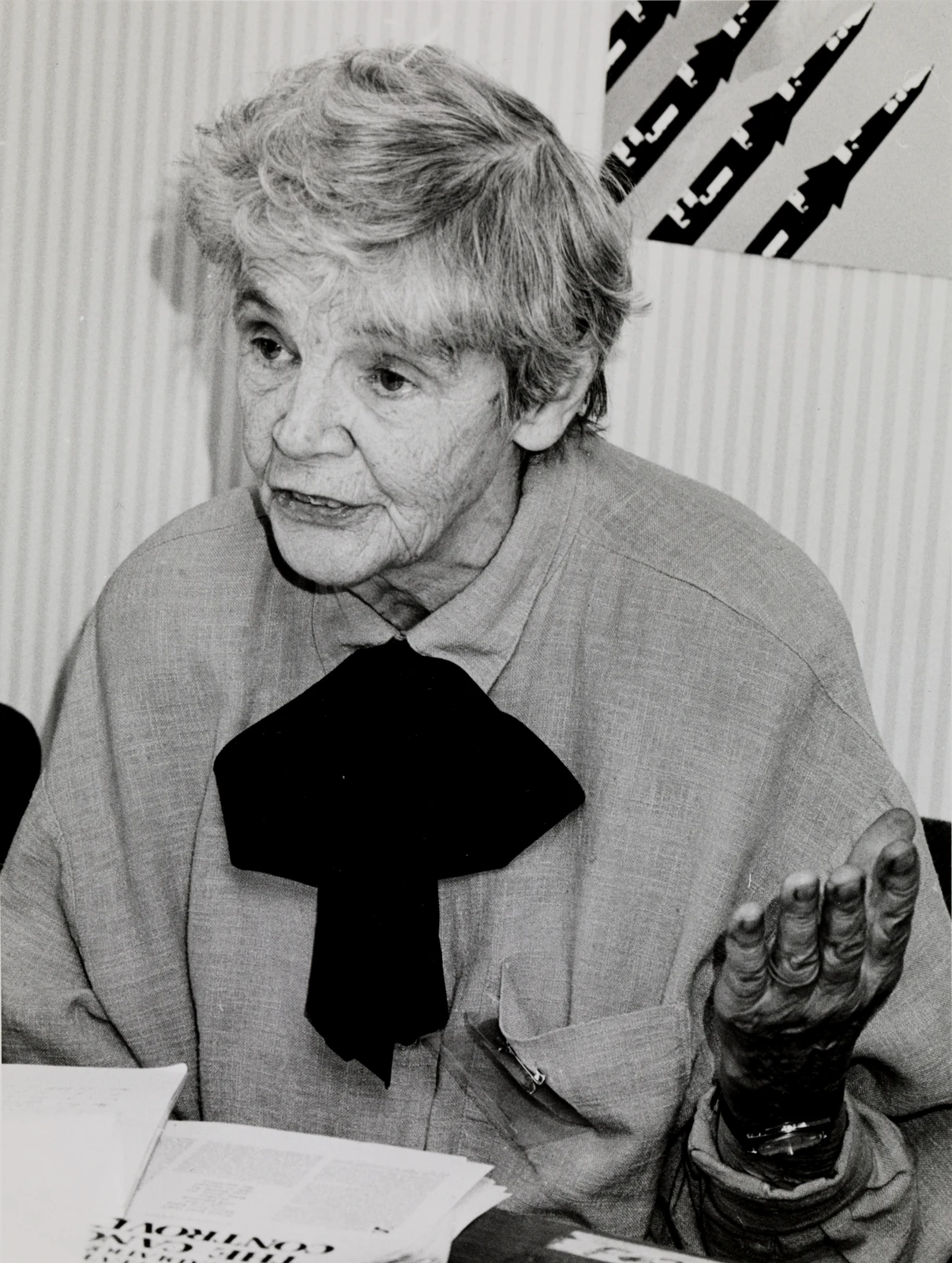
Alice Stewart was born in Sheffield in 1906, into a family of doctors. Her training combined pre-clinical study at Girton College, Cambridge, with clinical work at the Royal Free Hospital in London. She became a consultant before moving into Oxford research in 1941. Her early investigations included industrial illness, such as the effects associated with wartime explosives work. Those experiences placed medical observations within questions about working conditions and exposure, an approach that later became central to her cancer research.
A design suited to a rare outcome
Stewart is particularly associated with the Oxford Survey of Childhood Cancers. Studying a rare disease by following an enormous healthy population would have been difficult. The survey instead began with children who had died from cancer and sought appropriate comparison children. A later history explains the organisation behind this design, including local birth-register controls and paired interviews. The work required field organisation and comparison rules, not just the identification of a striking possible association. Those practical details form part of the research achievement.
Sources for this section: [2]
Collaborators and a dated research record
The 1958 paper A Survey of Childhood Malignancies was authored by Stewart, Josefine Webb and David Hewitt. Its methods describe records concerning deaths before age ten in England and Wales during 1953–55, together with matched controls. Maternal interviews gathered histories using specified time boundaries. The publication became an important record in investigating prenatal radiography and childhood malignancy, but its design does not make every reported exposure a perfectly measured dose or remove every possibility of confounding. Keeping the collaborators and methods visible improves the biography.
Sources for this section: [3]
An enduring question about evidence
Stewart continued researching radiation and health beyond Oxford, including later work associated with Birmingham and studies of workers in the United States. She died in 2002. Her career demonstrates how epidemiology can investigate consequential questions that are not suitable for direct experimental assignment. It also shows why such investigations attract sustained debate: matching, selection, interview recall and alternative explanations all matter. Her contribution can be recognised without presenting an observational association as a complete biological mechanism or treating the absence of random allocation as the absence of useful evidence.
Quick answers
Frequently asked questions about Alice Stewart
- What is Alice Stewart known for?
- Leading the Oxford Survey of Childhood Cancers and investigating associations between prenatal radiography and childhood cancer.
Keep exploring
Lives connected to this story
- Mary Amdur
Compare an observational population design with a controlled animal experiment.
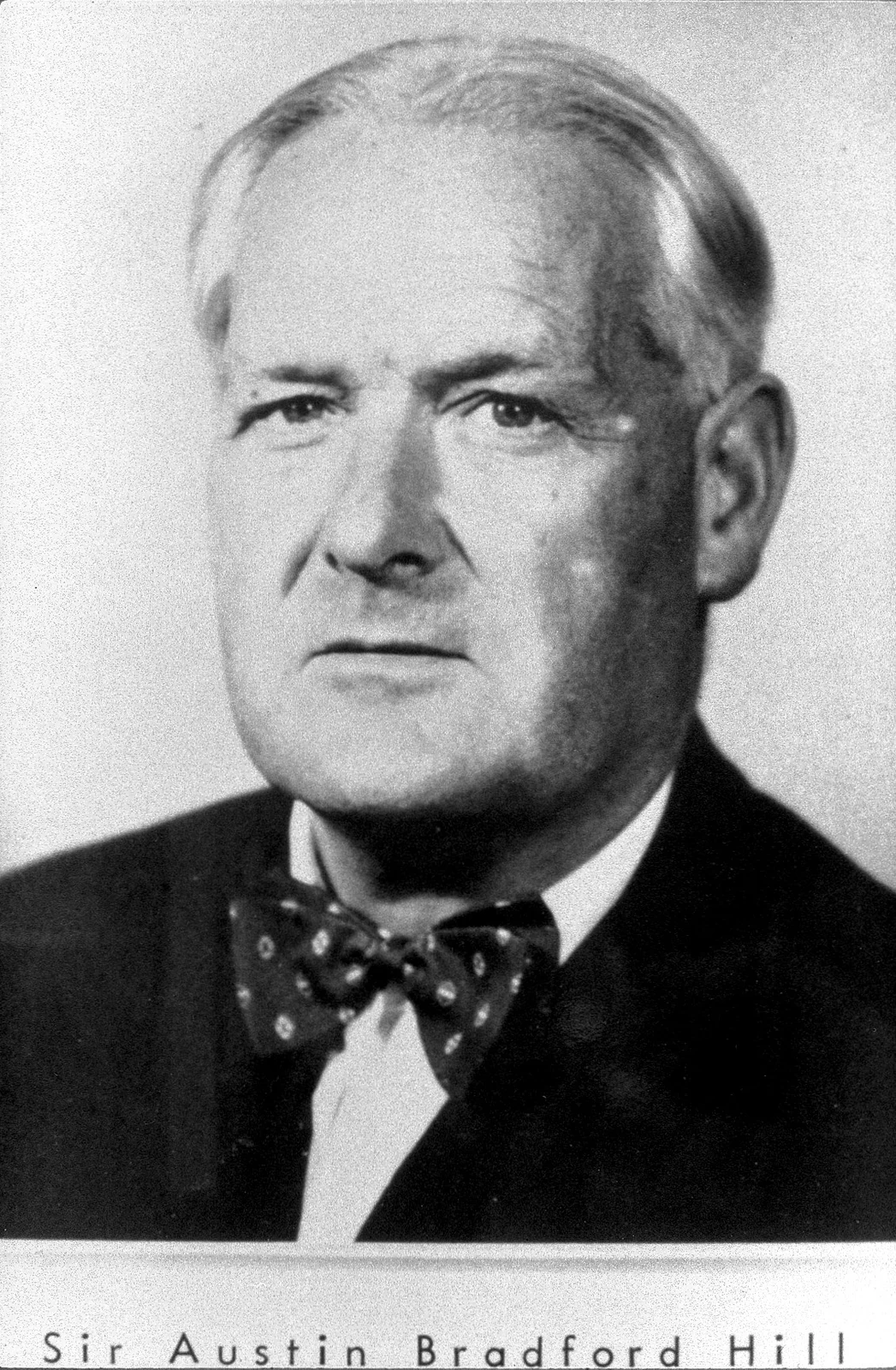
- Austin Bradford Hill
Distinguish matching an observational comparison from concealed trial allocation.
Sources and further reading
Explore the evidence
These references support the biography and offer further reading. Official records, first-person accounts and independent reporting provide different perspectives; image records document attribution and licensing.
- 1. University of Oxford, Medical Sciences DivisionProfessor Alice Stewart
Medical education, consultant work, Oxford arrival in1941 and research on industrial illness and childhood cancer. The Oxford women-in-science index confirms1906–2002.
- 2. British Journal of Cancer / PMCChildhood cancer research in Oxford I: the Oxford Survey of Childhood Cancers
Charles Stiller’s2018 institutional/participant history: Sheffield birth, rare-outcome rationale, initial death cohort, matched controls and interview organisation; not all subsequent analyses.
- 3. British Medical JournalA Survey of Childhood Malignancies
Original1958 opening and methods: Stewart, Josefine Webb and David Hewitt; England/Wales deaths under10 in1953–55, birth-register controls, paired interviews and differing history cutoffs. Complete tables and dose analyses were not read.
- 4. History of Modern Biomedicine Research GroupPopulation-Based Research in South Wales — witness biographies
Stewart biographical note: Oxford leadership, later Birmingham and US worker-study work, life years and awards. Notes are retrospective, not her own full testimony.