In this biography
Quick facts
- Born
- 1927
- Died
- 2007
- Birthplace
- London, England, United Kingdom
- Country
- United Kingdom
- Nationality
- Not independently established
- Known for
- Investigating mammalian development, including the 1958 embryo-culture and live-birth work with John Biggers
Why this life matters
Her work illustrates why development observed at one stage does not establish every later developmental outcome.
Timeline
Key moments
Birth in London
Born on 26 April 1927.
Collaborative mouse research
Published the embryo-culture and birth paper with John Biggers.
Royal Society office
Became Foreign Secretary of the Royal Society.
Death
Died in 2007.
From zoology to mammalian development
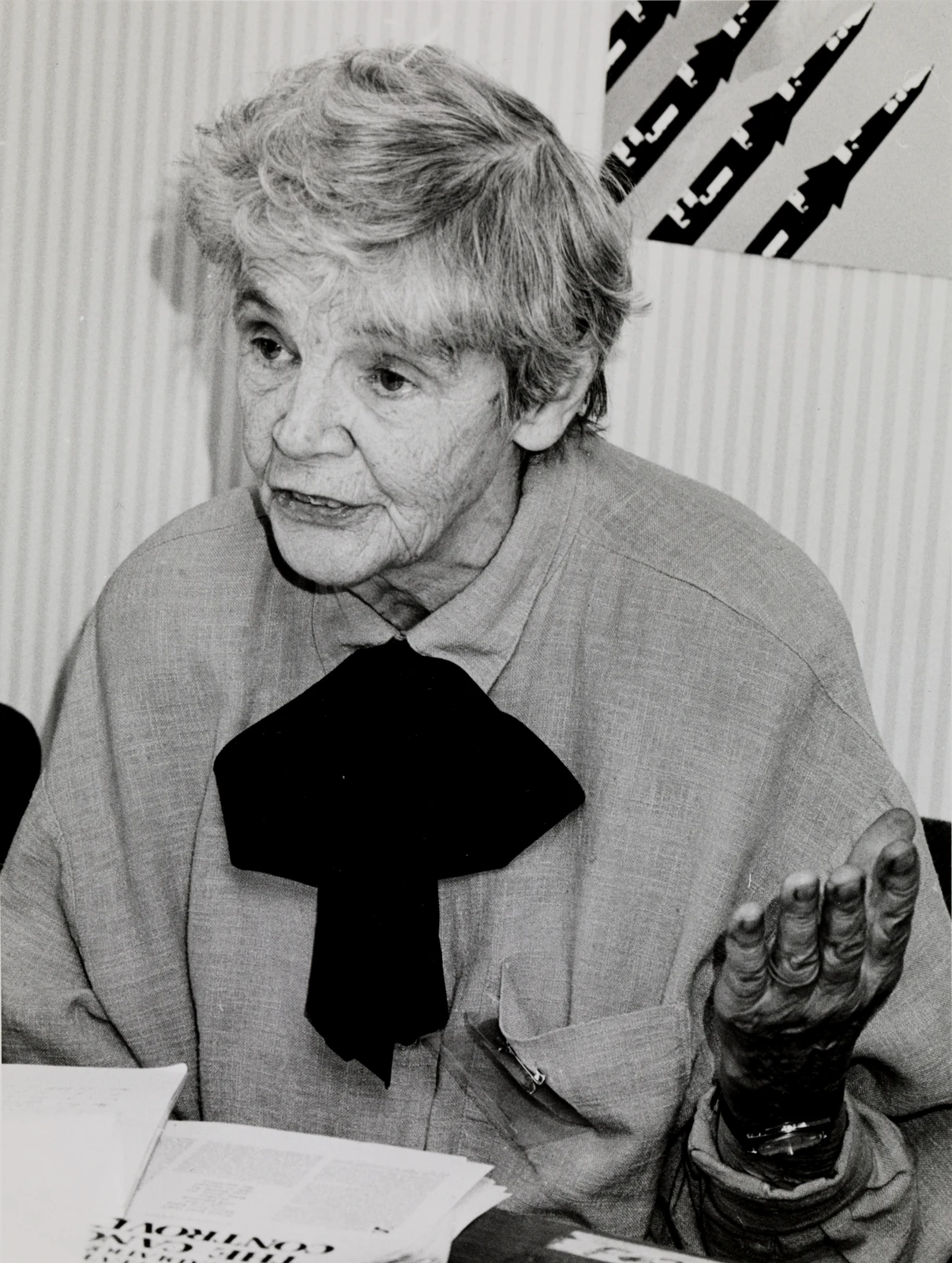
Anne McLaren was born in London in 1927, a birthplace she confirmed in a later oral-history interview. She studied zoology at Oxford, and her doctoral work concerned infection of the nervous system before she moved toward developmental biology. Cambridge’s biographical account makes that change of subject visible. Her research career therefore should not be reduced to one embryo experiment: it grew through several biological questions, using the study of mammals to connect genetics with the processes by which an organism develops.
A 1958 collaboration with a later endpoint
McLaren and John Biggers published their 1958 paper on development and birth after early mouse embryos had been cultivated outside the mother. The Royal Society and ASU histories describe the connection between culture, transfer and subsequent birth. The sequence matters because observing an embryo advance in culture is not the same achievement as showing that later development can continue after transfer. Crediting Biggers preserves the collaboration, while dating the result prevents it from being conflated with subsequent human reproductive research.
A career beyond the famous experiment
McLaren worked at Edinburgh’s Institute of Animal Genetics and later directed the MRC Mammalian Development Unit in London. The Royal Society account identifies research areas including reproductive immunology and chimeras. In 1992 she moved to the Gurdon Institute in Cambridge, remaining scientifically active until her death in 2007. These settings show the breadth of her career across developmental and genetic questions. A prominent early result opened a productive research trajectory; it did not replace the decades of work that followed.
Scientific leadership and careful attribution
McLaren became the Royal Society’s Foreign Secretary in 1991, its first woman officer. Her biography links laboratory research with leadership in the scientific community. The original 1958 preview also offers a lesson in historical reading: its introductory rabbit experiment belongs to an earlier researcher, not to McLaren and Biggers’s mouse result. Preserving such distinctions gives her work firmer historical value. A meaningful account identifies the collaborators, species, developmental stage and outcome, rather than combining several milestones into a single dramatic claim.
Quick answers
Frequently asked questions about Anne McLaren
- What is Anne McLaren known for?
- Investigating mammalian development, including the 1958 embryo-culture and live-birth work with John Biggers.
Keep exploring
Lives connected to this story
- Peter Medawar
Read a scientist connected with McLaren’s early research environment.
- Mahlon Hoagland
Compare a biological intermediate with a later outcome in another research setting.
Sources and further reading
Explore the evidence
These references support the biography and offer further reading. Official records, first-person accounts and independent reporting provide different perspectives; image records document attribution and licensing.
- 1. University of Cambridge, Department of ZoologyDame Anne McLaren
London birth on26April1927, doctoral topic,1992 move to Gurdon Institute and research until2007 death. No unreviewed private-family details used.
- 2. Royal SocietyAnne McLaren — influential British women in science
McLaren-specific entry: Oxford zoology, collaboration with Biggers, embryo culture followed by transfer and mouse births, Edinburgh/MRC work and1991–96 office. Broad single-person claims about human IVF are not adopted.
- 3. NatureSuccessful Development and Birth of Mice cultivated in vitro as Early Embryos
1958 original metadata and accessible preview only: experimental rationale and earlier Adams rabbit work. Mouse results are reported by the title and corroborated institutional accounts; unread full-paper methods/results are not claimed.
- 4. Arizona State University, Embryo Project EncyclopediaAnne Laura Dorinthea McLaren,1927–2007
Institutional historical account of Oxford doctorate, research settings and1958 culture/transfer/birth sequence. No precise animal numbers or full protocol are reproduced.
- 5. Royal College of Physicians / Oxford Brookes UniversityAnne McLaren in interview with Max Blythe,3July1998
Opening first-person confirmation of London birth inApril1927. No claim to having read the full interview.