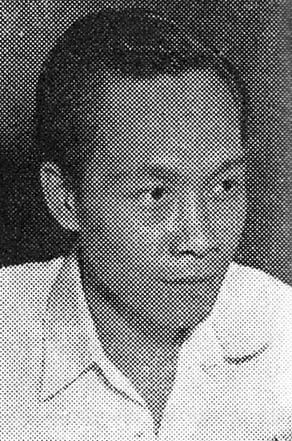
In this biography
Quick facts
- Born
- 6 February 1925
- Died
- 30 April 2006
- Birthplace
- Blora, Central Java
- Country
- Indonesia
- Nationality
- Indonesian
- Known for
- Writing the Buru Quartet and chronicling colonialism, revolution and power in Indonesia
- Major work
- The Buru Quartet
- Language
- Indonesian
- Buru detention
- From 1969 into the late 1970s
- International recognition
- PEN Freedom to Write Award and Magsaysay Award
Why this life matters
Pramoedya turned the experience of colonialism and nation-making into literature of global reach while making freedom of expression inseparable from his life story.
Timeline
Key moments
Imprisoned by the Dutch
Was detained during the Indonesian revolution and wrote fiction while in prison.
Published The Fugitive
Perburuan (The Fugitive) appeared in book form after winning a Balai Pustaka writing competition.
Detained under Sukarno
Was jailed after publishing Hoakiau di Indonesia, a critique of discrimination against Chinese Indonesians.
Sent to Buru
Began a decade of detention without trial, first telling the Buru Quartet stories orally.
Published This Earth of Mankind
The first Buru novel appeared in Indonesia before New Order authorities banned it.
Received the Ramon Magsaysay Award
Honoured for literature and creative communication about Indonesian historical experience.
Literature out of revolution
Pramoedya Ananta Toer was born in 1925 in Blora, Central Java, into a family whose father was a teacher. He went to Jakarta during the upheavals of the 1940s and worked in journalism and other wartime roles. Dutch authorities arrested him in 1947 while Indonesia was fighting for independence; he was held until 1949. The imprisonment was not a later New Order detention. It belonged to the anti-colonial struggle that would shape many of his early stories and novels.
His novel The Fugitive, known in Indonesian as Perburuan, appeared in book form in 1950 and won a Balai Pustaka writing competition. Accounts differ on the exact award year, so 1950 here marks the book rather than the prize ceremony. Early recognition gave him a literary standing before the political conflicts of the following decades. His writing increasingly joined personal choices to larger questions of colonial power, national independence and who could tell Indonesia’s history.
Controversy, imprisonment and Buru
Pramoedya’s public positions were contentious before Suharto came to power. In 1960 he published Hoakiau di Indonesia, defending the place of Chinese Indonesians at a time of discriminatory policy; a Blora local-government account says he was imprisoned for about a year after its publication. He was also associated with Lekra, a left-wing cultural organisation. The Ramon Magsaysay Award Foundation states that he was not a member of the Indonesian Communist Party, while describing his prominent affiliation with its cultural institute. Those distinctions matter more than a broad label that would erase political and literary differences.
After the 1965 political crisis, Pramoedya was detained again without trial. PEN America records his transfer to Buru Island in 1969 and says he was denied pens and paper between 1965 and 1973. He began narrating stories to fellow prisoners before he could write them down. The Indonesian literary encyclopaedia describes roughly ten years of exile on Buru. Sources differ on the exact release year—PEN’s case page says 1978, while another PEN summary gives 1979—so this profile uses “late 1970s” for his departure from detention rather than presenting a disputed date as settled.
What the Buru Quartet tells
The Buru Quartet grew from those prison narratives. Its four linked novels—This Earth of Mankind, Child of All Nations, Footsteps and House of Glass—follow the character Minke and the emergence of political consciousness in the Dutch East Indies. The books are historical fiction, not a direct transcript of Pramoedya’s own prison years. Their plot moves through education, journalism, racial hierarchy and resistance, asking how a colonised society learns to describe itself in its own words.
This Earth of Mankind and Child of All Nations appeared in Indonesia in 1980, according to the government literary encyclopaedia. The first volume was banned by New Order authorities, and later volumes also faced bans. A ban is part of the publication history, not proof that the books lacked readers: translations and international editions gave them a much wider life. Penguin Random House lists the quartet in English and confirms the four-book sequence. Its catalogue is useful for titles and order, while Indonesian and PEN records are needed for the political history around their publication.
Recognition and restrictions
Freedom after Buru was limited. PEN America says Pramoedya remained under city arrest in Jakarta until 1992. Its records also document the 1988 PEN/Barbara Goldsmith Freedom to Write Award. In 1995 the Ramon Magsaysay Award Foundation honoured him for Journalism, Literature and Creative Communication Arts, describing how his fiction illuminated Indonesian historical experience. These awards recognised different things: one addressed threatened expression, while the other addressed literary and public communication.
Pramoedya died in 2006, but the debate around his politics and the significance of his books did not end there. His ties to left-wing cultural politics have prompted criticism as well as defence. A careful biography can acknowledge that dispute without reducing the novels to a party affiliation or overlooking the documented censorship and detention. His enduring work lies in using fiction to examine colonialism and nation-making while his own life exposes the costs of writing under successive political orders.
Quick answers
Frequently asked questions about Pramoedya Ananta Toer
- Who was Pramoedya Ananta Toer?
- Pramoedya Ananta Toer was a novelist and essayist. Pramoedya turned the experience of colonialism and nation-making into literature of global reach while making freedom of expression inseparable from his life story.
- What is Pramoedya Ananta Toer best known for?
- Pramoedya Ananta Toer is best known for writing the Buru Quartet and chronicling colonialism, revolution and power in Indonesia.
- When and where was Pramoedya Ananta Toer born?
- Pramoedya Ananta Toer was born on 6 February 1925 in Blora, Central Java.
- When did Pramoedya Ananta Toer die?
- Pramoedya Ananta Toer died on 30 April 2006.
Keep exploring
Lives connected to this story
- Eka Kurniawan
Read about Eka Kurniawan, whose study of Pramoedya preceded his own novels about history, folklore and social experience.
- Ayu Utami
Read Ayu Utami’s separate path through journalism, Saman and later fiction and cultural mentoring.
- Dee Lestari
Continue to another era of Indonesian fiction, through Supernova, shorter prose and stories reaching music and film audiences.
- Sukarno
Indonesia’s first president and the era of Pramoedya’s 1960 detention.
- Suharto
The New Order ruler whose government detained and banned Pramoedya.
Sources and further reading
Explore the evidence
These references support the biography and offer further reading. Official records, first-person accounts and independent reporting provide different perspectives; image records document attribution and licensing.
- 1. Indonesian Literature Encyclopaedia, Ministry of EducationPramoedya Ananta Toer
The Indonesian literary encyclopaedia differs internally on the Balai Pustaka award year; 1950 marks The Fugitive’s book publication, not a settled prize date. Its 1998 PEN reference also differs from PEN America’s documented 1988 award.
- 2. PEN AmericaPramoedya Ananta Toer case history
PEN’s case page gives release in 1978, while its writer-at-risk summary gives 1979; the article therefore says late 1970s.
- 3. Penguin Random HousePramoedya Ananta Toer author page
- 4. Penguin Random HouseBuru Quartet series and book sequence
- 5. Ramon Magsaysay Award FoundationPramoedya Ananta Toer
- 6. PEN AmericaPramoedya Ananta Toer, writer at risk
- 7. Blora Regency GovernmentPramoedya Ananta Toer and Hoakiau di Indonesia
- 8. Wikimedia CommonsPramoedya Ananta Toer — portrait and reuse record