In this biography
Quick facts
- Born
- 21 November 1968
- Birthplace
- Bogor, West Java, Indonesia
- Country
- Indonesia
- Nationality
- Indonesian
- Known for
- Saman, Larung, Bilangan Fu and independent literary and journalistic work
- Born
- 21 November 1968, Bogor
- Full name
- Justina Ayu Utami
- University study
- Russian literature, Universitas Indonesia, graduated 1994
- Debut novel
- Saman, 1998; followed by Larung in 2001
- Selected recognition
- Jakarta Arts Council, 1998; Prince Claus Laureate, 2000; Khatulistiwa, 2008
- Later mentorship
- Menjadi Indonesia autobiographical-essay workshop, September–November 2025
Why this life matters
Her career connects press-freedom activism with experiments in fiction and literary community-building, without reducing a varied body of work to one critical label or one debut novel.
Timeline
Key moments
Birth
Born in Bogor on 21 November.
University graduation
Completes Russian-literature studies at Universitas Indonesia.
Separate professional programmes
Undertakes journalism training in Cardiff and later an Asian Leadership Fellowship in Tokyo.
Saman
Publishes the debut novel and receives Jakarta Arts Council recognition.
Award and new books
Receives a Prince Claus Award; Larung follows in 2001 and Si Parasit Lajang in 2003.
Bilangan Fu
The novel receives the Khatulistiwa Literary Award.
Autobiographical-essay mentorship
Works with fellow mentors in a Salihara programme for ten writers.
Russian literature and independent journalism
Ayu Utami, whose full name is Justina Ayu Utami, was born in Bogor on 21 November 1968. She graduated in Russian literature from Universitas Indonesia in 1994, before undertaking separate journalism training in Cardiff and a later leadership fellowship in Tokyo. Those professional programmes should not be mistaken for additional university degrees.
Reporting for publications including Matra, Forum Keadilan and D&R preceded the novels. Her involvement in independent journalism and opposition to press restrictions placed writing within a wider concern for public expression. The eventual turn to fiction did not erase that earlier engagement with how information could circulate.
Saman and a changing literary landscape
Saman appeared in 1998. Its four female friends and an activist’s involvement in the repression of the New Order place personal relationships alongside political power. The novel’s intervention is more specific than a general claim that it changed every aspect of Indonesian literature: it brought these perspectives and conflicts into a distinctive fictional narrative.
The debut received Jakarta Arts Council recognition and drew sustained attention to Utami’s writing. The Prince Claus Fund’s account also situates her work within questions of gender, religion, democracy and free expression. Fiction can engage with those concerns without making every character an autobiographical stand-in for its author.
Beyond the debut novel
Larung, published separately in 2001, continues the world associated with Saman. Utami also worked in essays, including Si Parasit Lajang, and developed further fiction such as Bilangan Fu. These books represent different forms and projects rather than alternate titles for the debut.
Awards likewise require clear attribution. The Prince Claus Fund identifies Utami herself as a laureate in 2000. The Jakarta Arts Council recognition is associated with Saman, while the 2008 Khatulistiwa Literary Award belongs to Bilangan Fu. Keeping the author’s award separate from prizes for particular books makes the chronology more useful than an undifferentiated list of honours.
Literary communities and mentorship
Utami’s contribution also extends beyond publication into the communities in which writing is discussed and developed. The Prince Claus Fund links her literary significance to a broader commitment to expression and debate. That institutional assessment is a description of her contribution, not proof that every reader shares one interpretation of her novels.
A concrete later example is Salihara’s Menjadi Indonesia autobiographical-essay workshop. Its November 2025 account describes ten writers working during September–November with Utami, Nirwan Dewanto and Zen Hae as mentors. The participants wrote their own essays. Mentorship belongs to Utami’s continuing literary practice, but it does not transfer their authorship or outcomes to her.
Quick answers
Frequently asked questions about Ayu Utami
- When and where was Ayu Utami born?
- She was born on 21 November 1968 in Bogor, West Java, Indonesia.
- What did Ayu Utami study?
- She graduated in Russian literature from Universitas Indonesia in 1994. Later journalism and leadership programmes were separate professional training.
- Is Larung connected to Saman?
- Yes. The publisher describes Larung, published in 2001, as the continuation of the 1998 novel Saman.
- Did Saman win the Prince Claus Award?
- The Prince Claus Fund identifies Ayu Utami as its 2000 laureate. That personal award is distinct from the Jakarta Arts Council recognition associated with Saman.
Keep exploring
Lives connected to this story
- Okky Madasari
Explore Okky Madasari’s different route from journalism to fiction about power, belief and freedom, alongside the Mata children’s novels.
- Pramoedya Ananta Toer
Compare another Indonesian novelist’s distinct encounters with power, publication and freedom of expression.
- Tash Aw
Explore a different Southeast Asian novelist’s treatment of migration, identity and social change, without implying a collaboration.
Sources and further reading
Explore the evidence
These references support the biography and offer further reading. Official records, first-person accounts and independent reporting provide different perspectives; image records document attribution and licensing.
- 1. Indonesia Language Agency · 8 February 2022Birth, full name, education, journalism, bibliography and book awards
Russian-literature graduation, Cardiff journalism training and the Tokyo fellowship are different qualifications/programmes. Bibliographic years are not replaced with a later retailer edition’s date.
- 2. Prince Claus Fund · laureate record2000 award to Utami and the broader scope of her literary work
The 2000 Prince Claus award is to Utami, not an invented separate award to Saman. Book-specific prizes remain distinct.
- 3. Gramedia · Saman publisher-group catalogueAuthorship, narrative context and the separate Larung continuation
The novel’s characters and themes are not recast as a factual autobiography. A contested critical label is not treated as a movement founded or named by Utami.
- 4. Salihara · 27 November 2025September–November autobiographical-essay workshop and three mentors
The programme account identifies three mentors and ten participants. Participants’ essays remain their own work; the publication date is not the programme’s starting date.
- 5. Wikimedia Commons · image provenanceAyu Utami photograph, creator and reuse terms
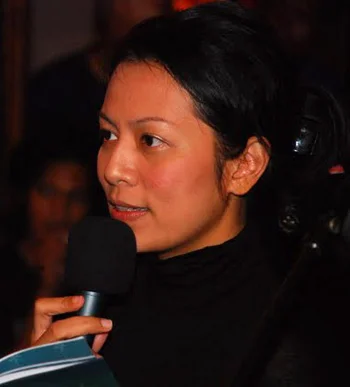
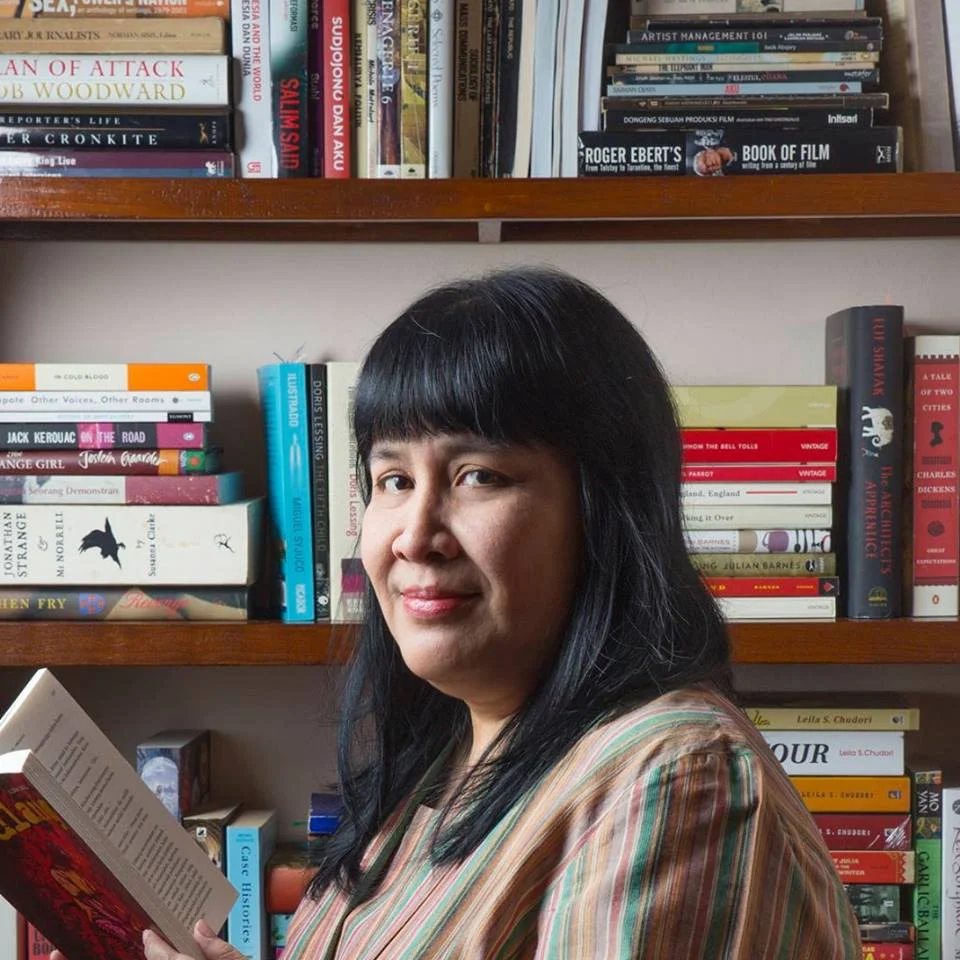
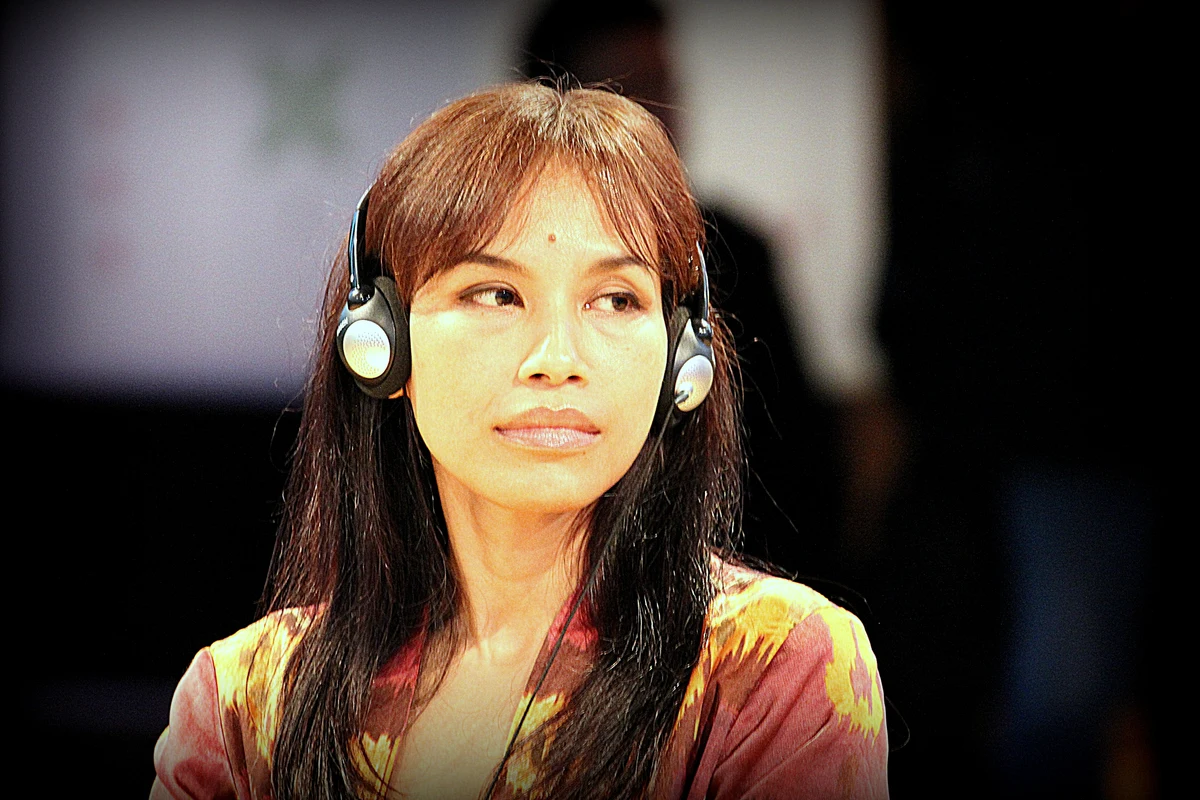
Commons names contributor Lesekreis as the photographer; that user page redirects to Heike Huslage-Koch and the photographer’s gallery includes this file. The own-work CC BY-SA 4.0 declaration and coherent camera metadata were checked. The complete supplied frame and original colour rendering are retained; editorial use does not imply the subject’s endorsement.