In this biography
Quick facts
- Born
- 19 May 1925
- Died
- 15 April 1998
- Birthplace
- Prek Sbauv, Kampong Thom, Cambodia
- Country
- Cambodia
- Nationality
- Cambodian
- Known for
- Leading Democratic Kampuchea and the Khmer Rouge regime
- Birth name
- Saloth Sar
- Party role
- Secretary of the Communist Party of Kampuchea
- Government office
- Prime minister of Democratic Kampuchea
- Regime period
- 17 April 1975–7 January 1979
Why this life matters
The regime led by Pol Pot caused an estimated 1.5 to 2 million deaths between April 1975 and January 1979 and remains central to Cambodia’s history of genocide, justice and memory.
Timeline
Key moments
Studied in Paris
Joined communist political circles while on a scholarship in France.
Led the communist party
Became secretary of the underground Communist Party of Kampuchea.
Khmer Rouge captured Phnom Penh
The new regime emptied cities and imposed radical collectivisation.
Regime removed
Vietnamese-led forces entered Phnom Penh and the Khmer Rouge retreated.
Placed under house arrest
An internal Khmer Rouge proceeding removed him from leadership.
Died without trial
Died in Anlong Veng before any international prosecution.
From Saloth Sar to Khmer Rouge leader
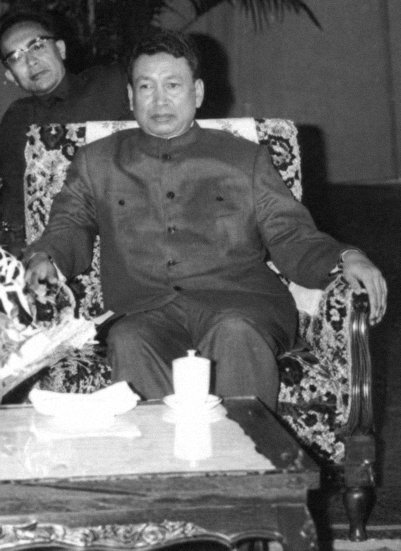
Born Saloth Sar in Kampong Thom, Pol Pot studied briefly in Paris and joined communist networks before returning to Cambodia. He rose inside the clandestine Communist Party of Kampuchea and directed an insurgency during the civil war.
Khmer Rouge forces captured Phnom Penh on 17 April 1975. The regime evacuated urban populations, abolished money and markets, separated families and organised people into coercive agricultural collectives and work sites.
Mass death, defeat and the absence of a trial
Executions, security prisons, forced labour, malnutrition and disease killed an estimated 1.5 to 2 million people before Vietnamese-led forces removed Democratic Kampuchea in January 1979. Pol Pot and Khmer Rouge forces continued armed resistance from border areas for years.
Pol Pot died in 1998 without standing trial. Later Extraordinary Chambers in the Courts of Cambodia judgments established crimes committed by senior regime leaders, but Pol Pot was never a defendant; this profile therefore distinguishes the historical record from findings against particular tried individuals.
Quick answers
Frequently asked questions about Pol Pot
- Who was Pol Pot?
- Pol Pot was a leader of the Communist Party of Kampuchea. The regime led by Pol Pot caused an estimated 1.5 to 2 million deaths between April 1975 and January 1979 and remains central to Cambodia’s history of genocide, justice and memory.
- What is Pol Pot best known for?
- Pol Pot is best known for leading Democratic Kampuchea and the Khmer Rouge regime.
- When and where was Pol Pot born?
- Pol Pot was born on 19 May 1925 in Prek Sbauv, Kampong Thom, Cambodia.
- When did Pol Pot die?
- Pol Pot died on 15 April 1998.
Sources and further reading
How this biography was checked
Core dates and offices are checked against the sources below. This profile was last reviewed on 9 September 2026.


