In this biography
Quick facts
- Born
- 1 March 1906
- Died
- 29 April 2000
- Birthplace
- Quảng Ngãi Province, French Indochina
- Country
- Vietnam
- Nationality
- Vietnamese
- Known for
- Serving as Vietnam’s prime minister for thirty-two years and leading its delegation at the 1954 Geneva Conference
- Premiership
- 1955–1987
- Foreign ministry
- 1954–1961
- 1954 role
- Head of the Geneva Conference delegation
- Revolutionary association
- Longtime colleague of Hồ Chí Minh
Why this life matters
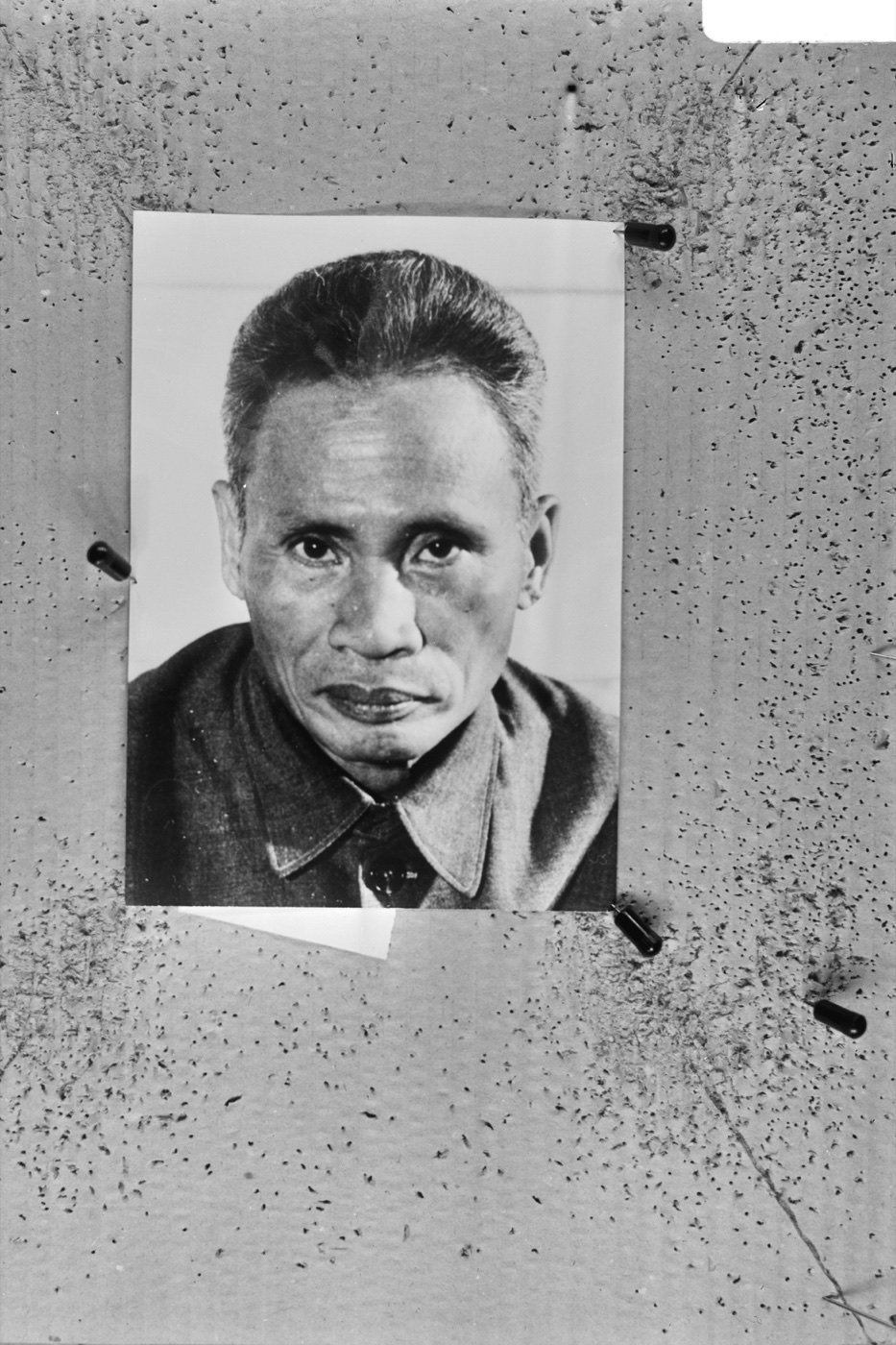
Phạm Văn Đồng helped turn revolutionary authority into durable state administration, while his long premiership also encompassed wartime mobilisation and the limits of postwar central planning.
Timeline
Key moments
Born in Quảng Ngãi
Born on 1 March in central Vietnam.
Trained in Guangzhou
Joined Nguyễn Ái Quốc’s revolutionary network in southern China.
Imprisoned by colonial authorities
Received a ten-year sentence and was sent to Côn Đảo.
Led the Geneva delegation
Represented the Democratic Republic of Vietnam in negotiations ending the First Indochina War.
Became prime minister
Began a thirty-two-year tenure as head of government.
Continued after reunification
Remained prime minister of the Socialist Republic of Vietnam.
Retired from government
Left office as Đổi Mới began changing economic policy.
Died in Hanoi
Died on 29 April.
Revolutionary diplomat
Phạm Văn Đồng joined anticolonial activism as a young man, trained with Nguyễn Ái Quốc in Guangzhou and endured years in the Côn Đảo prison system. He became one of Hồ Chí Minh’s closest government colleagues after the August Revolution.
At the 1954 Geneva Conference he headed the Democratic Republic of Vietnam’s delegation. The negotiations ended the war with France and temporarily divided Vietnam, giving Đồng a central role in the diplomatic settlement that framed the next two decades.
Thirty-two years as prime minister
Đồng became prime minister in 1955 and served through war, reunification and early postwar reconstruction. He combined administrative continuity with diplomacy, first as foreign minister and later as the public head of a government directed through collective party leadership.
His tenure also covered forced mobilisation, the extension of northern institutions after 1975 and an economic system that produced severe shortages. He retired in 1987 as Đổi Mới began replacing central controls with market-oriented reforms, leaving a legacy of state endurance as well as institutional rigidity.
Quick answers
Frequently asked questions about Phạm Văn Đồng
- Who was Phạm Văn Đồng?
- Phạm Văn Đồng was a prime minister and diplomat. Phạm Văn Đồng helped turn revolutionary authority into durable state administration, while his long premiership also encompassed wartime mobilisation and the limits of postwar central planning.
- What is Phạm Văn Đồng best known for?
- Phạm Văn Đồng is best known for serving as Vietnam’s prime minister for thirty-two years and leading its delegation at the 1954 Geneva Conference.
- When and where was Phạm Văn Đồng born?
- Phạm Văn Đồng was born on 1 March 1906 in Quảng Ngãi Province, French Indochina.
- When did Phạm Văn Đồng die?
- Phạm Văn Đồng died on 29 April 2000.
Sources and further reading
How this biography was checked
Core dates and offices are checked against the sources below. This profile was last reviewed on 8 September 2026.