In this biography
Quick facts
- Born
- 7 April 1907
- Died
- 10 July 1986
- Birthplace
- Triệu Phong, Quảng Trị, French Indochina
- Country
- Vietnam
- Nationality
- Vietnamese
- Known for
- Leading Vietnam’s ruling party from 1960 to 1986 through war, reunification and postwar central planning
- Birth name
- Lê Văn Nhuận
- Party office
- First secretary, 1960–1976; general secretary, 1976–1986
- Southern role
- Central Office for South Vietnam secretary, 1946–1954
- Imprisonment
- Twice imprisoned under French colonial rule
Why this life matters
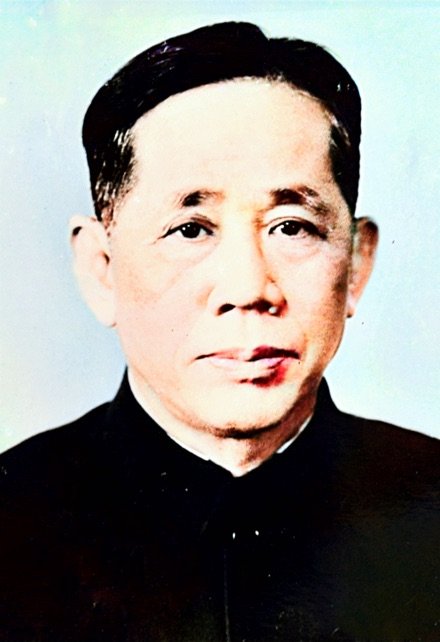
Lê Duẩn moved the centre of political authority from Hồ Chí Minh’s public presidency to the party secretariat, linking military reunification to a postwar system whose rigid planning and regional conflicts left Vietnam in deep economic difficulty.
Timeline
Key moments
Born in Quảng Trị
Born Lê Văn Nhuận in Triệu Phong district on 7 April.
Joined the communist party
Became an early member of the Communist Party of Indochina.
Imprisoned twice
Served long colonial prison terms, including confinement on Côn Đảo.
Returned to southern leadership
Began directing party organisation and resistance in southern Vietnam.
Became first secretary
Won the party’s senior executive post and became its central strategist.
War ended with reunification
Northern forces captured Saigon after a campaign shaped by collective party and military leadership.
Named general secretary
Continued as leader of the renamed Communist Party of Vietnam.
Regional wars reshaped policy
Vietnam’s intervention in Cambodia and war with China deepened international isolation and economic strain.
Died before the Sixth Congress
Died in Hanoi in July, five months before the congress that adopted Đổi Mới.
From railway work to southern revolution
Born Lê Văn Nhuận in central Vietnam, Lê Duẩn worked for the railway and joined anticolonial communist organisations in the late 1920s. French authorities imprisoned him in 1931 and again in 1940; both periods included confinement on Côn Đảo.
After the August Revolution, he became a leading party organiser in the South. His experience there shaped a strategy that treated national reunification as a revolutionary and military project rather than a settlement to be postponed indefinitely.
War, reunification and postwar crisis
Elected first secretary in 1960, Lê Duẩn became the party’s principal executive while Hồ Chí Minh remained president and party chairman. He pressed the war in the South through a collective leadership that combined political organisation, conventional offensives and diplomacy, accepting extraordinary human costs in pursuit of reunification.
After 1975, the state extended socialist planning across the country. Reconstruction, collectivisation, the conflict in Cambodia, war with China and dependence on Soviet support compounded shortages and isolation. Limited adjustments appeared before Lê Duẩn’s death, but the systemic turn called Đổi Mới was adopted only later in 1986.
Quick answers
Frequently asked questions about Lê Duẩn
- Who was Lê Duẩn?
- Lê Duẩn was a communist Party leader and wartime strategist. Lê Duẩn moved the centre of political authority from Hồ Chí Minh’s public presidency to the party secretariat, linking military reunification to a postwar system whose rigid planning and regional conflicts left Vietnam in deep economic difficulty.
- What is Lê Duẩn best known for?
- Lê Duẩn is best known for leading Vietnam’s ruling party from 1960 to 1986 through war, reunification and postwar central planning.
- When and where was Lê Duẩn born?
- Lê Duẩn was born on 7 April 1907 in Triệu Phong, Quảng Trị, French Indochina.
- When did Lê Duẩn die?
- Lê Duẩn died on 10 July 1986.
Sources and further reading
How this biography was checked
Core dates and offices are checked against the sources below. This profile was last reviewed on 8 September 2026.