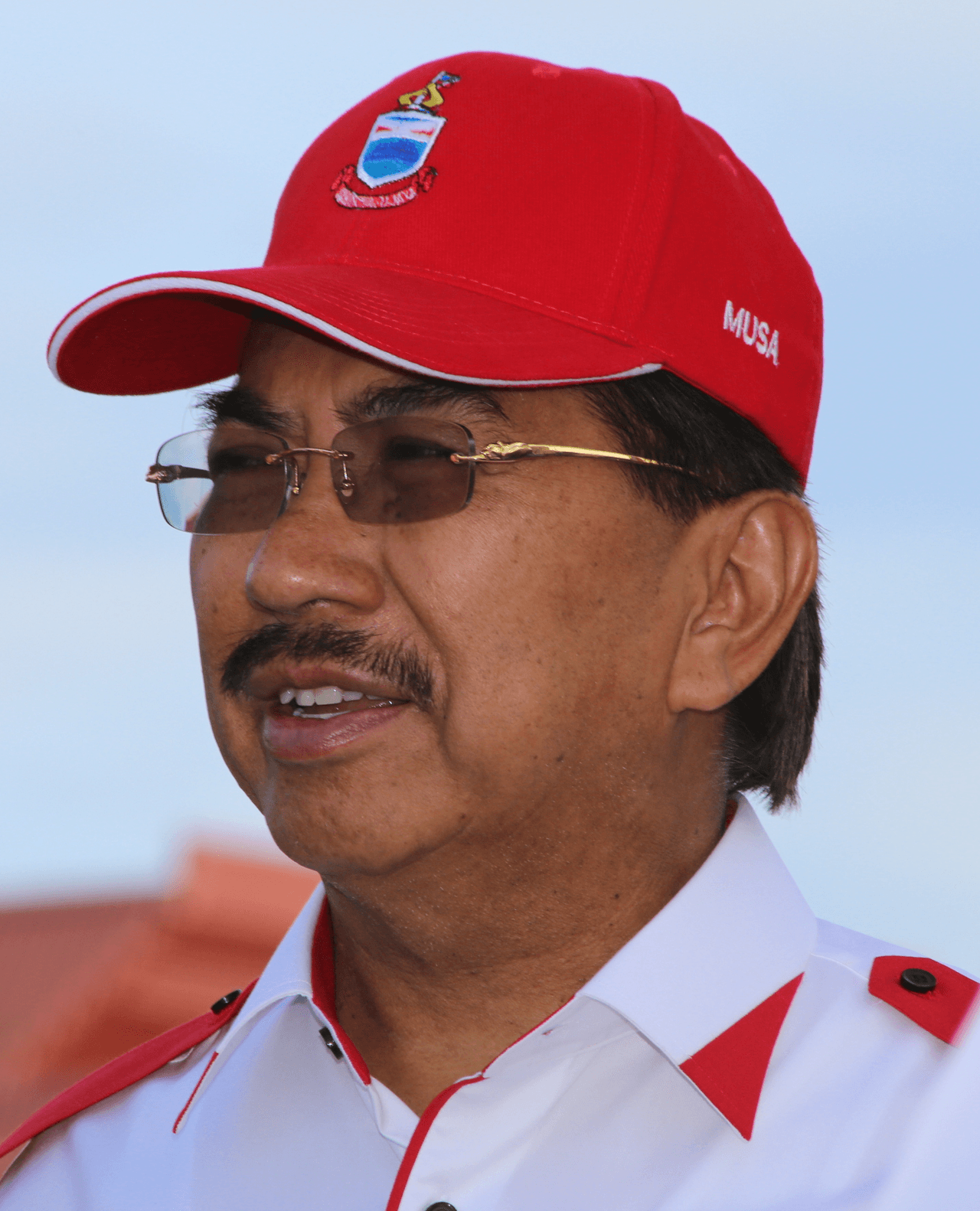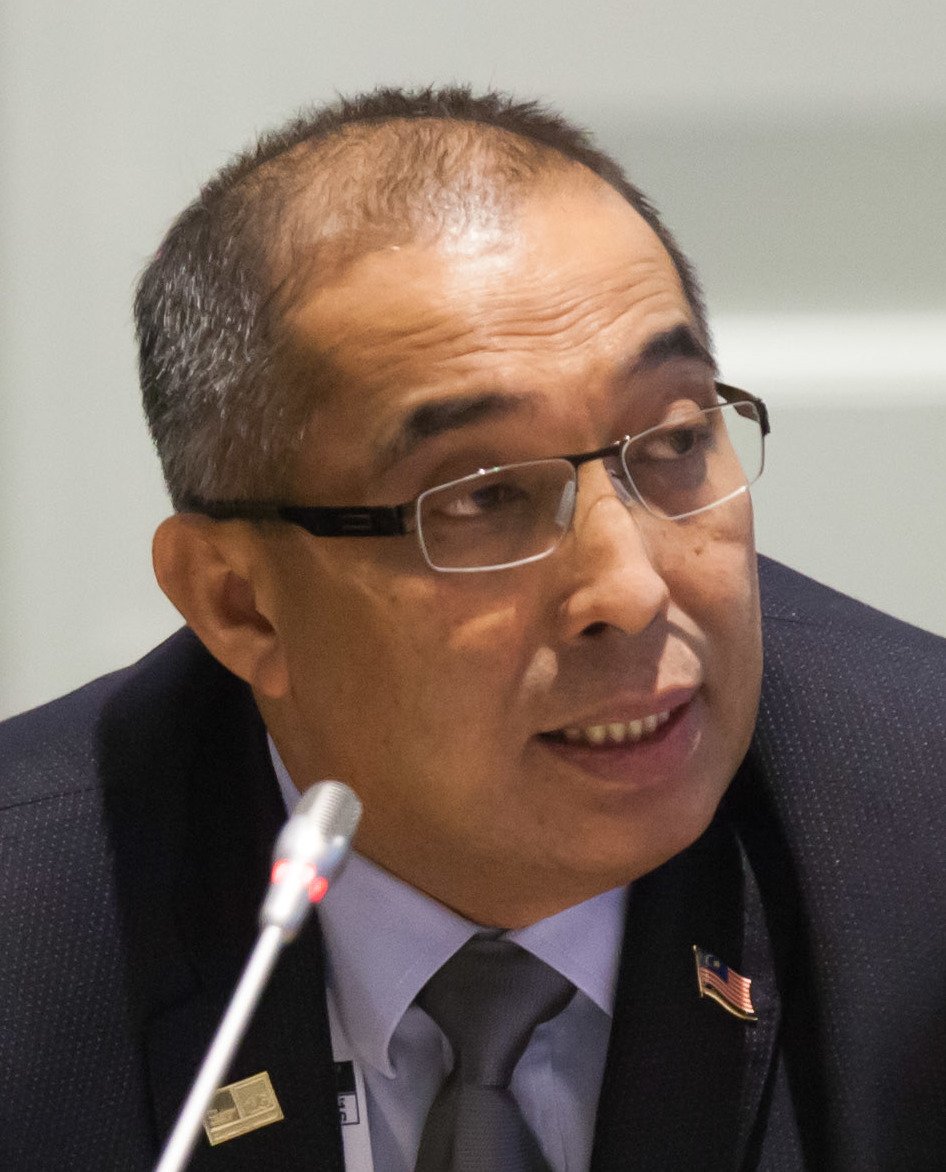
In this biography
Quick facts
- Born
- 19 February 1949
- Birthplace
- Papar, North Borneo (now Sabah)
- Country
- Malaysia
- Nationality
- Malaysian
- Known for
- Serving as Sabah chief minister during the Muslim-bumiputera phase of the BN rotation system from 1999 to 2001
- Born
- 19 February 1949 in Papar
- Education
- University of Buckingham
- Parliamentary seat
- Papar, 1986–2004
- State seat
- Kawang, 1994–2004
- State office
- Chief Minister of Sabah, 1999–2001
Why this life matters
Osu’s term shows how election results, UMNO’s legislative weight and the rotation formula interacted in Sabah’s post-1994 government.
Timeline
Key moments
Born in Papar
Born in the west-coast district he would later represent for eighteen years in Parliament.
Won Papar and Sulaman
Entered the Dewan Rakyat and briefly held a state seat during Sabah’s turbulent 1986 election year.
Won Kawang
Returned to the Sabah assembly as BN formed government after the PBS defections.
Held senior state portfolios
Served as deputy chief minister and finance minister before the next state election.
BN retained Sabah
Retained Kawang as the coalition won a majority in the March state election.
Became chief minister
Succeeded Bernard Dompok on 15 March for the next phase of BN’s rotation arrangement.
Transferred office to Chong Kah Kiat
Completed a two-year term and handed the chief-ministership to the LDP president.
Left Parliament and the assembly
Ended simultaneous service as Papar MP and Kawang assemblyman at the general election.
Papar roots and political entry
Osu Sukam was born in Papar in 1949 and later studied at the University of Buckingham. His public career remained strongly connected to Sabah’s west coast and to a constituency network that supported him through repeated federal elections.
He entered Parliament for Papar in 1986 and also briefly represented Sulaman in the state assembly. The dual contests took place during a period of unrest and realignment after PBS had displaced BERJAYA, giving Osu early experience in Sabah’s unusually fluid party system.
UMNO, Parliament and Kawang
After UMNO expanded into Sabah, Osu became one of the party’s leading state figures. He retained Papar at the federal level and won the Kawang state seat in 1994, when BN took control after defections erased PBS’s narrow election majority.
He rose through the state cabinet and served as deputy chief minister and finance minister. Those offices placed him at the centre of the BN government while chief ministers from several component parties moved through the rotation arrangement.
The 1999 election and appointment
The March 1999 state election interrupted Bernard Dompok’s intended rotation phase. PDS won only two seats and Dompok lost his constituency, while UMNO remained the largest party within the victorious BN coalition.
Osu retained Kawang and became chief minister on 15 March. His appointment returned the office to a Muslim-bumiputera UMNO leader, demonstrating that the power-sharing formula still depended on electoral performance and coalition arithmetic.
Two years as chief minister
Osu led Sabah through March 2001 while continuing the development and coalition programmes of the post-1994 BN administration. Government gazettes from the period record his formal role in state executive decisions and appointments.
The fixed term limited his tenure even though BN continued to hold an assembly majority. On 27 March 2001 Chong Kah Kiat became chief minister for the Chinese-community phase, making Osu the fifth officeholder in seven years after Pairin’s resignation.
End of elected service and historical place
Osu remained Papar’s member of Parliament and Kawang’s assemblyman until 2004. His eighteen years in the Dewan Rakyat were substantially longer than his two-year premiership and show how Sabah leaders often operated in both state and federal institutions.
His chief-ministership is best understood as part of a designed sequence rather than an isolated administration. It followed an election-shortened Dompok term and preceded the final rotation under Chong, before Musa Aman ended the formula in 2003.
Quick answers
Frequently asked questions about Osu Sukam
- Who is Osu Sukam?
- Osu Sukam is a former Chief Minister of Sabah. Osu’s term shows how election results, UMNO’s legislative weight and the rotation formula interacted in Sabah’s post-1994 government.
- What is Osu Sukam best known for?
- Osu Sukam is best known for serving as Sabah chief minister during the Muslim-bumiputera phase of the BN rotation system from 1999 to 2001.
- When and where was Osu Sukam born?
- Osu Sukam was born on 19 February 1949 in Papar, North Borneo (now Sabah).
Sources and further reading
Explore the evidence
These references support the biography and offer further reading. Official records, first-person accounts and independent reporting provide different perspectives; image records document attribution and licensing.
- 1. Government of SabahOfficial List of Sabah Chief Ministers
- 2. Parliament of MalaysiaArchived parliamentary profile for Papar
- 3. Parliament of MalaysiaDewan Rakyat debate on the Sabah rotation and 1999 transition
- 4. Government of SabahSabah State Gazette during the Osu administration
- 5. ISEAS–Yusof Ishak InstituteExporting the BN/UMNO model: Politics in Sabah and Sarawak
- 6. Election Commission of Malaysia, Sabah OfficeHistory of Elections in Sabah