In this biography
Quick facts
- Born
- 1927
- Died
- 2004
- Birthplace
- Tardebigg, United Kingdom
- Country
- United Kingdom
- Nationality
- Not independently established
- Known for
- Prostaglandin research and the mechanism of action of aspirin-like drugs
Why this life matters
Neither achievement is adequately described as the invention of aspirin itself.
Timeline
Key moments
Birth
Born in Tardebigg, United Kingdom.
Nobel recognition
Received the Nobel Prize in Physiology or Medicine.
Learning through biological measurement
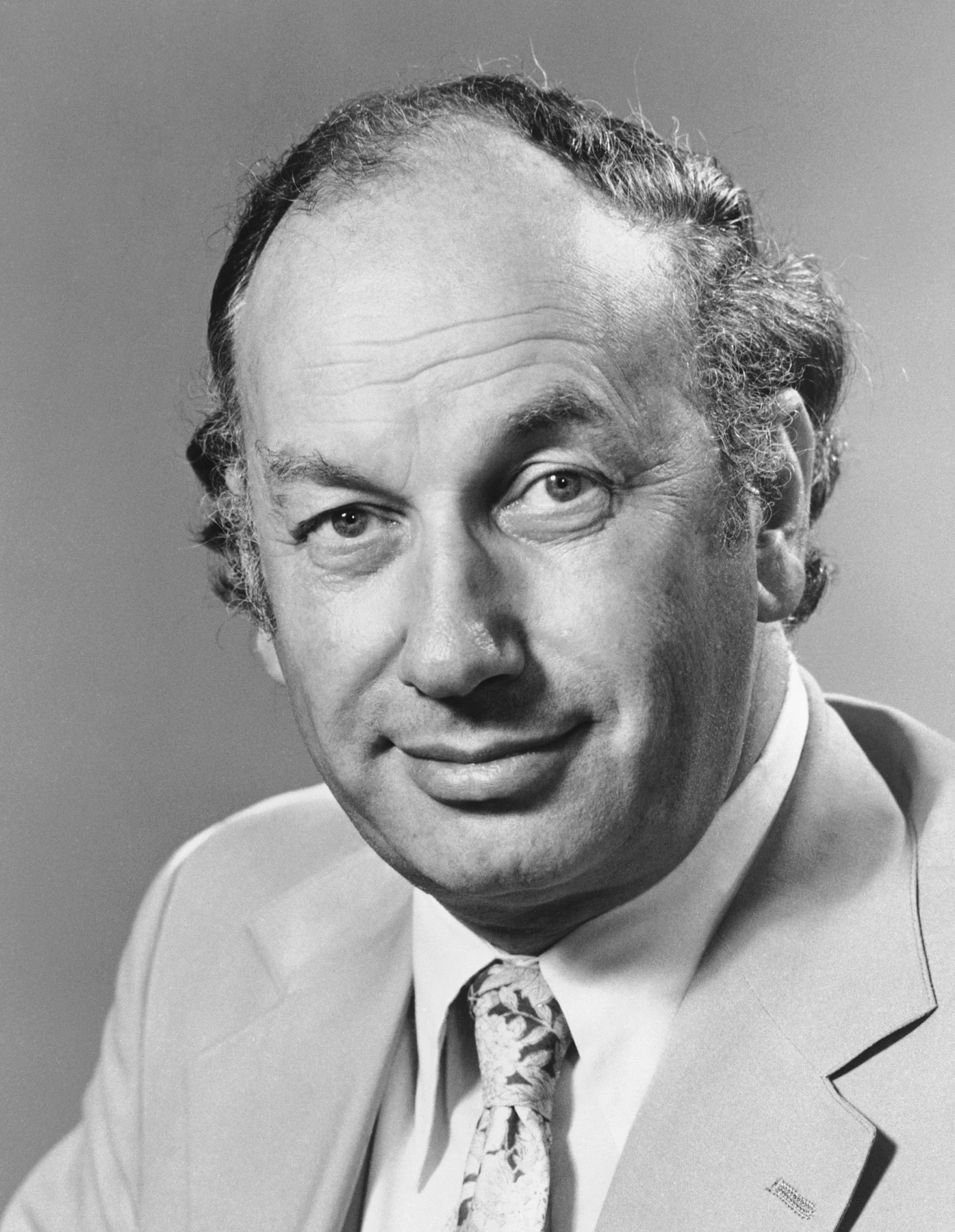
John Vane was born in Tardebigg, Worcestershire, in 1927. His Nobel autobiography describes a childhood enthusiasm for chemistry and an education interrupted by wartime evacuation and bombing. His later pharmacological training placed biological assay at the centre of experimental work. Rather than treating an instrument's chemical measurement as the only route to knowledge, he used responsive tissues to detect active substances and follow what happened to them in an experimental system.
Connecting aspirin with a biochemical pathway
With his research group, Vane developed cascade-superfusion bioassay methods for observing the release and fate of biologically active substances. Work on prostaglandins led in 1971 to evidence that aspirin-like drugs inhibited their biosynthesis. His Nobel lecture places the finding alongside simultaneous studies by other investigators and distinguishes it from the many enzyme effects observed only at high drug concentrations. A plausible explanation required a connection between the biochemical effect and the known physiological actions, not just any inhibition measurable in a tube.
Research across institutional boundaries
Vane moved to Wellcome in 1973, taking colleagues who helped develop its prostaglandin research. His autobiography describes prostacyclin work there under Salvador Moncada's leadership. He shared the 1982 medicine prize with Sune Bergström and Bengt Samuelsson and died in 2004. His contribution joins a method and a mechanism: sensitive biological measurement made unstable mediators accessible, while the aspirin work linked an established drug class with a particular biosynthetic pathway. Neither achievement is adequately described as the invention of aspirin itself.
Quick answers
Frequently asked questions about John R. Vane
- What is John R. Vane known for?
- Prostaglandin research and the mechanism of action of aspirin-like drugs.
Keep exploring
Lives connected to this story
- James W. Black
Compare the related experimental question and research career.
- Robert F. Furchgott
Compare the related experimental question and research career.
Sources and further reading
Explore the evidence
These references support the biography and offer further reading. Official records, first-person accounts and independent reporting provide different perspectives; image records document attribution and licensing.
- 1. Nobel Prize OutreachJohn R. Vane — Facts
Source scope: Birth/death and award metadata; short official work summary.
- 2. Nobel FoundationJohn R. Vane — Biographical
Source scope: Selected historical passages, as recorded in the research evidence ledger; not a full-document reading claim.
- 3. Nobel FoundationJohn R. Vane — Nobel lecture
Source scope: Selected historical passages, as recorded in the research evidence ledger; not a full-document reading claim.