
The short answer
Why was blocking a receptor different from suppressing every heart response?
Evidence comparison
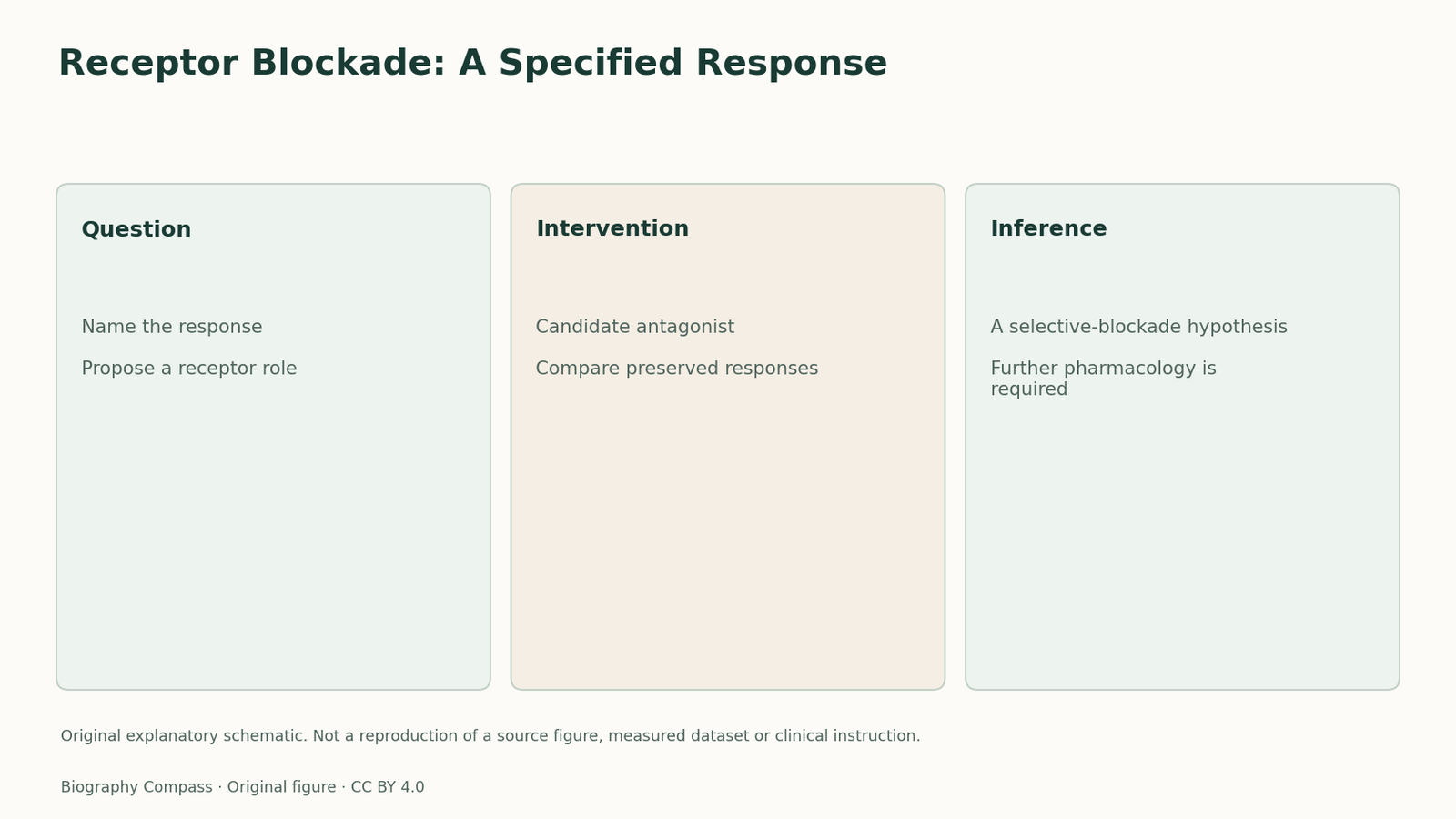
Receptor Blockade: A Specified Response
Compare the observations with the narrower conclusions they support.
| Record or observation | What it supports | What remains separate |
|---|---|---|
| Response decreases after a compound | Shows an effect in the tested preparation | Could reflect broad impairment rather than specific antagonism |
| One response changes while another persists | Supports investigation of a discriminating action | Does not alone identify a receptor or establish clinical suitability |
Specify the response to be blocked
Black's receptor-antagonist work began with a defined physiological question rather than the aim of stopping all activity in a tissue. His Nobel lecture discusses adrenaline beta-receptor antagonists and histamine H2-receptor antagonists as programmes in which the response and proposed receptor mattered. A compound that broadly damages a preparation could reduce a response, but that observation alone would not establish specific antagonism.
Different responses can expose different actions
Black's discussion of earlier anti-adrenaline agents notes that effects on blood pressure and heart rate did not always move together. Such differences made receptor distinctions experimentally important. A blocking claim therefore needs to say which agonist, tissue and response were examined. A label such as anti-hormone is too broad if it hides preserved responses elsewhere or a different mechanism for reducing the measured endpoint.
Sources for this section: [3]
An original comparison of two fictional blockers
Imagine a preparation with responses X and Y. After compound A, both disappear; after compound B, X is reduced while Y remains. Ask which observation better motivates a selective-blockade hypothesis. The answer is B's differential effect, provided the responses and preparation remain otherwise comparable. Then ask whether this proves a receptor identity. It does not: the comparison suggests a discriminating action, while binding, dose-response behaviour and alternative explanations still require testing. The compounds and endpoints are invented classroom labels.
Sources for this section: [3]
Do not equate selectivity with absence of consequences
A selective mechanism can still have effects in several tissues that share the relevant receptor. This guide explains the historical logic of specifying and comparing responses. It supplies neither a treatment choice nor a claim that blocking a receptor is universally preferable to other physiological interventions.
Sources for this section: [3]
Continue the chronology
Related history guides
Biography context
Explore United Kingdom through connected lives
Connected biographies
Researchers and related questions
1924–2010
James W. Black
Physician and analytical-pharmacology researcherAt ICI, Black worked with chemists and development colleagues including John Stephenson, Bert Crowther and Bill Duncan.Read biography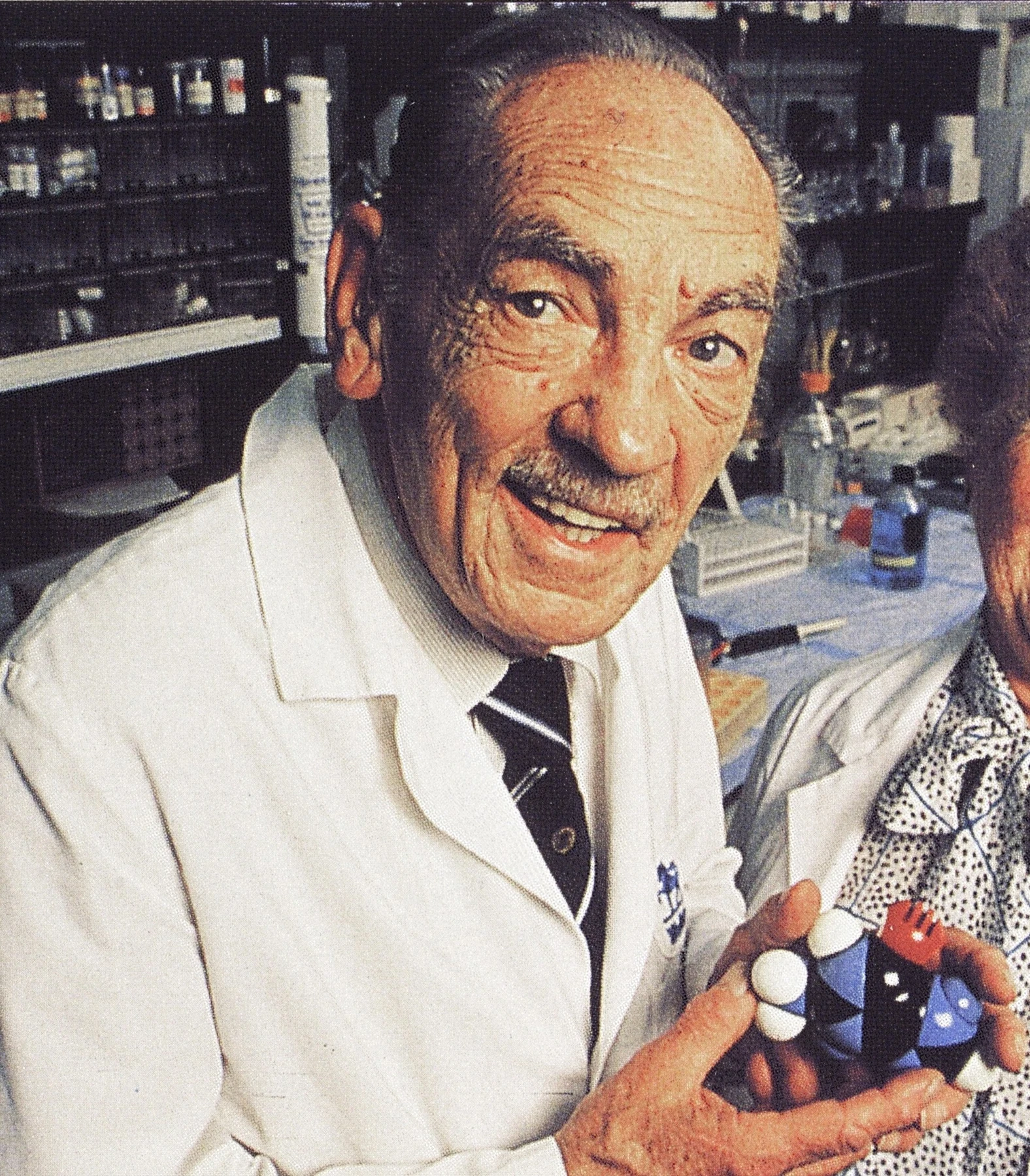
1905–1998
George H. Hitchings
Biochemist and drug-discovery researcherHitchings investigated analogues of the chemical building blocks used in nucleic-acid metabolism.Read biography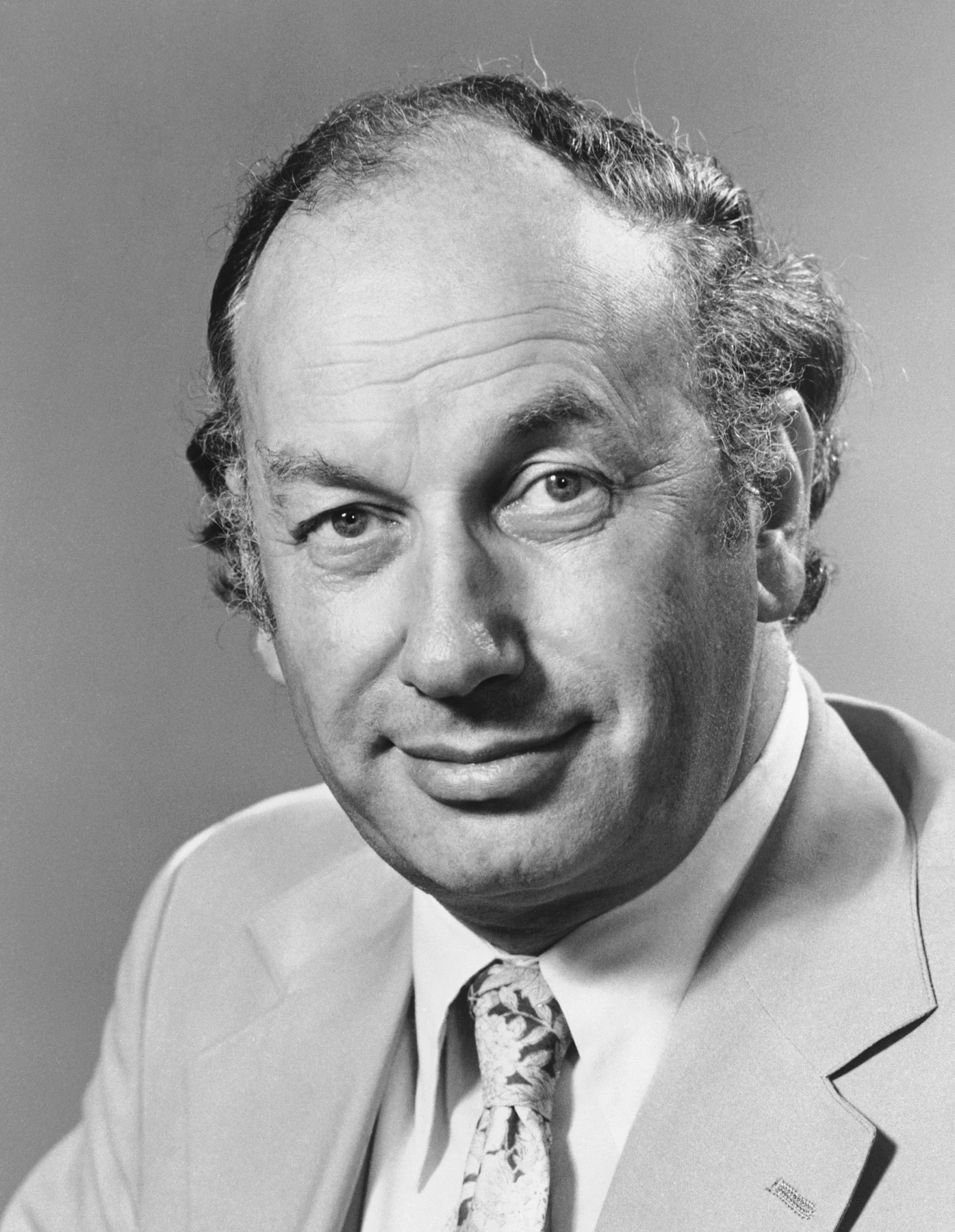
1927–2004
John R. Vane
Pharmacologist and bioassay researcherWith his research group, Vane developed cascade-superfusion bioassay methods for observing the release and fate of biologically active substances.Read biographyQuick answers
Common questions
- Why was blocking a receptor different from suppressing every heart response?
- Shows an effect in the tested preparation. Could reflect broad impairment rather than specific antagonism.
- Are the classroom examples historical measurements?
- No. Invented examples are labelled as classroom models; the source-based discussion identifies the historical evidence separately.
Primary and institutional sources
How this history was checked
Official biographical and award records are read alongside the researcher’s technical account. Source scope and hypothetical examples remain distinct. This article was reviewed on 7 November 2026.