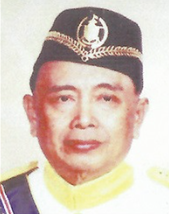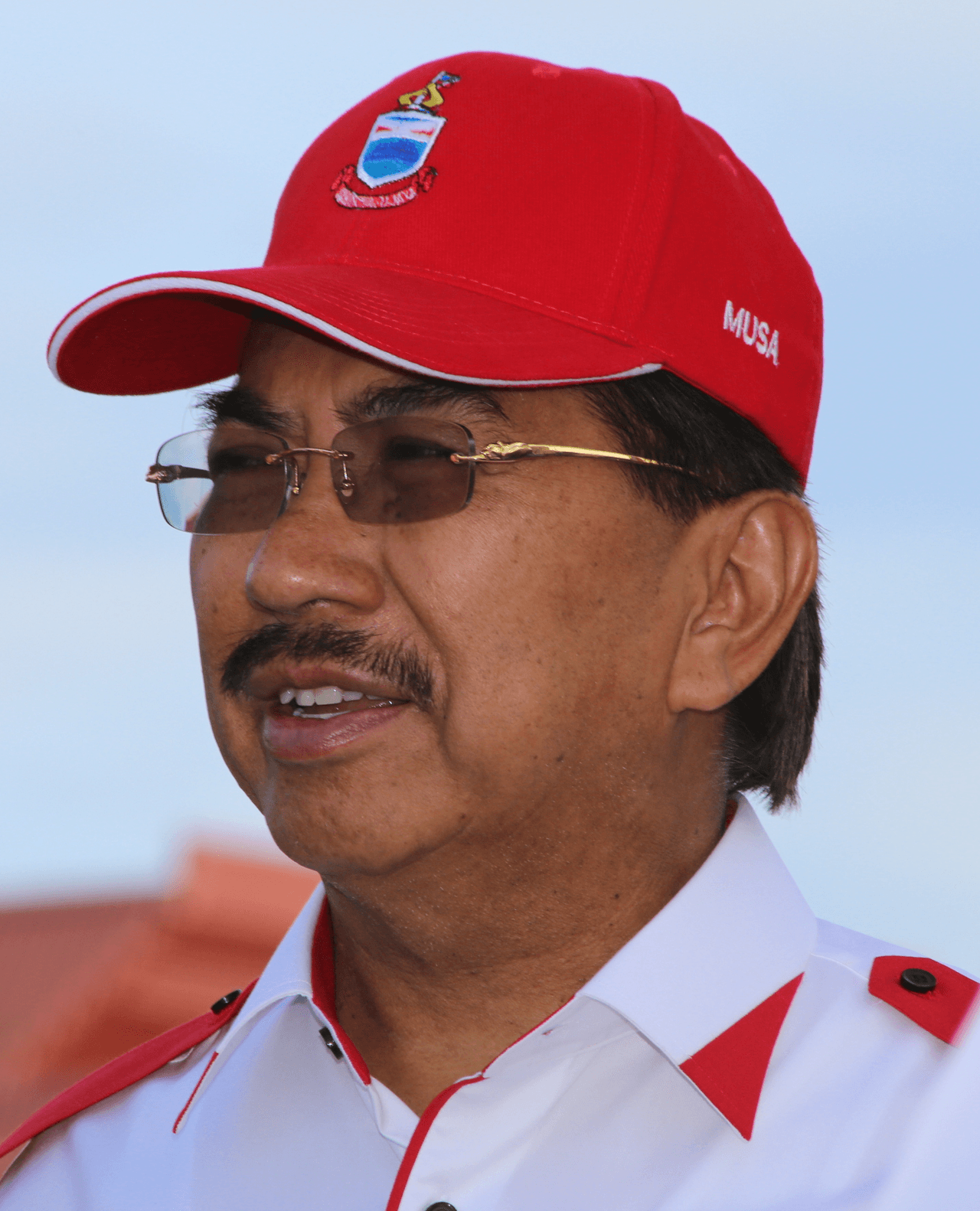
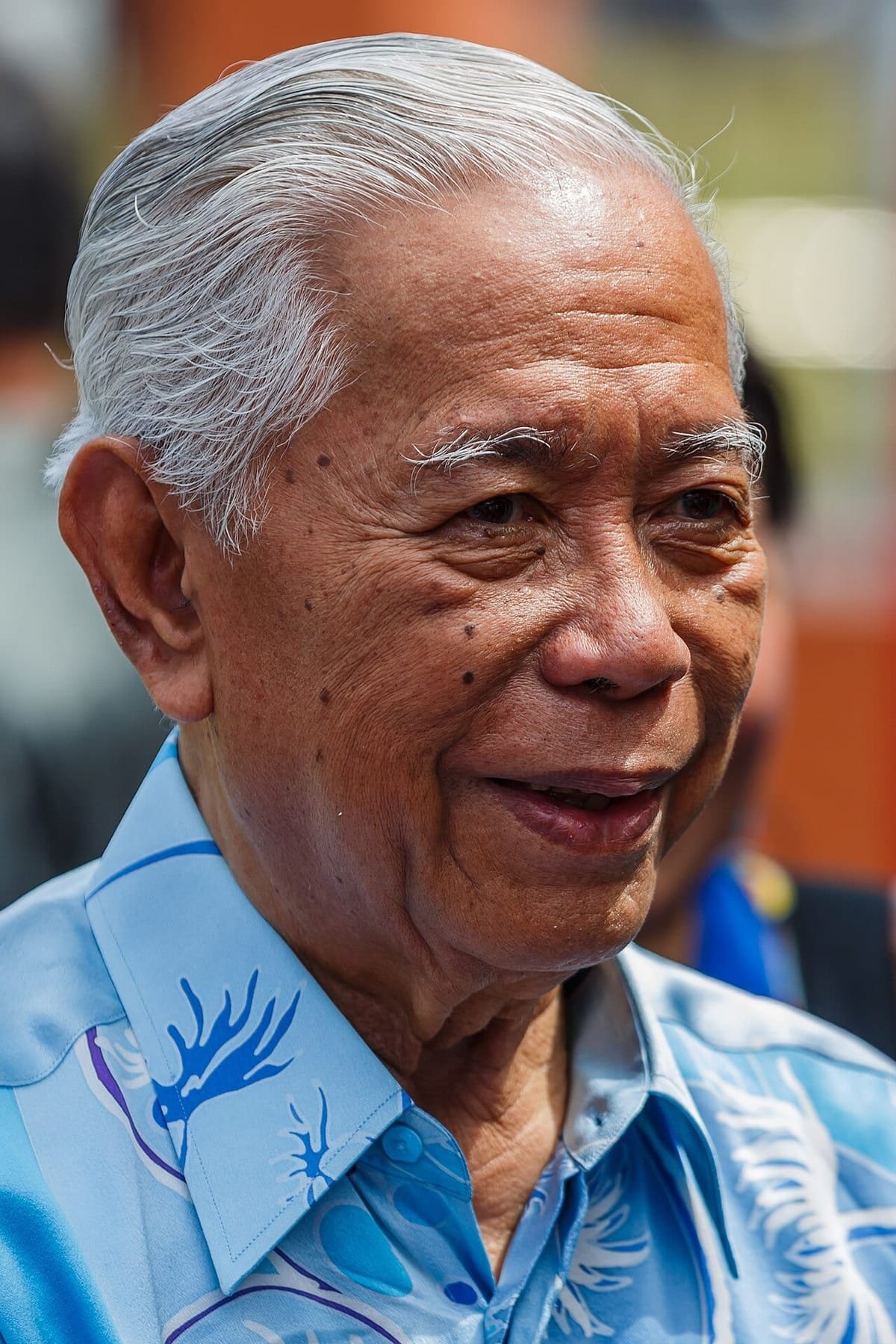
In this biography
Quick facts
- Born
- 15 April 1930
- Died
- 30 August 2021
- Birthplace
- Kampung Air, Semporna, Sabah
- Country
- Malaysia
- Nationality
- Malaysian
- Known for
- Forming Sabah’s BN government in 1994 and serving two terms as the state’s head of state
- Full name
- Sakaran Mohd Hashim bin Dandai
- Parliamentary seat
- Semporna, 1986–1995
- Federal office
- Minister of Land and Cooperative Development, 1990–1994
- State office
- Chief Minister of Sabah, March–December 1994
- Head of state
- Yang di-Pertua Negeri, 1995–2002
Why this life matters
Sakaran’s career links Semporna development, Sabah UMNO’s rise, the 1994 change of government and the constitutional office of Yang di-Pertua Negeri.
Timeline
Key moments
Born in Semporna
Born in Kampung Air and built the local base that would anchor his long political career.
Organised with USNO
Became a leading United Sabah National Organisation figure in Semporna and wider east-coast politics.
Entered Parliament
Won the newly created Semporna federal constituency and later became an USNO deputy president.
Joined the federal cabinet
Served as minister of land and cooperative development as UMNO established itself in Sabah.
Became chief minister
Formed a BN government after post-election defections removed PBS’s narrow assembly majority.
Became Yang di-Pertua Negeri
Moved from elected government to the constitutional headship of Sabah for two four-year terms.
Received national Maal Hijrah recognition
Was named the National Tokoh Maal Hijrah for work associated with education, socioeconomic development and Islamic institutions.
Died in Kota Kinabalu
Died on 30 August at age 91 after hospital treatment during the COVID-19 pandemic.
A Semporna political base
Sakaran Dandai was born in Kampung Air, Semporna, in 1930. His political identity remained closely tied to the east-coast district, where local leadership, land development and social institutions gave him a durable base across several party eras.
He rose through the United Sabah National Organisation and eventually became one of its senior leaders. University and archival accounts emphasise his role in organising Semporna and in projects intended to widen land access, education and economic participation in surrounding communities.
Parliament and the federal cabinet
Sakaran won the Semporna parliamentary seat in 1986. Four years later he entered the federal cabinet as minister of land and cooperative development, giving him responsibility for policies closely connected to the rural-development concerns that had shaped his local career.
When UMNO expanded into Sabah, Sakaran became chairman of its state liaison body. That position made him a central figure in BN’s effort to replace PBS and reorganise the state’s coalition system around a national party with Sabah-based partners.
The 1994 change of government
PBS narrowly won the February 1994 state election by 25 seats to BN’s 23. The result did not settle control of the assembly: elected representatives defected from PBS, Joseph Pairin Kitingan resigned and Sakaran was appointed chief minister on 17 March.
His short administration began the BN period that followed the crisis. He served until December, when Salleh Said Keruak took over under the coalition’s emerging rotation arrangement among Muslim bumiputera, Chinese and non-Muslim-bumiputera leaders.
Two terms as head of state
On 1 January 1995 Sakaran became Sabah’s eighth Yang di-Pertua Negeri. The appointed head of state gives assent to state laws and performs constitutional functions that are distinct from the chief minister’s political leadership of the cabinet.
He served for eight years, spanning governments led by Salleh Said Keruak, Yong Teck Lee, Bernard Dompok, Osu Sukam and Chong Kah Kiat. That continuity placed him above a rapidly rotating political executive during one of Sabah’s most institutionally unusual periods.
Education, religion and remembrance
After leaving office, foundations, educational initiatives and Islamic organisations remained central to public accounts of Sakaran’s work. In 2017 the federal government named him National Tokoh Maal Hijrah, citing contributions to socioeconomic development, education and Islamic learning.
He died in Kota Kinabalu in August 2021. His biography matters because the same politician occupied both sides of Sabah’s constitutional structure: first as the leader who assembled a government after the 1994 crisis, then as the head of state presiding over subsequent transfers of executive power.
Quick answers
Frequently asked questions about Sakaran Dandai
- Who was Sakaran Dandai?
- Sakaran Dandai was a former Chief Minister and Yang di-Pertua Negeri of Sabah. Sakaran’s career links Semporna development, Sabah UMNO’s rise, the 1994 change of government and the constitutional office of Yang di-Pertua Negeri.
- What is Sakaran Dandai best known for?
- Sakaran Dandai is best known for forming Sabah’s BN government in 1994 and serving two terms as the state’s head of state.
- When and where was Sakaran Dandai born?
- Sakaran Dandai was born on 15 April 1930 in Kampung Air, Semporna, Sabah.
- When did Sakaran Dandai die?
- Sakaran Dandai died on 30 August 2021.
Sources and further reading
Explore the evidence
These references support the biography and offer further reading. Official records, first-person accounts and independent reporting provide different perspectives; image records document attribution and licensing.
- 1. Government of SabahOfficial List of Sabah Chief Ministers
- 2. Government of SabahOfficial List of Sabah Heads of State
- 3. Universiti Malaysia Sabah and National Archives of MalaysiaBiography of Tun Sakaran Dandai
- 4. Jurnal Kinabalu, Universiti Malaysia SabahSakaran Dandai’s political legacy in Semporna
- 5. BERNAMA via MalaysiaNowFormer Sabah governor Sakaran Dandai dies
- 6. Department of Islamic Development MalaysiaNational Tokoh Maal Hijrah recipients
- 7. Wikimedia CommonsSakaran Dandai portrait and CC BY-SA 3.0 record